Estate fruit from mountain terraces
- Falstaff Winery - Listed · 2026
Terraces before the cellar
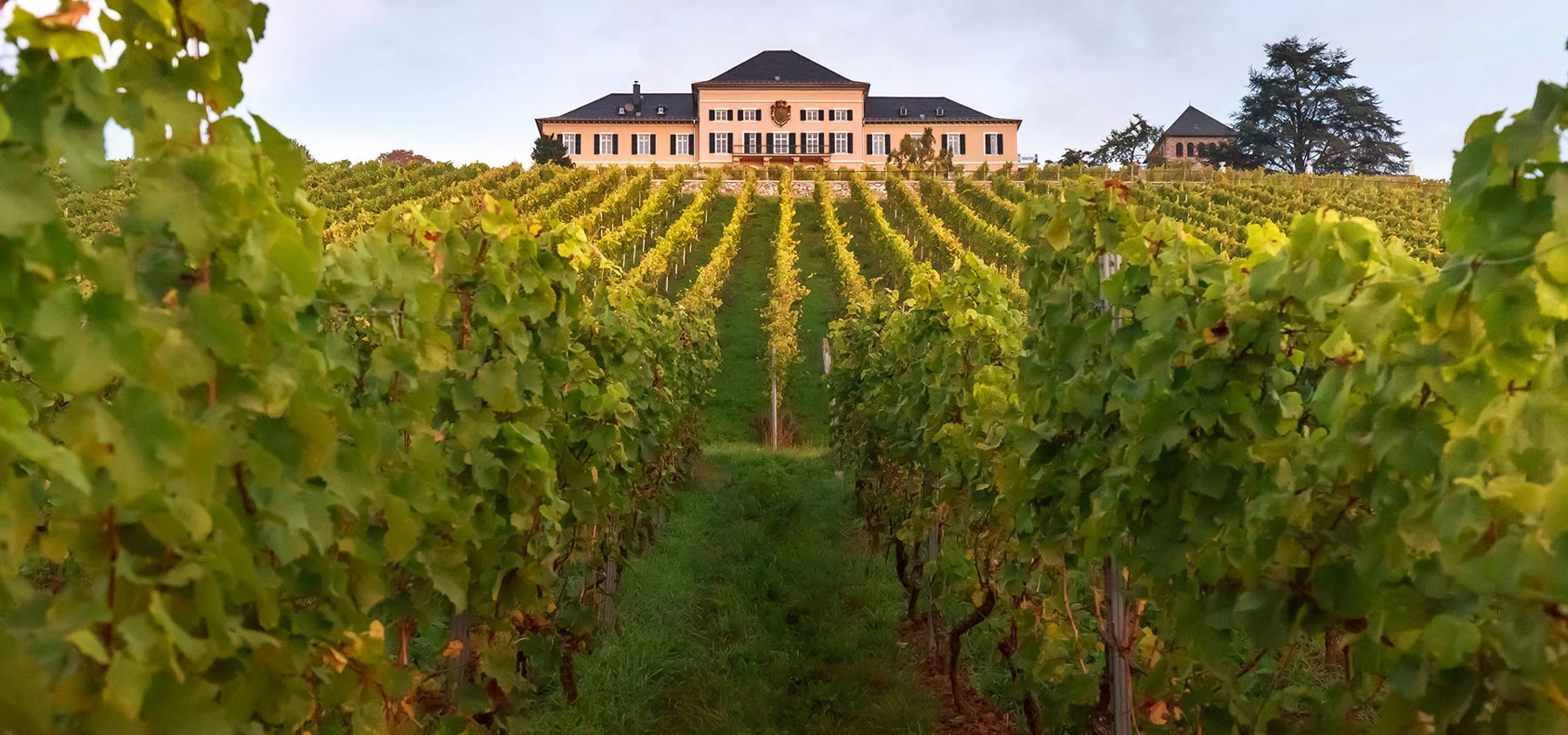
Handpicked fruit comes off steep terraces before any cellar work begins at Aurora Winery in Rachkiddeh. The place asks for that order. Aurora sits in the Batroun hills above the village, where the vineyard rises at 850 to 900 metres and the rows sit on narrow terraces carved into the slope. Work here begins with ground that cannot be rushed: argillic soils, ferric clay, limestone plates, hot days, cool nights, and enough gradient to keep machines out of the parts that matter. Terrace maintenance is continuous and manual, which sets the scale of everything after it. Aurora opened in 2016 as a small mountain winery run as a family concern, built around sustainable farming, limited production and quality ahead of volume.
Ten to twelve clusters per vine
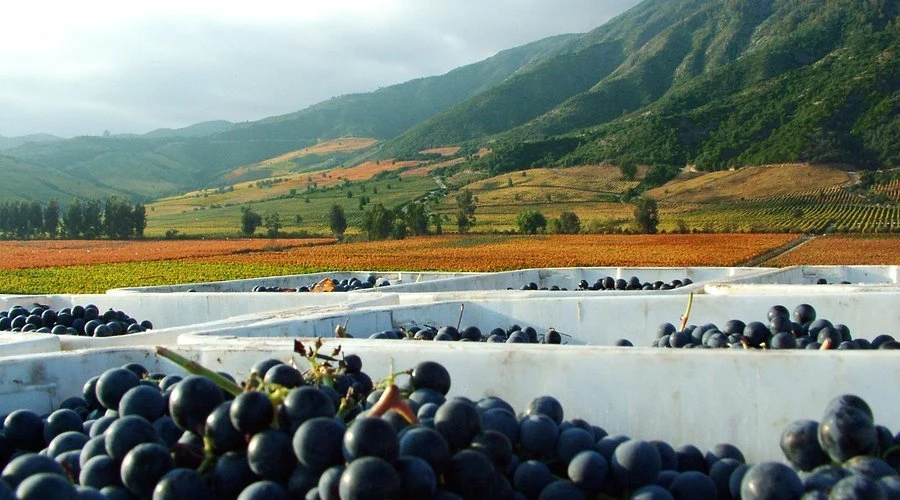
The method stays close to the vineyard. The estate works without purchased fruit, drawing from parcels established in 2009 and 2012, and holds the crop to 10 to 12 grape clusters per vine. That number matters. It is a vineyard decision before it is a cellar decision, a way of asking each plant to concentrate its work rather than spread it thin. Dry farming relies on rainfall instead of irrigation, while organic cattle fertilizer returns matter to the soil without synthetic intervention. Harvest typically falls in the last week of August, when the fruit is picked by hand, de-stalked and crushed.
The winery makes still red, white and rosé wines, with Chardonnay, Cabernet Franc, Cabernet Sauvignon, Grenache, Carignan, Syrah and the indigenous Obaideh and Merwah among the varieties worked on the estate. Cabernet Franc is the district's signature red, and at this altitude the cool nights slow sugar accumulation while natural acidity holds, which is why the reds arrive with silky tannin rather than weight. The flagship Aurora Crystal is pure Chardonnay from terraces of argillic soil at 900 metres, made in roughly 1,000 bottles a year, with a fruity attack, a voluminous mouthfeel and a long dry finish.
The garden below the mountain light
Tasting here does not separate the wine from the slope that made it. Guided vineyard tastings move through a quiet, nature-focused setting, and the adjacent Garden by FYRD gives the place its slower rhythm: mountain views, al fresco meals, the kind of lunch that lets the cellar and the terraces stay in the same conversation. The room is not loud. Aurora's atmosphere is closer to a pause in the work than a performance of it, with the vineyard still visible as the main fact. The glass arrives with the mountain still in it.
A small winery with an old memory
Aurora's own language reaches back to a 5,000-year wine legacy in these hills, and the reference is strongest when kept close to the land. The Batroun district has carried vines since Phoenician planting, but this address makes its case through present work: terraces maintained by hand, estate fruit, dry farming, and a cellar scaled to attention. If the next vintage changes anything, it will begin on those same Rachkiddeh terraces and move, cluster by cluster, toward Aurora Crystal.
Questions
Frequently asked
What is Aurora Winery known for?
Aurora Winery is a small mountain winery in Rachkiddeh, above Batroun, known for estate-grown wines made from terraces at about 850 to 900 metres. The flagship wine is Aurora Crystal, a pure Chardonnay made in roughly 1,000 bottles a year.
What kinds of wine does the winery make?
The winery makes still red, white and rosé wines. The estate works with Chardonnay, Cabernet Franc, Cabernet Sauvignon, Grenache, Carignan, Syrah, Obaideh and Merwah.
How is the vineyard farmed?
Aurora works without purchased fruit and relies on parcels established in 2009 and 2012. The vineyard is dry-farmed, uses organic cattle fertilizer, and is maintained by hand on steep terraces where machines cannot work.
Can visitors book a tasting?
Visits are by appointment only. Guided vineyard tastings are offered in a quiet, nature-focused setting, and the adjacent Garden by FYRD serves al fresco meals with mountain views.
The field
How it compares
| Place | Notes | Awards |
|---|---|---|
| Aurora Winery | Rachkiddeh, $$ | · |
| Chateau Lafite Rothschild | Pauillac | · |
| Chateau Leoville Las Cases | Saint-Julien-Beychevelle | · |
| Domaine Dujac | Morey-Saint-Denis | · |
| Masseto | Castagneto Carducci | · |
| Schloss Johannisberg | Geisenheim-Johannisberg | World's 50 Best |
| Viña Montes | Santa Cruz | World's 50 Best |