Azienda Agricola Costantino
- 01CityPartinico, Italy
- Falstaff Winery - Listed · 2026
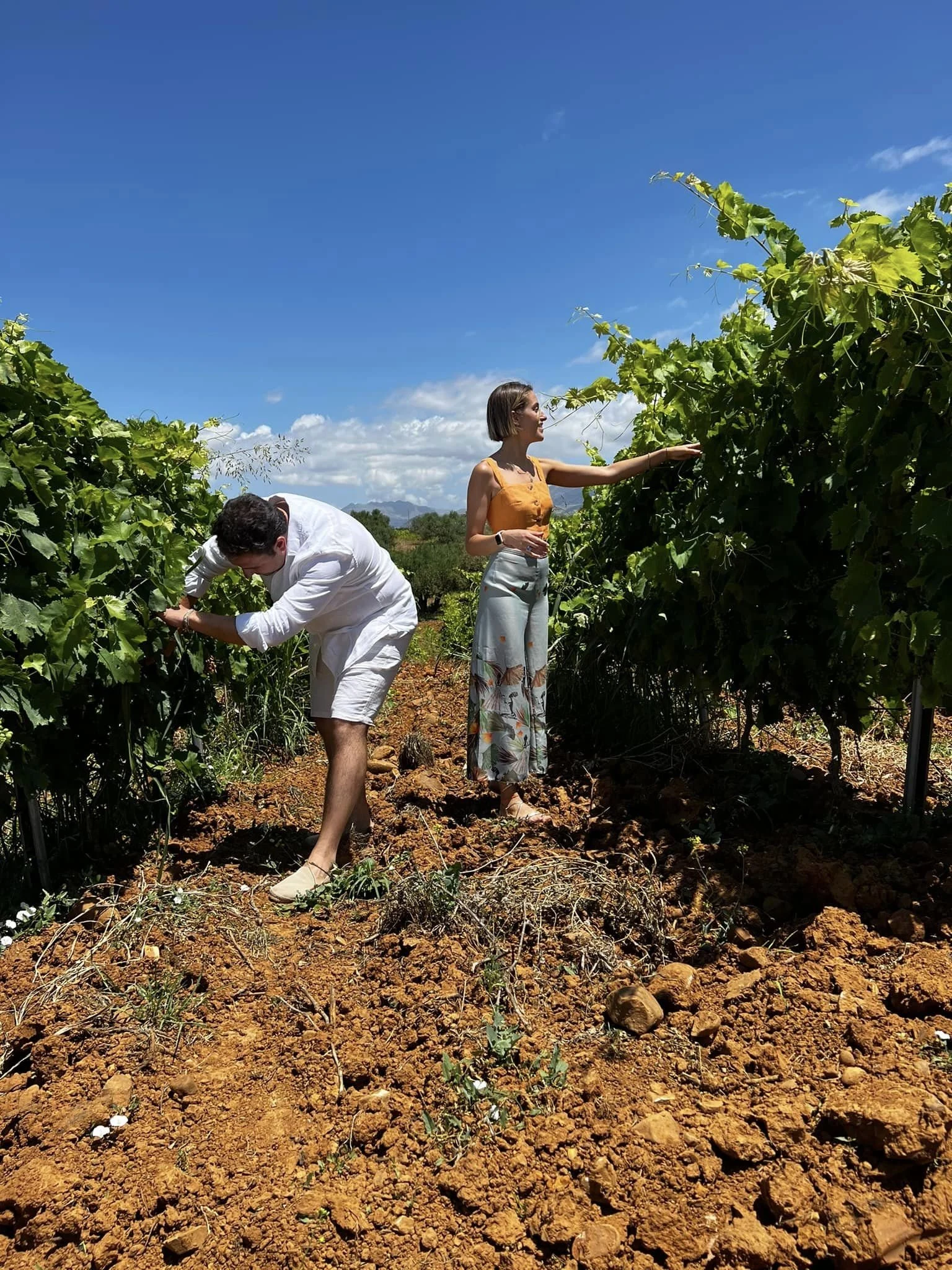
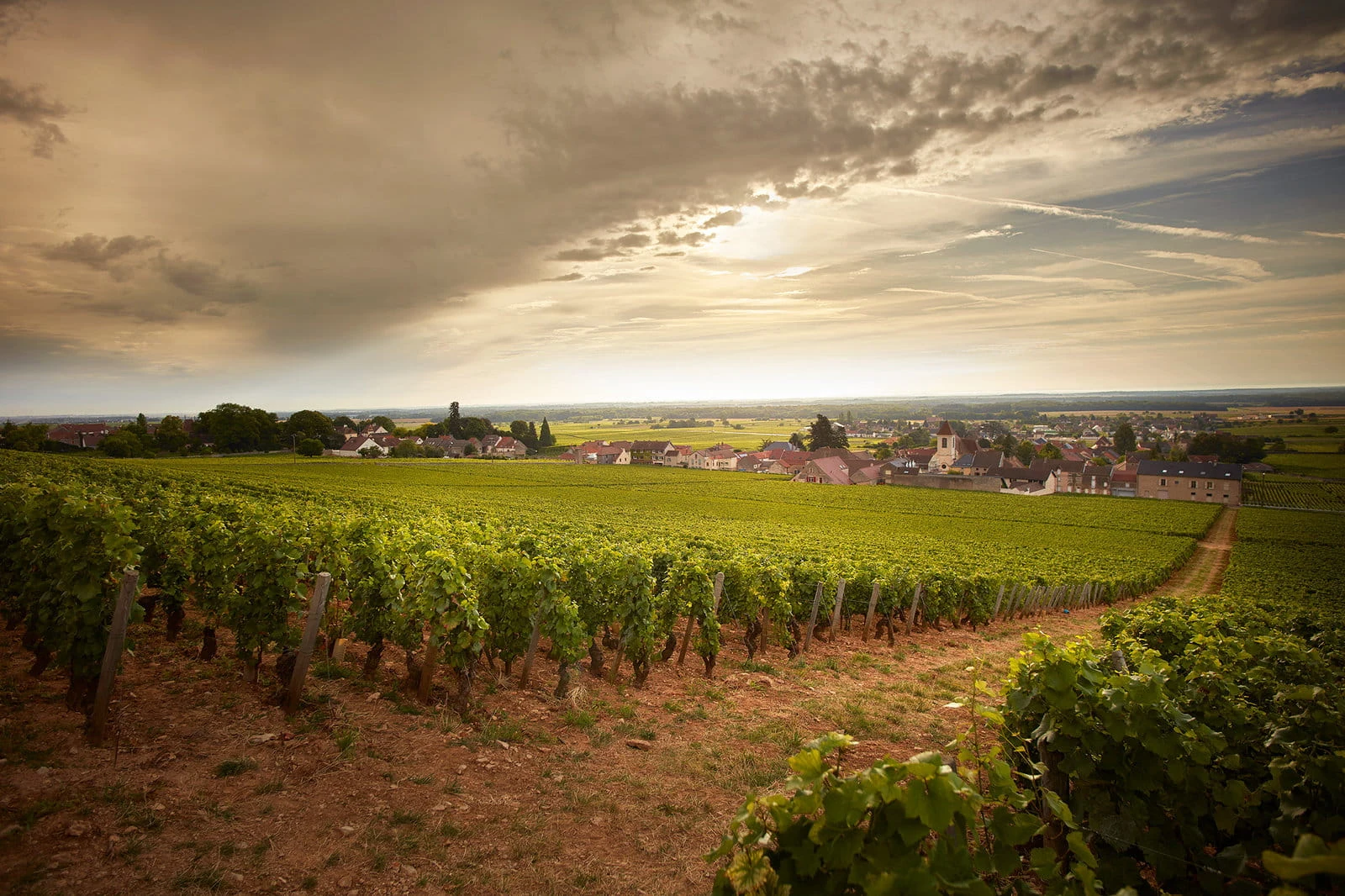
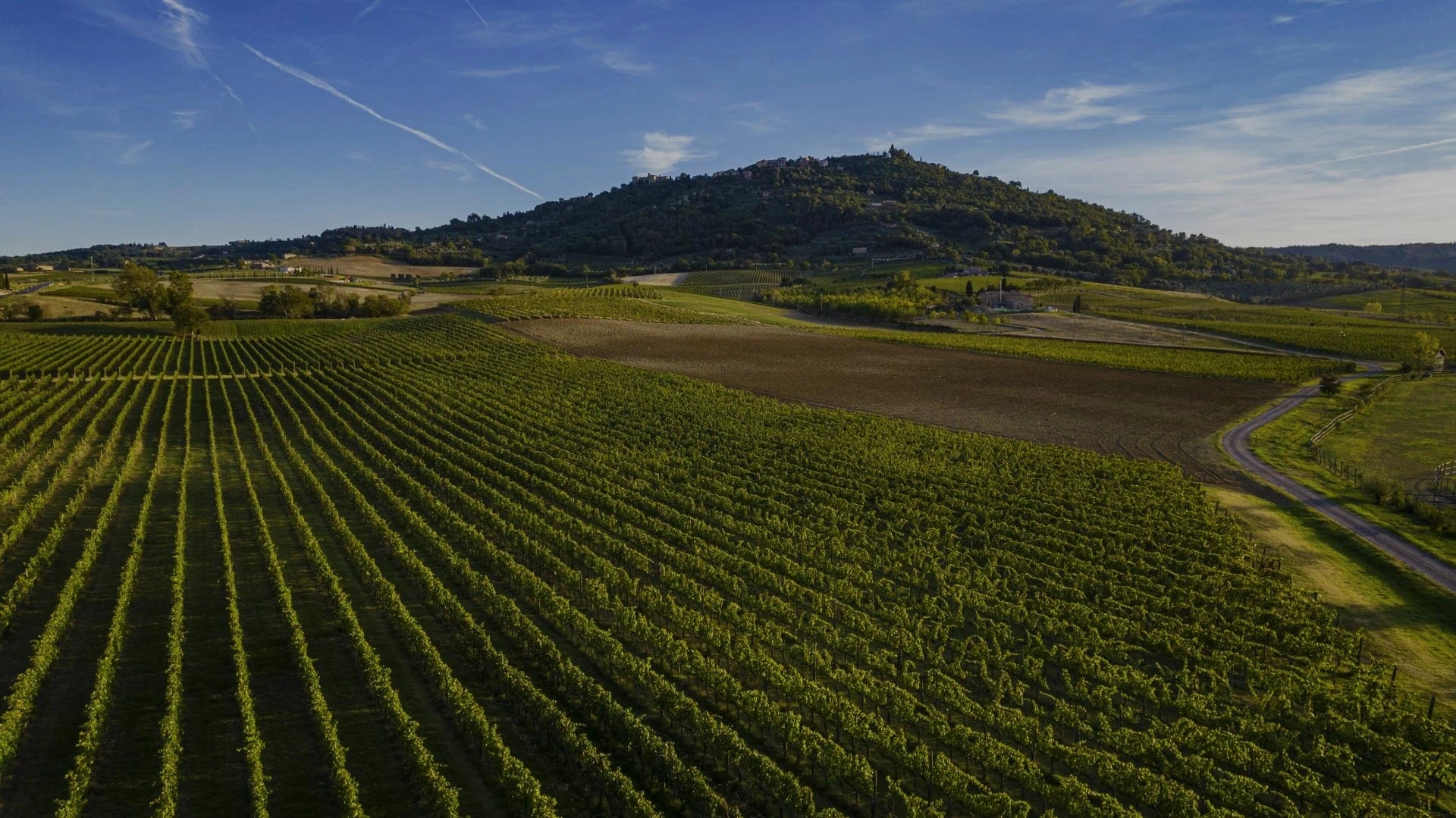
Approaching a working winery in Partinico means reading the countryside before the label: vineyard rows, clay-limestone ground, and the warm northern Sicilian air moderated by coastal influence. Azienda Agricola Costantino belongs to that Western Sicily register, where the tasting room is less about polished theatre than about translating place into glass. The atmosphere is quiet, rustic, and family-run, with the experience built around guided tasting rather than walk-in bar service.
Western Sicily has spent the past generation arguing for seriousness beyond bulk wine and sun-heavy reds. The more persuasive estates make that case through altitude, native varieties, and farming choices rather than through grand architecture. Here, the relevant facts are agricultural: 55 hectares of vineyards, sites between 250 and 600 metres above sea level, calcareous clay soils, and a production history dating to 1960. Those details matter because they explain why the wines are positioned around freshness and structure rather than sheer ripeness.
Partinico terroir expressed through altitude, clay, and coastal air
The Monreale-Partinico area sits in a transitional zone of Palermo province, and that transition is the point. Warm Mediterranean conditions give Sicilian grapes their concentration, while elevation and sea breezes help preserve acidity. In a region often reduced to sunshine, the better lens is temperature management: vineyards at 250 to 600 metres give growers more than one rhythm of ripening, which is especially useful when working across white and red varieties.
Grillo and Nero d’Avola form the natural Sicilian reference points. Grillo has become one of the island’s key arguments for dry white wine with local identity, while Nero d’Avola remains Sicily’s central red grape. Costantino’s portfolio also includes Müller-Thurgau, Petit Verdot, and Cabernet Sauvignon, which places the estate in a broader Sicilian pattern: native grapes anchor the story, international varieties test how altitude and soil behave outside the expected script.
The estate’s Sicilia IGT framing gives it room to work across varieties without losing the Sicilian context. Organic viticulture is part of the agricultural identity, and the vineyard scale is meaningful without being industrial. A medium-scale estate can offer enough range for a structured tasting while keeping the conversation tied to specific farming decisions. For travellers comparing wine regions across Italy, this is where Sicily differs from the more codified appellation circuits: the interest often lies in the tension between local grapes, flexible classifications, and microclimate.
Guided tastings make the strongest case for the estate
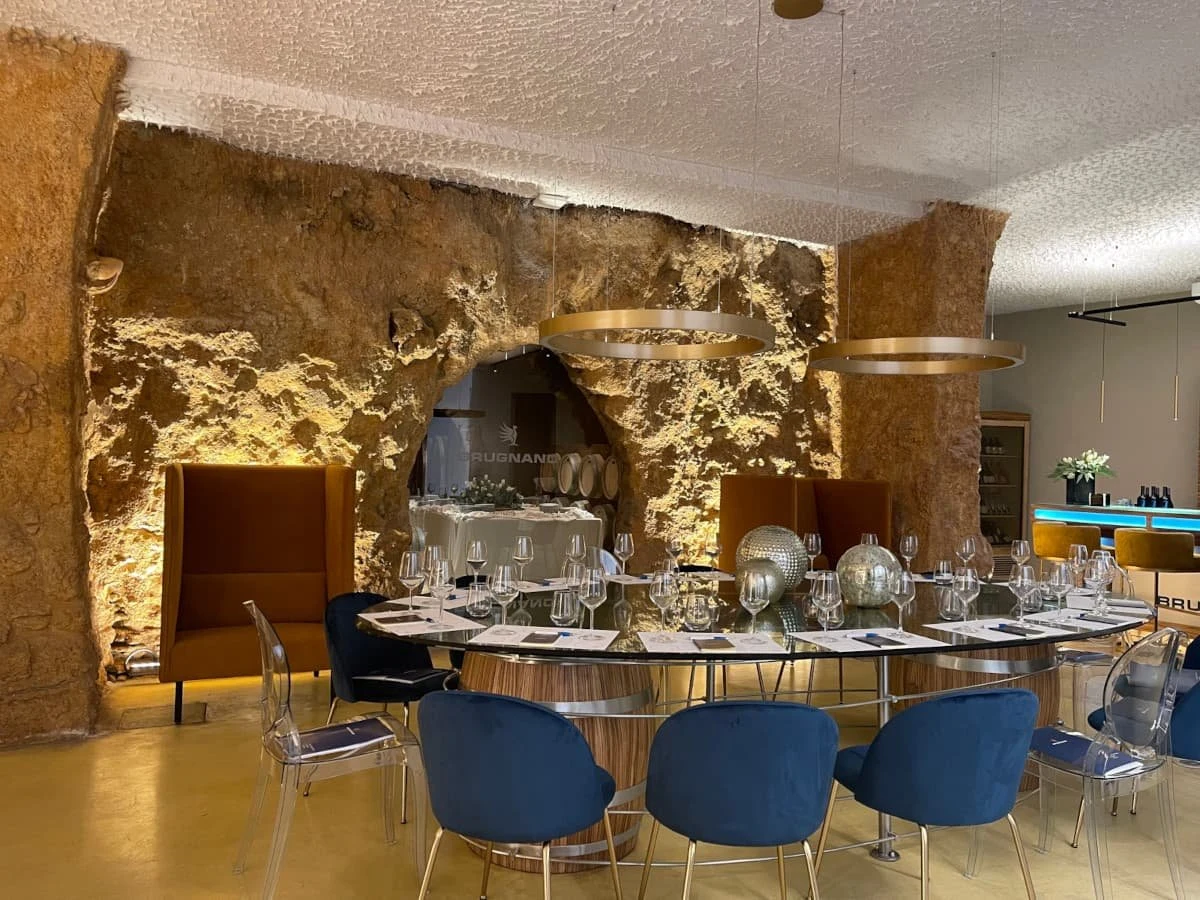
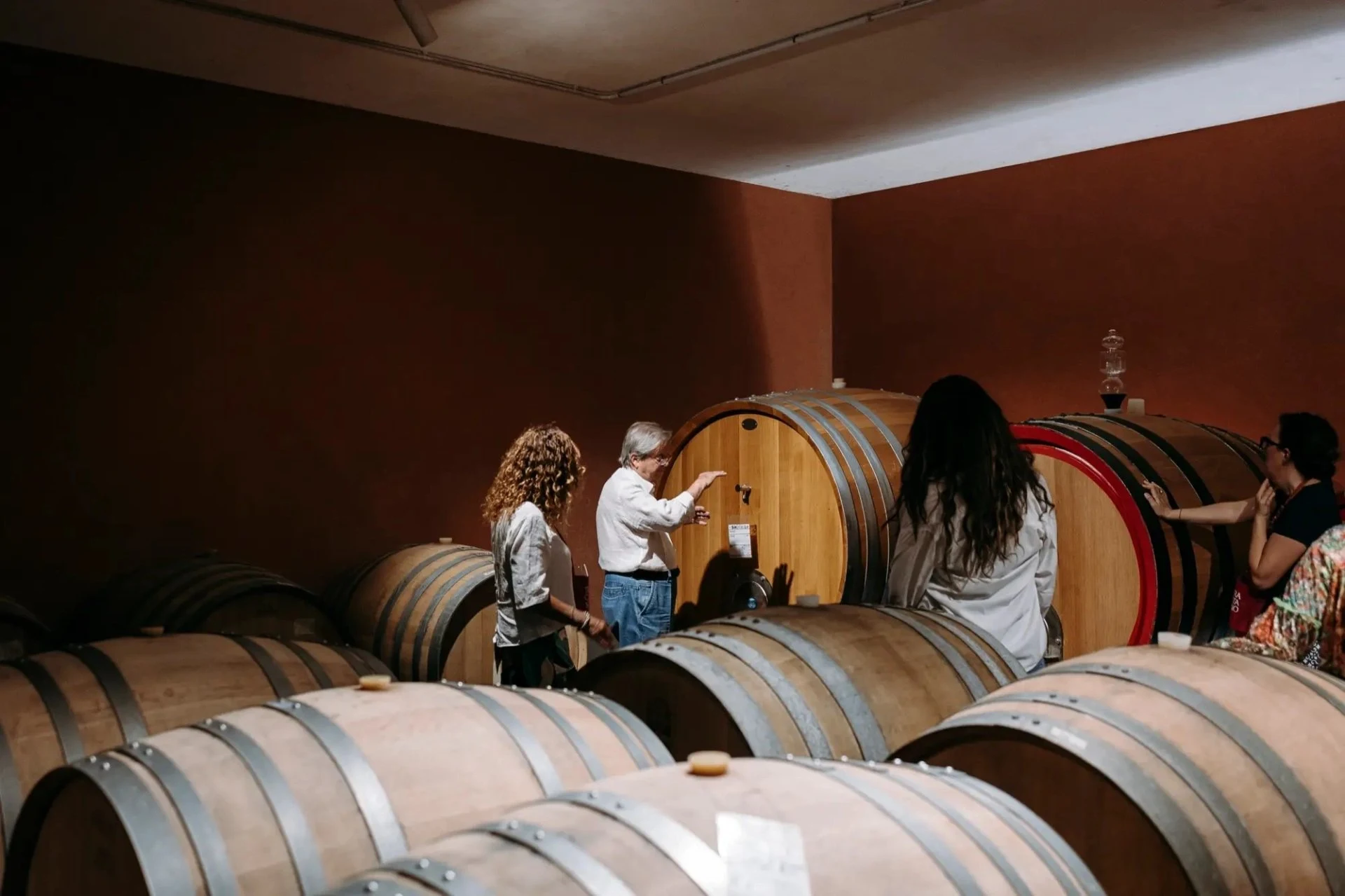
The tasting format suits visitors who want explanation with the glass. Guided tastings and food-pairing tastings are the stated formats, and that matters in Partinico because the wines benefit from context: soil, altitude, variety, and family continuity all carry more weight than a quick pour. The room’s character is described in familiar, family-run terms, which places the visit closer to wine education than luxury hospitality theatre.
Aria Grillo is the bottle with the clearest external trust signal, having received a silver medal at the International Wine Challenge in 2019. That recognition should be read precisely: it does not turn the estate into a trophy destination, but it does show that a dry white from this corner of Sicily has been assessed on an international stage. Aria Nero d’Avola adds the expected red counterpoint, while Müller-Thurgau gives the lineup a less obvious angle for Sicily.
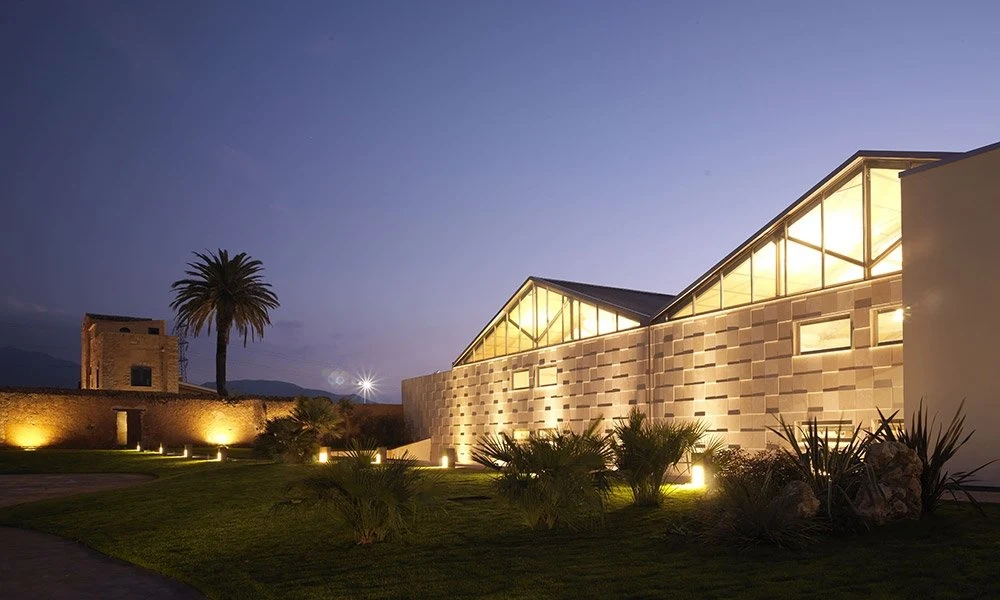
For a wider Partinico wine day, the useful move is to think by category rather than by checklist. Costantino represents the family-run, guided-tasting side of the area. Nearby winery research can extend through Azienda Vitivinicola Tola, Brugnano, BRUGNANO WINES, and Cusumano, while the broader planning map sits in Our full Partinico wineries guide. The better day is not a race through cellars; it is a comparison of how producers around the same city handle native grapes, altitude, and hospitality scale.
Who should put it on a Sicilian wine itinerary
This is a stronger fit for travellers who like appointments, explanation, and rural pacing than for visitors looking for a casual drop-in counter. The visit type is appointment only, the dress code is casual, and the setting is a vineyard estate rather than an urban tasting room. Groups are a natural audience, especially when the purpose is wine education or a special-occasion tasting, but the experience is not positioned for children or dog-friendly touring.
The 60-to-90-minute duration is the right signal: long enough for a serious tasting, short enough to combine with lunch, a coastal drive, or another winery. Food pairing is available, so the more rewarding version is to treat the visit as a structured look at Western Sicilian wine rather than a bottle-buying stop. The price level sits in the moderate bracket, which keeps the emphasis on access and learning rather than scarcity.
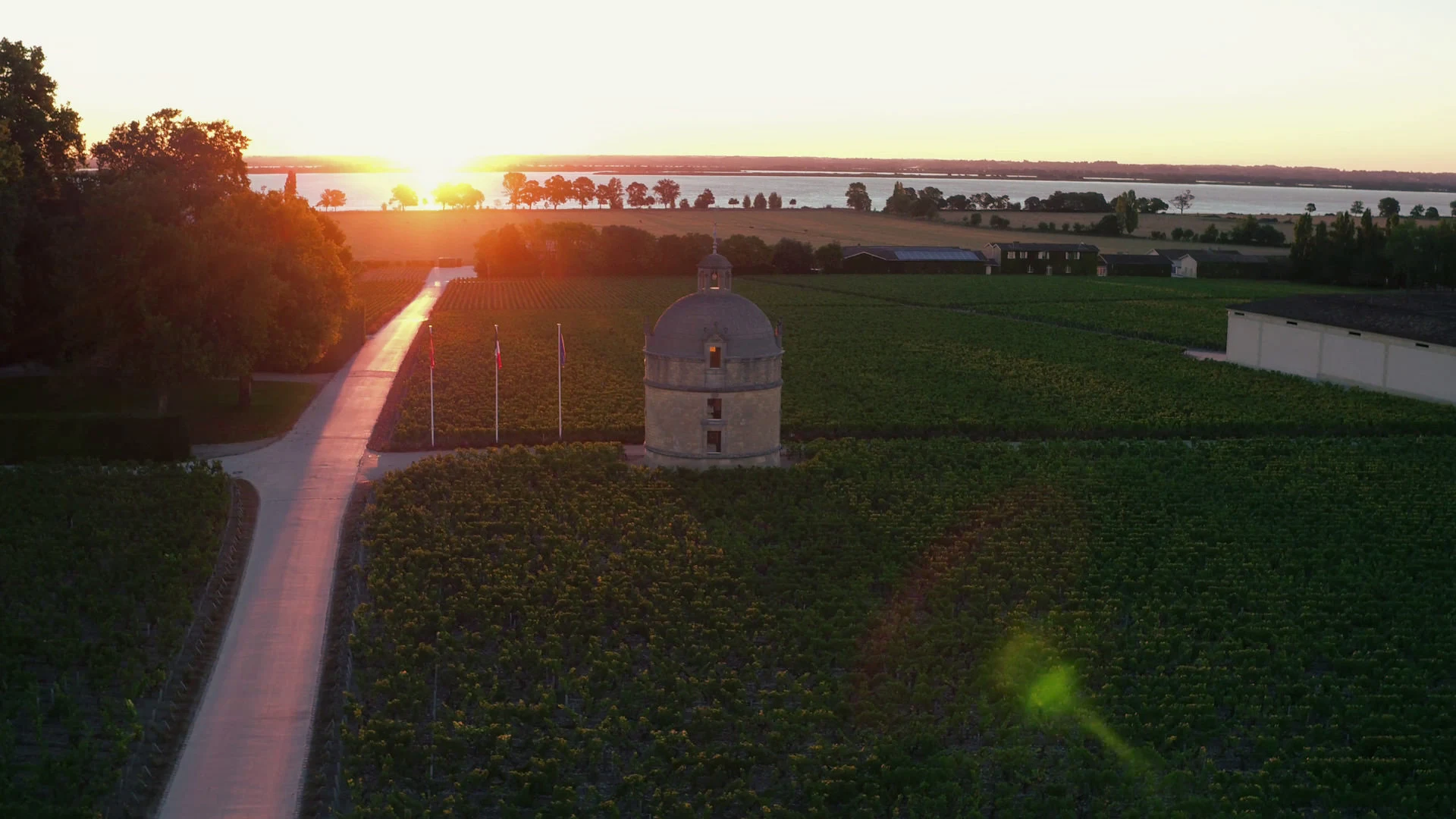
Partinico also works as a base note in a wider Sicilian itinerary. Dining and sleep logistics can be built through Our full Partinico restaurants guide, Our full Partinico hotels guide, Our full Partinico bars guide, and Our full Partinico experiences guide. Travellers continuing across wine country in Italy and beyond can compare different regional models through 3GP SRL in Treviso, 47 Anno Domini in Trebaseleghe, A Mano Wine in Noci, a6mani in Fragagnano, »der Steiner« Hans Steiner in Podersdorf am See, and & Handwein in Mannheim.
Questions
Frequently asked
How expensive is Azienda Agricola Costantino?
Azienda Agricola Costantino is listed at a price level of $$.
The field
How it compares
| Place | Notes |
|---|---|
| Azienda Agricola Costantino | Contrada Raccuglia, $$ |
| Azienda Vitivinicola Tola | Partinico |
| BRUGNANO WINES | Partinico |
| Château Latour | Pauillac |
| Cusumano | Partinico |
| Domaine du Clos de Tart | Morey-Saint-Denis |
| Valdicava | Montalcino |