Azul Condesa

In Residence
Ricardo Muñoz Zurita
Chef
- 01CuisineTraditional Mexican Ancestral Cuisine
- 02CityMexico City, Mexico
Hipódromo's Dining Register and Where Azul Condesa Fits
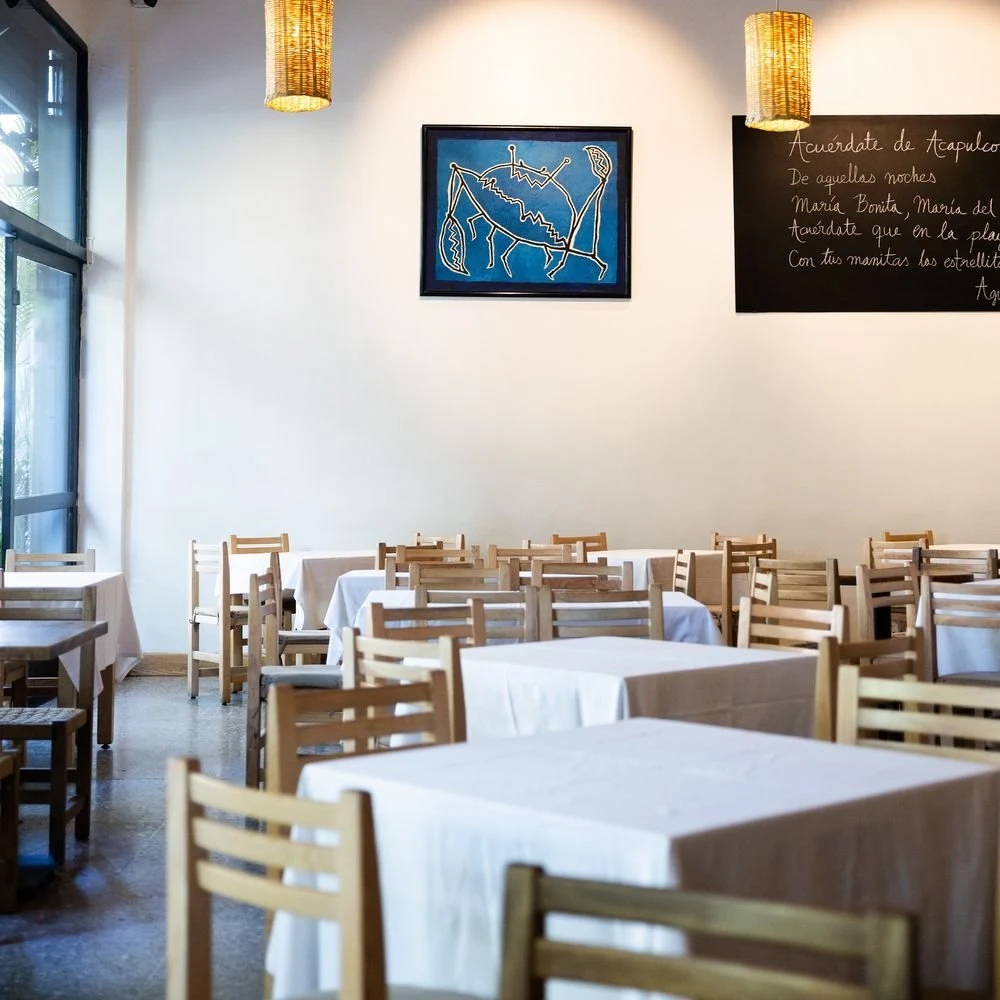
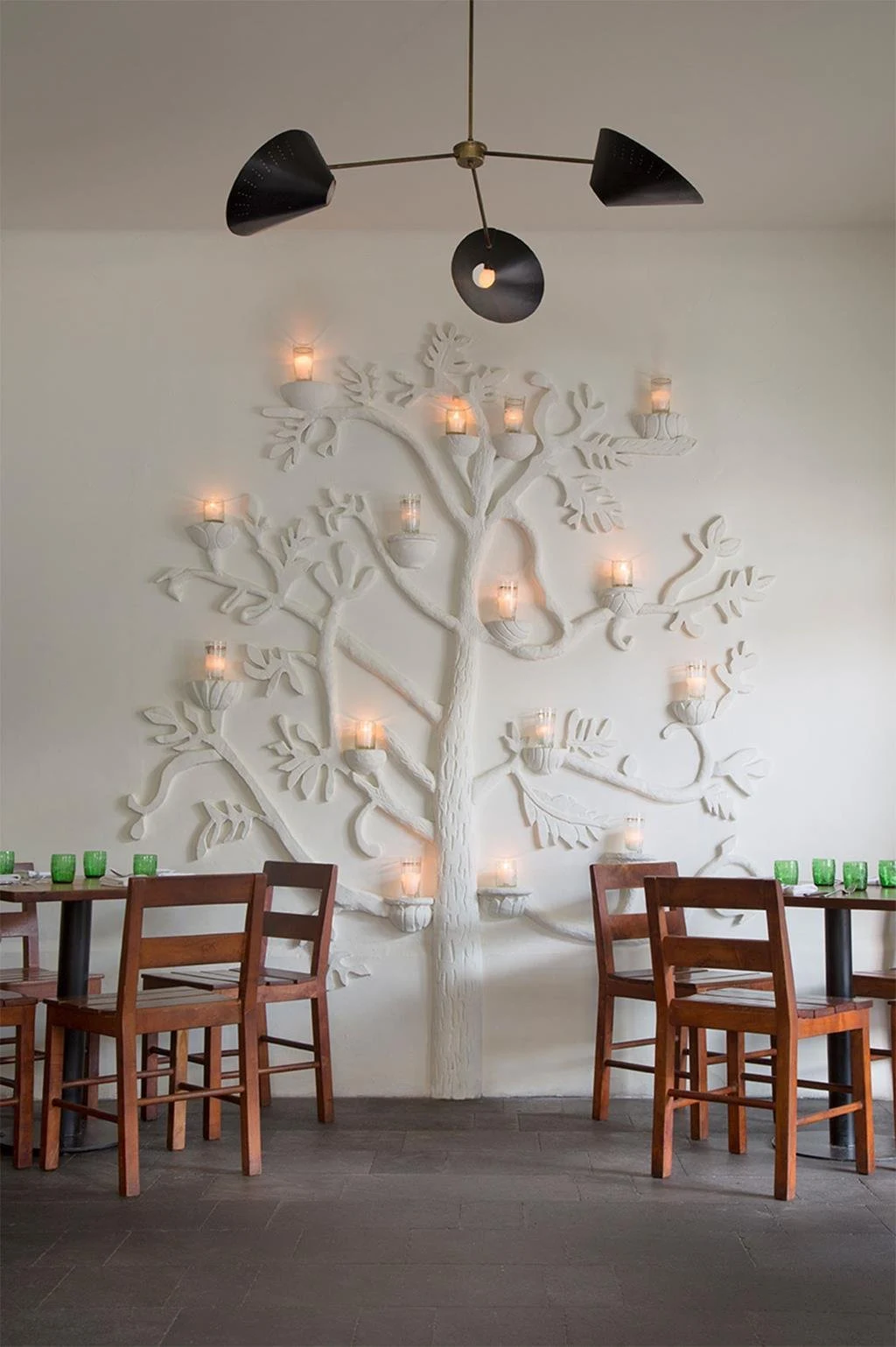
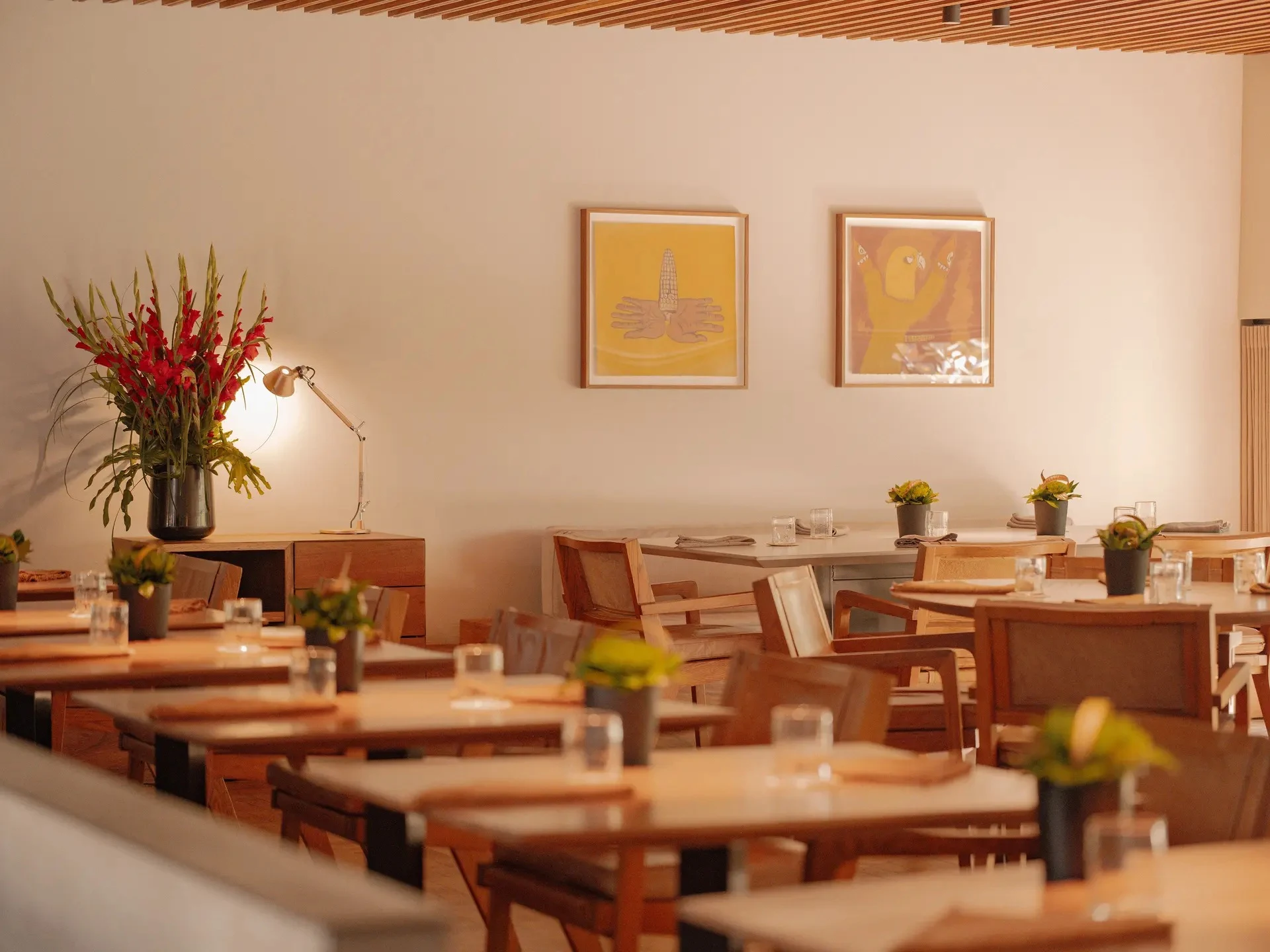
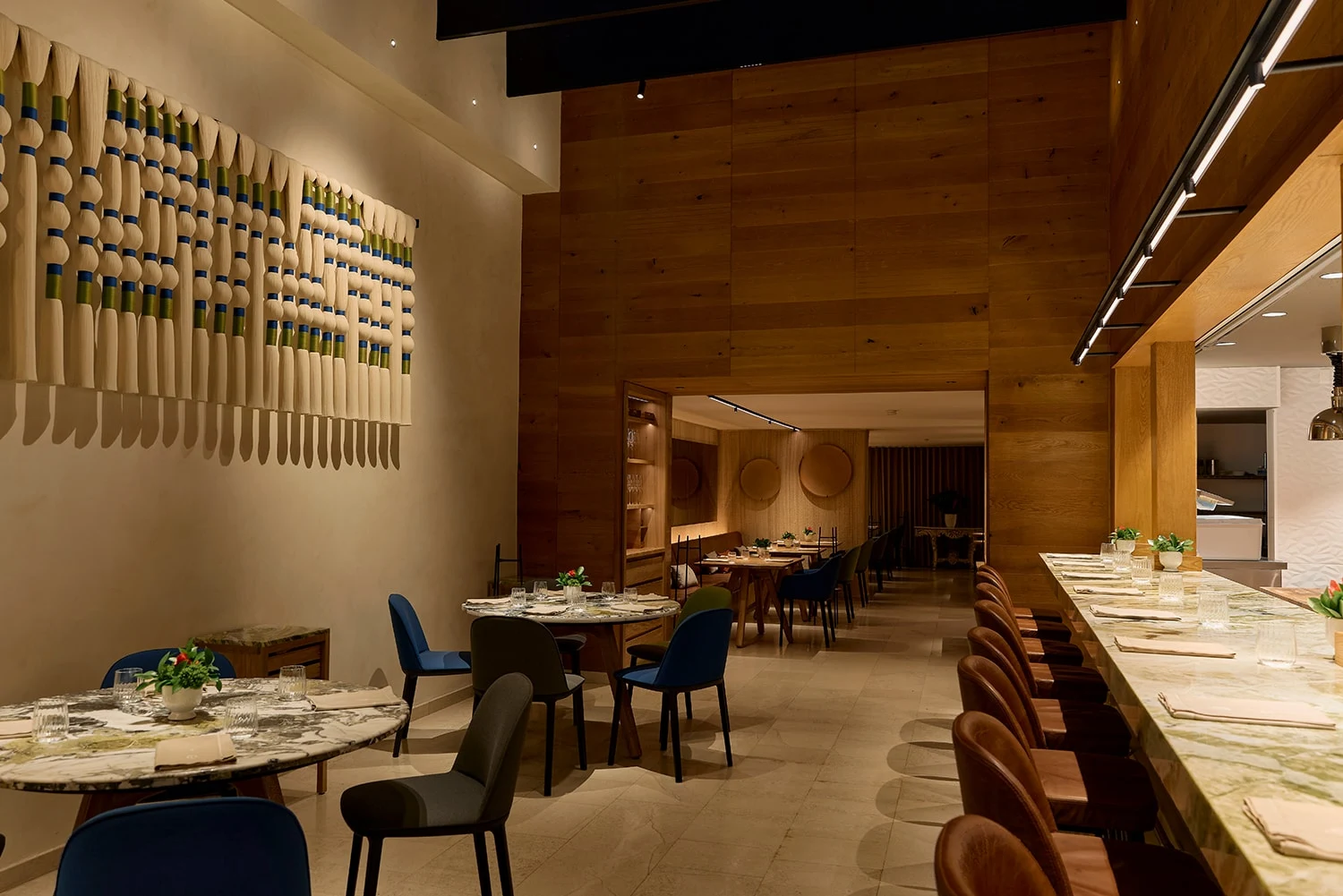
Avenida Nuevo León runs through the Hipódromo section of Colonia Condesa like a slow exhale after the density of Roma Norte. The street has a particular rhythm: wide footpaths shaded by jacarandas, ground-floor restaurants with folding glass frontages, and a late-afternoon foot traffic that is local rather than tourist-driven. Pujol and Quintonil command reservations months in advance and sit in a price tier defined by tasting menus and global press coverage. Azul Condesa operates in a different register entirely, one that rewards neighbourhood familiarity over occasion dining.
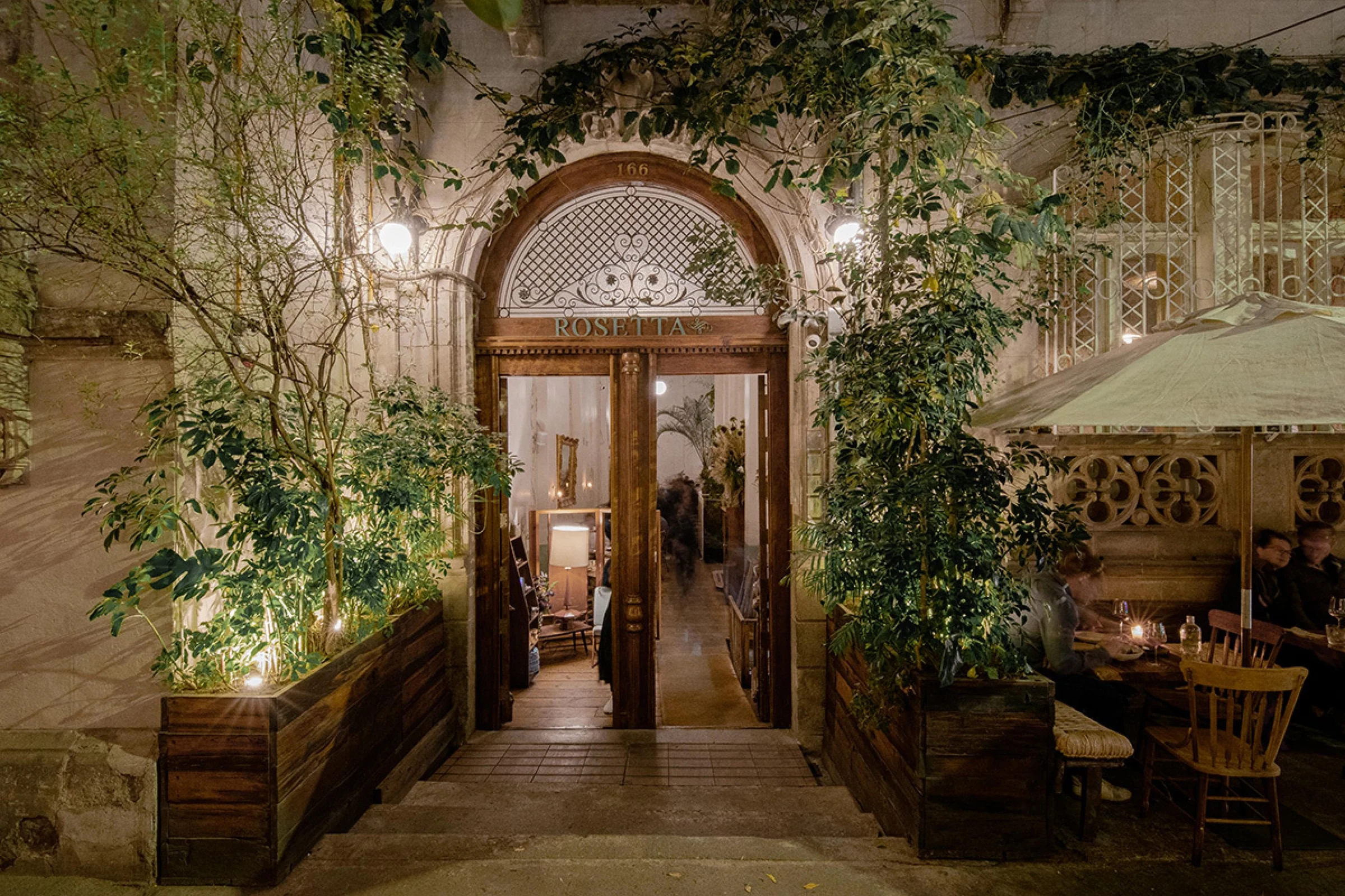
Mexico City's mid-tier dining corridor has expanded considerably in the last decade. Restaurants in the Condesa and Roma zones now occupy a competitive space between the quick-serve taquería and the multi-course tasting counter, and it is in this middle ground that cooking with genuine culinary ambition gets tested against everyday use. Rosetta on Colonia Roma has demonstrated how a chef-led neighbourhood restaurant can sustain serious attention without tasting-menu pricing. Azul Condesa positions itself along a similar axis, with Mexican cooking as its foundation.
The Condesa Dining Scene and What Shapes It
Understanding Azul Condesa requires some grounding in what Colonia Condesa has become as a dining district. The neighbourhood's Art Deco building stock, Parque México at its centre, and relative calm compared to the Centro Histórico made it attractive to a specific kind of restaurateur: one interested in building a regular clientele rather than chasing tourist volume. The result, over roughly fifteen years of concentrated investment, is a dining corridor with genuine range across price points and cooking traditions.
Mexican cooking specifically has undergone a recalibration in this city. The question of how to serve traditional technique and regional ingredient sourcing in a contemporary room, without either sanitising it for foreign audiences or presenting it as museum-piece folklore, is one that restaurants from Em to Sud 777 have answered differently. Azul Condesa sits inside this conversation rather than above it, which makes it a useful reference point for understanding what neighbourhood-level Mexican cooking looks like when it is taken seriously.
On the Wine Program: Curation in a Market Still Finding Its Footing
Mexico's wine culture has matured faster than most outside observers track. Valle de Guadalupe in Baja California now produces wines with genuine critical standing, and restaurants in Mexico City have progressively moved away from lists dominated by Chilean and Spanish imports toward a more considered domestic and regional offering. Venues like Animalón in Valle de Guadalupe and Lunario in El Porvenir sit at the production end of this shift, while urban restaurants in Mexico City are the distribution point where those bottles actually reach diners.
For a neighbourhood restaurant in Condesa, the wine list functions differently than it does at a destination counter. At a destination venue, the sommelier's role is to guide a diner through a curated experience that complements a fixed menu. At a neighbourhood restaurant, the list has to work across solo diners at the bar, couples on mid-week dinners, and larger tables covering multiple plates. That demands different curation logic: by-the-glass breadth, mid-range bottle pricing that encourages ordering rather than restraint, and enough domestic representation to make a point about where the kitchen's ingredient sourcing philosophy extends.
Mexico City's better neighbourhood restaurants have increasingly applied this thinking explicitly. The pairing of Mexican regional cooking with domestic Baja or Querétaro wines is not a novelty position in 2024; it reflects a broader market shift that restaurants elsewhere in the country, from Le Chique in Puerto Morelos to KOLI Cocina de Origen in Monterrey, have also been navigating. The sommelier or beverage lead at a restaurant like Azul Condesa is operating within that broader context, with choices that signal alignment with either the conventional import-heavy list or the newer domestic-forward approach.
The Broader Mexican Restaurant Circuit
For visitors structuring a Mexico City itinerary around serious eating, it is worth mapping where Azul Condesa sits relative to the city's full dining spectrum. The upper tier, anchored by tasting-menu destinations and Michelin Guide recognition, requires advance planning and occasion-level commitment. The neighbourhood tier, which includes Azul Condesa's Hipódromo address, allows for more flexibility and often produces meals that feel more representative of how the city actually eats.
Mexico's dining ambition extends well beyond the capital. Levadura de Olla in Oaxaca represents the regional tradition end of the spectrum, while Arca in Tulum and HA' in Playa del Carmen sit at the coastal resort end. Pangea in San Pedro Garza García and Alcalde in Guadalajara extend the picture to the north and west. Olivea Farm to Table in Ensenada connects the farm-to-table thread to the Baja wine country. For international comparison, the neighbourhood-restaurant model that Azul Condesa occupies has parallels in the kind of serious but accessible format seen at Lazy Bear in San Francisco, even if the price point and culinary tradition differ substantially.
For reference on where technically rigorous seafood-focused cooking fits within this ecosystem, Le Bernardin in New York City offers a useful counterpoint in terms of format discipline, even if the context is entirely different.
Know Before You Go
Price tier: about $45 per person
Reservations recommended
Questions
Frequently asked
Who works at Azul Condesa?
Made By profiles Ricardo Muñoz Zurita (Chef-Owner) at Azul Condesa.
How expensive is Azul Condesa?
Azul Condesa is listed at a price level of $$$.
Where is Azul Condesa and what does it serve?
Azul Condesa is in Hipodromo, Mexico City, serving Traditional Mexican Ancestral Cuisine.
The field
How it compares
| Place | Cuisine | Notes | Awards |
|---|---|---|---|
| Azul Condesa | Traditional Mexican Ancestral Cuisine | Hipodromo, $$$ | · |
| Em | Modern Japanese-Mexican Fusion | Mexico City | Michelin 1 Star, World's 50 Best |
| Máximo | Modern Mexican with French Influences | Mexico City | Michelin 1 Star, World's 50 Best |
| Pujol | Modern Mexican Fine Dining | Mexico City | Michelin 2 Stars, World's 50 Best |
| Quintonil | Modern Mexican Fine Dining | Mexico City | Michelin 2 Stars, World's 50 Best |
| Rosetta | Mexican-Italian Fusion Fine Dining | Mexico City | Michelin 1 Star, World's 50 Best |
| Sud 777 | Modern Mexican Fine Dining | Mexico City | Michelin 1 Star, World's 50 Best |
In residence
Similar places
Modern Japanese-Mexican Fusion
Em
Mexico City, Mexico
★ · 50 Best
Modern Mexican with French Influences
Máximo
Mexico City, Mexico
★ · 50 Best
Modern Mexican Fine Dining
Pujol
Mexico City, Mexico
★★ · 50 Best
Modern Mexican Fine Dining
Quintonil
Mexico City, Mexico
★★ · 50 Best
Mexican-Italian Fusion Fine Dining
Rosetta
Mexico City, Mexico
★ · 50 Best
Modern Mexican Fine Dining
Sud 777
Mexico City, Mexico
★ · 50 Best