Bar QCafé - Bistrot & Terrace
In Residence
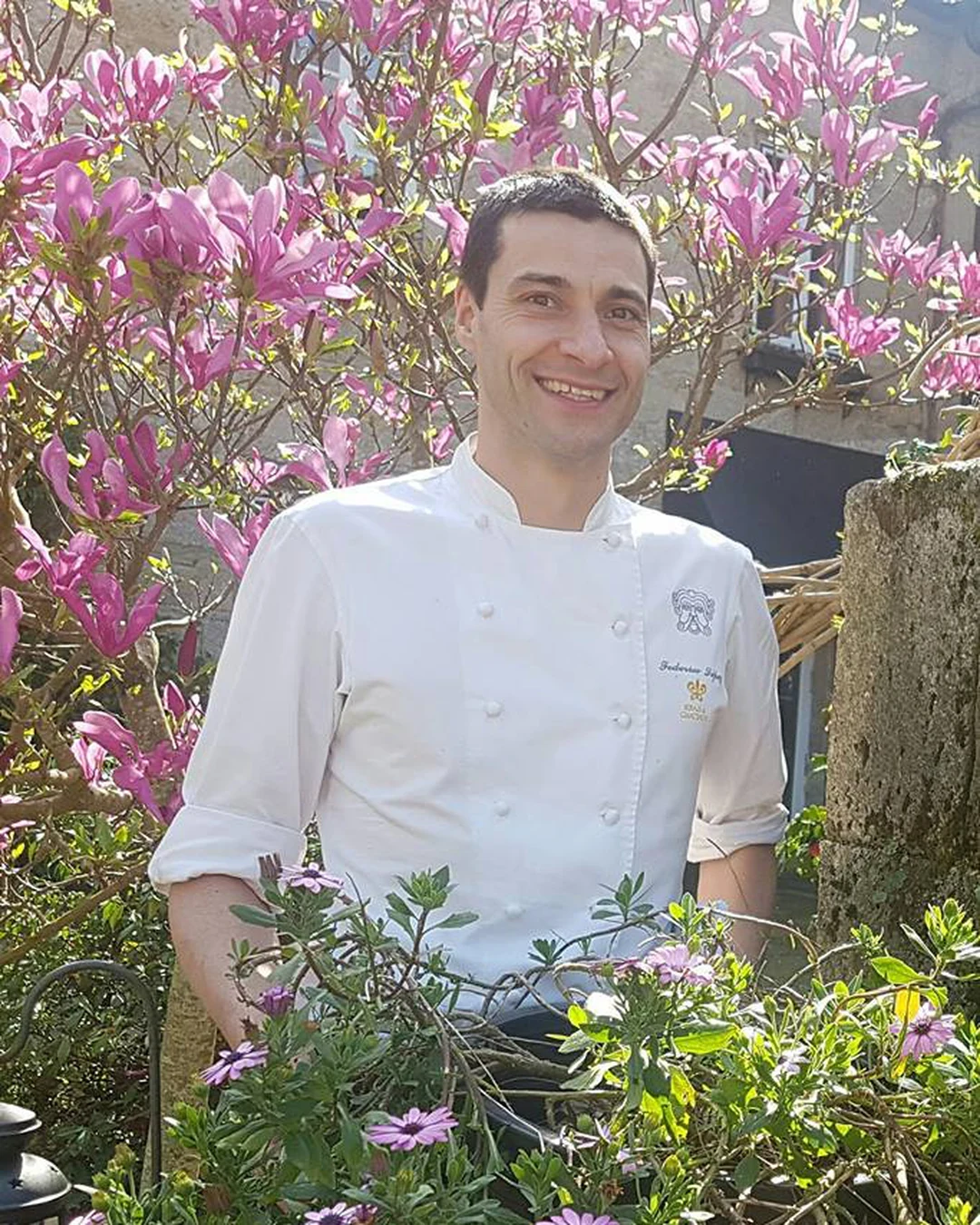
Federico López Arcay
Chef
- 01CuisineHotel bistro & café with terrace
- 02CitySantiago de Compostela, Spain
- Relais Chateaux Award · 2026
Water changes the register here. Santiago de Compostela is better known to visiting diners for granite streets, cathedral approaches and the market-driven pulse around the old town, but the terrace mood at Bar QCafé - Bistrot & Terrace belongs to a quieter strand of the city’s eating culture: coffee in the morning, something sweet in the afternoon, tapas and drinks later, with the sound of a fountain and the nearby river softening the edges of the day.
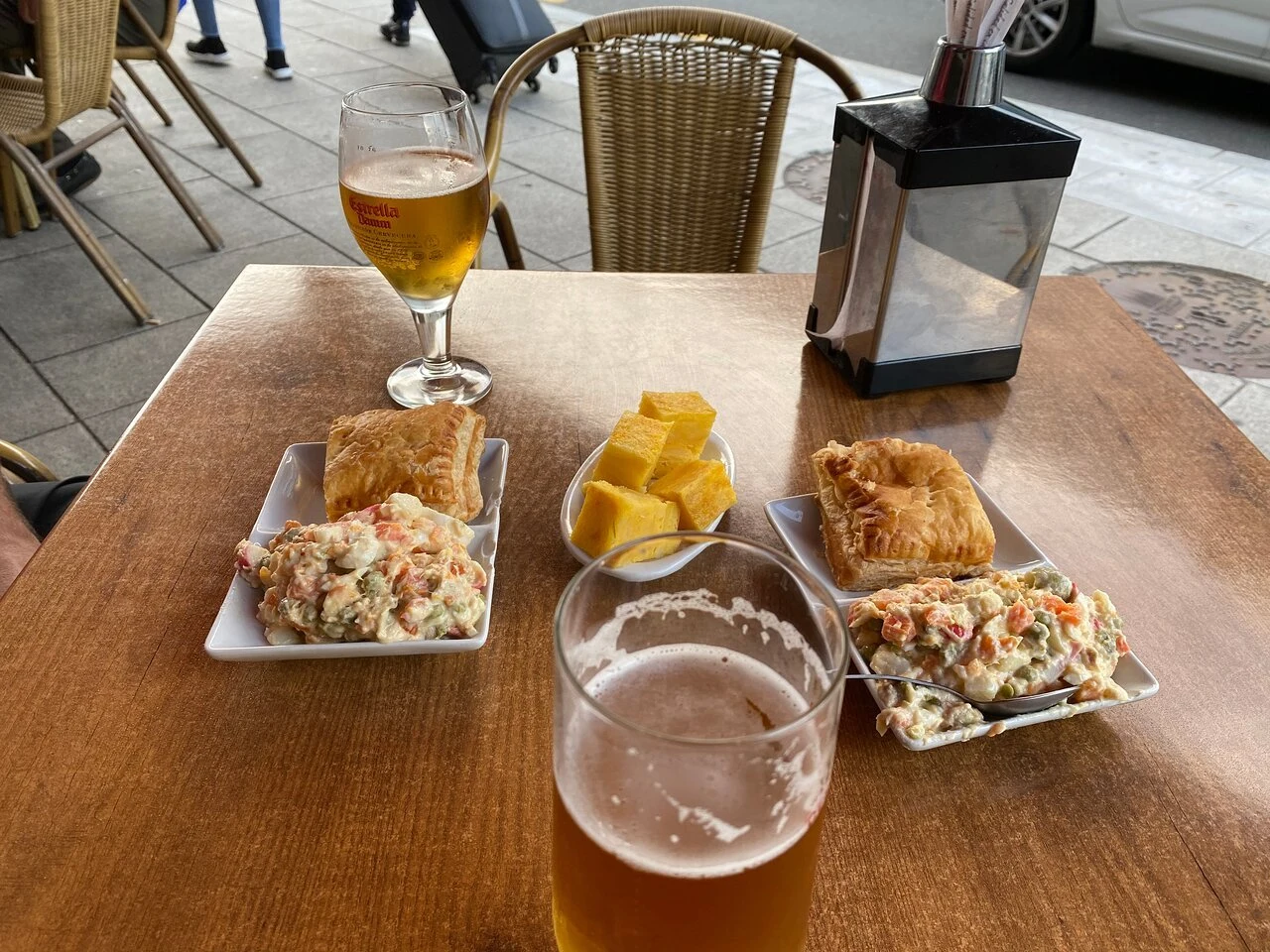
That matters in Galicia, where provenance is often discussed through shellfish, beef, peppers, bread and market counters. A bistro-style café has a different job. It does not need to compete with the city’s more formal contemporary rooms; it gives the day a place to pause between them. The French-bistrot reference is useful less as decoration than as a format: breakfast, hot chocolate, coffee, terrace seating, sweet service, simple tapas, and a rhythm that can stretch from morning into evening without forcing the meal into a tasting-menu frame.
A bistro format in a Galician city built around product
Santiago’s dining identity is unusually compact. Pilgrim traffic, university life, regional cooking and newer chef-led rooms all press into a small urban core, which is why the city rewards different meal speeds. For a sharper regional register, A Horta d'Obradoiro (Regional Cuisine) points toward Galician produce in a more defined restaurant setting, while Abastos 2.0 - Barra (Farm to Table-Tapas) sits closer to the market-counter tradition. Against those reference points, Bar QCafé - Bistrot & Terrace reads as a looser, all-day bistro-café, useful when the appetite is for a drink, a sweet stop, or tapas rather than a full restaurant sitting.
The kitchen is described as bistro-style cuisine, with Federico López Arcay named as chef. That tells the reader where to place it: not as a purist Galician casa de comidas and not as a grand French dining room, but as a hybrid café-bistrot in a city whose strongest food conversations usually begin with local ingredient quality. In this context, provenance is expressed through pace and setting as much as through a formal menu. Coffee and hot chocolate belong to the morning; artisanal ice cream and milkshakes suit the hotter months; tapas and drinks carry the format into lunch or dinner.
That flexibility is part of the point. Santiago has several restaurants that ask for a more deliberate meal plan, including A Tafona (Contemporary), A Maceta (Fusion) and A Viaxe (Fusion). A terrace-led bistrot works differently: it is for the interval between cathedral, hotel, market and evening plans, especially when the weather makes an outdoor table more persuasive than another interior dining room.
Terrace, water and the slower edge of Santiago
The physical setting carries much of the editorial weight. The address places the venue on Paseo da Amaia, away from the denser old-town restaurant circuit, and the description points to a patio fountain and a river flowing toward the Canal del Molino. In a city that can feel crowded around peak visitor hours, that water-side language signals a different Santiago: less queue-and-counter, more terrace-and-pause.
Summer is the clearest season for the format. Hot days suit cold sweets, milkshakes and terrace drinking; cooler mornings suit coffee or hot chocolate before the city gathers pace. The better comparison is not with a destination dining room but with European café culture, where the same address can handle several dayparts without asking the guest to define the occasion too tightly. Canto Redondo and The Orangerie, both outside the metro and also listed in the bistro-style category, suggest how broadly this format can travel, but in Santiago the differentiator is the Galician setting: damp Atlantic weather, stone architecture and a food culture that prizes produce without always needing ceremony.
For readers building a fuller Santiago itinerary, the bistro slot should sit alongside, not replace, the city’s more product-led meals. Use Our full Santiago de Compostela restaurants guide for dining context, then cross-check Our full Santiago de Compostela hotels guide, Our full Santiago de Compostela bars guide, Our full Santiago de Compostela wineries guide and Our full Santiago de Compostela experiences guide to see where a quieter terrace break fits between meals, stays and cultural plans.
How to read this address against Spain's broader bistro map
Spain’s casual dining vocabulary is not short on tapas bars, cafés and terraces, but the bistro label does specific work when it is handled with discipline. It suggests shorter decision-making, familiar dayparts and a room that can host both solitary coffee and a group drink. That is different from the more scripted destination formats found across the country, from "B de J" in Madrid and 12 Tapas in Castilleja de la Cuesta to 144. in Vitoria-Gasteiz, 1742 in Ibiza, 1860 Tradición in Elciego and 1881 per Sagardi in Barcelona.
The international parallels are useful too. Artefact, Bistro-style cuisine in Québec and Avaton Bar, Bistro-style cuisine in Halkidiki show how the same broad category can bend toward hotel culture, resort rhythm or local produce depending on place. In Santiago, the stronger reading is as a retreat-format café-bistrot, where the terrace, water and all-day structure are the reason to go.
The Sunday letter
Get new places like Bar QCafé - Bistrot & Terrace every Sunday.
One email a week with the restaurants, bars and hotels we have just written up, and the people who run them.
One email a week. Unsubscribe from any issue.
Questions
Frequently asked
Who works at Bar QCafé - Bistrot & Terrace?
Made By profiles Federico López Arcay (Chef) at Bar QCafé - Bistrot & Terrace.
How expensive is Bar QCafé - Bistrot & Terrace?
Bar QCafé - Bistrot & Terrace is listed at a price level of $$$.
Where is Bar QCafé - Bistrot & Terrace and what does it serve?
Bar QCafé - Bistrot & Terrace is in Santiago de Compostela, serving Hotel bistro & café with terrace.
The field
How it compares
| Place | Cuisine | Notes | Awards |
|---|---|---|---|
| Bar QCafé - Bistrot & Terrace | Hotel bistro & café with terrace | $$$ | · |
| A Tafona | Modern Galician Fine Dining | Santiago de Compostela | Michelin 1 Star |
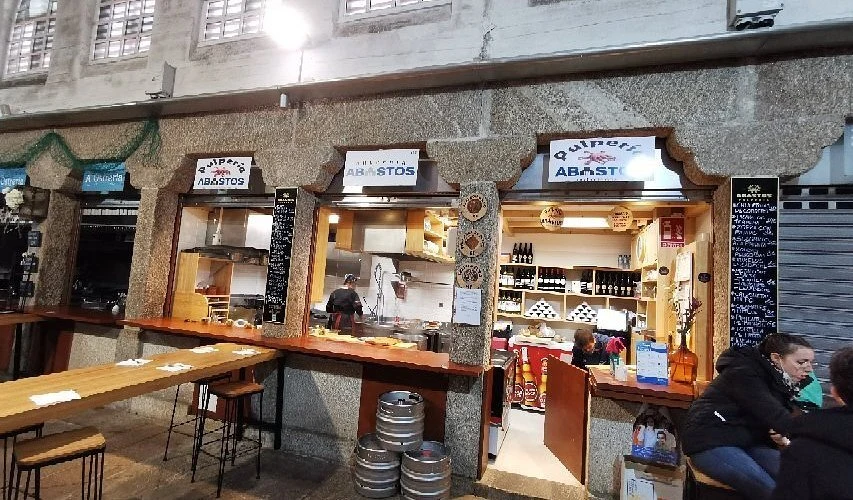
| Abastos 2.0 - Mesas | Modern Galician Market Cuisine | Santiago de Compostela | · |
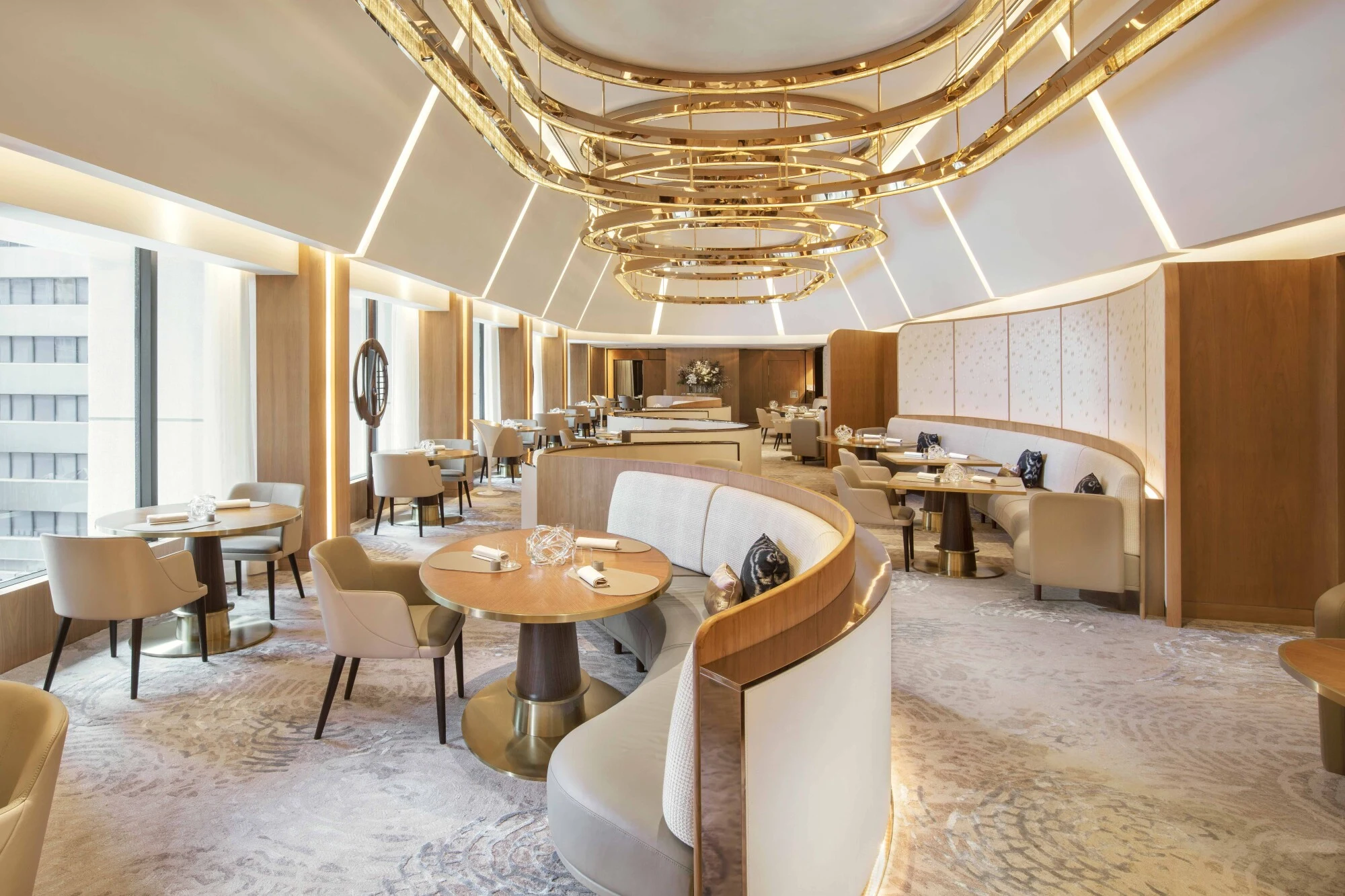
| Amber | Contemporary French Fine Dining | Hong Kong | Michelin 3 Stars, World's 50 Best |
| Anaco | Contemporary Galician Seasonal Cuisine | Santiago de Compostela | · |
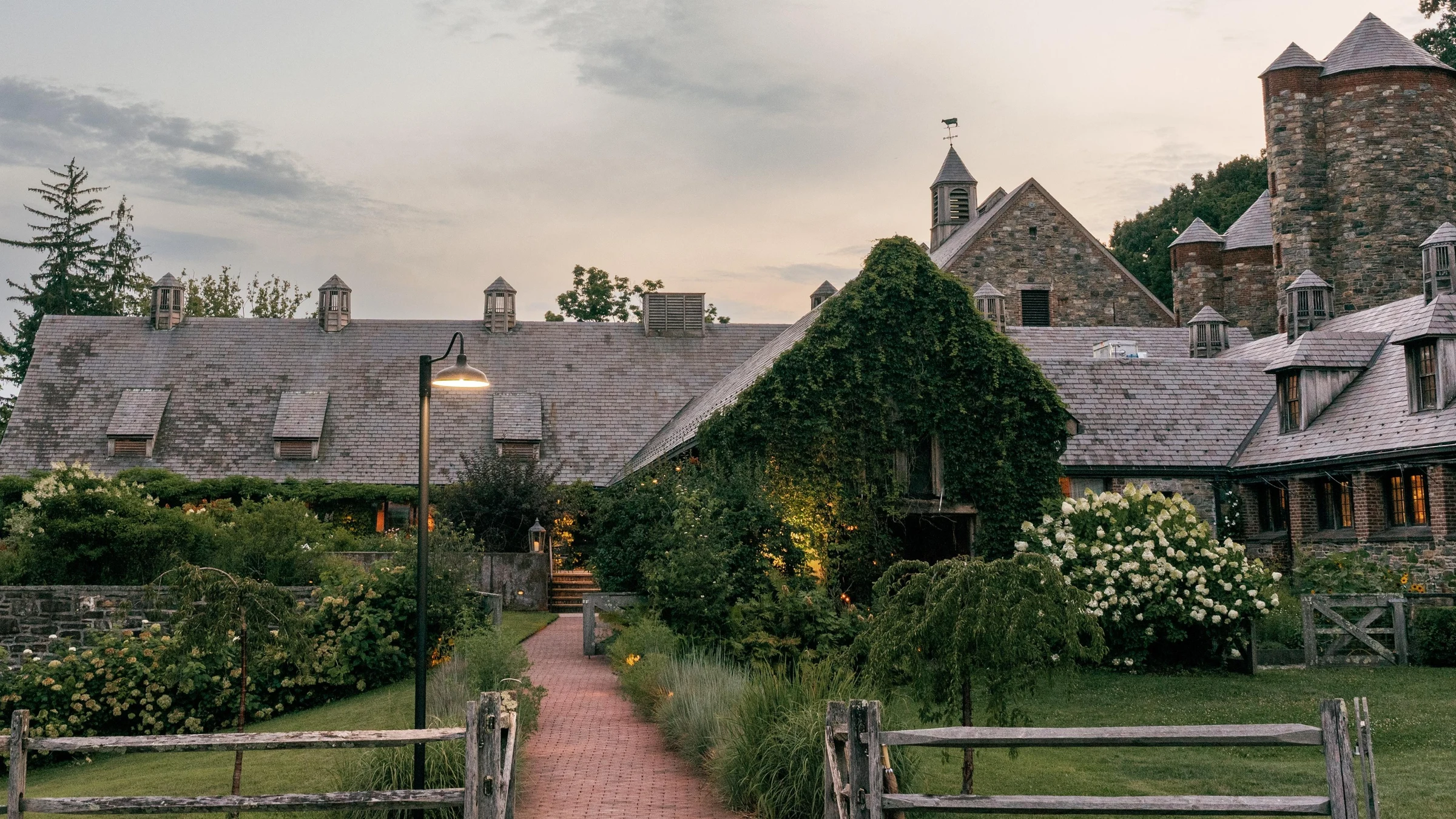
| Blue Hill at Stone Barns | Farm-to-Table Fine Dining | Tarrytown | Michelin 2 Stars, World's 50 Best |
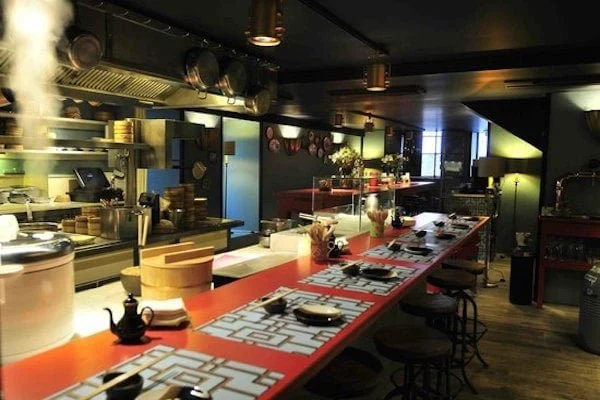
| Casa Marcelo | Modern Galician-Japanese Fusion Tasting Menu | Santiago de Compostela | Michelin 1 Star |
In residence
Similar places
Modern Galician Fine Dining
A Tafona
Santiago de Compostela, Spain
★
Modern Galician Market Cuisine
Abastos 2.0 - Mesas
Santiago de Compostela, Spain
Contemporary French Fine Dining
Amber
Hong Kong, Hong Kong
★★★ · 50 Best
Contemporary Galician Seasonal Cuisine
Anaco
Santiago de Compostela, Spain
Farm-to-Table Fine Dining
Blue Hill at Stone Barns
Tarrytown, United States
★★ · 50 Best
Modern Galician-Japanese Fusion Tasting Menu
Casa Marcelo
Santiago de Compostela, Spain
★
The Sunday letter
Get the next Made By story in your inbox.
We send one email every Sunday morning with the places and people we covered that week.
One email a week. Unsubscribe from any issue.