Cabernet raised in new French oak
- Falstaff Winery - Listed · 2026
Bottling brought back under the roof
The bottle became part of the cellar decision in 1924. Baron Philippe de Rothschild, winemaker at Baron Philippe de Rothschild in Pauillac, put that responsibility inside the estate, tying the wine’s provenance to the place that grew and raised it. He had taken control in 1922, inheriting a Left Bank house whose name had been fixed in 1853, when Nathaniel de Rothschild bought Brane Mouton and set the family name on the wine. Baron Philippe’s move was practical before it was symbolic: maturation, bottling, and presentation no longer passed out of the château’s hands at the decisive moment. The estate, not the merchant, carried the final act.
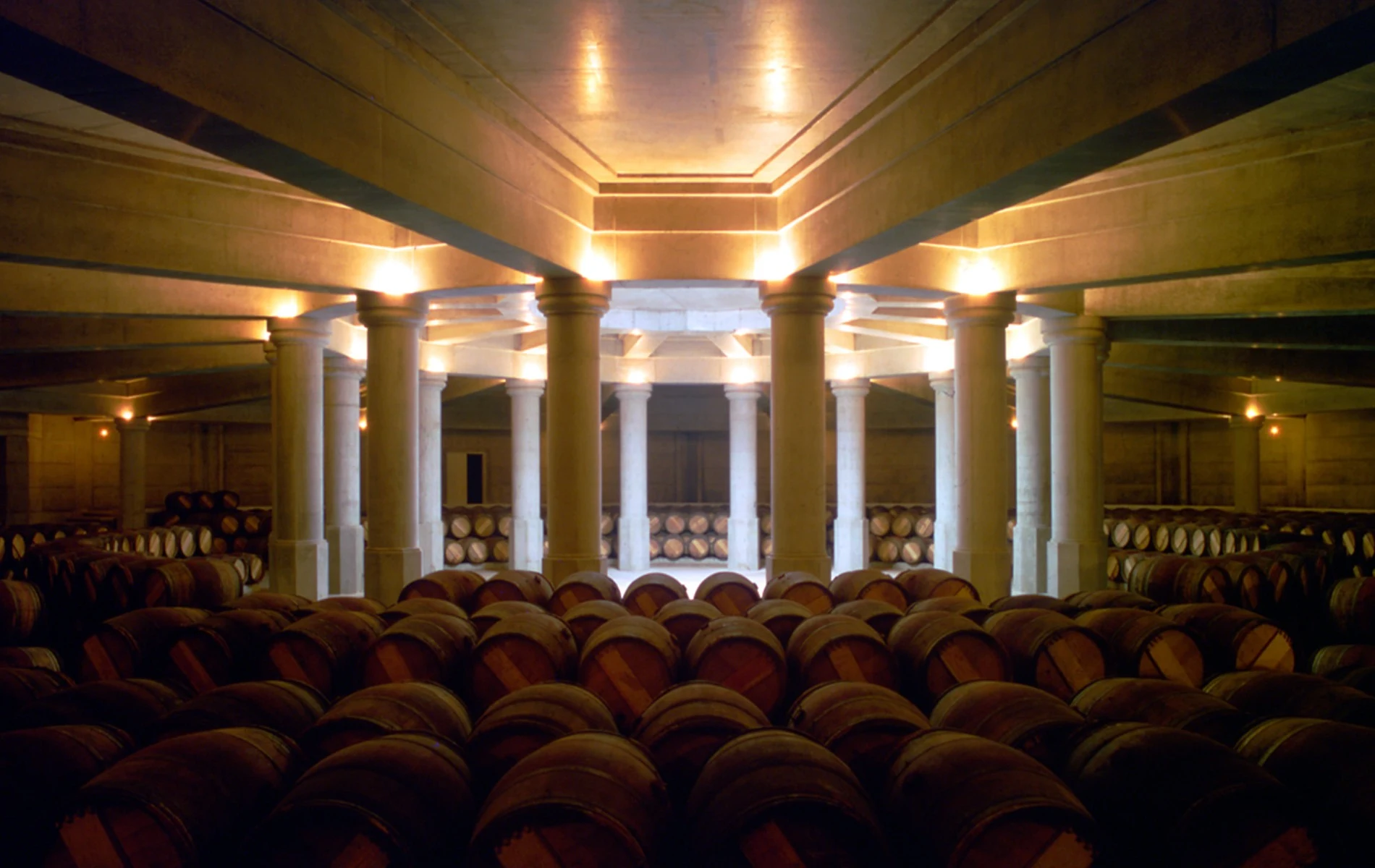
That conviction shaped more than cellar routine. In 1926, Baron Philippe built the Grand Chai, a 100-meter first-year cellar that still gives the property one of its clearest working signatures. In 1932, Mouton-Cadet extended the name into another register, made for wider circulation but still held close to the discipline of house identity. From 1945, the labels became another bench of authorship, with artists including Braque, Dalí and Picasso attached to vintages. The gesture did not soften the wine’s seriousness. It made the bottle answerable to more than one craft.
Cabernet on gravel, wood in the cellar
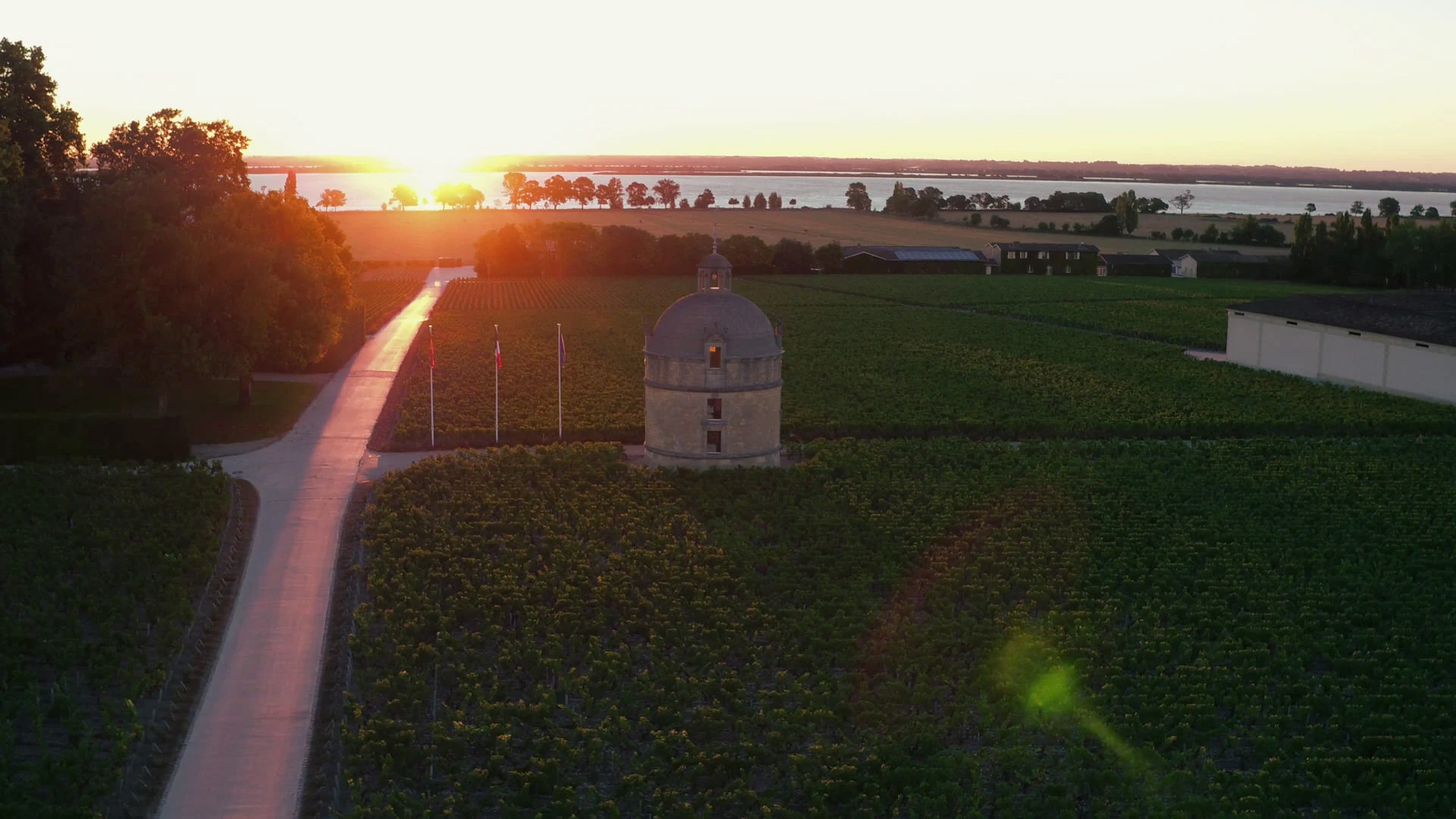
The vineyard sits in the Pauillac AOC, on around 205 acres of vines, and the blend starts with Cabernet Sauvignon. The estate gives the planting as 81% Cabernet Sauvignon, 15% Merlot, 3% Cabernet Franc and 1% Petit Verdot, a grammar that suits northern Pauillac’s gravel: structure first, then flesh, perfume, and dark seasoning. The fruit is harvested by hand, so selection begins before the grapes reach the vats.
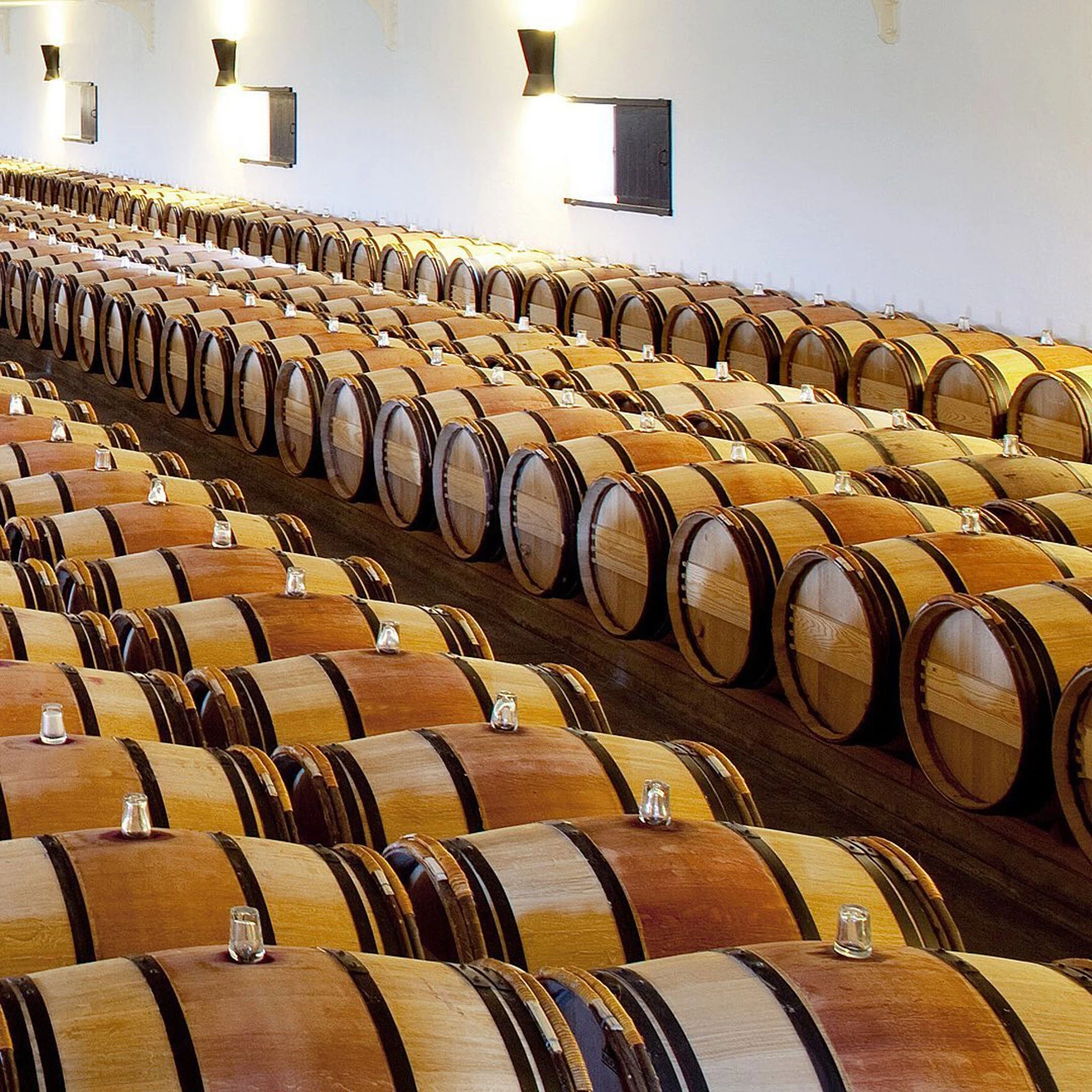
Inside the cellar, fermentation takes place in 64 large temperature-controlled wood vats, each holding 225 hectoliters. Malolactic fermentation follows in tank. The wine then goes to 100% new French oak barrels for an average of 19 to 22 months, a long élevage that asks the barrel program to give frame without taking the wine away from its Cabernet line. The method is not presented as novelty here. It is a sequence of control points: vine, hand, vat, tank, barrel, bottle.
The Grand Chai as working architecture
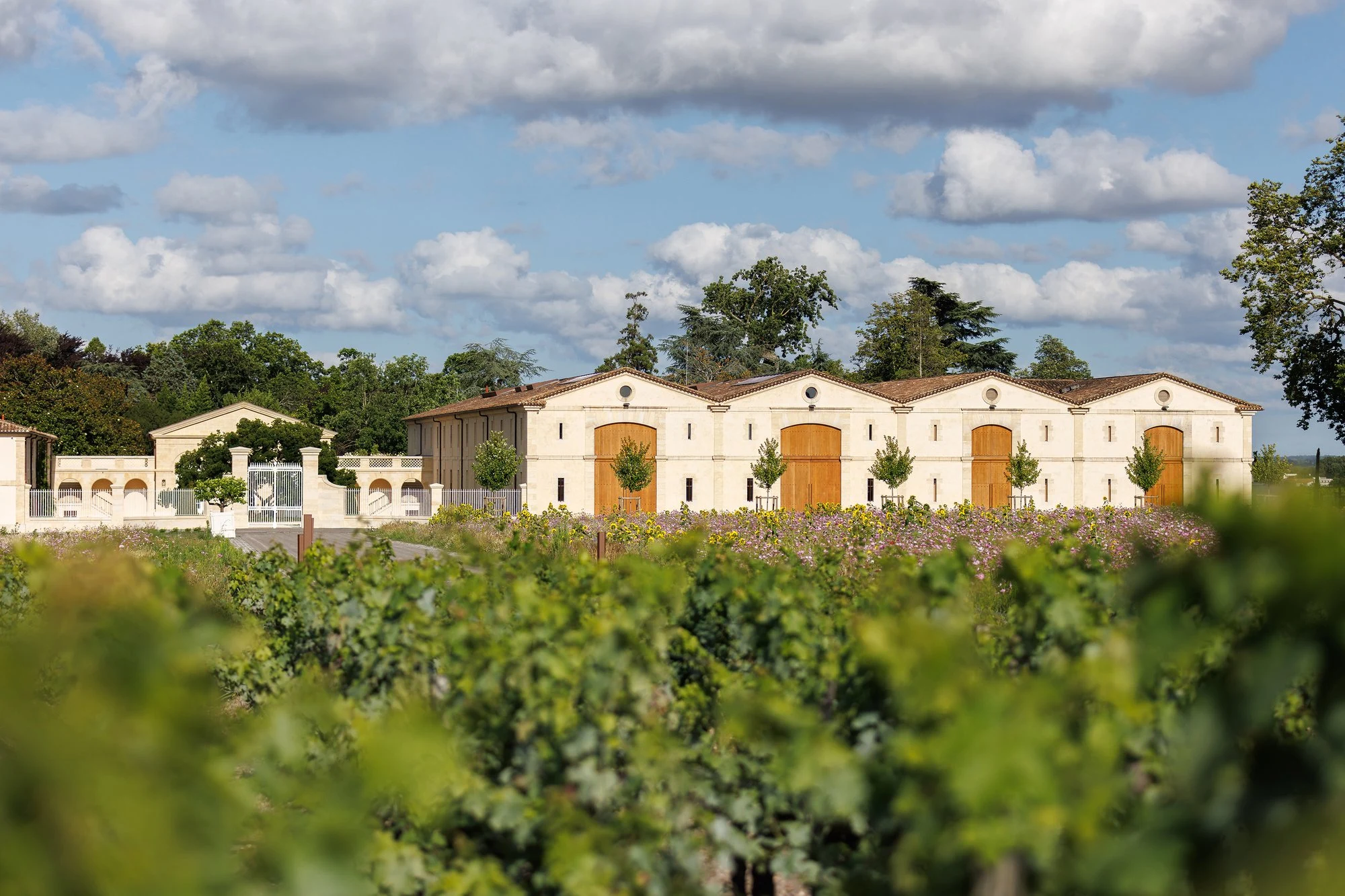
The room carries its authority quietly. In the Grand Chai, the scale is apparent before the detail: a 100-meter cellar built for first-year aging, barrel after barrel held in ordered lines, the architecture made to serve maturation rather than spectacle. The vineyard outside is not a backdrop. It is the reason the building has weight, because the gravel of Pauillac and the cellar program meet in the same house.
Art is close by, but it does not turn the winery into a gallery first. The labels, the cellar buildings, and the family history sit around the work, not in place of it. In 1973, Mouton’s recognition as a First Growth fixed one public measure of the estate’s standing; the daily measure remains Cabernet Sauvignon moving through wood, tank, barrel, and the Grand Chai.
Questions
Frequently asked
What is Baron Philippe de Rothschild known for?
Baron Philippe de Rothschild is known for bringing bottling back under the estate roof, for the Grand Chai built in 1926, and for labels that have featured artists including Braque, Dalí and Picasso since 1945.
What is the wine style based on here?
The estate’s blend is built on Cabernet Sauvignon, with 81% Cabernet Sauvignon, 15% Merlot, 3% Cabernet Franc and 1% Petit Verdot. The fruit comes from Pauillac gravel and is handled through hand harvesting, fermentation in large temperature-controlled wood vats, and ageing in 100% new French oak barrels for an average of 19 to 22 months.
Do visits need to be booked in advance?
Yes. Baron Philippe de Rothschild operates on an appointment-only basis.
Is there parking at the winery?
Yes. There is an on-site parking lot.
The field
How it compares
| Place | Notes | Awards |
|---|---|---|
| Baron Philippe de Rothschild | Pauillac, $$$$ | · |
| Chateau Lafite Rothschild | Pauillac | · |
| Château Latour | Pauillac | · |
| Chateau Mouton Rothschild | Pauillac | World's 50 Best |
| Château Pichon Longueville Baron | Pauillac | World's 50 Best |
| Château Pichon-Longueville-Comtesse-de-Lalande | Pauillac | · |
| Château Pontet-Canet | Pauillac | · |