- Falstaff Winery - Listed · 2026
Approaching wine country around Siena, the mood changes quickly: stone towns, vineyard slopes, and the slow geometry of Tuscan agriculture begin to set the terms of the visit. Bartali belongs to that older rhythm. This is not a sleek tasting-room concept grafted onto a famous wine region; it is a Tuscan winery and cycling-heritage experience where Sangiovese, family continuity, and the countryside around Siena form the point of the encounter.
The stronger read here is terroir rather than spectacle. The experience is built around still red wines, guided tasting, wine-tour structure, and food pairing, with the Bartali story adding cultural framing. In a region where wine tourism can drift into generic villa scenery, this format has a clearer spine: the land explains the wine, and the cycling narrative gives visitors another route into local memory.
Sangiovese, galestro soils, and the Chianti-side logic of the tasting
Tuscan red wine is never only about grape variety. Sangiovese changes shape according to slope, soil, and the discipline of the cellar, which is why Siena’s surrounding countryside remains so useful for travelers trying to understand central Italian wine beyond labels. Bartali works from an estate context associated with clay, limestone, and galestro, the friable schistous soil often discussed in relation to Sangiovese structure. Warm summers and cooler winters create the long season that the grape needs for ripeness without surrendering acidity.
The estate history reaches back to 1927, a date that matters less as nostalgia than as a marker of continuity in a region where landholding, vineyard memory, and family transmission shape production choices. The vineyard base is described as 15 hectares within an 80-hectare farming estate, a scale large enough to support a broad hospitality format while remaining tied to estate identity. Production is centered on Sangiovese, with Chianti DOCG traditionally drawing on Sangiovese supported by Canaiolo, while Brunello di Montalcino DOCG is framed through 100 percent Sangiovese.
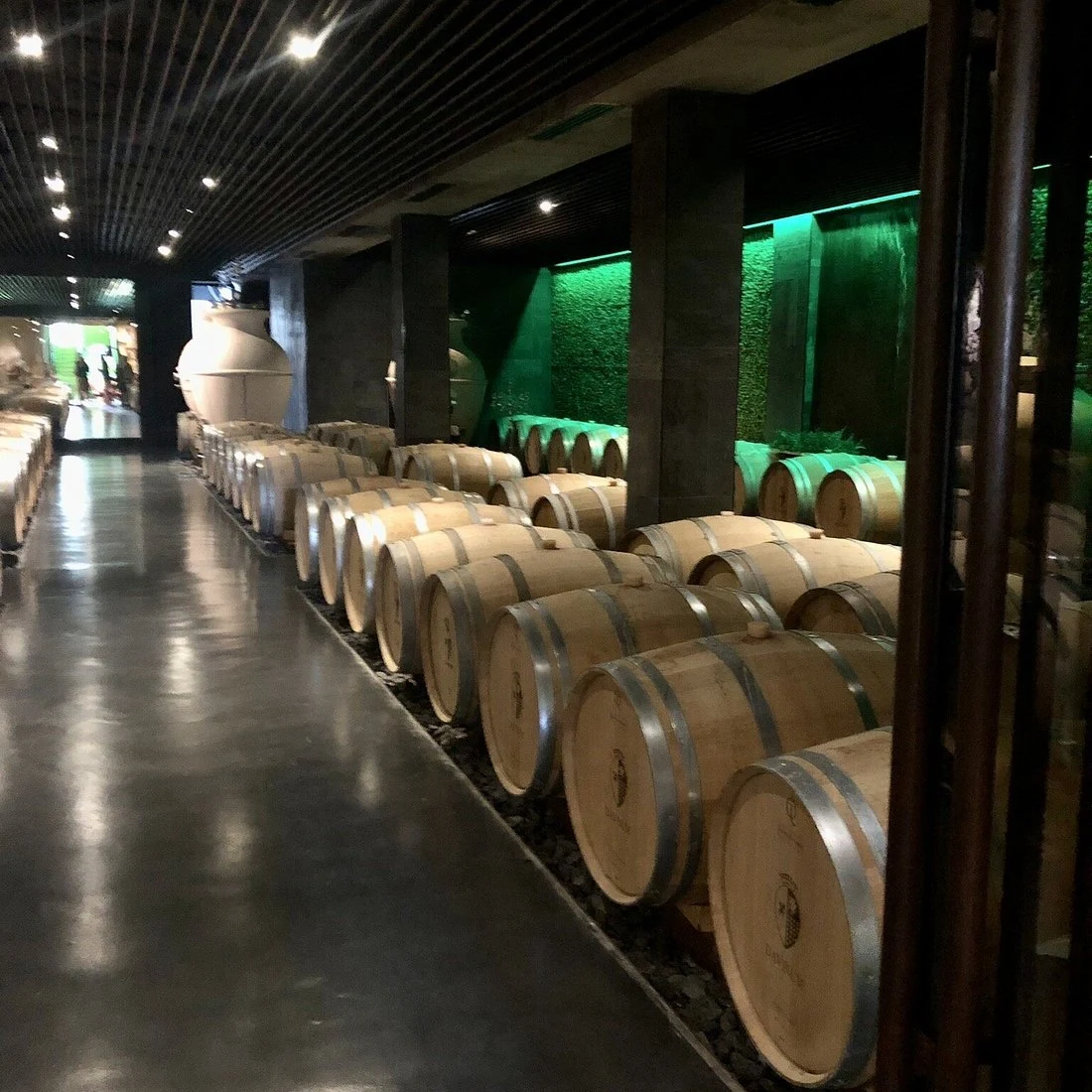
Those distinctions are useful for visitors. Chianti reads through blend, freshness, and regional table culture; Brunello reads through longer aging, greater structure, and the stricter identity of Sangiovese on its own. Bartali’s production notes point to manual harvest timing between late September and early October, soft pressing, controlled fermentation at 15–16°C, and pump-overs during fermentation. Brunello aging is listed at at least 24 months in oak casks followed by a minimum of 6 months in bottle before release. These are the details that separate a serious tasting from a scenic pour.
The estate’s listed annual production is about 600 hectolitres, roughly 80,000 bottles. That figure places the operation away from micro-production romance and also away from industrial anonymity. For travelers, that middle scale can be valuable: enough volume to show range, enough agricultural grounding to keep the tasting anchored in place.
Cycling heritage gives the wine tour a second Tuscan language
Siena and its countryside already carry heavy cultural freight: medieval townscapes, agricultural roads, and dining rooms where wine is part of the meal rather than a separate performance. Bartali adds cycling heritage to that frame, linking the wine experience to Gino Bartali’s legacy and to the broader Italian habit of treating sport, landscape, and local identity as overlapping subjects. The result is educational without becoming museum-like.
The format is especially suited to groups and travelers who want the visit to move beyond a glass-by-glass recital. Guided tasting and wine-tour elements give structure, while food pairing keeps the wines in their Tuscan context. That matters in Siena, where Sangiovese makes far better sense beside meat, beans, aged cheeses, and rustic cooking than it does as a standalone luxury object. The countryside setting, historic-building cues, and estate grounds place the wines within an agricultural rather than urban frame.
The atmosphere should be read as casual and conversational, not formal tasting-salon territory. The tone suggested by the format is classic, rustic, and instructional, with vineyard and street-scene views shaping the visit. It is not positioned for children, and the experience is better matched to adults who want wine education, a special-occasion outing, or a group stop with a Tuscan cultural angle.
Within a Siena itinerary, Bartali sits most naturally alongside other wine-led planning rather than as a substitute for the city’s restaurants, bars, or hotels. Travelers comparing regional options can use Our full Siena wineries guide as the broader map, then widen the lens with Our full Siena restaurants guide, Our full Siena hotels guide, Our full Siena bars guide, and Our full Siena experiences guide. Nearby winery reading includes Bocelli Wines, Campriano - Ranuccio Neri, Certosa di Belriguardo, Tenuta di Vico d'Arbia e Larniano, and Tenuta Larnianone.
How to place Bartali in a serious Siena wine day
The right use of Bartali is as a terroir-and-heritage stop, not as a quick retail tasting. The listed visit type is by reservation, and the tour duration is 90 minutes, which is long enough to fold in site context, guided tasting, and the cycling story without consuming the entire day. The price level sits at $$$, so the value case rests on format: wine education, food pairing, and a countryside setting rather than a simple glass flight.
For a full day, pair the experience with a meal in Siena rather than stacking too many tastings. Sangiovese rewards attention, and the differences between Chianti structure, Riserva depth, IGT flexibility, and Brunello aging are easier to understand when the palate is not overloaded. The practical advantage here is focus: one grape family, one Tuscan frame, several expressions.
Readers planning beyond Tuscany can compare how regional wine identities shift elsewhere in Europe and Italy through 3GP SRL in Treviso, 47 Anno Domini in Trebaseleghe, A Mano Wine in Noci, »der Steiner« Hans Steiner in Podersdorf am See, and & Handwein in Mannheim. Bartali’s appeal is narrower and clearer: Siena countryside, Sangiovese-led reds, food pairing, and a cycling-history layer that gives the tasting a cultural route through Tuscany.
Questions
Frequently asked
Who works at Bartali?
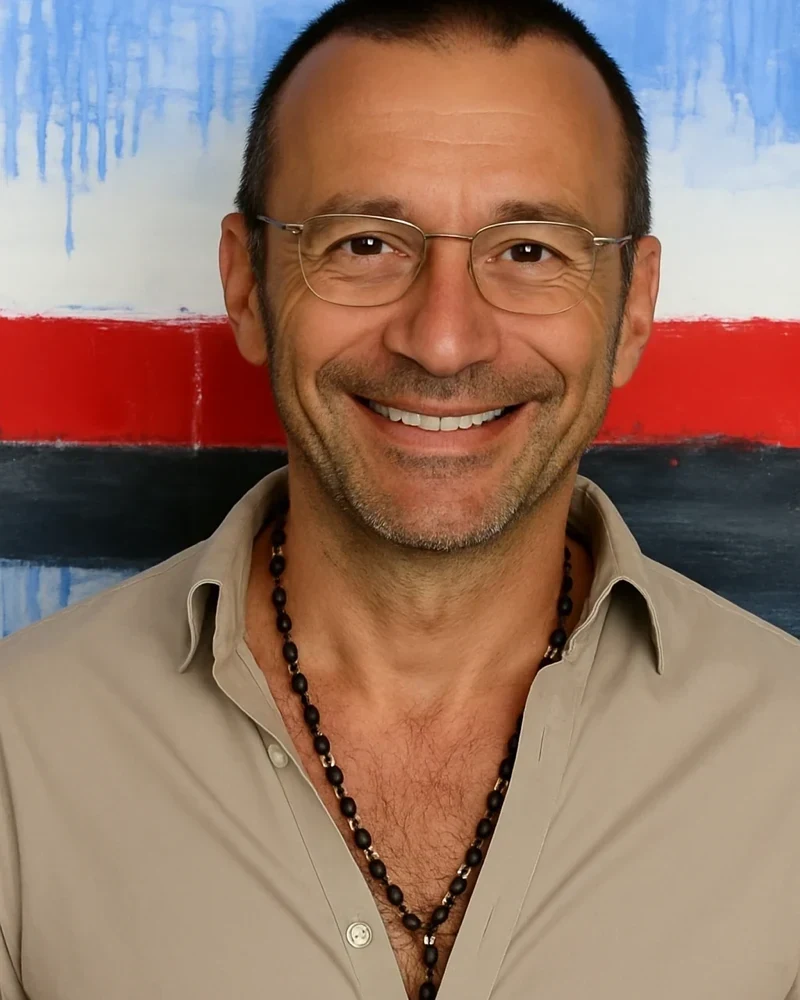
Made By profiles Alberto Bartali (Winemaker) at Bartali.
How expensive is Bartali?
Bartali is listed at a price level of $$$.
The field
How it compares
| Place | Notes | Awards |
|---|---|---|
| Bartali | Siena, $$$ | · |
| Bocelli Wines | Siena | · |
| Campriano - Ranuccio Neri | Siena | · |
| Certosa di Belriguardo | Siena | · |
| Château Smith Haut Lafitte | Martillac | World's 50 Best |
| Tenuta di Vico d'Arbia e Larniano | Siena | · |
| Tenuta Larnianone | Siena | · |