One Barolo, large neutral botti
- Falstaff Winery - 5 Stars · 2026
Fruit first, then the cellar
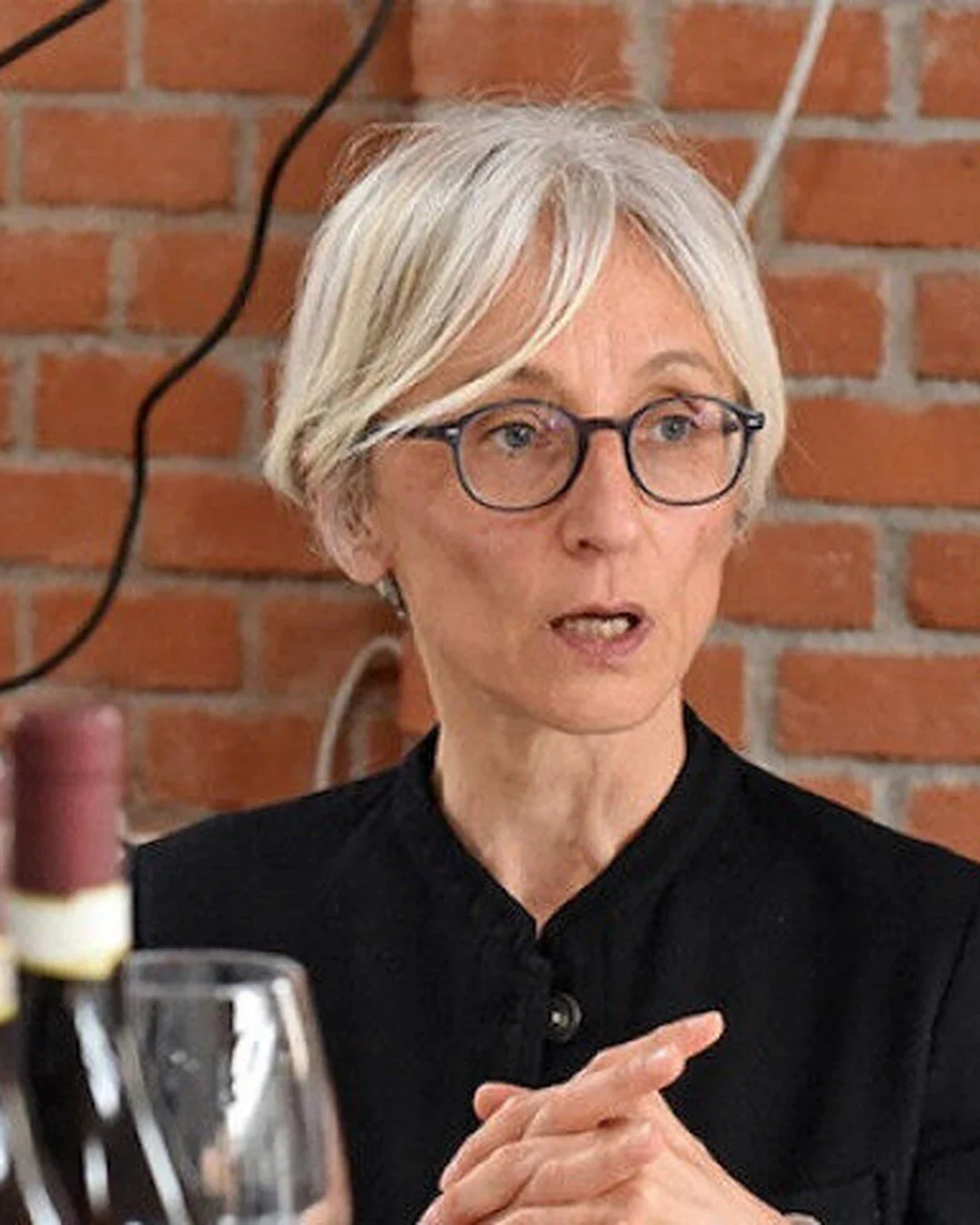
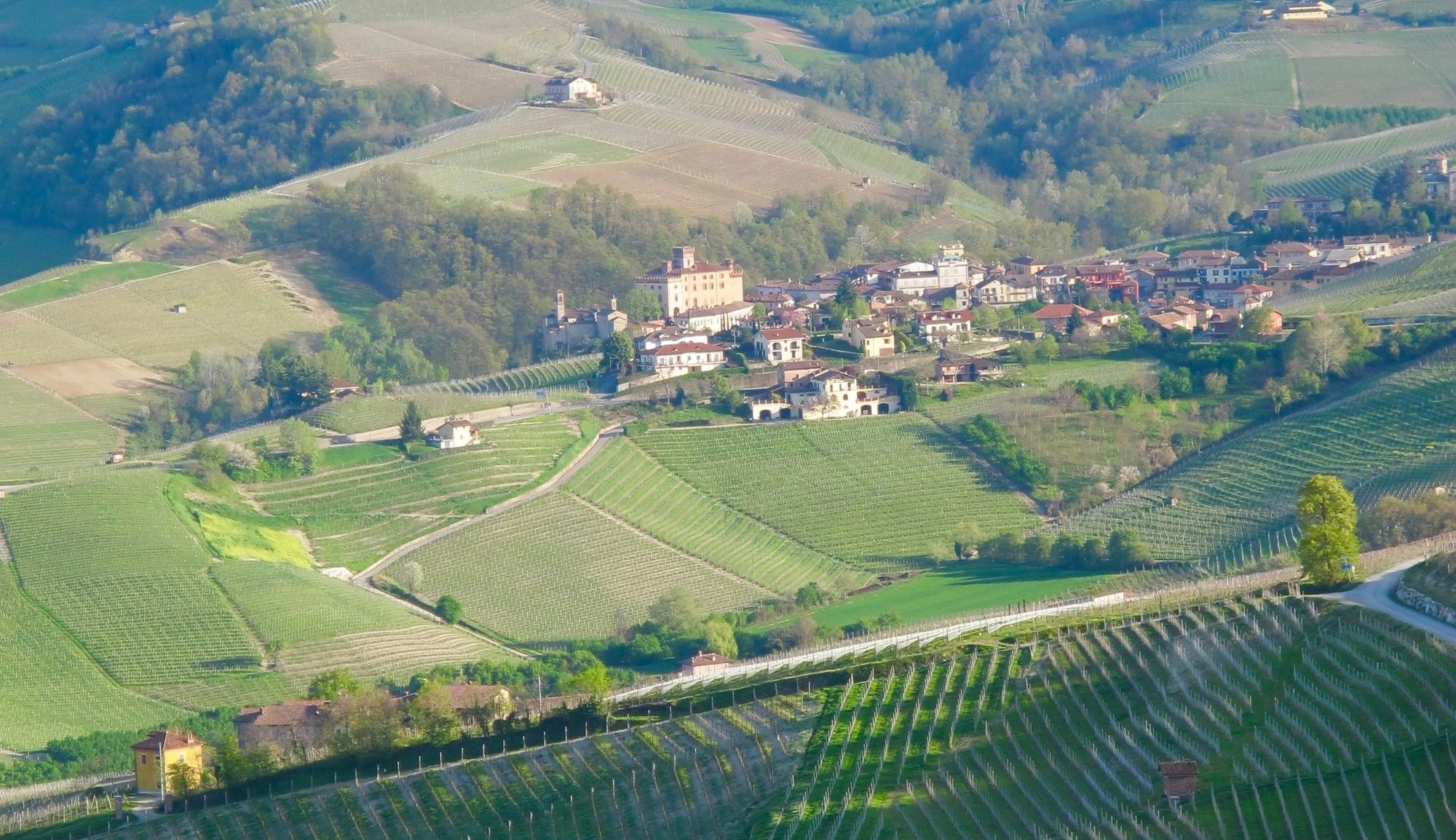
The first decision is made in the vineyard, before a tank is filled. Maria Teresa Mascarello, owner-winemaker at Bartolo Mascarello in Barolo, keeps the house’s Barolo tied to grape condition before cellar display. She worked as winemaker here from 1993 to 2005, then became owner-winemaker in 2005, carrying forward the family method at a small estate whose official inception dates to 1918. The lineage is named plainly in the cellar’s own history: Bartolomeo Mascarello worked as cellar master at the Barolo Co-operative Winery; Giulio Mascarello began bottling under the family name after the co-operative closed; Bartolo Mascarello held the line through the region’s turn toward barrique and single-site branding. Maria Teresa inherited not a style sheet, but a discipline of repetition. The estate remains human-scale at 5 hectares, with steep hillside vineyards in Barolo and La Morra. The work favors healthy, ripe fruit, indigenous fermentation, large neutral wood, and a blended idea of Barolo in which the finished wine carries the season rather than a cellar signature.
One Barolo from four sites
The house makes one blended Barolo from Canubbi, San Lorenzo, Rue, and Rocche di Annunziata, a position that matters because it resists the single-cru logic that reshaped much of the appellation. The fruit ferments in old concrete tanks with indigenous yeasts. Maceration runs 30 to 50 days, depending on the vintage, using cappello sommerso after early pump-overs so the cap remains submerged and extraction stays slow. After pressing in an old basket press, the wine ages in large, untoasted Slavonian oak botti for 2.5 to 3 years. These vessels are neutral by design; they do not give Nebbiolo the toast and vanilla of new small oak. The cellar also holds older chestnut vessels, part of the same low-tech grammar. Barolo is bottled three years after the September harvest, then held for another year before release. Barbera, Dolcetto, Freisa, and Langhe Nebbiolo remain part of the wider bench, but the estate’s central argument is still the single Barolo.
Concrete, botti, and little theatre
The cellar in central Barolo has the quiet of a working room that has not been rearranged for spectacle. Old concrete tanks set the tempo. Large neutral botti take up the visual weight. There is little modern technology to soften the impression, and that absence is part of the method rather than a pose. The tasting room and cellar sit close to the labor, not apart from it, so the visitor reads the place through vessels, stains, and handwork rather than polish. The famous “No Barrique, No Berlusconi” label belongs to this atmosphere: not decoration, but an argument written by Bartolo Mascarello and folded into the bottles at random. Maria Teresa’s current work keeps that argument practical, vintage by vintage, inside the concrete tanks and botti of Bartolo Mascarello.
Questions
Frequently asked
Who runs Bartolo Mascarello today?
Maria Teresa Mascarello is the owner-winemaker at Bartolo Mascarello in Barolo. She worked as winemaker there from 1993 to 2005 and became owner-winemaker in 2005.
What is the winery known for?
Bartolo Mascarello is known for a traditional blended Barolo made from Canubbi, San Lorenzo, Rue, and Rocche di Annunziata. The estate has also held to a family approach that resisted barrique and single-site branding.
How is the Barolo made?
The fruit ferments in old concrete tanks with indigenous yeasts. Maceration runs for 30 to 50 days, then the wine ages in large, untoasted Slavonian oak botti for 2.5 to 3 years before being bottled three years after the September harvest and held for another year.
Can visitors drop in without arranging ahead?
Visits are by appointment only.
The field
How it compares
| Place | Notes | Awards |
|---|---|---|
| Bartolo Mascarello | central Barolo, $$$$ | · |
| Bric Cenciurio | Barolo | · |
| Fratelli Serio & Battista Borgogno | Barolo | · |
| G.D. Vajra | Barolo | · |
| Luca Marenco Viticoltore | Barolo | · |
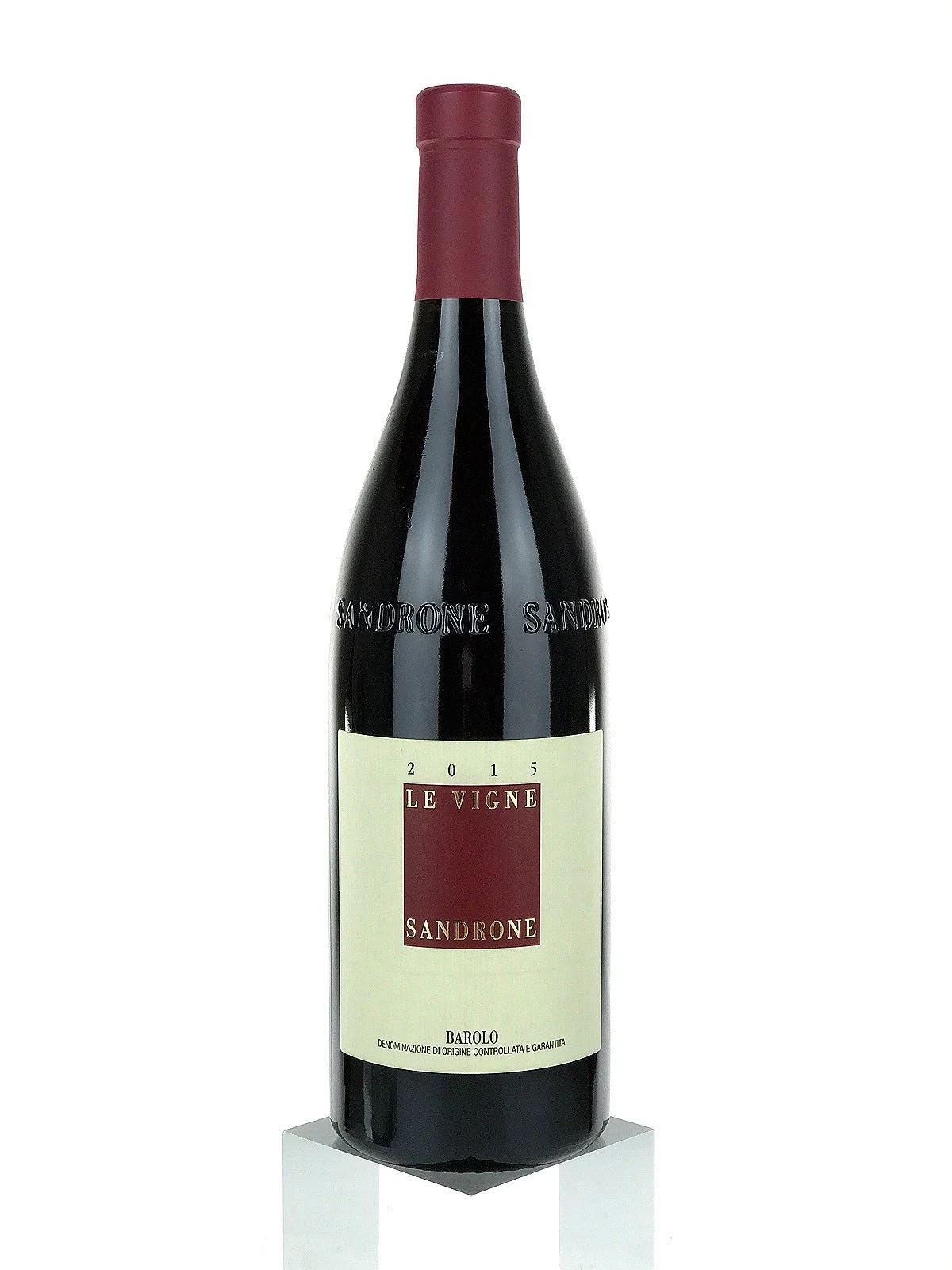
| Luciano Sandrone | Barolo | · |
| Marchesi di Barolo | Barolo | World's 50 Best |