- Falstaff Winery - 3 Stars · 2026
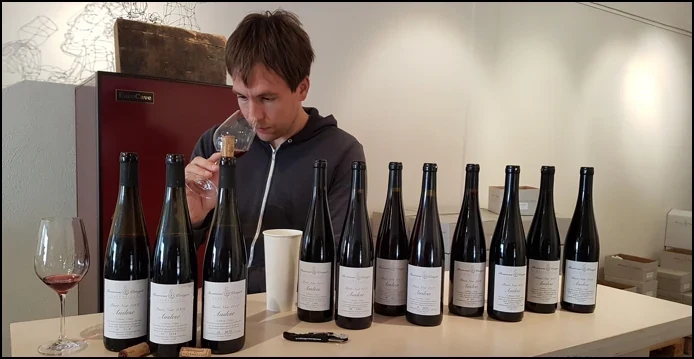
Baumann Weingut is best understood as a direct village winery in Oberhallau rather than as a large wine-tourism complex. The picture is simple: a rural, family-run Swiss winery atmosphere, with a friendly and down-to-earth feel, focused on cellar-door wine sales and tastings. That makes it a useful stop for visitors who want a direct encounter with a local producer setting, without expecting an elaborate hospitality programme.
Because the confirmed information is limited, the most honest way to frame Baumann Weingut is also the most practical. This is not a page where specific grape varieties, individual vineyard parcels, tour formats, ownership details, opening history, or awards can be treated as verified. What can be said is that the venue belongs to the small-winery side of the Swiss countryside experience: modest in tone, local in feel, and centred on tasting and buying wine at the cellar door.
Oberhallau atmosphere, kept deliberately simple
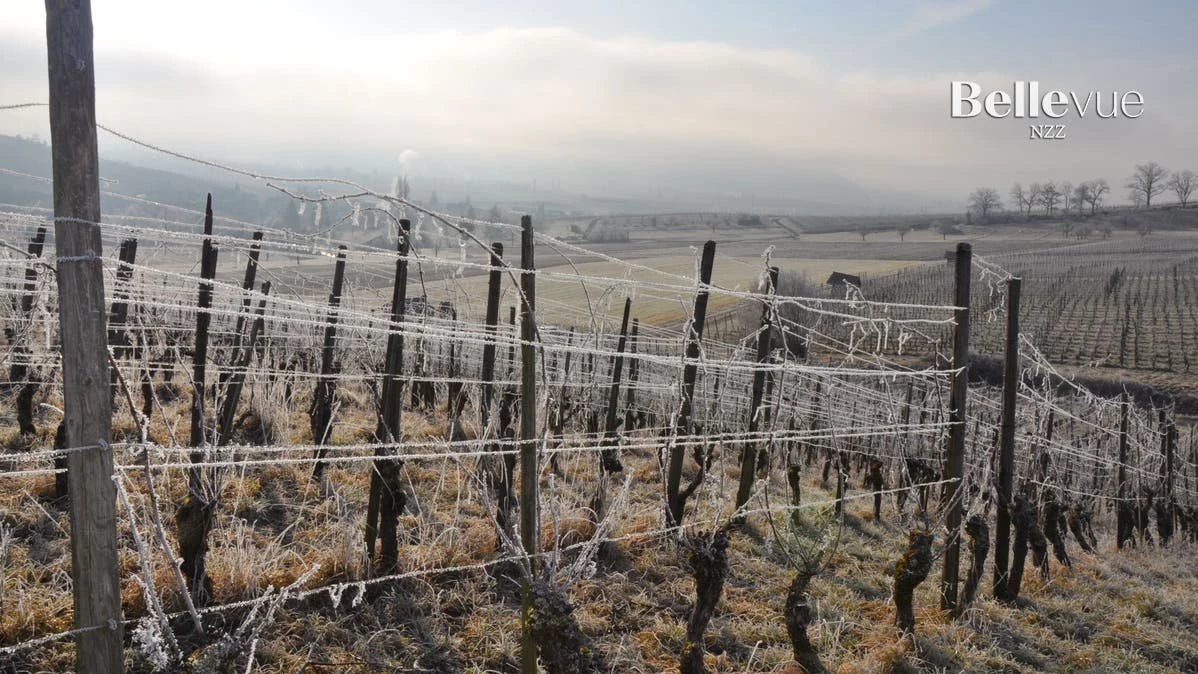
Oberhallau gives the venue its essential context. Baumann Weingut is presented as part of a rural village setting, where the appeal is less about spectacle and more about an everyday connection between place, wine, and producer. Visitors should expect a grounded atmosphere rather than a polished destination built around extensive tourism infrastructure.
That distinction matters. Some wine venues are designed as full visitor attractions, with broad programming and a highly staged sense of arrival. Baumann Weingut is better approached as a smaller, more direct cellar-door experience. The confirmed emphasis is on wine sales and tastings, which means the visit is most naturally shaped around sampling, asking basic questions, and deciding what to buy, rather than building a day around a complex schedule of services.
The mood is also part of the value. The description points to a friendly, down-to-earth feel typical of a small Swiss winery in a village environment. For travellers who prefer informality over ceremony, that can be the main reason to choose it. The attraction is not an announced accolade, a famous dining room, or a luxury format; it is the chance to encounter Baumann Weingut in a direct local setting.
A cellar-door format without resort theatre
The safest expectation for Baumann Weingut is a focused cellar-door visit. The available information supports tastings and direct sales, but it does not support claims about specific vineyard tours, garden visits, group policies, languages, opening times, parking, payment methods, delivery, seating capacity, or detailed booking rules. Those details may matter for planning, but they should be checked directly before relying on them.
This also means the experience should not be oversold. It should be treated as a winery with a simple public-facing purpose: tasting and buying wine in Oberhallau. That narrower premise is still useful, especially for travellers who are more interested in the character of a small producer than in a packaged attraction.
The price level is listed as $$, which gives a broad sense of positioning without implying exact bottle prices, tasting fees, or special packages. Because no specific menu, wine list, or tasting tariff, the price marker should be read only as a general guide. Visitors who need precise costs should confirm them with the winery before making firm plans.
For a wider day in Oberhallau, Baumann Weingut can be paired with other local options in a general itinerary, but the winery itself should remain the anchor if the goal is wine. The appeal is strongest when expectations are kept modest and practical: a rural cellar-door stop, a family-run atmosphere, and a chance to taste and purchase wine directly from the venue.
Where Baumann fits in a Swiss wine itinerary
Baumann Weingut makes the most sense for travellers who value directness. It is not being presented here through confirmed awards, rankings, signature bottles, famous names, or architectural claims. Instead, its identity rests on the basics that: Oberhallau, a rural family-run winery atmosphere, cellar-door tastings, direct wine sales, and a $$ price level.
That can be enough. In a wine itinerary, not every stop needs to be a headline destination. A smaller winery can provide a useful counterpoint to more formal or more heavily marketed experiences, especially when the visitor wants a grounded sense of place. Baumann Weingut fit that quieter role: approachable, practical, and rooted in its village setting.
The editorial case for Baumann Weingut is therefore clear but intentionally narrow. Choose it for a low-key Oberhallau winery visit centred on tasting and direct purchase. Do not choose it on the assumption of a confirmed restaurant service, detailed tour programme, specific grape focus, published awards, or luxury visitor infrastructure. With expectations set correctly, the venue’s strength is its simplicity: a friendly, rural cellar-door experience in Oberhallau.
Questions
Frequently asked
Who works at Baumann Weingut?
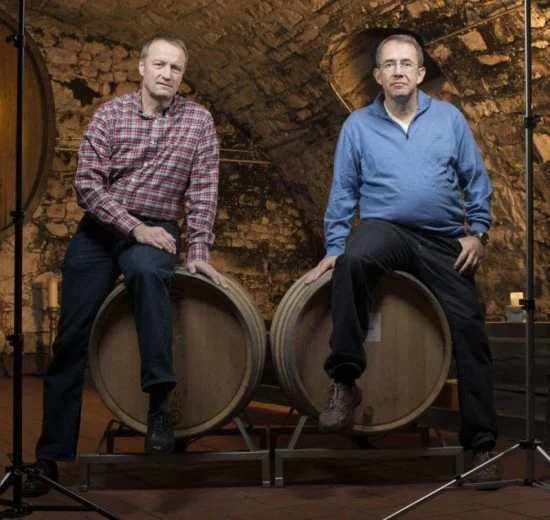
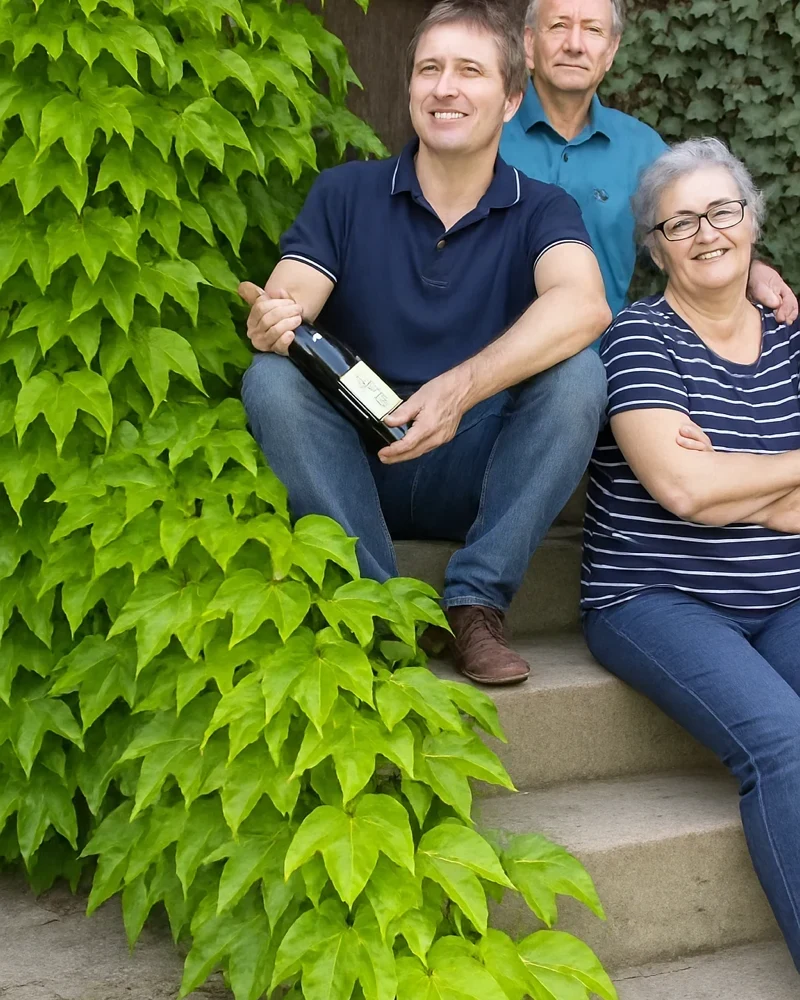
Made By profiles Beatrice Baumann (Winemaker), Peter Baumann (Winemaker) and Ruedi Baumann (Winemaker) at Baumann Weingut.
How expensive is Baumann Weingut?
Baumann Weingut is listed at a price level of $$.
The field
How it compares
| Place | Notes | Awards |
|---|---|---|
| Baumann Weingut | Oberhallau, $$ | · |
| Château La Mission Haut-Brion | Talence | · |
| Domaine Hubert Lamy | Saint-Aubin | · |
| Domaines Barons de Rothschild (Lafite) | Bordeaux | · |
| Felton Road Wines | Bannockburn | World's 50 Best |
| Klemenz Weine | Oberhallau | · |
| Masi | Sant'Ambrogio di Valpolicella | · |