Made ByWinery

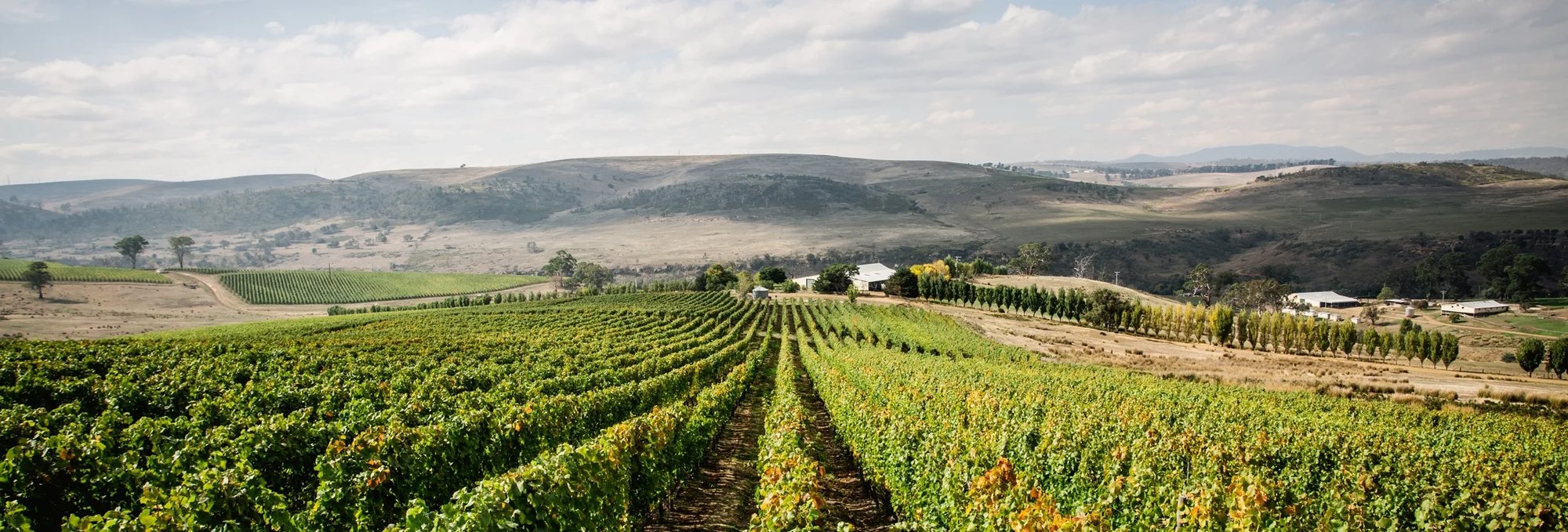
Ben Glaetzer, winemaker at Ben Glaetzer in Tanunda, South Australia, shapes Ebenezer Shiraz into restrained Barossa reds there.
At a glance
- Price
- $$$
- Neighborhood
- Tanunda
Ebenezer fruit in Ben Glaetzer’s hands
Old-vine Shiraz sets the first decision. Ben Glaetzer, winemaker at Ben Glaetzer in Tanunda, works from Ebenezer fruit rather than a wide regional net, keeping the cellar’s attention on the northern Barossa Valley. The modern family winery began in 1996, when Colin Glaetzer established a small-volume house for Barossa red wines; Ben now carries that line as a third-generation winemaker, with Adelaide University training behind him and a career that also included the 2001 to 2013 stretch as business partner and winemaker at Mitolo Wines in McLaren Vale.
The inheritance here is practical, not decorative. The Glaetzer family’s Barossa history reaches back to 1888, and the contemporary label keeps its frame narrow: Shiraz, Grenache, Cabernet Sauvignon, and the blends that let those varieties speak in a Barossa register without losing shape. Ben’s signature wines, Amon-Ra Shiraz, G.A.M. Shiraz, and Angela Shiraz, show the method most clearly: concentration held in line, fruit given depth without being allowed to turn heavy. His recognition as New World Winemaker of the Year in 2006 sits beside that work, but the cellar’s argument remains in the glass.
A barrel program built around restraint
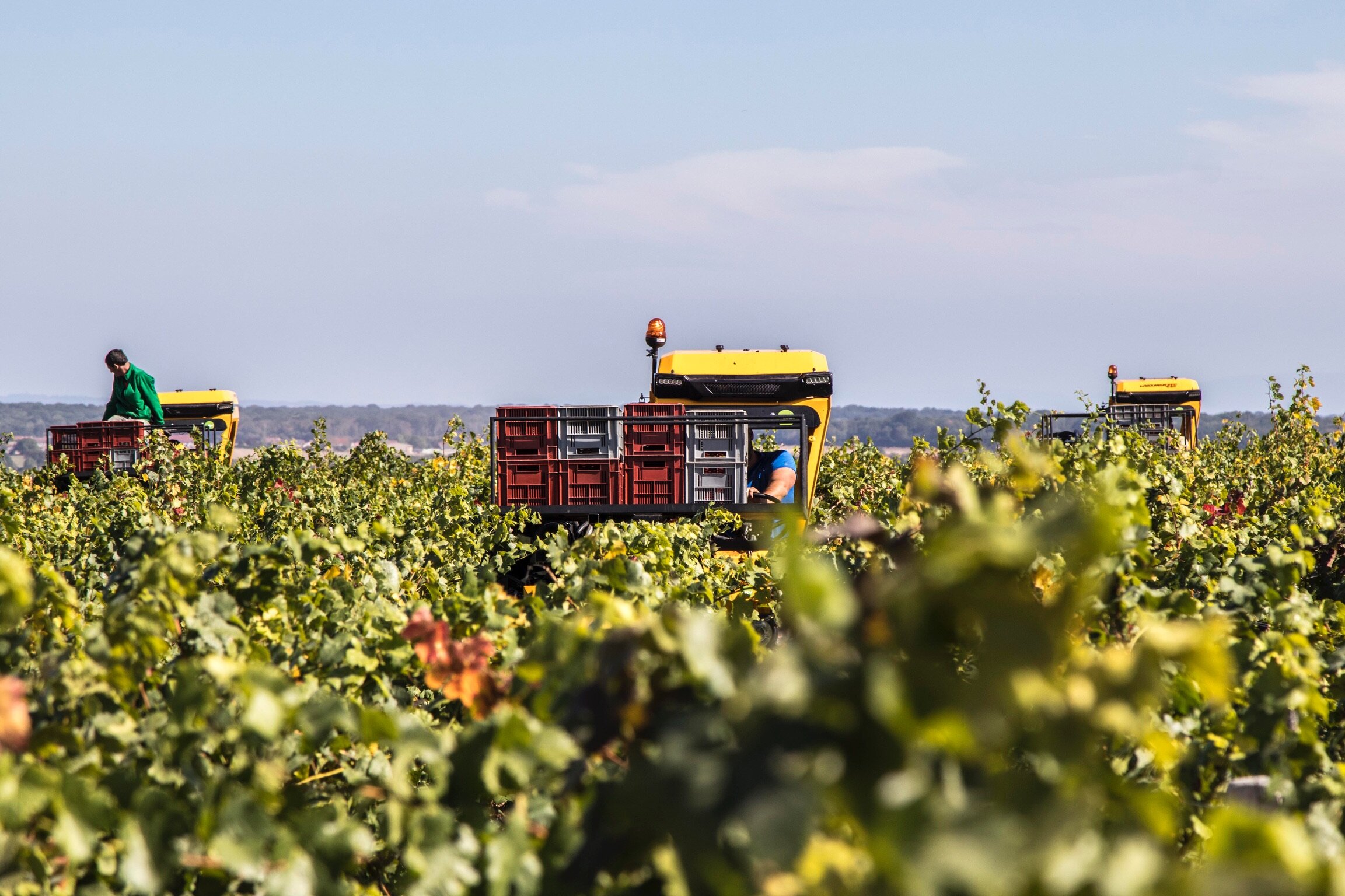
The fruit comes from the Ebenezer sub-region, where the old, dry-grown material gives Ben the density he needs before the winery adds anything of its own. The house works with about 20 ha of vineyards and an annual output around 15,000 dozens, a scale that keeps the program close to the bench rather than anonymous. The varieties are familiar Barossa tools, but the blend decisions are exacting: Wallace draws on Shiraz and Grenache, Anaperenna on Shiraz and Cabernet Sauvignon, while Amon-Ra and Bishop hold the line around Shiraz.
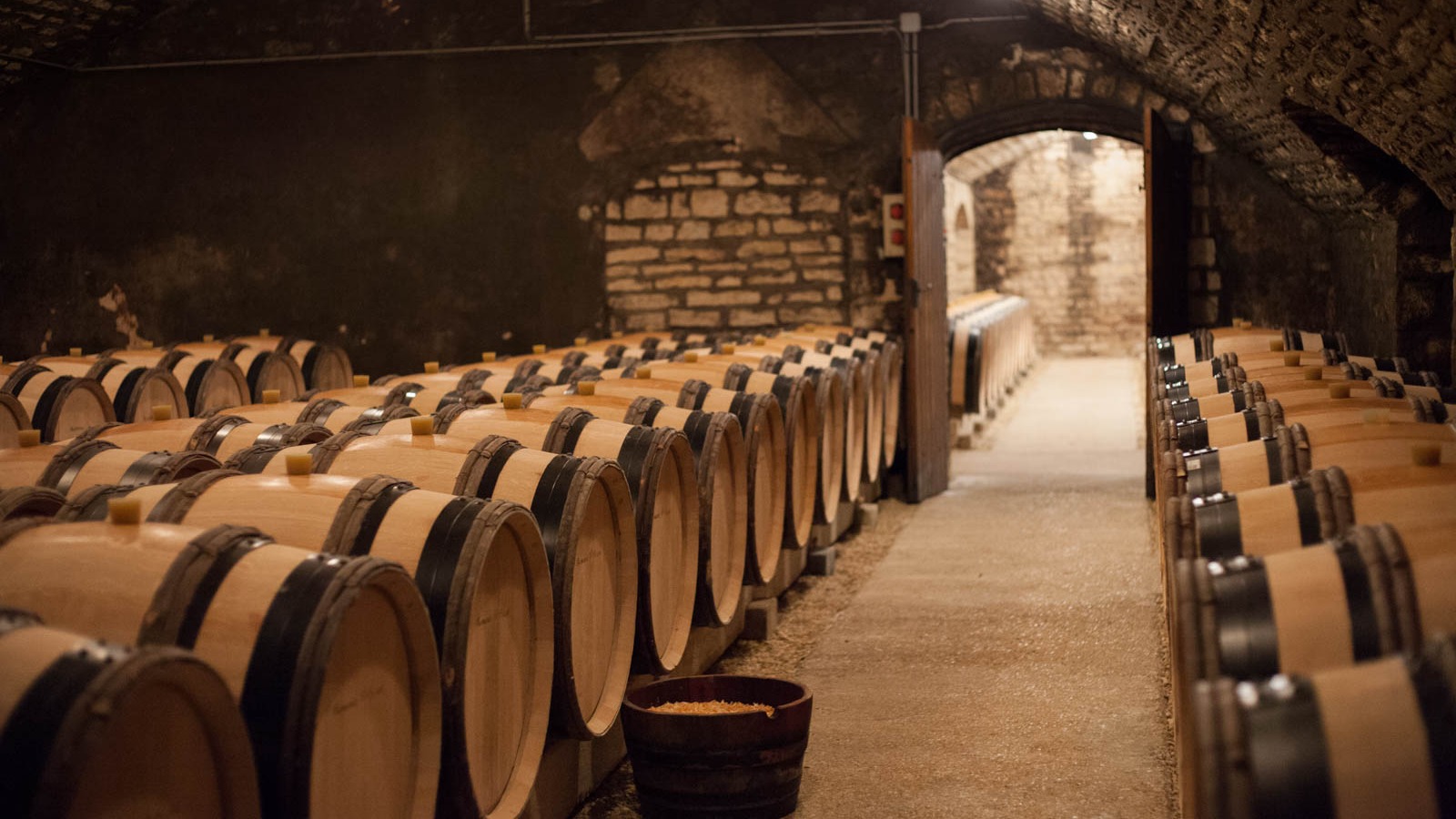
Amon-Ra gives the clearest measure of the cellar’s discipline. The wine is 100% Shiraz from Ebenezer and sees 95% French oak with 5% American oak, a proportion that states the house’s preference for structure first, then warmth and gloss in smaller measure. Ben has described the appeal of wines with “a little more depth, not just the simple, fruity ones.” That sentence could sit over the whole program. The reds are built for force, but the force has to pass through texture, finish, and balance before it is allowed to count.
The quiet of a production cellar
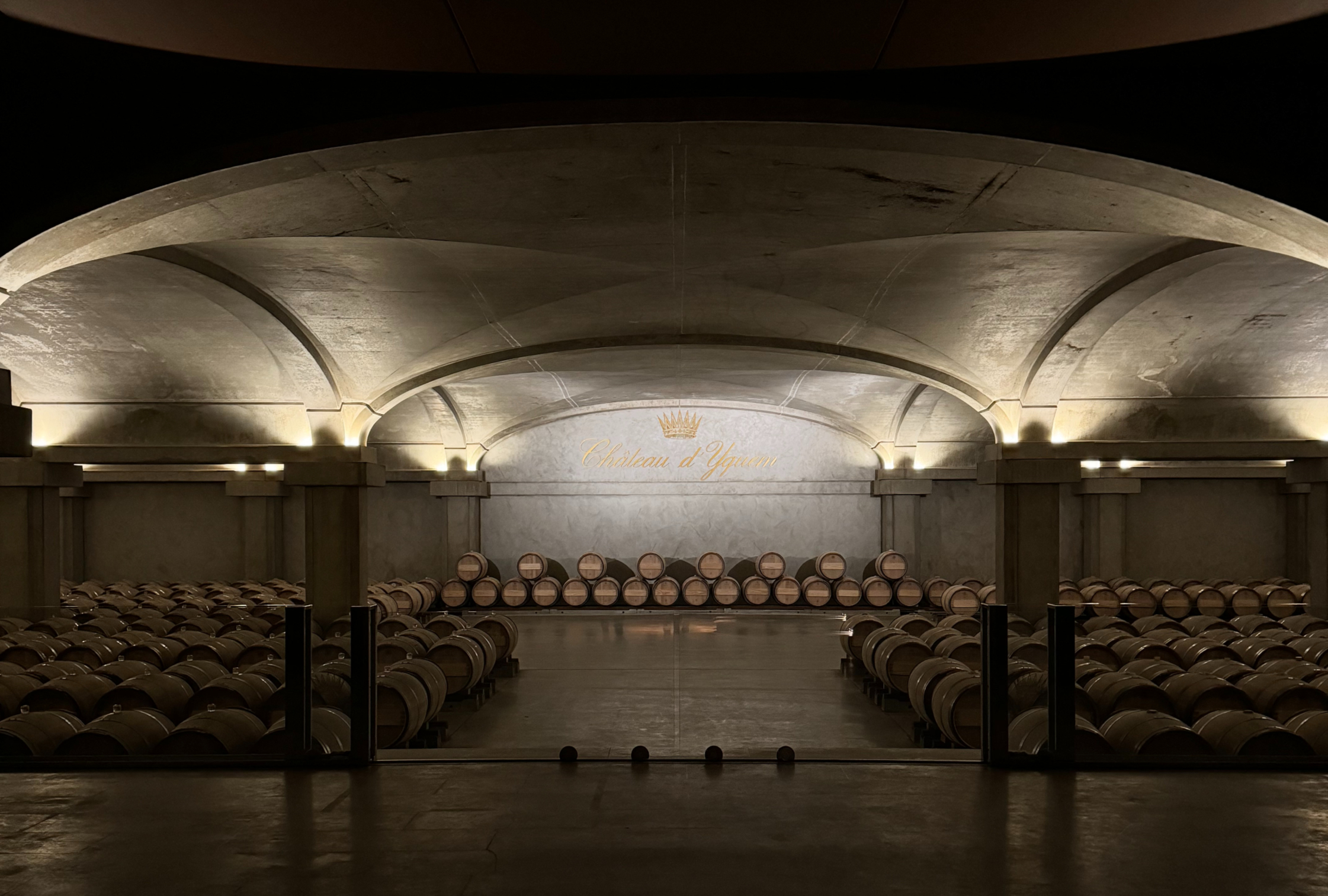
The place in Tanunda is not arranged as a tasting-room theatre. It is a boutique, family-owned winery focused on production, with no public cellar door, and that changes the feel of the house. The work gathers around fruit, ferment, oak, and blending rather than around visitor choreography. In that quiet, the Barossa can feel less like a broad appellation and more like a sequence of decisions made against a specific patch of ground.
Ebenezer remains the anchor. The cellar does not need to widen the story when its fruit already carries the pressure of age, dryness, and heat. Ben’s task is to keep that pressure articulate: Shiraz with depth, Grenache with lift, Cabernet Sauvignon with frame. At this address, Amon-Ra Shiraz is poise, not volume.
Know before you go
- Reservations
- appointment_only
Address
Tanunda South Australia, Barossa Valley, South Australia, Australien
Tanunda