Made ByWinery
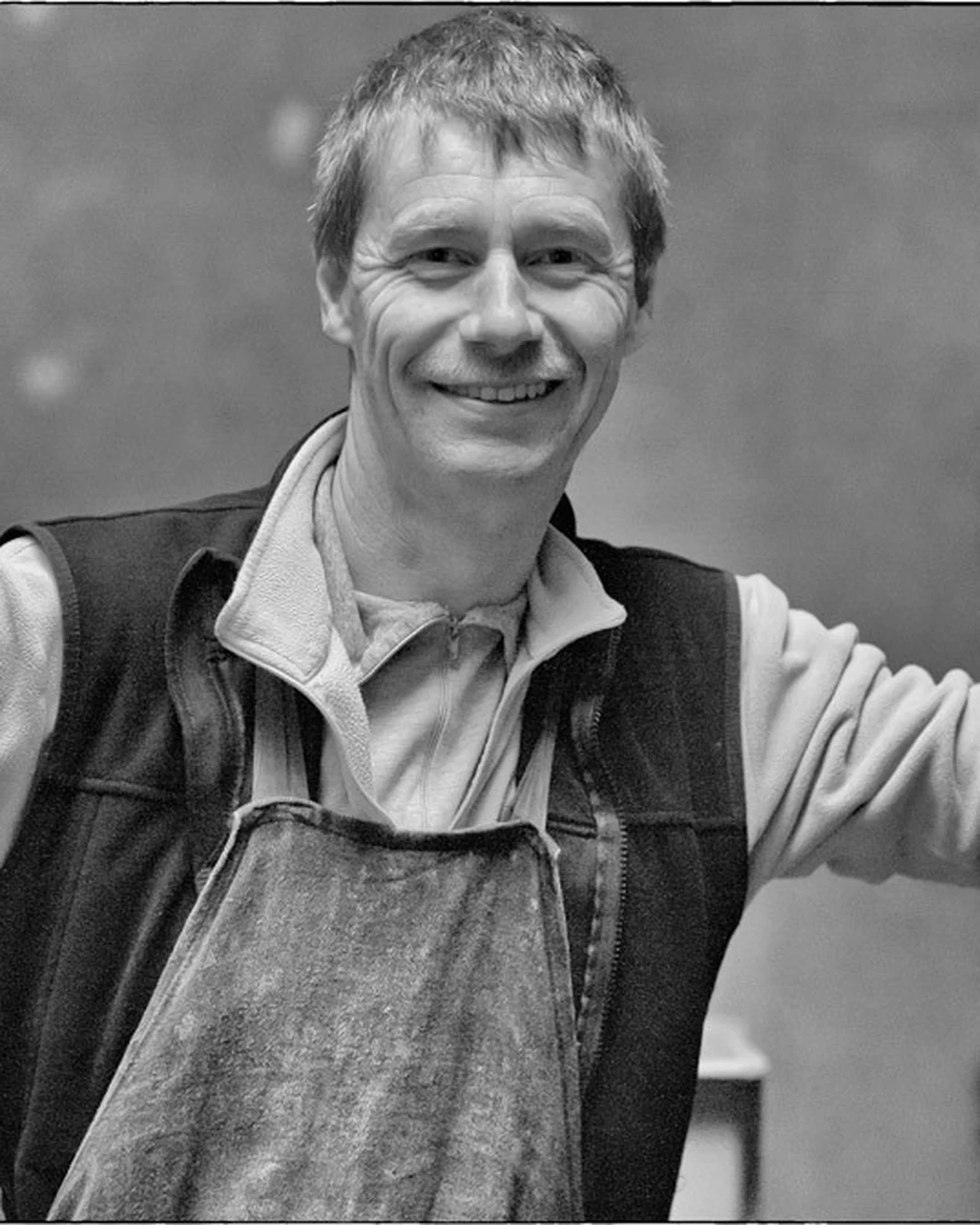
Benoît Dorsaz, winemaker at Benoît Dorsaz in Fully, leads a biodynamic Valais estate rooted in chasselas, with care.
At a glance
- Price
- $$$
- Neighborhood
- Fully
A chasselas plot at the beginning
A plot of chasselas sets the scale for Benoît Dorsaz, winemaker at Benoît Dorsaz in Fully. He inherited it in 1986, then kept grape variety and land at the front of the work rather than treating the parcel as a footnote to growth. The estate that followed remains small, just over five hectares, and that size matters here because Dorsaz can keep the principal decisions close to his own hands, from the hillside vineyards above the Rhône to the cellar in the Valais village.
His lineage is given most clearly by the place itself: he was born into a family of winegrowers, grew up among vines, and began with that inherited chasselas before replanting the vineyard and renovating his father’s cellar. The house language still returns to vinification rather than image. Dorsaz has said, “Every vinification is a challenge full of questions. And when the answers are positive, as they were that day, it is more than a relief, it is an emotion.” That is not a tasting-room flourish. It is a cellar sentence, concerned with the moment when fermenting fruit either answers the method or refuses it.
Five hectares held to the hand
The program is biodynamic, organic in practice, and deliberately limited in scale. The estate works with Chasselas, Petite Arvine, Viognier, Cornalin, Gamay, Red Humagne, Syrah, Merlot, Pinot Noir and Gamaret under Valais AOC, with still white and still red wines as the frame. Dorsaz does not build the house around purchased fruit; the work is estate-based, which keeps sourcing, farming and cellar choices within one discipline.
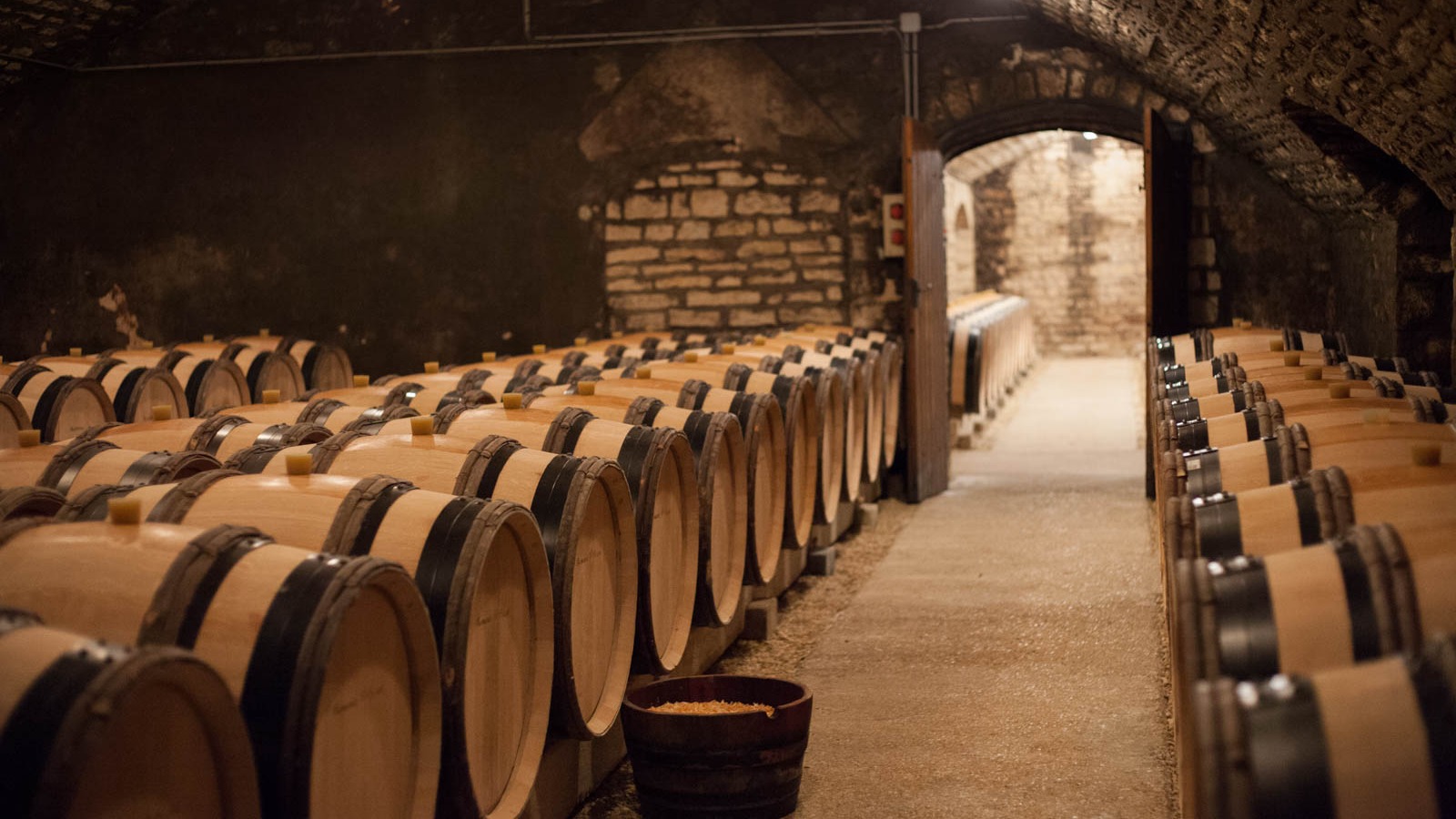
Fully gives the wines their pressure. Two mountain massifs overlap here, shaping the microclimate, while the vineyard soils include glacial moraine, black schist and mineral Alpine substrates. Between the rows, spontaneous grassing supports biodiversity and soil life. In the cellar, fermentation relies on indigenous yeasts, followed by prolonged maturation rather than a quick push toward release. Oak appears selectively, as in Petite Arvine de Fully Quintessence, where fût de chêne adds a measured frame without making the barrel the subject. The estate also holds ISO 9001 and ISO 14001 certifications, placing quality management and environmental management inside the same working method.
Les Perches as the estate’s heart
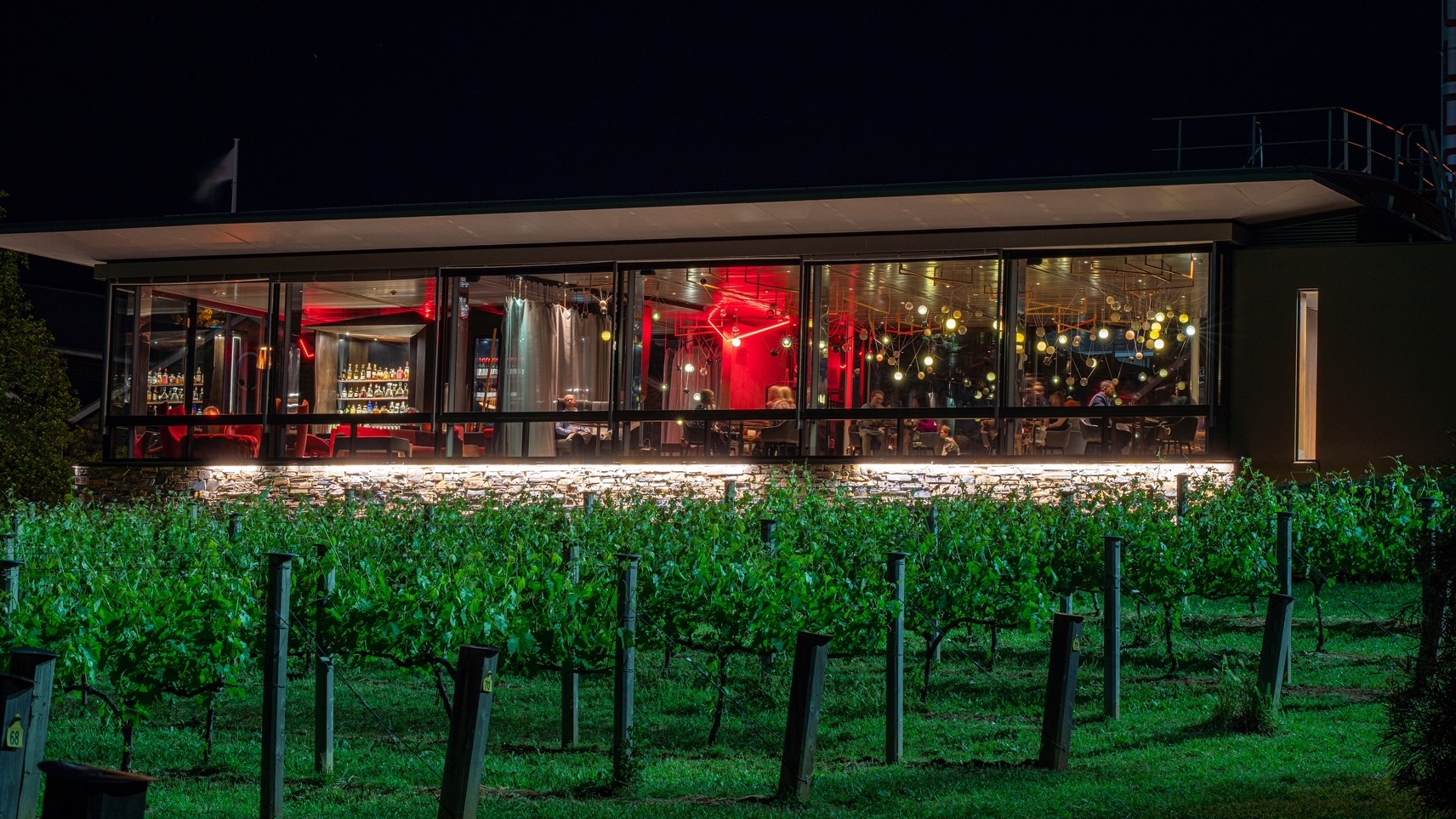
The room at Benoît Dorsaz is quiet because the estate asks for quiet. The tasting is not built around spectacle; it follows the vineyard and the cellar, with Fully’s slope, Rhône light and Alpine soils held in the glass. Les Perches carries particular weight for Dorsaz. He calls it “the heart of my estate,” and says he spent 15 years transforming it. Petite Arvine sits close to that center too, named by him as his favorite wine.
That sense of scale changes the atmosphere. A visitor meets a small Valais estate rather than a production campus, a cellar where the bench-side questions are the usual ones: how the vintage has fermented, how long the wine should rest, which parcel has given the clearest answer. The place is rural, intimate and controlled by patience, not by volume.
A handover inside the vintage
The next chapter began in 2025, with a 50/50 collaboration on the vintage already underway as the estate changed stewardship. That detail matters because it places continuity inside the cellar rather than in a statement of intention. Fermentations had begun, the work was moving, and the new shape of the domaine had to meet the old one in tank and barrel. The close of this story is not abstract: it sits in the 2025 vintage at Benoît Dorsaz.
Know before you go
- Reservations
- appointment_only
- Payment
- credit_card, debit_card, cash
- Groups
- Welcomed
Address
Fully, Valais, Schweiz
Fully