- Falstaff Winery - 4 Stars · 2026
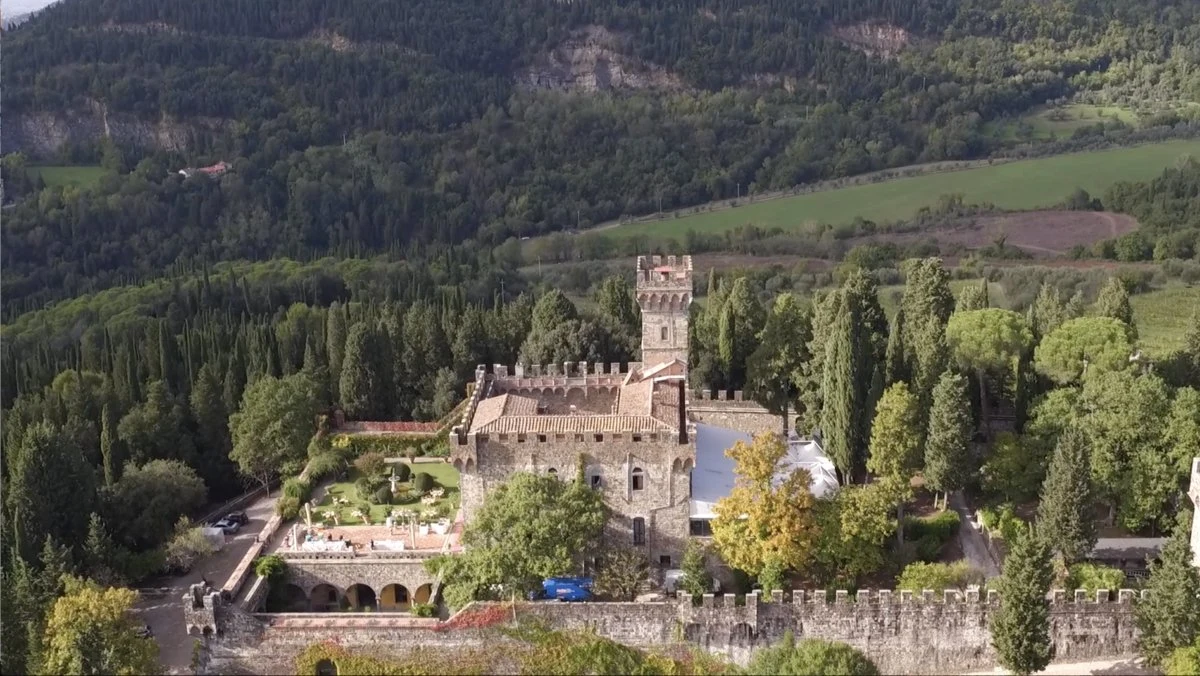
Fiesole changes the mood before any visit begins. Set above Florence, it naturally shifts attention away from the pace of the city and toward landscape, stone, village texture, and outlook. Bibi Graetz is framed by historic village buildings in Fiesole, with views over Florence and an atmosphere that reads scenic, rustic, elegant, and iconic. The experience is best understood as intimate and private rather than built for large crowds, which is an important distinction for anyone deciding whether it belongs in a premium Tuscan itinerary.
Because the public details are limited, this guide does not treat Bibi Graetz as a place to evaluate through unconfirmed claims about specific wines, dishes, service schedules, awards, or technical production choices. That restraint matters: a venue like this is easy to over-describe, but the clearest and most reliable way to understand it is through the facts that are available. What is grounded is the setting: Fiesole, a $$$ price tier, and a hospitality mood that favors privacy, atmosphere, and a sense of place. Those elements are enough to define the broad character of the visit without turning it into something more specific than the information supports.
A scenic Fiesole setting without an script
Rather than build a tasting narrative on unconfirmed particulars, the safer reading is broader: Bibi Graetz is a premium Fiesole venue whose appeal rests on its scenic Tuscan setting, rustic-elegant character, and private tasting focus. The emphasis is not on volume, spectacle, or a heavily documented public format. It is on the way the location, the village frame, and the views over Florence combine to create a quieter kind of destination.
For visitors comparing options in Fiesole, that means the practical distinction is less about a published menu or a ranked score and more about fit. Bibi Graetz suits travelers looking for an intimate, atmospheric experience with views over Florence, not a large-scale or high-volume setting. If the goal is to anchor part of a trip around scenery, privacy, and a polished Tuscan mood, it sits naturally in that lane. If the goal is to compare detailed inclusions in advance, the limited public information means the better approach is to ask the venue directly before committing plans around specifics.
The $$$ tier also matters. It signals a premium visit, so it is best approached as a considered stop for guests who value setting, privacy, and a polished but rustic Tuscan feel. In practical terms, that makes it less of an impulsive add-on and more of a visit to place deliberately within the day. The strongest reason to consider it is not a checklist of extras, but the combined impression of Fiesole, historic village surroundings, views, and an intimate hospitality style.
What, and what should be confirmed directly
Those specifics should be confirmed directly with Bibi Graetz before planning a visit around them. That includes any details that would affect timing, format, availability, or the precise structure of the experience. The available information supports the general character of the venue, but it does not support assumptions about the exact content of a visit on a given day.
What can be stated confidently is that the venue’s atmosphere is scenic and intimate, with historic village-building character in Fiesole and views toward Florence. That is the grounded reason to consider it within a premium Tuscan itinerary. The appeal is atmospheric as much as logistical: Fiesole provides a hill-town frame, Florence sits in visual relation below, and the overall mood points toward privacy rather than a busy public flow.
This also shapes how to read the venue against other possibilities nearby. The question is not whether Bibi Graetz can be reduced to a list of public specifics, because the confirmed information does not support that kind of treatment. The question is whether its known strengths match the traveler’s priorities. For guests who are drawn to a quieter setting, a scenic outlook, and a rustic-elegant environment, the answer may be yes. For guests who need every operational detail settled in advance from public information alone, direct confirmation is the responsible next step.
A private tasting format in a hill-town frame
The hospitality style is centered on intimate, private tastings rather than large crowds. In Fiesole, that makes Bibi Graetz feel more like a focused, atmospheric visit than a busy public tasting stop. The setting is rustic and elegant, with a strong sense of place and a visual connection to Florence. Those qualities give the experience its shape: it is about being in a particular Tuscan hill-town environment, with the privacy and composure that make the setting feel more personal.
Guests should confirm current arrangements directly before visiting. That guidance is especially important because the strongest confirmed details are about atmosphere, location, and broad style, not about a fixed public script. A direct check helps align expectations with the actual arrangements available at the time of the planned visit.
For broader planning in Fiesole, compare Bibi Graetz with other dining, hotel, bar, winery, and experience options in the area in general terms rather than relying on venue-specific claims. Its place in that comparison is clearest when understood through what is already grounded: a $$$ Fiesole venue, scenic and intimate, set among historic village buildings, with views over Florence and a private, rustic-elegant mood.
Questions
Frequently asked
Who works at Bibi Graetz?
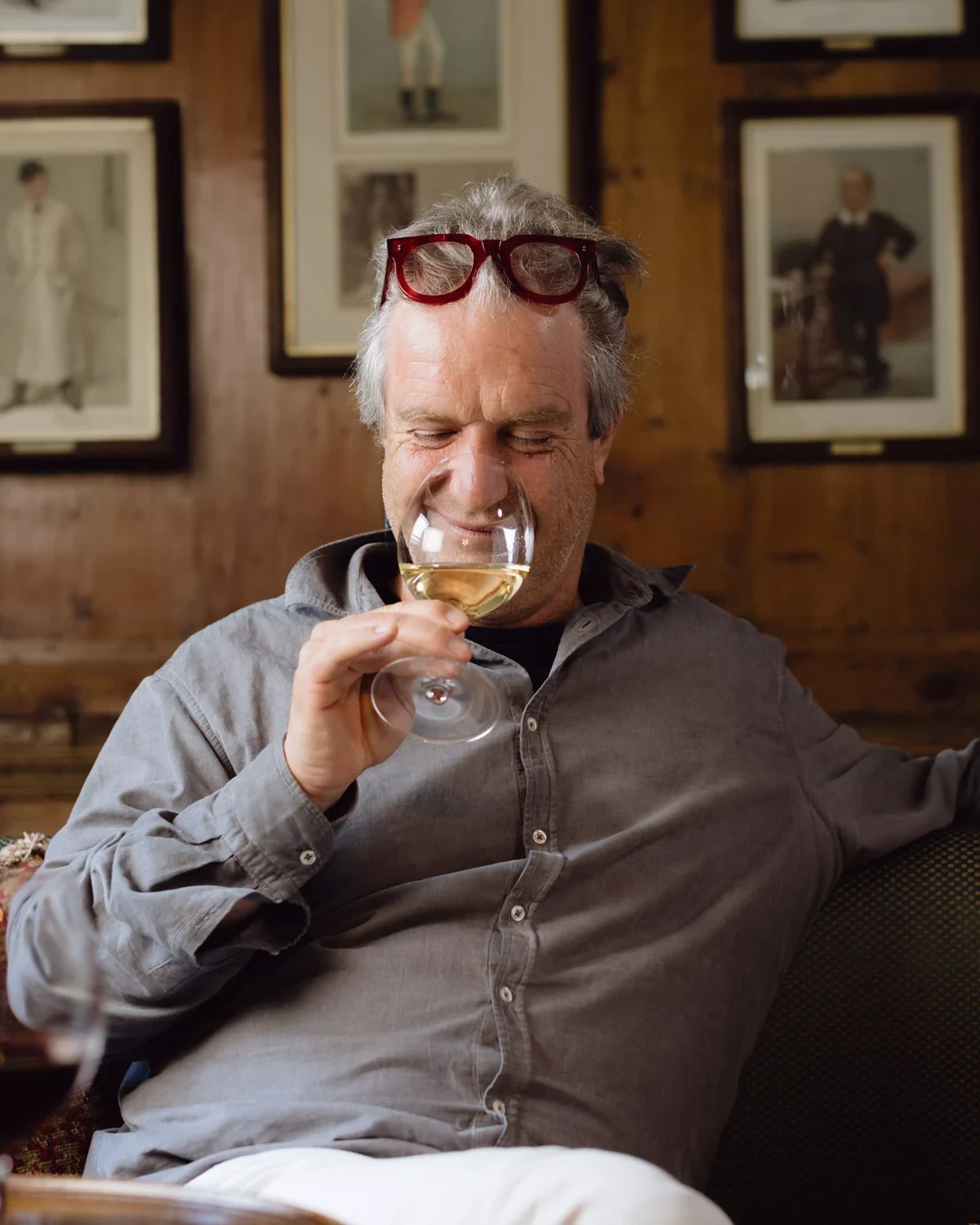
Made By profiles Bibi Graetz (Winemaker) at Bibi Graetz.
How expensive is Bibi Graetz?
Bibi Graetz is listed at a price level of $$$.
The field
How it compares
| Place | Notes | Awards |
|---|---|---|
| Bibi Graetz | Fiesole / Vincigliata, $$$ | · |
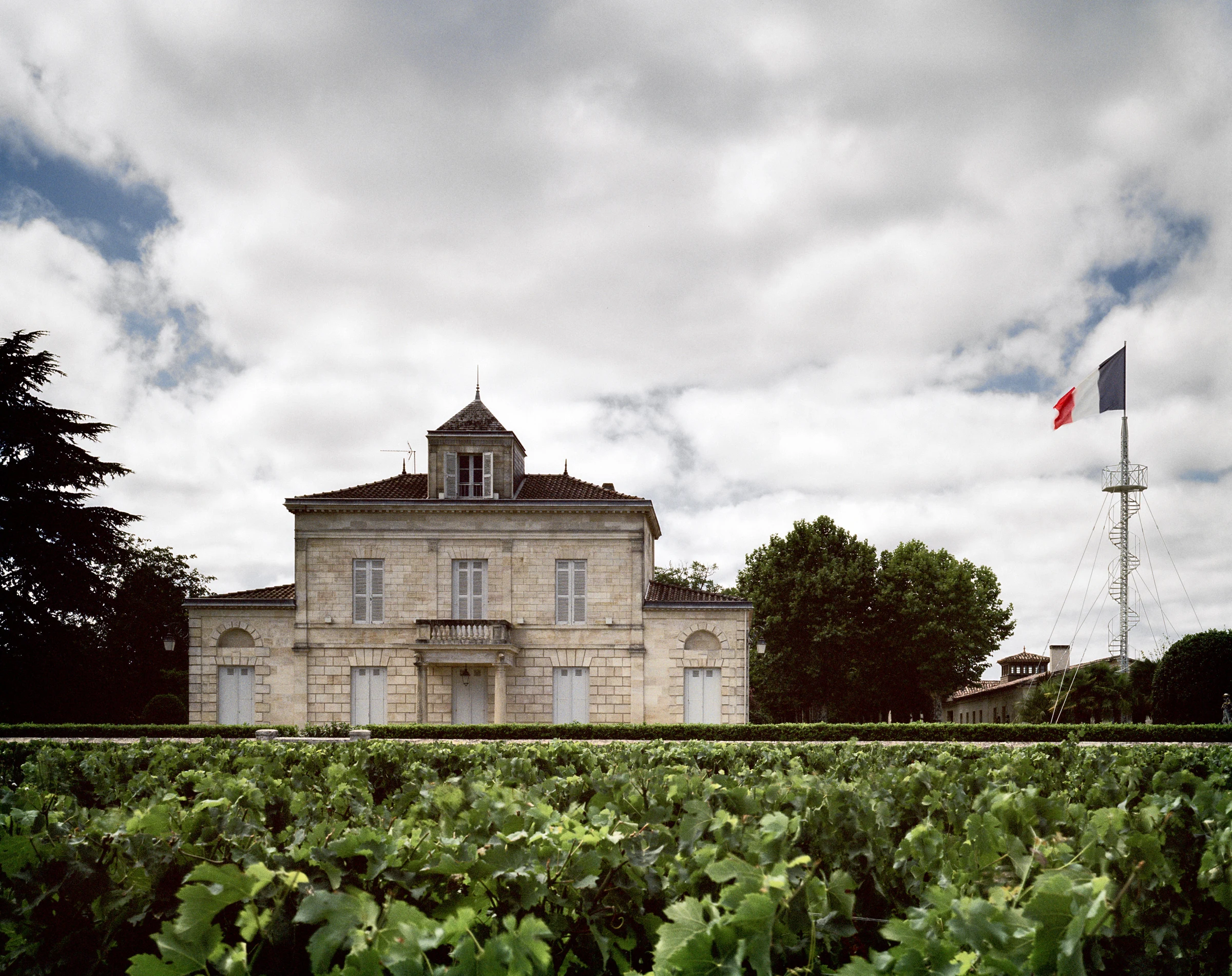
| Château Montrose | Saint-Estèphe | · |
| Domaine Clarence Dillon | Pessac | · |
| Fattoria di Poggiopiano - Galardi | Fiesole | · |
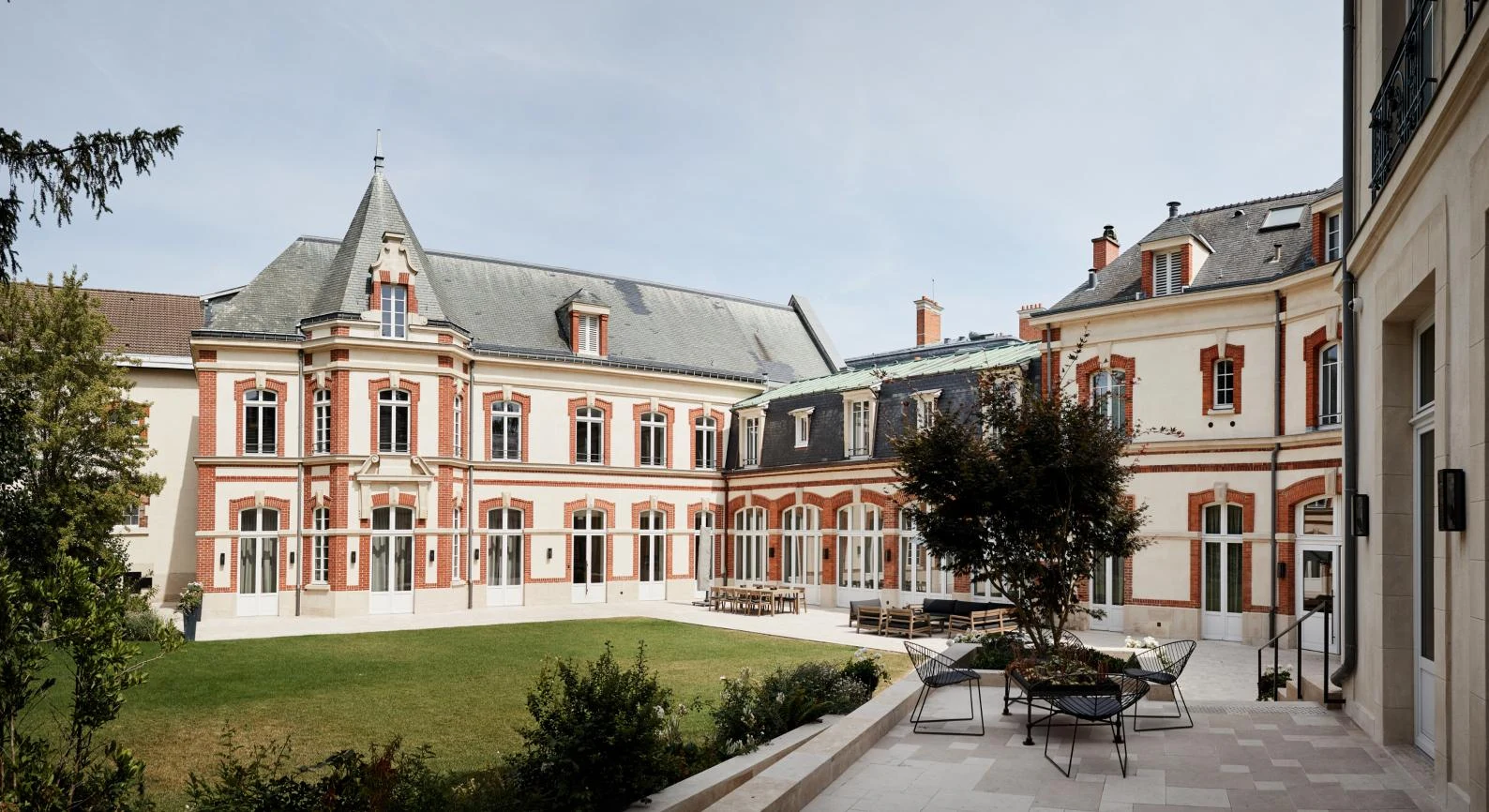
| Krug | Reims | · |
| Poggio La Noce | Fiesole | · |
| Quinta do Noval | Pinhão | World's 50 Best |