- Falstaff Winery - Listed · 2026
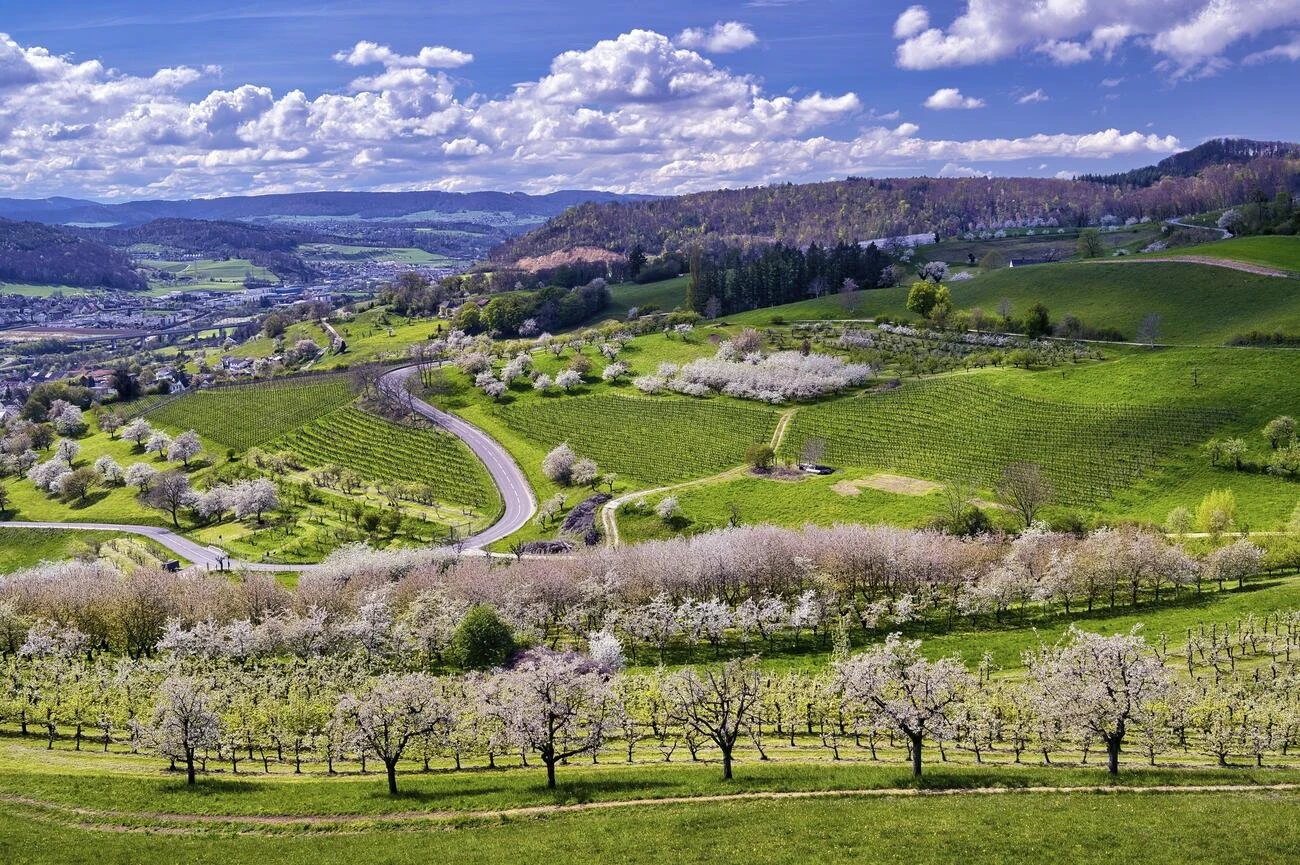
Approaching Bischofsteiner Weine in Sissach means adjusting expectations. This is a small, traditional Baselbieter winery rather than a polished tourism destination, and that distinction shapes the entire way it should be read. Its appeal is quieter: a rustic, hidden-gem setting and a direct cellar-door experience focused on handcrafted wines with a local sense of place. The pleasure is not in a grand arrival or a highly produced visitor script, but in the feeling that the encounter remains close to the scale of the place itself.
Bischofsteiner Weine belongs to a local register. The picture is not one of luxury hospitality, formal staging, or broad visitor infrastructure; it is a modest Baselbieter producer whose identity is tied to locally expressive wine and a simple, direct encounter at the cellar door. For visitors who are willing to slow down and look for nuance, that modesty is not a limitation so much as the core of the experience.
Baselbieter character as the argument in the glass
For travellers used to Swiss wine as a shorthand for the country’s better-known wine regions, Bischofsteiner Weine asks for a narrower lens. The point here is regional specificity: a small winery in Sissach, traditional in character and presenting its wines without the trappings of a large tourism operation. It is an invitation to pay attention to Baselbieter character as something local, compact, and best understood through a direct tasting context rather than through broad claims.
That distinction is useful. In premium wine travel, the polished tasting room can sometimes flatten place into choreography, making different destinations feel surprisingly similar. Here, the draw is more direct: a quiet setting, a rustic atmosphere, and an emphasis on handcrafted, locally expressive wines rather than spectacle. The experience works because it keeps the focus close to the essentials, allowing the winery’s small scale and local grounding to remain visible.
The estate is best understood as a hidden-gem stop for visitors who value modest scale and local character. It should not be framed as a trophy destination or a heavily produced hospitality experience; its strength is the straightforwardness of the cellar-door format. That makes it particularly appealing for travellers who are less interested in being impressed by infrastructure and more interested in finding a wine stop that feels rooted in its immediate surroundings.
A simple cellar-door format, not theatre
The visit style is best approached as simple and focused. This is a setting for travellers who want to understand a small Baselbieter winery on its own terms, not for groups looking for a long hospitality programme with elaborate staging. The mood is quiet and rustic rather than performative. Arriving with that mindset matters, because it keeps expectations aligned with what Bischofsteiner Weine offer: a direct encounter rather than a packaged wine-tourism production.
Most useful story is not a personality profile or a list of production details. What can be said with confidence is that Bischofsteiner Weine presents itself as a traditional local winery, with a handcrafted approach and a direct cellar-door experience. In editorial terms, that is enough to define its role: it represents a type of small producer where the value lies in proximity, simplicity, and the sense that the wines are being encountered close to their origin.
Specific cuvées, service details, and visitor logistics should be confirmed directly before travelling. The grounded editorial reason to go is broader and simpler: Bischofsteiner Weine offers a modest Sissach wine stop where local expression matters more than polish. It is well suited to visitors who are comfortable with a less formal framework and who see restraint, quietness, and small scale as part of the charm rather than something to be compensated for.
How to place it in a Sissach wine itinerary
Sissach rewards travellers who plan around modest local experiences rather than broad tourism infrastructure. Bischofsteiner Weine fits that kind of itinerary: quiet, traditional, and grounded in its Baselbieter setting. It makes sense as a considered stop rather than as an all-purpose destination, especially for travellers building a day around local texture and a slower reading of place.
For a wider day in the area, pair it with other dining or local stops in Sissach generically, confirming details directly before you travel. The important planning point is to treat Bischofsteiner Weine as a small cellar-door experience, not as a large visitor complex. That means allowing the visit to be modest in scale, and judging it by the clarity of its local character rather than by the quantity of amenities around it.
The editorial case for Bischofsteiner Weine is clear: it is a small, local Baselbieter winery that makes place feel legible without dressing it up as a luxury set piece. Travellers who value regional specificity over spectacle will understand the appeal quickly. Its strongest argument is precisely that it does not try to become something larger or glossier than it is; it remains a quiet Sissach wine address where the sense of place is allowed to do the work.
Questions
Frequently asked
Who works at Bischofsteiner Weine?
Made By profiles Peter Graf (Winemaker) at Bischofsteiner Weine.
How expensive is Bischofsteiner Weine?
Bischofsteiner Weine is listed at a price level of $$.
The field
How it compares
| Place | Notes | Awards |
|---|---|---|
| Bischofsteiner Weine | Sissach, $$ | · |
| Bio Hof Alpbad | Sissach | · |
| Biondi-Santi Tenuta Greppo | Montalcino | · |
| Château Angelus | Saint-Émilion | · |
| Marqués de Murrieta | Logroño | World's 50 Best |
| Weinbau Wiedmer | Sissach | · |
| Weingut Egon Müller | Wiltingen | · |