Bodega Toscanini Hnos
- 01CityCanelones, Uruguay
Tannat and Cabernet held to vintage
Since 1993, the same cellar decisions
Since 1993, Leonardo Montes Toscanini has served as General Manager and winemaker at Bodega Toscanini Hnos in Canelones. Cabernet Sauvignon is the grape he calls “the one that always gives me the most trouble.” That dual post matters here because the decisions do not separate neatly: what to pick, what to hold back, what a line can carry, what the house should taste like after another harvest has passed through it. Leonardo Montes Toscanini works inside a family history that reaches back to Don Juan Toscanini and María Bianchi, who came from Genoa and settled in Canelón Chico in 1894. Juan founded his winery in 1908, producing 4,200 liters under the name La Fuente. The Las Piedras company was established on 5 July 1979, and the Montes Toscanini branch took shape that same year under the third generation, when Margot Toscanini de Montes and her brother bought a winery there and restarted the family’s winemaking tradition. Leonardo’s own tenure gives that lineage its current discipline. Repeated harvests, rather than movement between estates, have become the apprenticeship.
Tannat, Cabernet, and the line the year permits
The program at Toscanini sits around Tannat and Cabernet Sauvignon, with red varieties that include Cabernet Franc, Merlot and Pinot Noir, and whites such as Gewürztraminer, Chardonnay and Sauvignon Blanc. The house is associated with Carlos Montes Cabernet Tannat and Grand Tannat Premium, names that tie Leonardo’s cellar judgment to a Canelones idiom of structure, fruit and patience. His way of speaking about vintage is practical. On the 2011 harvest, he said, “Possibly the 2011 harvest can give me a varietal for the Carlos Montes line.” The sentence carries the method: wait for the fruit to show what it can support, then decide whether the wine belongs in a varietal expression or inside a blend. A quality shift in 1995 moved the Montes Toscanini branch toward premium and fine wines, a change that asks more of selection, fermentation control and aging.
Vines close enough to set the pace
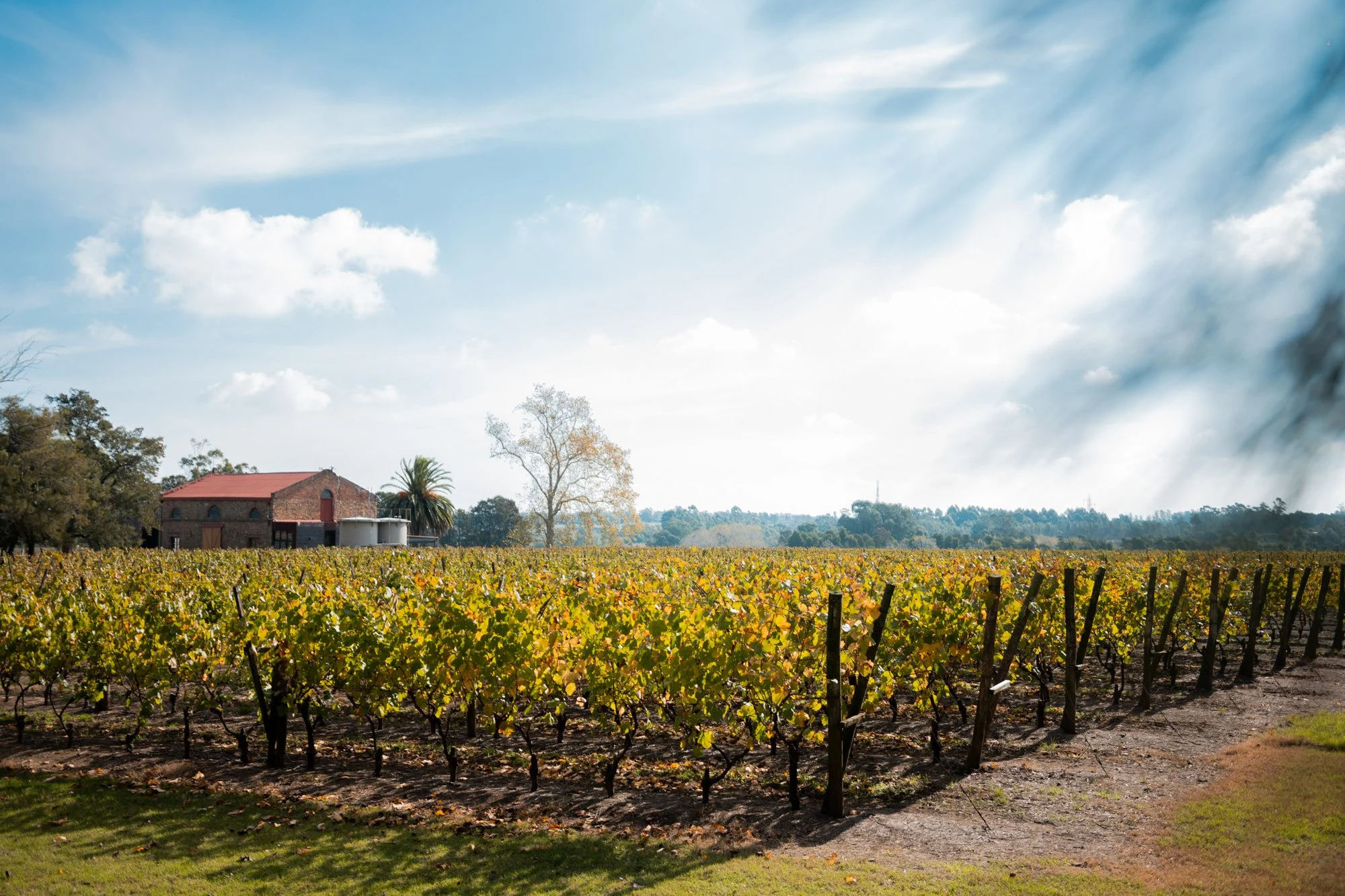
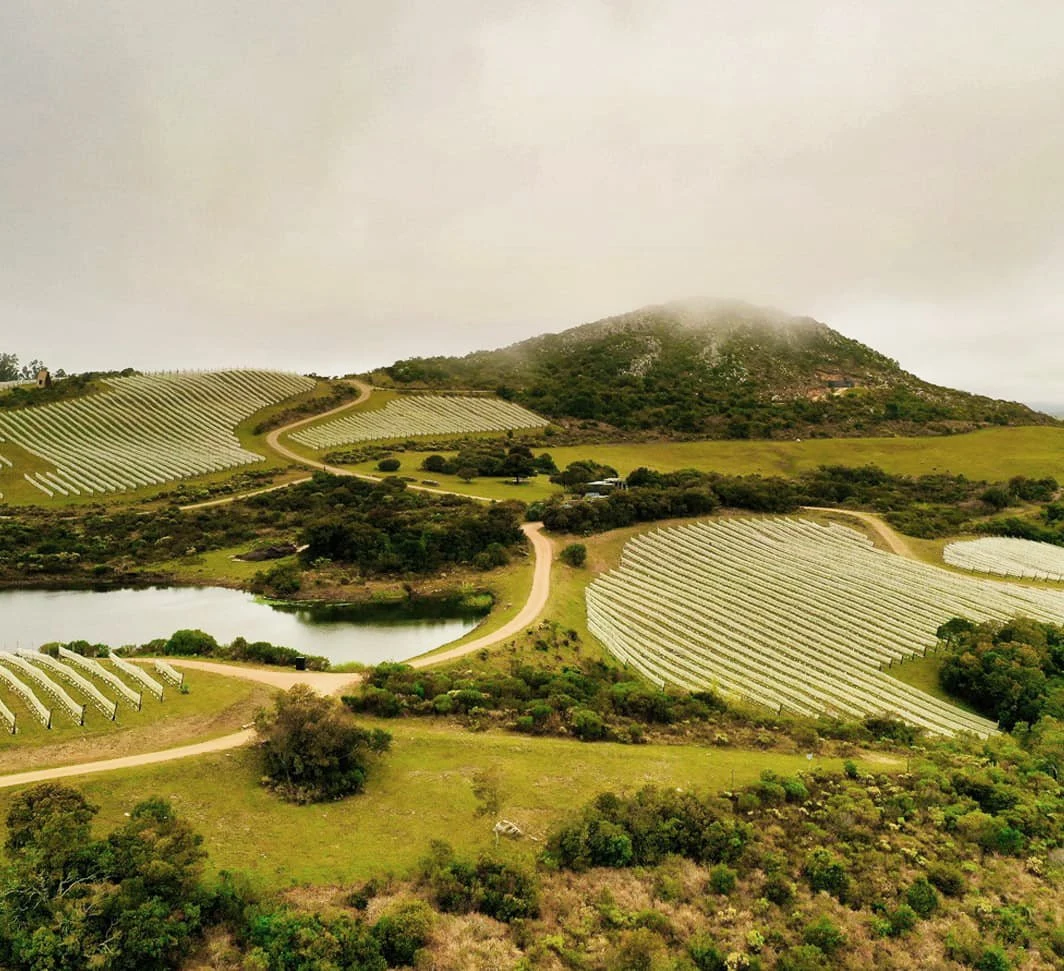
The cellar in Las Piedras works with Canelones close at hand. The broader Toscanini family holdings include about 75 hectares in Paso Cuello and Canelón Chico, and the Montes Toscanini winery is surrounded by about 45 hectares of vines, all within 20 km of the winery. That proximity shapes the pace of the work before any tasting note can. Fruit does not arrive as an abstraction from a distant zone. It comes from the same maritime temperate corridor, with the Río de la Plata influence, clay-loam and calcareous soils setting the conditions for ripeness and restraint. In a cellar like this, continuity is not sentiment. It is a tool: seasons remembered against seasons, Cabernet judged against its own resistance, Tannat watched for the point where force becomes shape. The next decision still begins with the same question Leonardo has kept on the bench since 1993: what can the harvest carry for Carlos Montes Cabernet Tannat?
Questions
Frequently asked
Who makes the wine at Bodega Toscanini Hnos?
Leonardo Montes Toscanini has been the general manager and winemaker there since 1993.
What is the winery known for?
The cellar is centred on Tannat and Cabernet Sauvignon, with other red varieties including Cabernet Franc, Merlot and Pinot Noir, and whites such as Gewürztraminer, Chardonnay and Sauvignon Blanc. It is also associated with Carlos Montes Cabernet Tannat and Grand Tannat Premium.
What should visitors know about booking a visit?
Visits are by appointment only.
What are the practical details for arriving there?
Bodega Toscanini Hnos is in Las Piedras, with street parking, and the dress code is smart casual.
The field
How it compares
| Place | Notes |
|---|---|
| Bodega Toscanini Hnos | Las Piedras, $$ |
| Antigua Bodega Stagnari | Canelones |
| Artesana | Canelones |
| Bodega Juanicó | Canelones |
| Bodega Toscanini | Canelones |
| Bracco Bosca | Canelones |
| Varela Zarranz | Canelones |