Bodegas Bentomiz
- 01CitySayalonga, Spain
- Falstaff Winery - Listed · 2026
The approach to wine in Sayalonga is not built around manicured rows and cellar-door polish. It is a mountain proposition: steep terraces, dry heat, slate underfoot and the Mediterranean visible beyond the ridges. Bodegas Bentomiz belongs to that version of Andalusia, where viticulture is physical before it becomes romantic, and where Moscatel is treated as a serious local language rather than a souvenir sweetness.
Axarquía sits east of Málaga, a region better known to many travellers for white villages and coastal detours than for precision wine. That is partly why the winery matters. Its setting above Sayalonga gives the visit immediate theatre, but the stronger point is agricultural. Annual rainfall is around 500mm, the vines work hard, and sea breezes temper summer heat. On terraces where machines cannot do the work, the resulting wines carry a sense of effort that polished tasting rooms often edit out.
For travellers mapping a wider stay, the estate fits into a Sayalonga itinerary better as a long lunch and tasting than as a quick stop. Pair it with the broader local planning resources: Our full Sayalonga wineries guide, Our full Sayalonga restaurants guide, Our full Sayalonga hotels guide, Our full Sayalonga bars guide and Our full Sayalonga experiences guide.
Slate, drought and old Moscatel shape the argument
Málaga wine carries a long historical association with sweetness, but the contemporary question is balance: how to keep aromatic ripeness from becoming heavy. Bodegas Bentomiz answers through place as much as cellar technique. Moscatel de Alejandría is central, Romé gives a local red-grape accent, and the old vines include material described at 80 to 100 years. Those figures matter because old, deep-rooted vines can make sense of difficult slopes and limited water in ways young plantings rarely can.
The Ariyanas range is the clearest expression of that terrain. It spans dry and sweet wines, including Moscatel-based bottles and Romé rosé, with Merlot also appearing in the broader portfolio. The sweet wines are the calling card, but the more interesting editorial point is that they are not positioned as relics. They have found a place in more than 20 European Michelin-starred restaurants, a useful trust signal in a region that still has to argue for its place at fine-dining tables beyond Spain.
The estate’s production story is also tied to labour. Terraced Axarquía vineyards resist mechanisation, so work in the vines is manual by necessity as much as principle. No herbicides or insecticides are used, and the approach aligns with the wider sustainability claim without turning the wine into a lecture. In this terrain, restraint is not an aesthetic slogan; it is partly dictated by slope, heat and what can be carried by hand.
A winery lunch where the food serves the tasting
Hospitality format is closer to a complete rural wine meal than a stand-at-the-counter tasting. A guided tour and four-wine tasting establish the estate’s range, while the restaurant side gives the wines a slower context. That distinction matters in Andalusia, where lunch can easily become scenery with plates attached. Here, the food program exists to make the wines more legible, particularly the movement between dry whites, rosé, reds and sweet expressions.
André, co-owner and head chef, has designed dishes for the wine pairings since 2015. That credential is useful because the kitchen’s role is not to compete with Málaga’s restaurant culture, but to interpret the bottles at the source. Menus change seasonally, and the estate’s own framing emphasizes variety rather than sheer quantity across its longer formats. The terrace and mountain views may draw the booking; the better reason to stay for lunch is that Axarquía wine benefits from food, pacing and a table rather than a rushed pour.
The building adds another layer without needing to dominate the story. Its slate cladding mirrors the local soil, a design choice that could sound decorative elsewhere but feels conceptually direct here. The winery has operated since 2003, beginning with a first production of 700 bottles. That small starting point helps explain the current scale: this is not industrial wine tourism, and the visit reads as a concentrated estate experience rather than a volume-driven attraction.
How it fits into Spanish wine travel
Spain’s wine map is often read through famous appellations first, then through architecture-led estates and allocation bottles. Axarquía asks for a different lens. The draw is not status geography, but a region where altitude, heat, drought and historic varieties create a narrow lane for producers willing to work awkward vineyards. Bodegas Bentomiz sits in that lane, with membership in the Ronda-Málaga Wine Route placing it inside a wider Andalusian wine conversation rather than an isolated hillside project.
Travellers comparing Spanish winery styles can use it as a counterpoint to other regions and formats. Ribera and Castilla y León bring different scale and structure, visible in estates such as Aalto Bodegas y Vinedos in Quintanilla De Onesimo Valladolid, Abadía Retuerta in Sardón de Duero and 3 Ases Bodegas y Viñedos in Quintanilla De Arriba. Smaller regional identities come through at 4Kilos Vinícola in Felanitx, Abadia de Aribayos in Moraleja Del Vino, Abel Mendoza Monge in San Vicente de la Sonsierra, Acústic Celler in Els Guiamets and Adega Algueira in Sober. For a broader European contrast, see »der Steiner« Hans Steiner in Podersdorf am See and & Handwein in Mannheim.
The editorial case for visiting is strongest for travellers who care about why a wine tastes the way it does. The views are part of the pleasure, but the substance is in the relationship between place and bottle: old Moscatel, Romé, slate, sea air, low rainfall and hand-worked slopes. In Sayalonga, that combination turns a winery lunch into a concise lesson in how Málaga wine has moved beyond cliché.
Questions
Frequently asked
How expensive is Bodegas Bentomiz?
Bodegas Bentomiz is listed at a price level of $$$.
The field
How it compares
| Place | Notes | Awards |
|---|---|---|
| Bodegas Bentomiz | Sayalonga, $$$ | · |
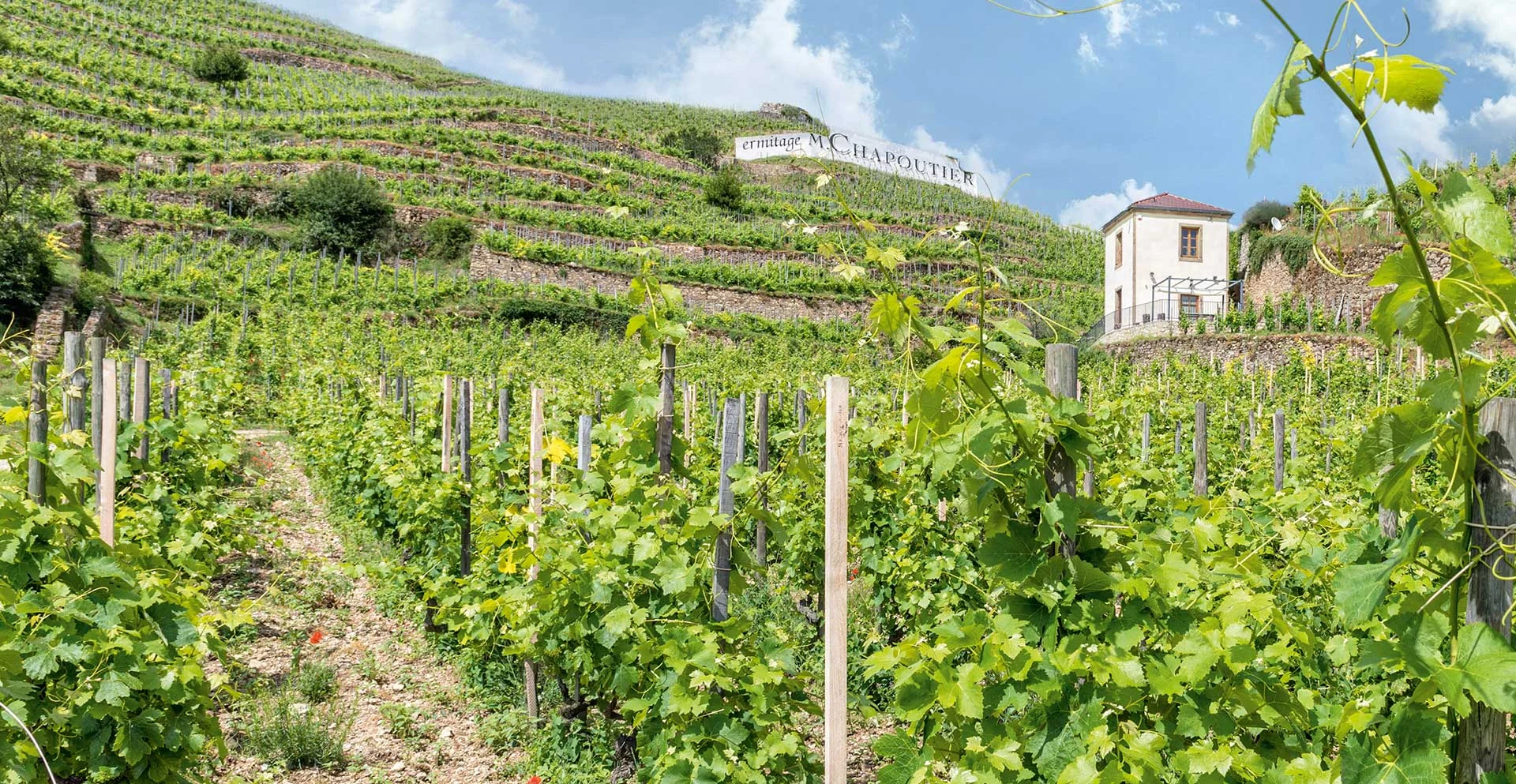
| Chapoutier | Tain-l'Hermitage | World's 50 Best |
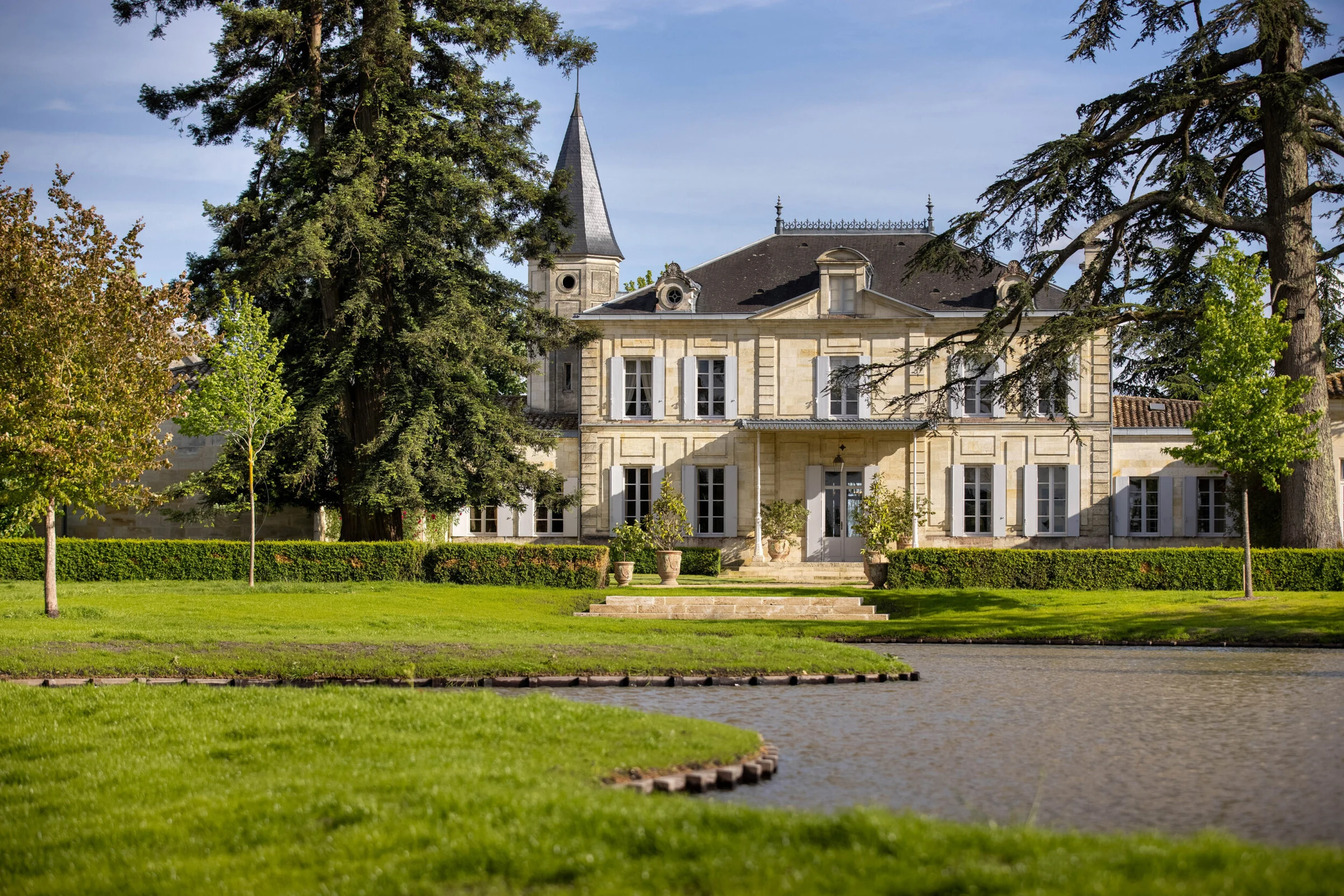
| Château Cheval Blanc | Saint-Émilion | · |
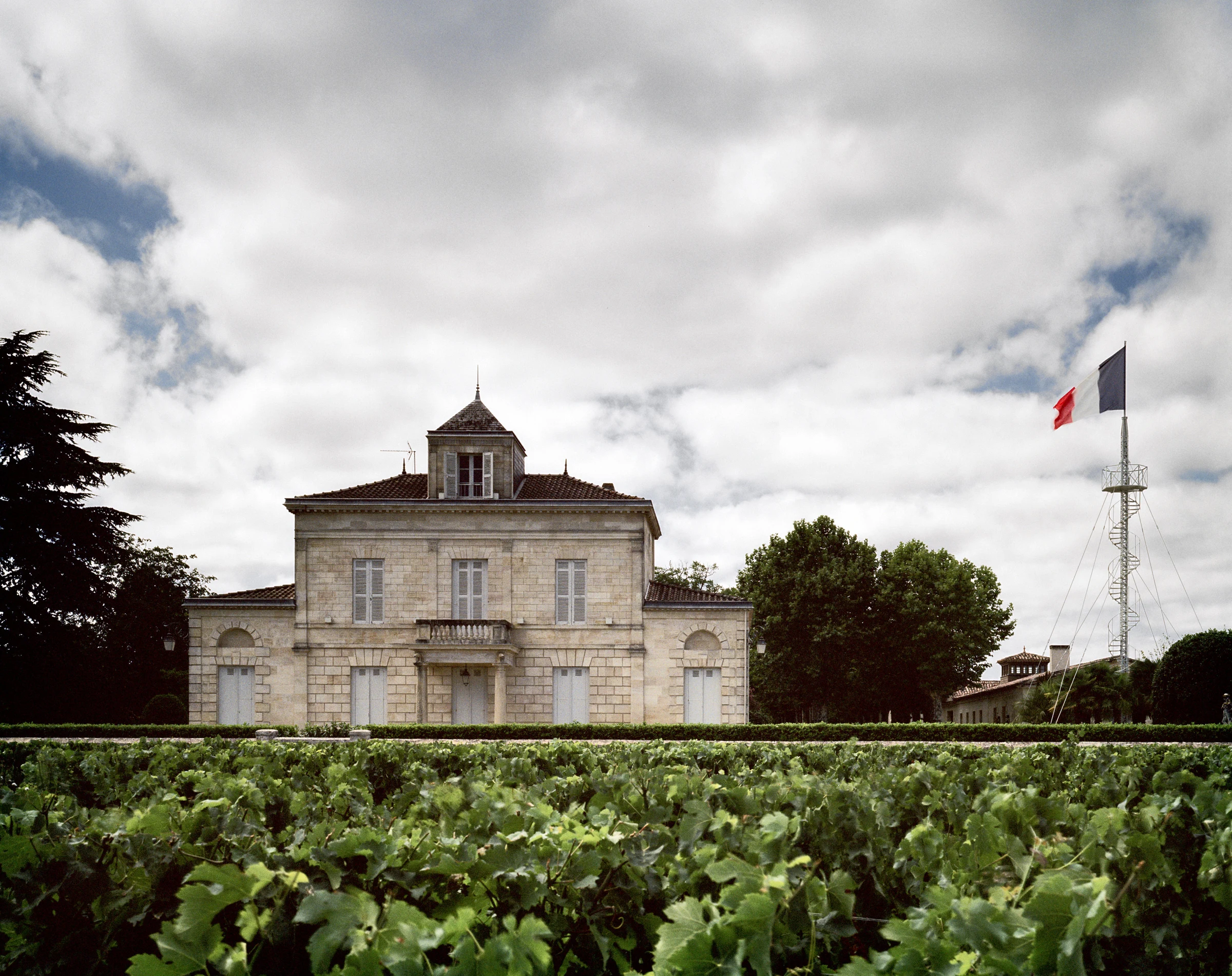
| Château Montrose | Saint-Estèphe | · |
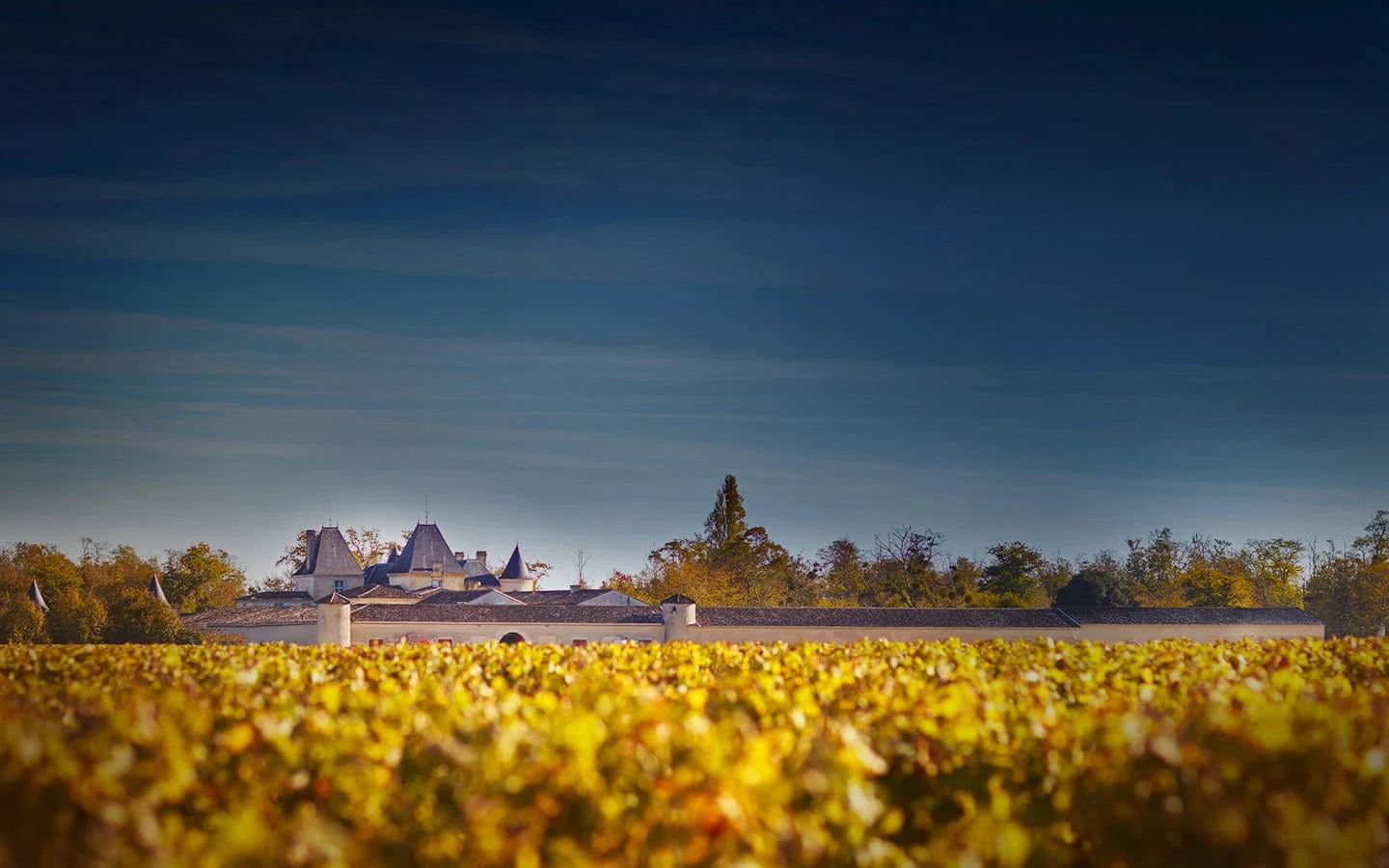
| Château Suduiraut | Preignac | · |
| Craggy Range | Hastings | World's 50 Best |
| Taittinger | Reims | World's 50 Best |