Bodegas Juan Ramón
- 01CityVillarrobledo, Spain
- Falstaff Winery - Listed · 2026
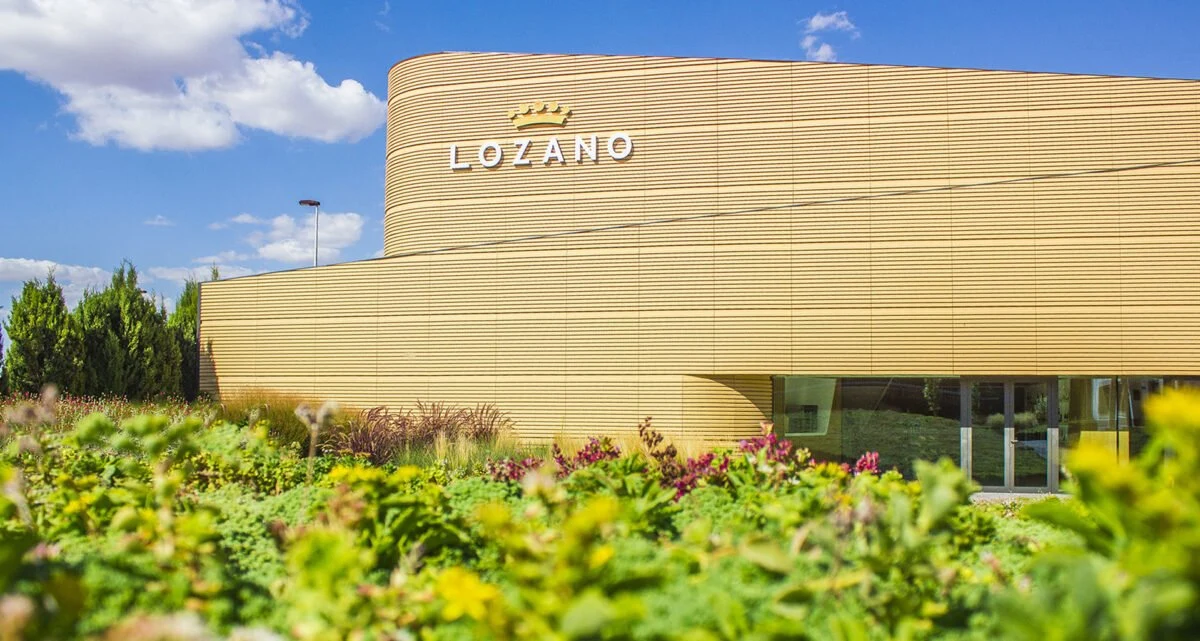
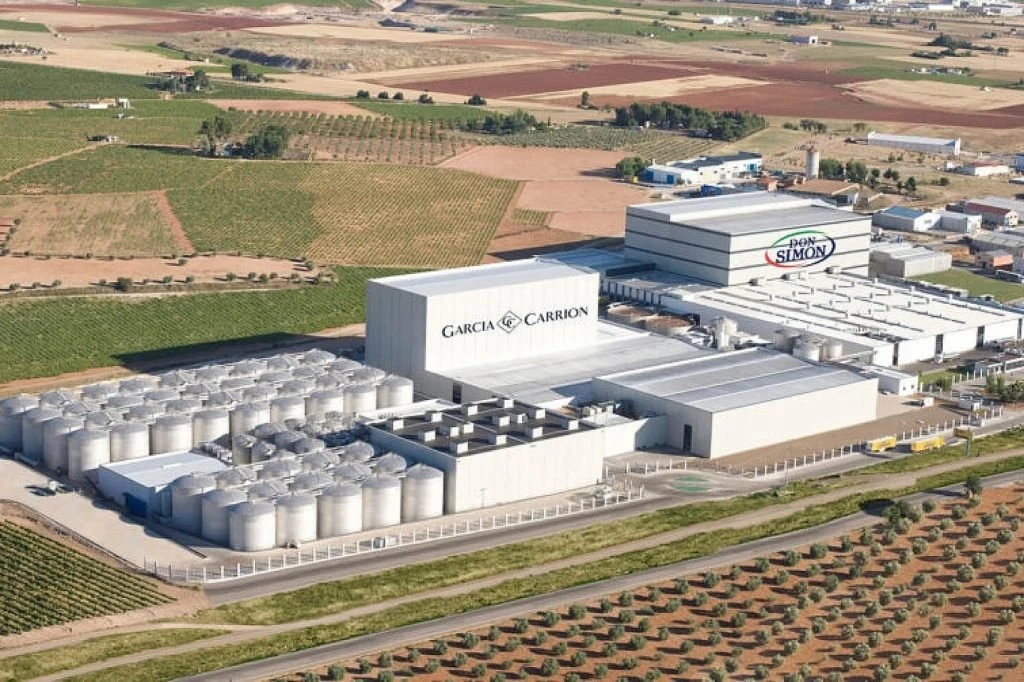
Approaching a working winery in Villarrobledo means entering La Mancha through scale rather than romance: broad roads, production buildings, storage space, and the quiet efficiency of a region built around volume as much as terroir. This is not the manicured château vocabulary of smaller European wine regions. It is the language of Castilla-La Mancha, where heat, distance, limestone, clay, sand, and large vineyard holdings shape the glass before oak or branding enters the conversation.
Within that context, Bodegas Juan Ramón belongs to the practical, production-led side of Spanish wine culture. The house sits under the Bodegas Lozano umbrella, a long-established family operation with roots traced to 1853, and works within La Mancha DO, the appellation that defines much of the region’s commercial identity. The price position is moderate rather than trophy-driven, but the scale and export reach place it in a different conversation from small tasting-room estates.
La Mancha expressed through breadth, heat and working-winery scale
La Mancha’s climate is direct: hot summers, cool winters and low rainfall. That combination rewards grape varieties that can hold structure and usefulness across generous production. Airén remains central to the regional white-wine story, while Tempranillo anchors the Spanish red register. At Bodegas Juan Ramón, the varietal spread also includes Cabernet Sauvignon, Shiraz, Verdejo and Sauvignon Blanc, a mix that reflects both local inheritance and market-facing flexibility.
The winery’s portfolio covers still red, still white and sparkling styles, which says something important about Villarrobledo’s wine economy. The region is not built around a single prestige grape or a narrow cellar-door narrative. It is a broad production zone where blending, brand architecture and export suitability matter. That can be less romantic than boutique viticulture, but it is often more revealing: La Mancha’s identity is found in how producers translate sun, dry soils and scale into drinkable categories for both domestic and international markets.
The stated setting is industrial and classic, and that matters. A visit here is better understood as wine education inside a working facility than as leisure theater. The quiet atmosphere, on-site parking and group-friendly format suit visitors interested in how a large family winery functions in one of Spain’s major wine regions. Those looking for vineyard picnics, restaurant-style pairings or ornamental estate grounds should calibrate expectations accordingly.
A DO La Mancha producer with an export-era profile
Spanish wine travel often rewards the visitor who separates prestige from insight. In Villarrobledo, the useful question is not whether a winery performs luxury, but whether it explains the mechanics of the place. Bodegas Juan Ramón’s strongest editorial case is its combination of longevity, appellation context and production breadth. Its allocation status is open, shipping is available, and the brand profile points toward distribution rather than scarcity.
The wine focus is conventional rather than experimental, which is not a criticism in this setting. La Mancha’s value comes from consistency, adaptable grape material and the ability to deliver recognizable styles at accessible pricing. Airén and Verdejo carry the white side; Tempranillo, Cabernet Sauvignon and Shiraz give the reds their familiar Spanish-international bridge. Sparkling production adds another layer, showing how broad regional infrastructure can support more than everyday still wine.
Recognition here is less about headline awards than about structural trust signals: DO La Mancha membership, a family winery lineage dating to the nineteenth century, and significant production and export activity. For travelers mapping Villarrobledo beyond restaurants, hotels and bars, that makes the winery a useful anchor for understanding the city’s wine identity. Broader planning can sit alongside Our full Villarrobledo wineries guide, Our full Villarrobledo restaurants guide, Our full Villarrobledo hotels guide, Our full Villarrobledo bars guide and Our full Villarrobledo experiences guide.
Where it fits in a wider Spanish wine itinerary
For wine travelers, Villarrobledo works well as a corrective to the idea that Spanish wine culture is defined only by small estates and prestige appellations. The point here is agricultural reach, family continuity and appellation-scale production. Bodegas Juan Ramón is closely tied to Bodegas Lozano, and its appeal is strongest for visitors who want to see how a large La Mancha producer handles multiple grapes and styles under one roof.
Those building a broader cellar-focused route across Spain can contrast this kind of La Mancha operation with producers in other regions, from 3 Ases Bodegas y Viñedos in Quintanilla De Arriba, 4Kilos Vinícola in Felanitx and Aalto Bodegas y Vinedos in Quintanilla De Onesimo Valladolid to Abadia de Aribayos in Moraleja Del Vino, Abadía Retuerta in Sardón de Duero, Abel Mendoza Monge in San Vicente de la Sonsierra and Acústic Celler in Els Guiamets. For cross-border context, compare itinerary notes with »der Steiner« Hans Steiner in Podersdorf am See and & Handwein in Mannheim.
Questions
Frequently asked
How expensive is Bodegas Juan Ramón?
Bodegas Juan Ramón is listed at a price level of $$.
The field
How it compares
| Place | Notes | Awards |
|---|---|---|
| Bodegas Juan Ramón | Villarrobledo, $$ | · |
| Bodegas Lozano | Villarrobledo | · |
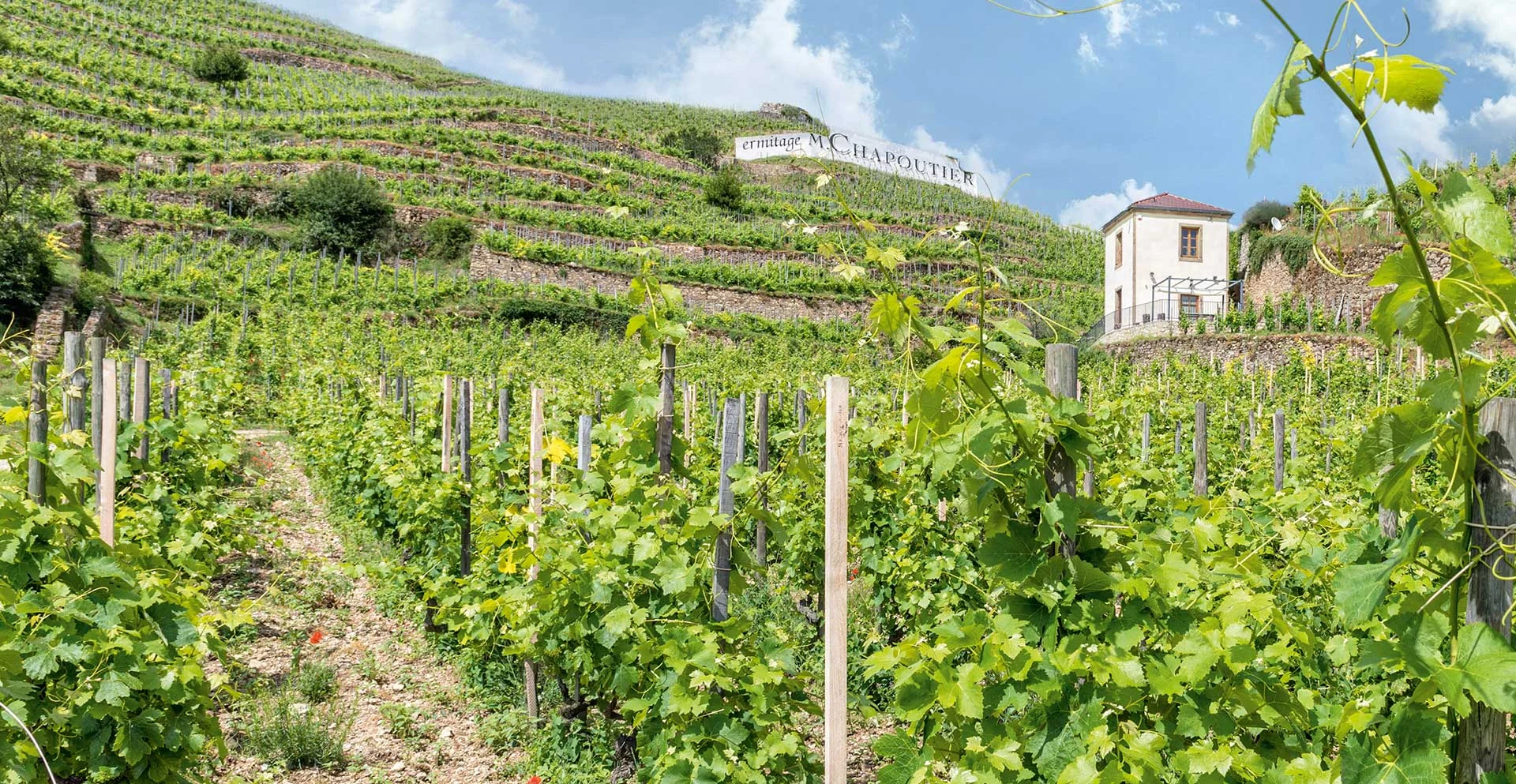
| Chapoutier | Tain-l'Hermitage | World's 50 Best |
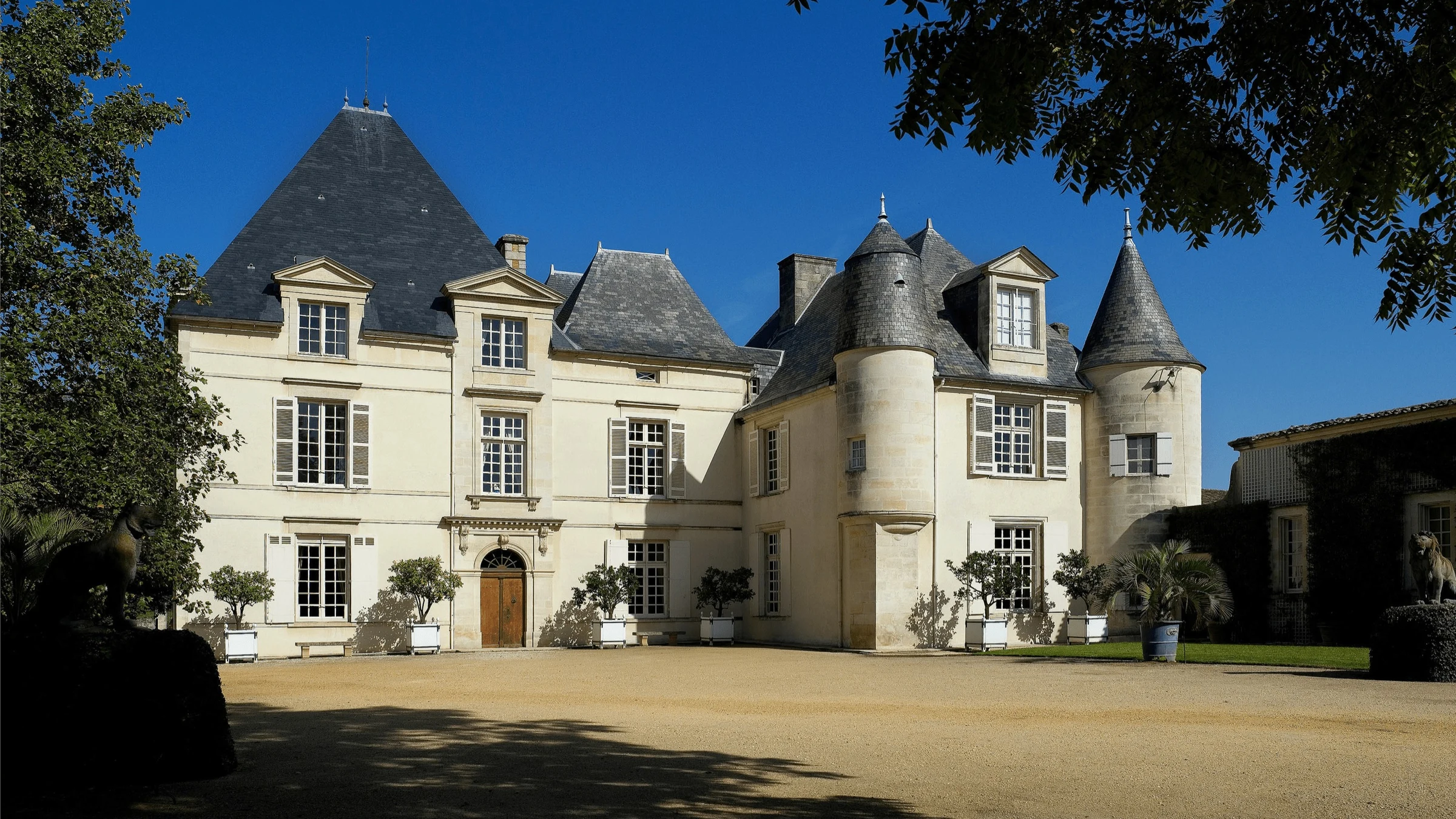
| Chateau Haut-Brion | Pessac | World's 50 Best |
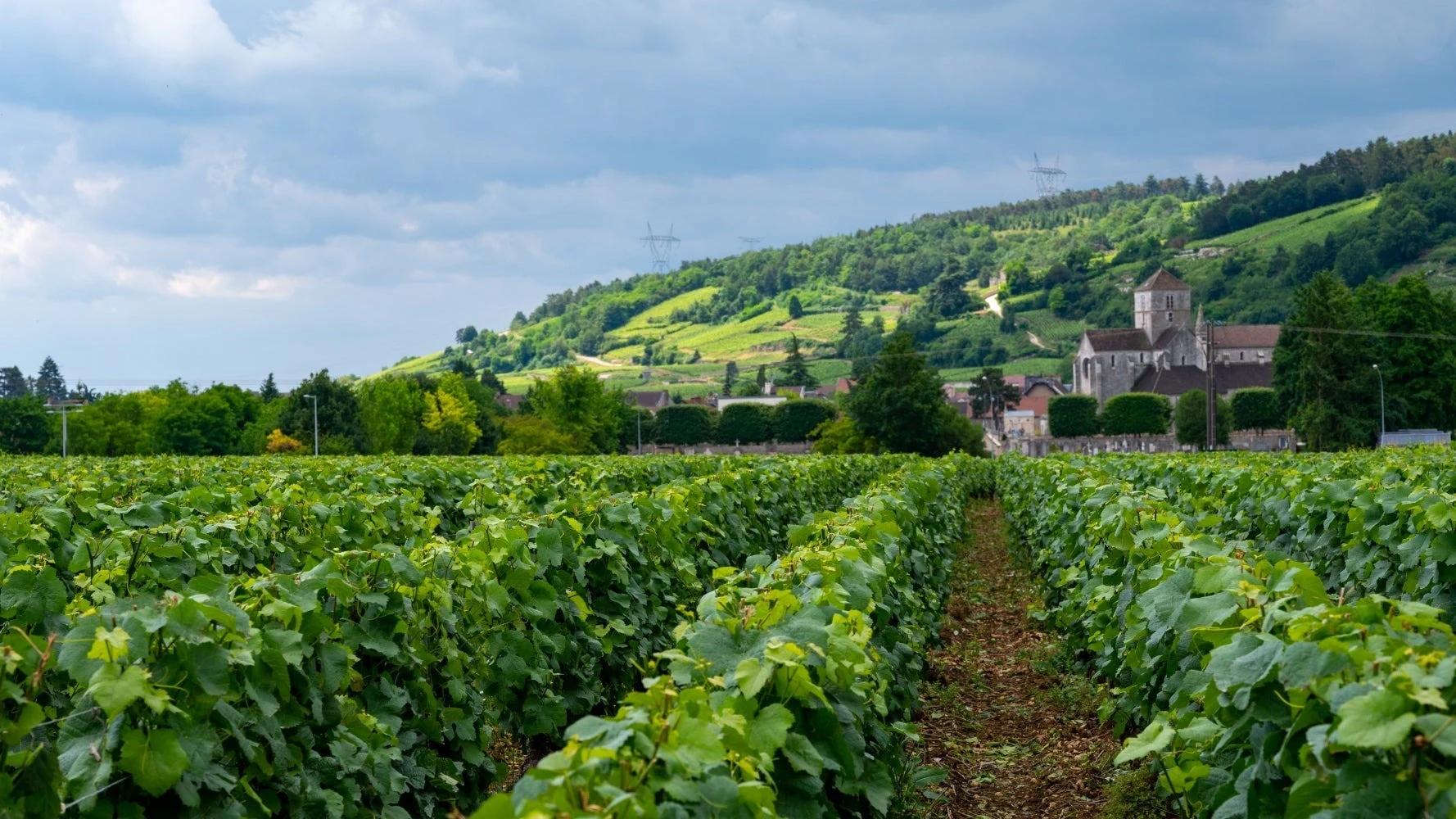
| Domaine Comte Georges de Vogüé | Chambolle-Musigny | · |
| Masseto | Castagneto Carducci | · |
| Taittinger | Reims | World's 50 Best |