- Falstaff Winery - 2 Stars · 2026
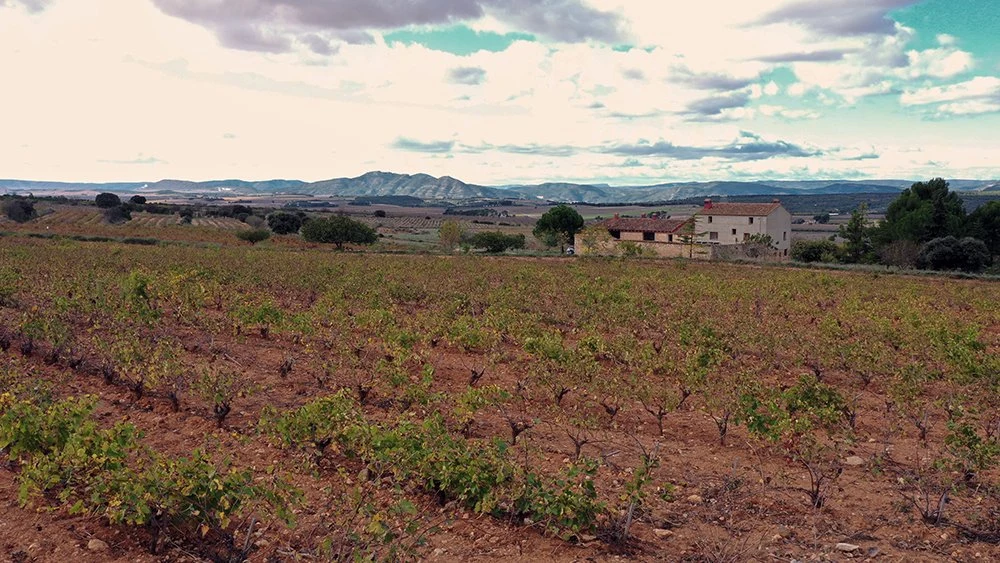
Fontanars dels Alforins is not the Spain of grand bodegas built for coach tours. The rhythm is quieter: vineyard country, agricultural roads, and a Valencian interior where altitude matters as much as sunshine. Bodegas Rafael Cambra fits that scale: small, serious, and focused on what the Clariano subzone can say through native grapes rather than architecture.
The estate sits inside DO Valencia, a region with ancient viticultural depth but less international shorthand than Rioja, Ribera del Duero, or Priorat. That is the point: the conversation turns to Mediterranean varieties grown at elevation, old and recovered grapes, and wines that avoid the overripe register often attached to warmer Spain. Cambra gives that argument bottle-by-bottle evidence.
High-altitude Valencia, read through native grapes
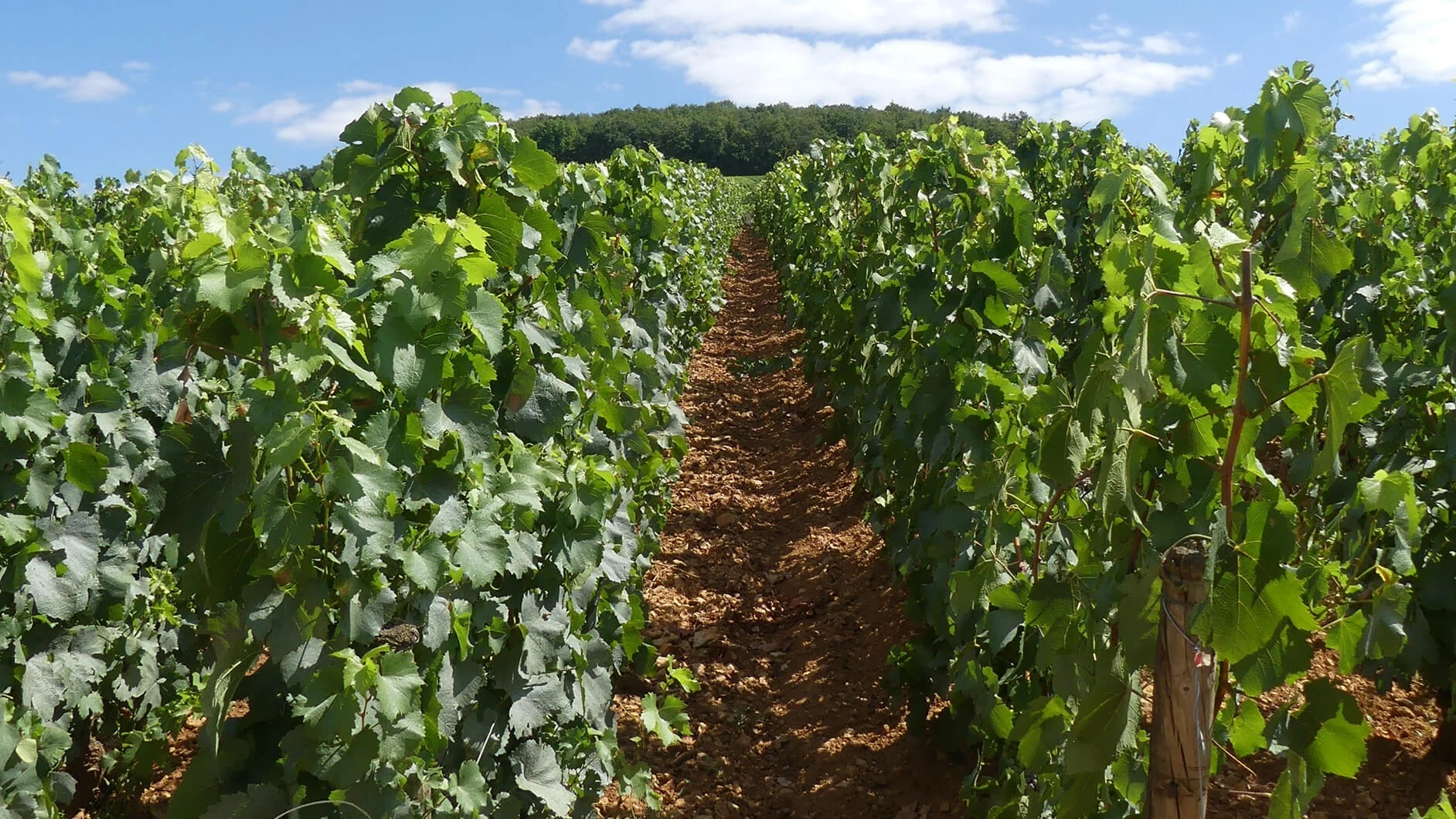
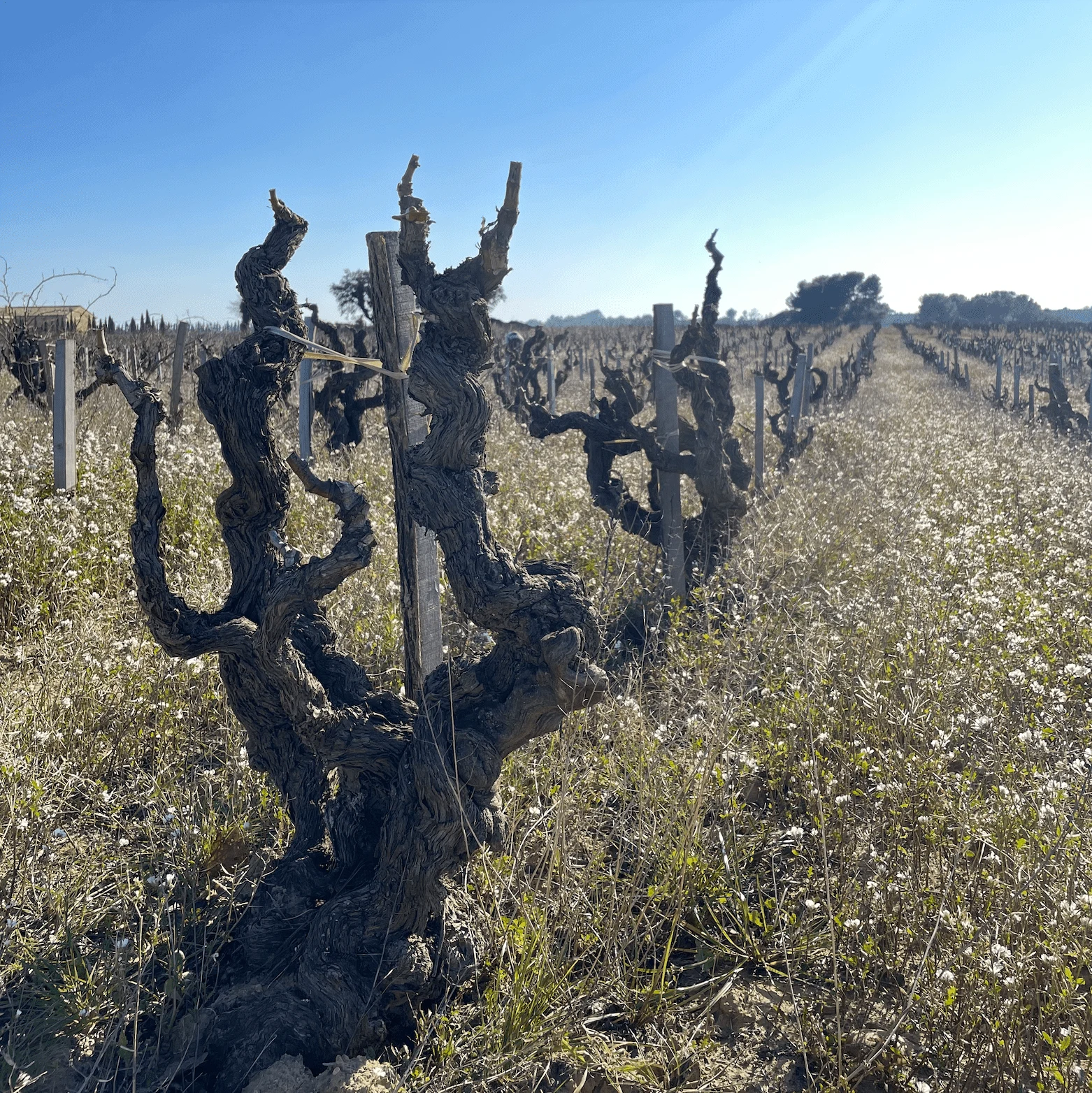
The defining fact is elevation. Estate parcels around Fontanars dels Alforins are associated with roughly 700 metres of altitude, with sandy soils, small stones, terraces, and clay-limestone sites across the range. The estate is not simply chasing ripeness; it uses altitude and drainage to hold shape in varieties that can become broad in Mediterranean heat.
Grape choices sharpen the regional story. Monastrell and Garnacha provide familiar Spanish reference points, but the revealing names are Forcallat, Arco, Bonicaire, and Malvasia. These are not label curiosities: they place the winery among producers making Valencia’s genetic inheritance central to the portfolio. La Forcalla de Antonia, from Forcallat, and Casa Labor, from Arco, make local-variety recovery commercial, not museum-like.
Critic recognition gives measurable weight. Casa Sosegada 2023 received 96 points from Robert Parker, while Casa Labor 2024 and La Forcalla de Antonia 2024 each received 95 points from Robert Parker and 93 points from Guía Peñín. Mallaura Tinto 2023 also reached 95 points from Robert Parker. The numbers matter less as trophies than as proof that this Valencian register is judged beside Spain’s better-known regions.
The production language follows the same argument: sustainable viticulture, low-intervention winemaking, indigenous yeasts, small stainless-steel deposits, and vessels that can include barriques and larger old foudres. The aim is control without sanding away place. For travellers building a wider wine route, our full Fontanaras Dels Alforins wineries guide is the natural starting point; meals, stays, drinks, and activities can sit alongside our full Fontanaras Dels Alforins restaurants guide, our full Fontanaras Dels Alforins hotels guide, our full Fontanaras Dels Alforins bars guide, and our full Fontanaras Dels Alforins experiences guide.
A small winery visit built around learning, not spectacle
The atmosphere is craft-focused rather than theatrical. Listed formats are tasting room and wine shop, with vineyard tour and estate grounds as experience elements. This is for people who want to understand varietal recovery, parcel differences, and DO Valencia’s inland character, not a polished hospitality circuit with food-pairing choreography. The setting is quiet, production is small, and the mood is rustic without being casual about the wines.
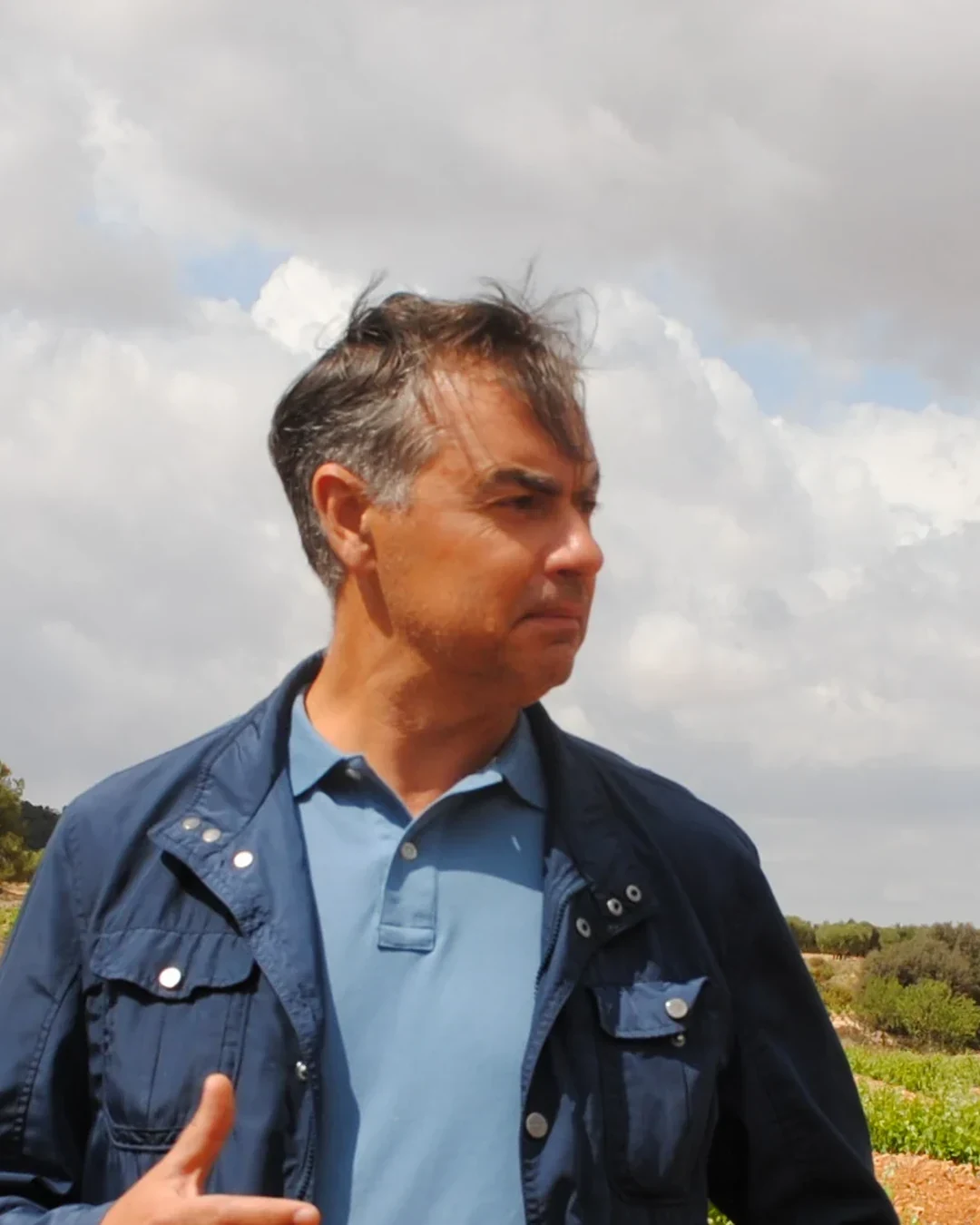
Rafa Cambra founded the project in 2001, and his family background in vine nurseries gives the winery an unusually technical base. That matters because the producer’s identity is tied to vine material: which varieties survive, which rootstocks fit, and which parcels can carry grapes larger markets ignored. His French oenology training adds another credential, but the larger story is regional: Valencia using precision to argue for its own varieties rather than copying a prestige template.
The portfolio spans still reds and whites. Rafael Cambra Uno 2023 is 100% Monastrell and received 94 points from Robert Parker. Rafael Cambra Dos 2023 blends Cabernet Sauvignon and Cabernet Franc, with 93 points from Robert Parker and 91 from Guía Peñín, showing the cellar can handle international grapes without letting them define the estate. Soplo Blanco 2024, from Malvasia, and Soplo Tinto 2024, from Garnacha, both received 92-point Guía Peñín scores, while Soplo Blanco also received 93 points from Robert Parker. The lesson is range: entry-level bottles and ambitious parcel wines belong to the same terroir argument.
Price positioning is accessible middle rather than trophy-wine tier, with the venue marked as $$ and several named bottles historically priced below Spain’s collector-region level. That makes the winery valuable for travellers who want a serious regional project without turning the visit into a luxury appointment. The absence of elaborate dining keeps attention on viticulture, grape identity, and the difference between sandy, stony, and clay-limestone parcels.
How to place it within a Spanish wine itinerary
Bodegas Rafael Cambra makes strongest sense when the itinerary is about Spain beyond obvious labels. It pairs intellectually with routes considering how small producers outside the loudest appellations define themselves through site, variety, and restraint. Readers comparing Spanish winery travel may also look at 3 Ases Bodegas y Viñedos in Quintanilla De Arriba, 4Kilos Vinícola in Felanitx, Aalto Bodegas y Vinedos in Quintanilla De Onesimo Valladolid, Abadia de Aribayos in Moraleja Del Vino, and Abadía Retuerta in Sardón de Duero, not as local substitutes but as different expressions of how Spanish wine regions frame ambition.
For a collector or wine student, the reason to pay attention is the native-variety work: Forcallat, Arco, Bonicaire, Monastrell, and Malvasia form a more persuasive identity than a generic Mediterranean red-wine pitch. For a traveller, the appeal is scale. This is a walk-in-friendly, casual, small-capacity winery experience in Fontanars dels Alforins, better suited to focused tasting than group entertainment. English and Spanish are listed for tours, broadening educational value without changing the quiet nature of the visit.
The broader European context helps too. Producers such as Abel Mendoza Monge in San Vicente de la Sonsierra, Acústic Celler in Els Guiamets, Adega Algueira in Sober, »der Steiner« Hans Steiner in Podersdorf am See, and & Handwein in Mannheim sit elsewhere, but frame a common question for modern wine travel: how much can a small producer teach through grape choice, site discipline, and format restraint? In Fontanars dels Alforins, Cambra’s answer is clear: let Valencia speak through its own material, and keep the room quiet enough for visitors to hear it.
Questions
Frequently asked
Who works at Bodegas Rafael Cambra?
Made By profiles Rafa Cambra (Winemaker) at Bodegas Rafael Cambra.
How expensive is Bodegas Rafael Cambra?
Bodegas Rafael Cambra is listed at a price level of $$.
The field
How it compares
| Place | Notes | Awards |
|---|---|---|
| Bodegas Rafael Cambra | Fontanars dels Alforins, $$ | · |
| Domaine Bonneau du Martray | Pernand-Vergelesses | · |
| Domaine La Barroche | Châteauneuf-du-Pape | · |
| Domaines Barons de Rothschild (Lafite) | Bordeaux | · |
| Kumeu River Wines | Kumeu | World's 50 Best |
| Scarecrow | Napa | · |
| The Macallan | Aberlour | · |