Bodegas Rosario Vera
- 01CityGuardia, Spain
- Falstaff Winery - 3 Stars · 2026
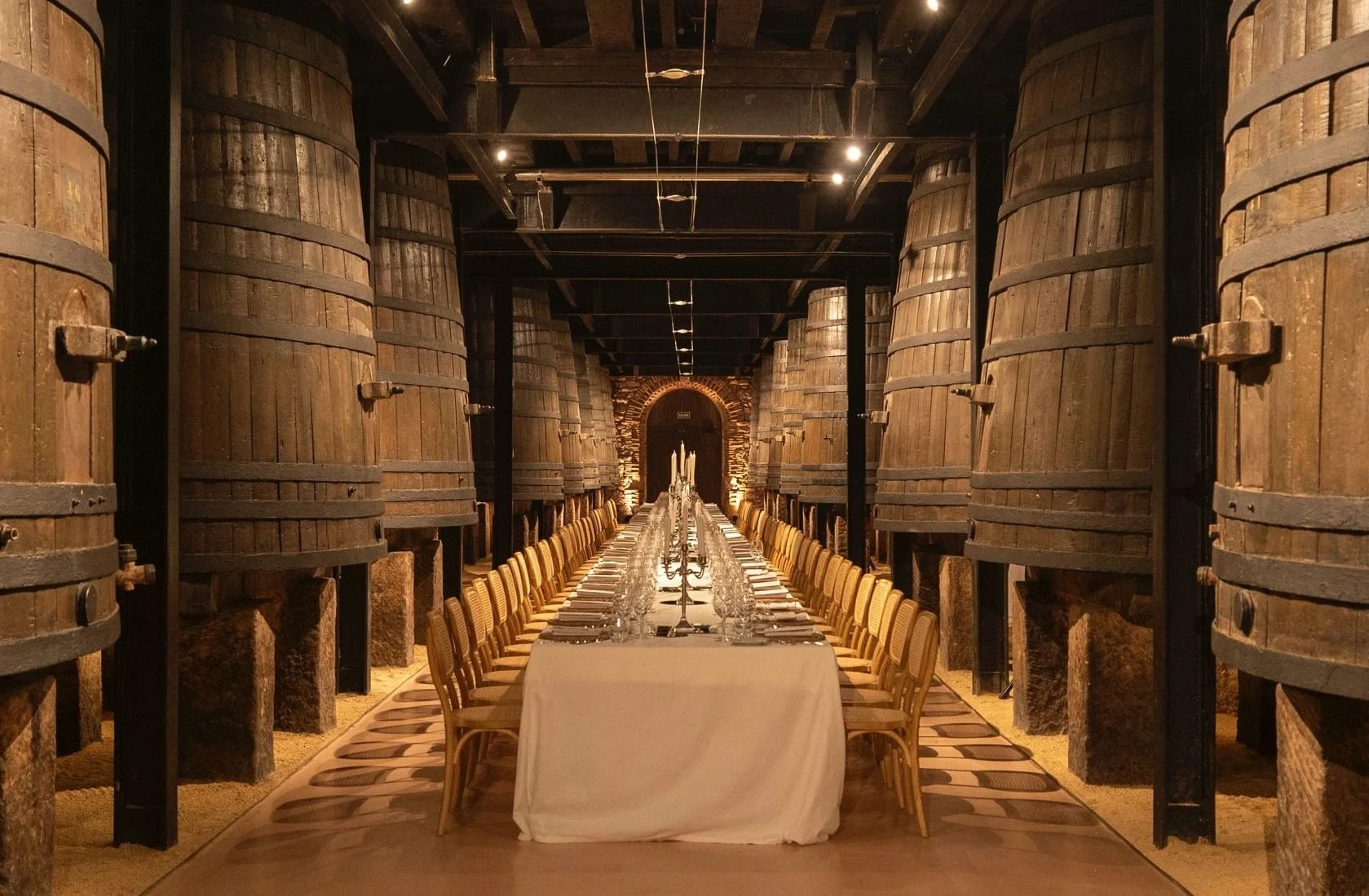
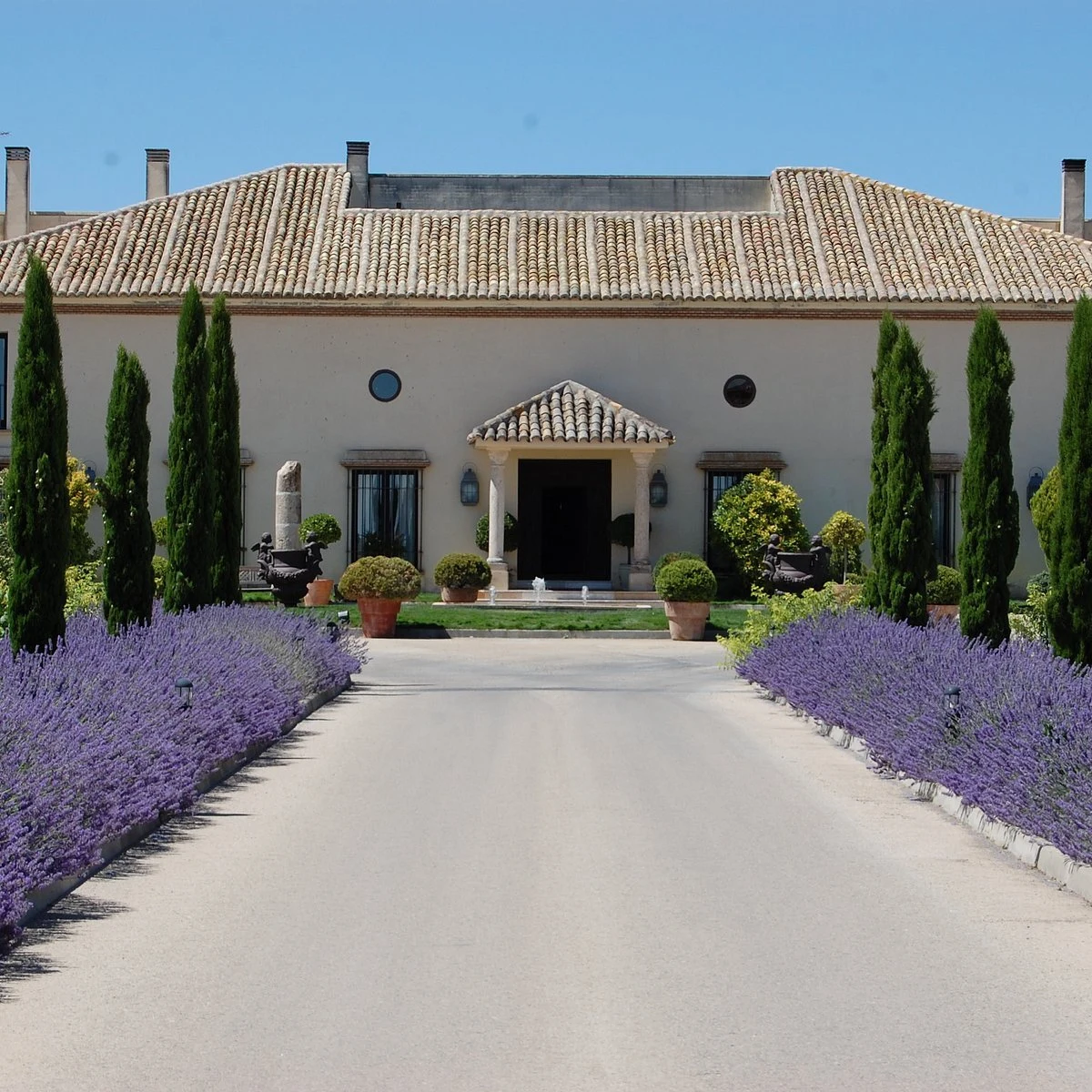
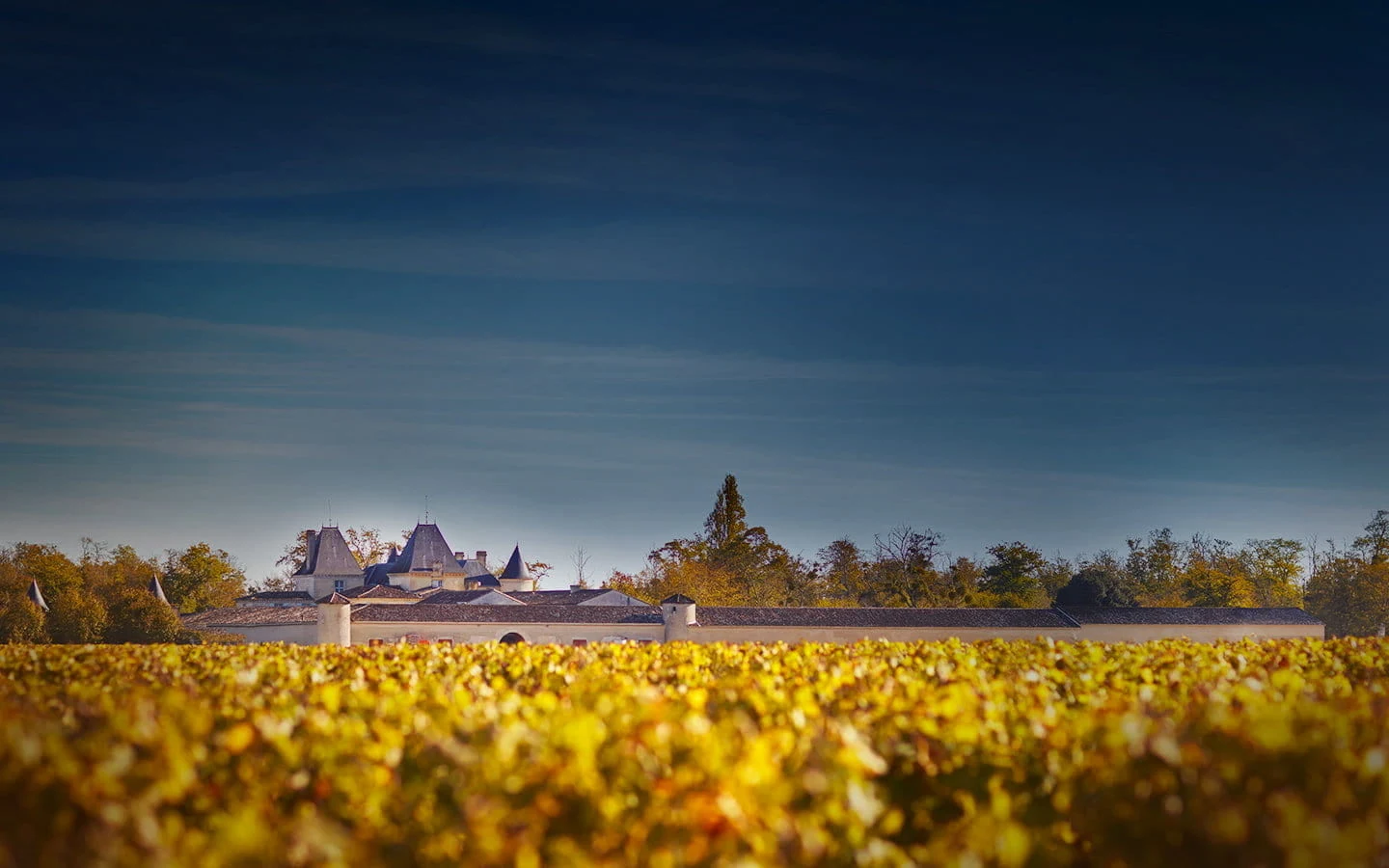
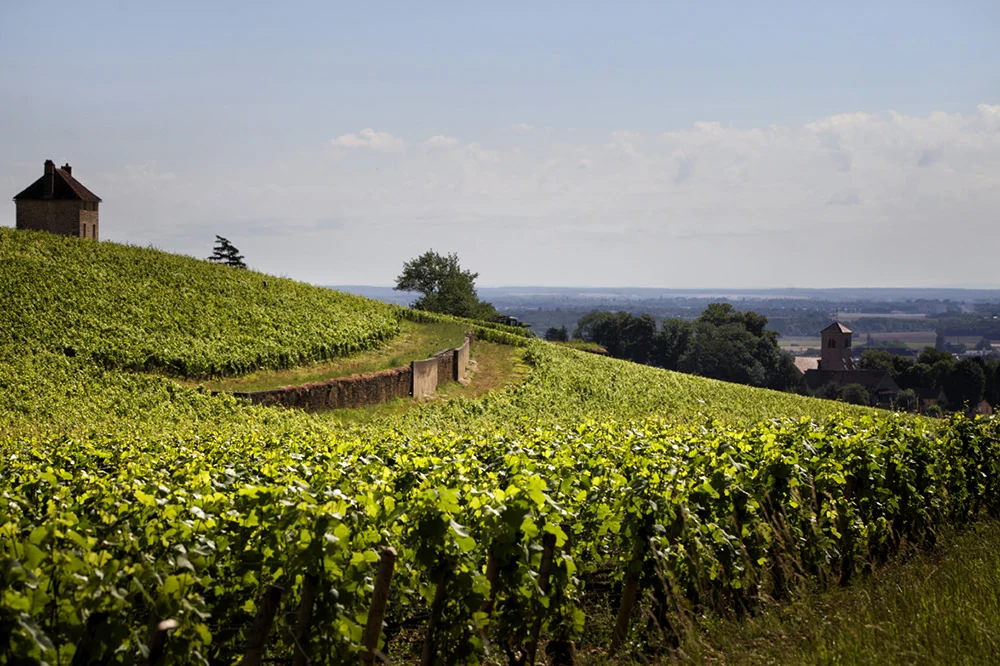
Bodegas Rosario Vera in Guardia is best understood as a contemporary Rioja Alavesa winery set against a rural, scenic vineyard landscape near the Sierra Cantabria. The picture is deliberately simple: this is a modern, quality-driven project backed by Gil Family Estates, with Tempranillo at the center and a style framed around vibrant, youthful red wine rather than a heavy or old-fashioned impression. For travelers planning time in Guardia, its appeal comes from that combination of setting, family-backed structure, and a clear regional focus.
The landscape is an important part of the experience. Guardia sits in Rioja Alavesa, where vineyards and mountain views shape the identity of the area as much as cellar technique or brand history. Bodegas Rosario Vera belongs to that scenic context. It is not presented here as an urban tasting room, a restaurant, or a hospitality complex with a fully list of services; the reliable facts point instead to a winery whose identity rests on the vineyard setting, the Sierra Cantabria backdrop, and a modern approach to Rioja Alavesa Tempranillo.
Rioja Alavesa Tempranillo, read through setting and style
Tempranillo is the key grape to keep in view when considering Bodegas Rosario Vera. The positioning is focused on vibrant, youthful Tempranillo wines, which gives the winery a contemporary Rioja Alavesa profile. That does not require overstating details about individual parcels, vine age, fermentation methods, oak regimes, or named bottlings when those specifics are not part of the confirmed record here. The useful takeaway is broader but still meaningful: this is a Guardia winery using Rioja Alavesa as the frame for a fresh, modern expression of Tempranillo.
That matters because Rioja can mean many things to different drinkers. Some associate the region with long aging, traditional cellar signatures, or broad commercial labels. Bodegas Rosario Vera is better described, on the facts available, as a modern and quality-driven project in Rioja Alavesa. Its emphasis on youthful Tempranillo gives visitors and readers a way to understand the winery without inventing a technical profile that has not been confirmed.
For a Guardia wine itinerary, Bodegas Rosario Vera can be considered alongside other dining and wine-country planning in the area in a general sense, but the strongest comparison remains internal: how this winery’s contemporary, family-backed approach reads within the surrounding vineyard landscape. The point is not to rank it against named neighbors or claim specific awards, scores, or formats. The point is to place it honestly within Guardia’s wider appeal as a Rioja Alavesa destination.
A family-backed project with a modern Rioja Alavesa identity
Gil Family Estates is a central part of the identity of Bodegas Rosario Vera. That backing gives the winery a different profile from a purely independent, single-cellar story, while still allowing the Guardia site and Rioja Alavesa setting to remain central. The project reads as contemporary rather than antique in tone, and its quality-driven focus is tied to Tempranillo rather than to a broad menu of attractions.
The name Bodegas Rosario Vera also carries the feel of a personal or family-linked project, but the safest editorial emphasis is on the confirmed structure: a Gil Family Estates-backed winery in Guardia, working within the scenic vineyard landscape near the Sierra Cantabria and centered on vibrant, youthful Tempranillo. Those are the facts that shape the venue’s identity. Claims about founding dates, exact production choices, old vines, formal visit programs, food pairings, private events, or hospitality capacity should not be treated as confirmed unless separately verified.
Atmosphere is another area where the description is useful but should remain measured. The setting may be described as scenic, rustic, romantic, and contemporary. That language supports a picture of a wine-country stop with landscape appeal and a polished modern sensibility. It does not confirm details such as outdoor seating, parking, reservation rules, group size, or a particular style of guided service. For readers, that distinction matters: the reliable promise is the character of the place, not a checklist of amenities.
How to fold it into a Guardia wine trip
Guardia rewards travelers who plan around wine, scenery, and the rhythm of Rioja Alavesa. Bodegas Rosario Vera fits that kind of trip because its strengths are clear: a Guardia location, a vineyard landscape near the Sierra Cantabria, Gil Family Estates backing, and a modern focus on youthful Tempranillo. It is a sensible name to keep on a short list for travelers interested in contemporary Rioja Alavesa rather than only traditional cellar imagery.
Because specific visit formats are not confirmed here, travelers should avoid assuming details such as reservation-only access, vineyard tours, private tastings, food pairings, take-out, delivery, lunch service, or restaurant-style dining. The better approach is to treat Bodegas Rosario Vera as a winery to research directly before visiting, especially if timing, group size, accessibility, or service expectations matter. The price indicator is $$, which gives a broad sense of positioning without confirming a specific tasting fee, bottle price, or menu structure.
As part of a broader Guardia plan, build the day around the area’s vineyard landscape and leave room for other local dining or wine-country stops without relying on comparisons. Bodegas Rosario Vera’s appeal is strongest when described plainly: a contemporary Rioja Alavesa winery in Guardia, backed by Gil Family Estates, with a scenic rural mood and a focus on vibrant, youthful Tempranillo. That is enough to make it relevant for travelers who value setting, regional identity, and a modern reading of Rioja.
Questions
Frequently asked
How expensive is Bodegas Rosario Vera?
Bodegas Rosario Vera is listed at a price level of $$.
The field
How it compares
| Place | Notes |
|---|---|
| Bodegas Rosario Vera | Rioja Alavesa, $$ |
| Bodegas Exopto | Guardia |
| Bodegas Vallobera | Guardia |
| Bodegas y Viñedos Martuela | Guardia |
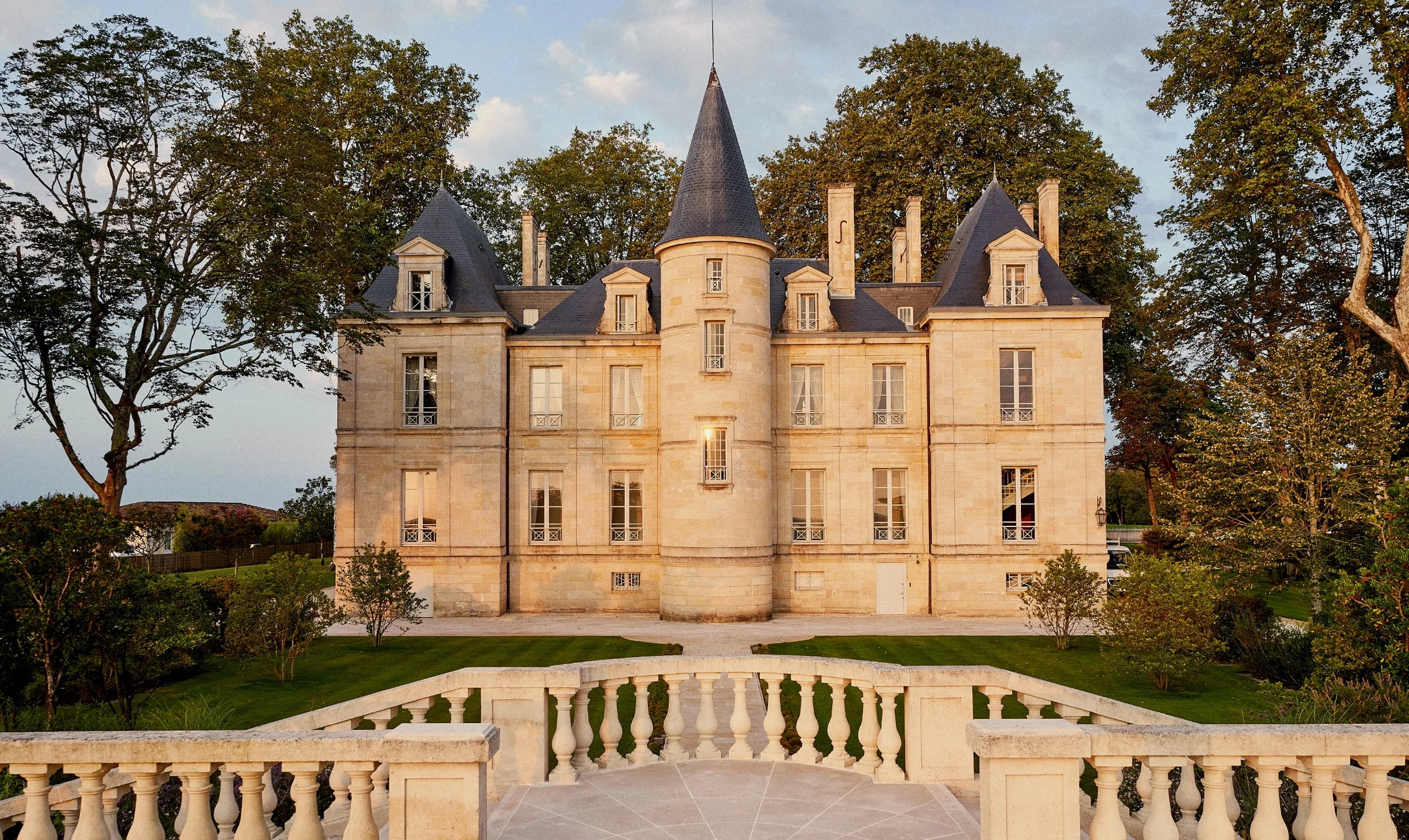
| Château Pichon-Longueville-Comtesse-de-Lalande | Pauillac |
| Château Suduiraut | Preignac |
| Domaine Denis Mortet | Gevrey-Chambertin |