- Falstaff Winery - Listed · 2026
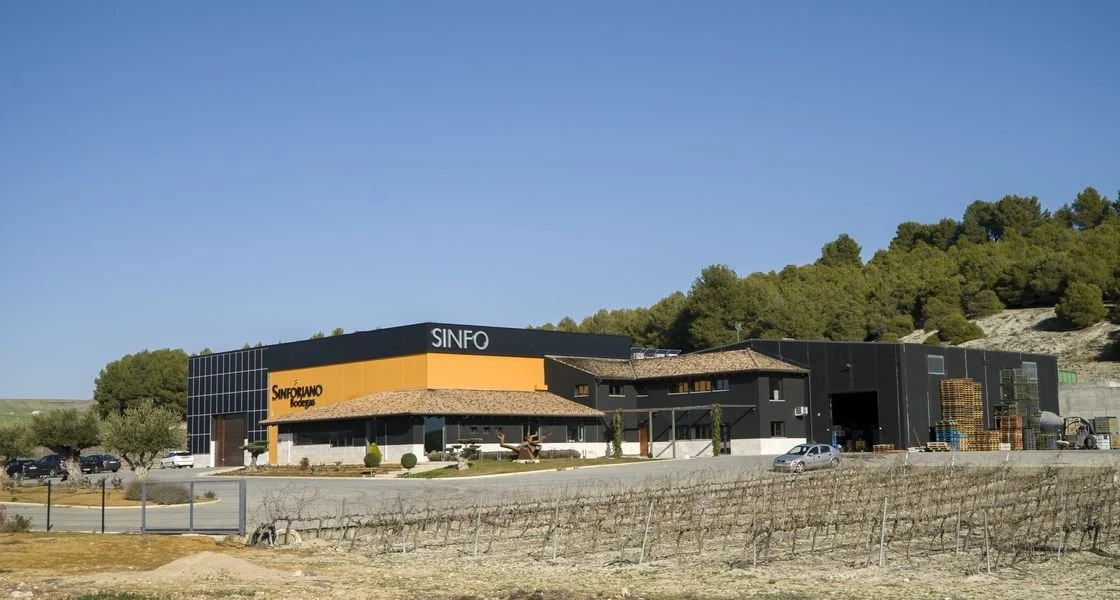
Approaching wine country around Mucientes, the visual language is Castilian rather than resort-polished: open sky, pale soils, low vines and practical production architecture. This is Cigales, a denomination where rosé is central, not an afterthought to red wine. Bodegas Sinforiano fits that argument. Its interest is not luxury theatre, but how a family winery founded in 1966 has used estate vineyards to keep rosé tied to place rather than fashion.
Cigales sits in Castilla y León, often discussed through powerful reds, yet its identity has long been bound to clarete and rosé traditions. That matters because Spanish rosé is often misunderstood abroad as seasonal and simple. In Mucientes, stronger examples are more specific: Tempranillo gives structure, white varieties such as Verdejo and Albillo sharpen aromatic lift, and altitude preserves tension in a warm inland climate. Bodegas Sinforiano leans into that grammar, with still rosé at the core, supported by still red and still white wines.
Cigales rosé treated as a serious regional language
The useful way to read this winery is through proportion. A producer dedicating 85% of production to pink wines is not merely adding rosé to a commercial portfolio; it commits cellar decisions, vineyard selection and market identity to a category many regions treat casually. That percentage gives Bodegas Sinforiano a clear place inside Cigales: rosé is the lens, not a side note.
The estate works with grapes associated with the zone, including Tempranillo, Garnacha, Verdejo and Albillo. The Sinfo label is the accessible face of the portfolio, the Sinforiano range moves into more selective territory, and Raimun provides a more contemporary line. The point is not hierarchy for its own sake, but how those labels let the cellar stretch Cigales beyond one expression. Rosé can be young, direct and regional; with older-vine material and barrel work, it can also gain weight.
Recognition has followed. The bodega’s rosés received Grande Médaille d’or awards at the Concours Mondial de Bruxelles in 2019 and 2023, a useful signal because international competitions often reward technical polish, while Cigales’ strongest wines also need regional character. For drinkers trying to understand the denomination, the wines remain local in tradition yet tested beyond the local circuit.
There is also a collector-facing red-wine footnote. The 2009 Sinforiano “50 Vendimias” was made from Tempranillo sourced from a 105-year-old vineyard in the Mucientes area. That old-vine reference shows why the bodega should not be read only through rosé: it is a rosé specialist with material to support concentrated reds when the cellar chooses that route.
Estate vineyards, altitude and the practical character of Mucientes
The terroir story is unusually legible. The winery manages 70 hectares of its own vineyards, split between 40 hectares of traditional vaso bush vines and 30 hectares trained on espaldera trellis. In Castilla y León, that division matters. Bush vines speak to older dry-farming logic and resilience; trellising gives more control over canopy, exposure and vineyard work. The vineyard base uses tradition and modernity together rather than opposing them.
Altitude frames the wines. The vineyards sit around 740 metres, in the valley of the Pisuerga and on the slopes of the Montes Torozos. In a continental climate, that elevation moderates ripening and supports the freshness rosé needs to carry structure instead of relying on fruit alone. Soils are predominantly deep clay-limestone, with chalky, clayey and stony variations across Mucientes plots. Clay can hold moisture through dry periods; limestone and stone affect drainage and mineral tension. The result is rosé with grip as well as perfume.
Estate control is therefore more than a credential. When a winery owns and farms its vineyard base across mixed training systems and soil types, rosé can be assembled by intent rather than leftover selection. In Cigales, that distinction separates serious pink wine from pale branding. Bodegas Sinforiano’s sustainable production philosophy and estate-vineyard structure give its wines a coherent agricultural backbone.
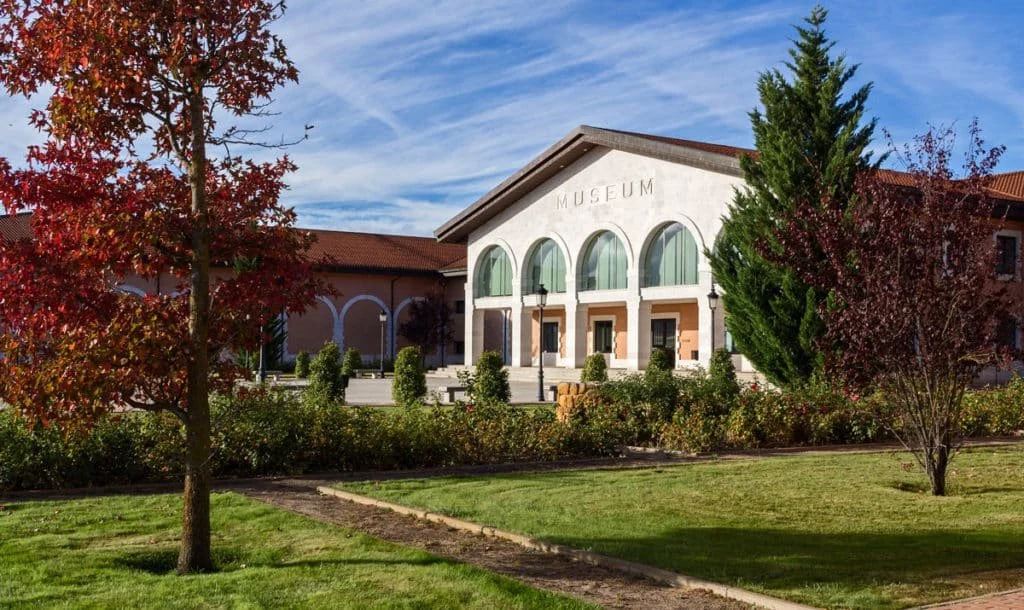
For a wider Mucientes itinerary, the regional picture helps. Nearby wine context begins with Finca Museum, while broader planning sits in Our full Mucientes wineries guide. The town’s appeal is not one cellar alone; it works better as a compact wine stop where restaurants, bars, hotels and cultural visits can be considered through Our full Mucientes restaurants guide, Our full Mucientes bars guide, Our full Mucientes hotels guide and Our full Mucientes experiences guide.
How to place it within a wider Spanish wine map
Bodegas Sinforiano rewards drinkers who arrive with Cigales in mind rather than expecting a generic Spanish tasting. The stronger read is educational: how rosé behaves when Tempranillo is joined by regional white grapes, how clay-limestone soils and altitude shape freshness, and how a family-run winery founded in the 1960s has stayed aligned with a local category now receiving more serious attention.
For travellers building a broader Iberian wine route, the national spread is wide: Ribera del Duero addresses structure and cellar power through producers such as Aalto Bodegas y Vinedos in Quintanilla De Onesimo Valladolid and Abadía Retuerta in Sardón de Duero; Zamora and nearby Castilla y León routes add houses such as Abadia de Aribayos in Moraleja Del Vino; Rioja’s grower tradition appears through Abel Mendoza Monge in San Vicente de la Sonsierra; and smaller Spanish addresses such as 3 Ases Bodegas y Viñedos in Quintanilla De Arriba, 4Kilos Vinícola in Felanitx and Acústic Celler in Els Guiamets show how regional identity changes sharply across the country. For a European counterpoint beyond Spain, »der Steiner« Hans Steiner in Podersdorf am See and & Handwein in Mannheim underline how local grape culture remains the real reason to travel for wine.
The editorial case for Bodegas Sinforiano is direct: it gives Cigales rosé weight, context and continuity. The visit makes sense for travellers interested in terroir expression, not just cellar hospitality, and for anyone who wants to understand why Mucientes belongs in a serious conversation about Spanish pink wine.
Questions
Frequently asked
Who works at Bodegas Sinforiano?
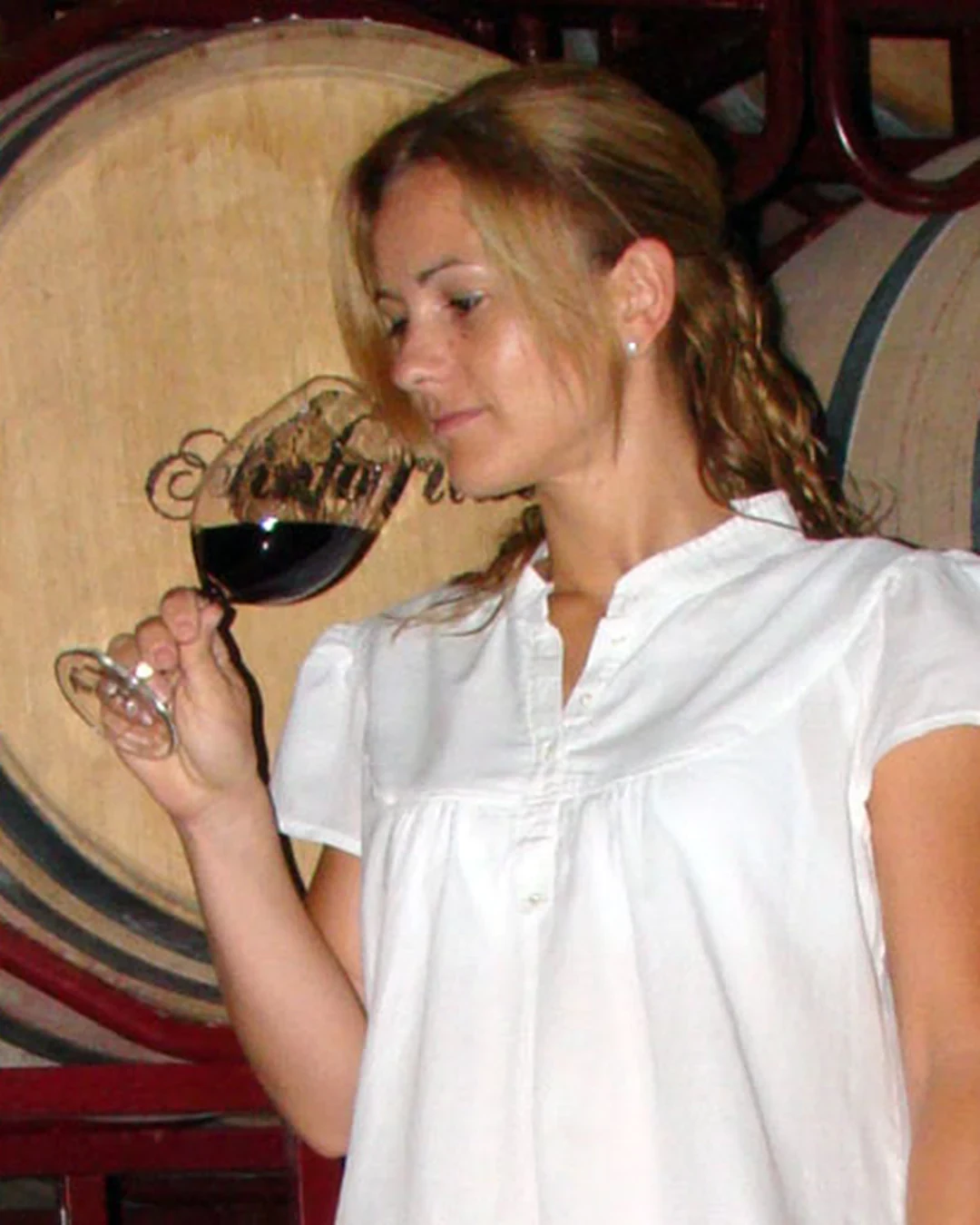
Made By profiles Ruth Sierra de la Gala (Winemaker) at Bodegas Sinforiano.
How expensive is Bodegas Sinforiano?
Bodegas Sinforiano is listed at a price level of $$.
The field
How it compares
| Place | Notes | Awards |
|---|---|---|
| Bodegas Sinforiano | $$ | · |
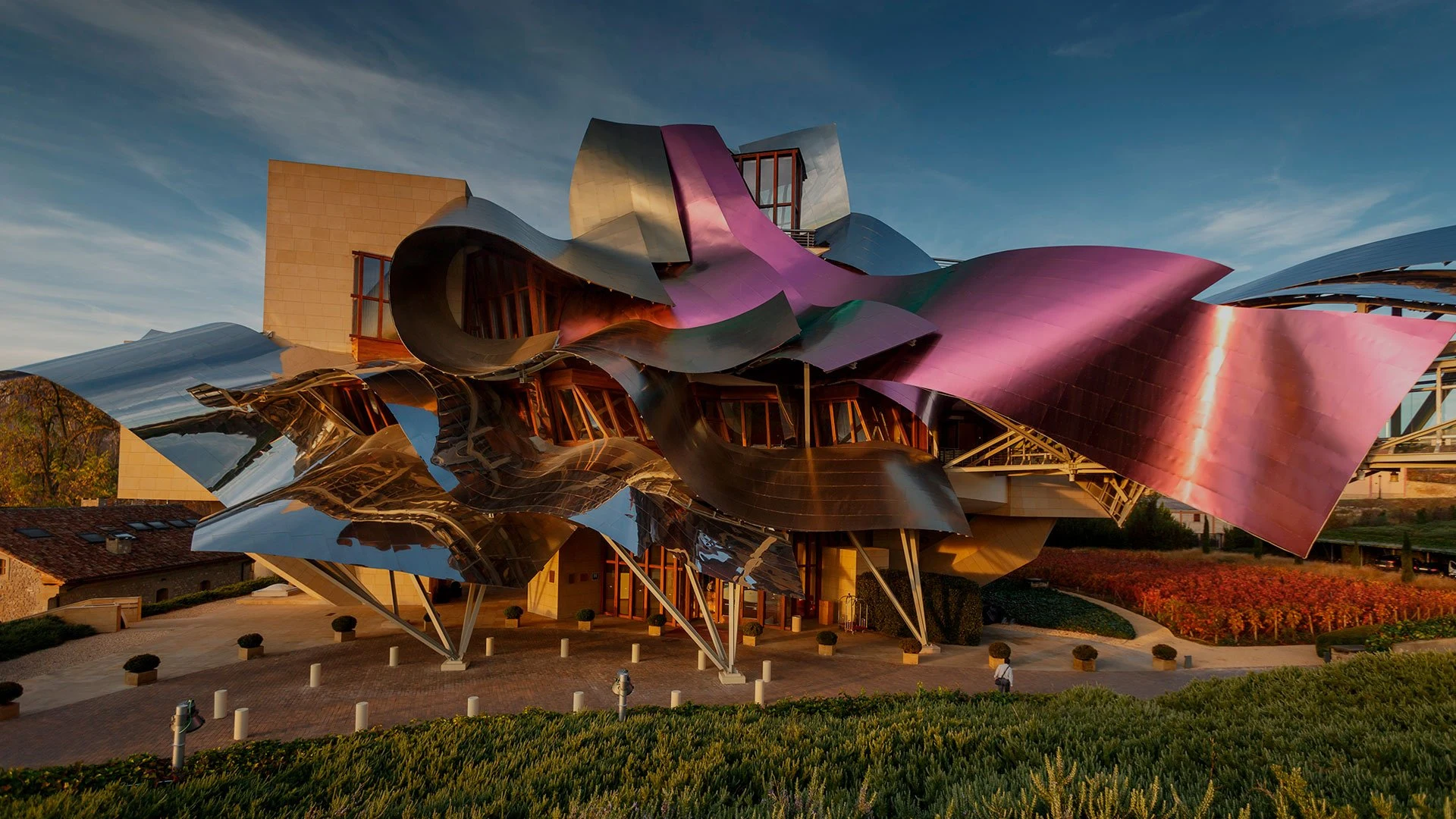
| Bodegas de los Herederos del Marqués de Riscal | Elciego | World's 50 Best |
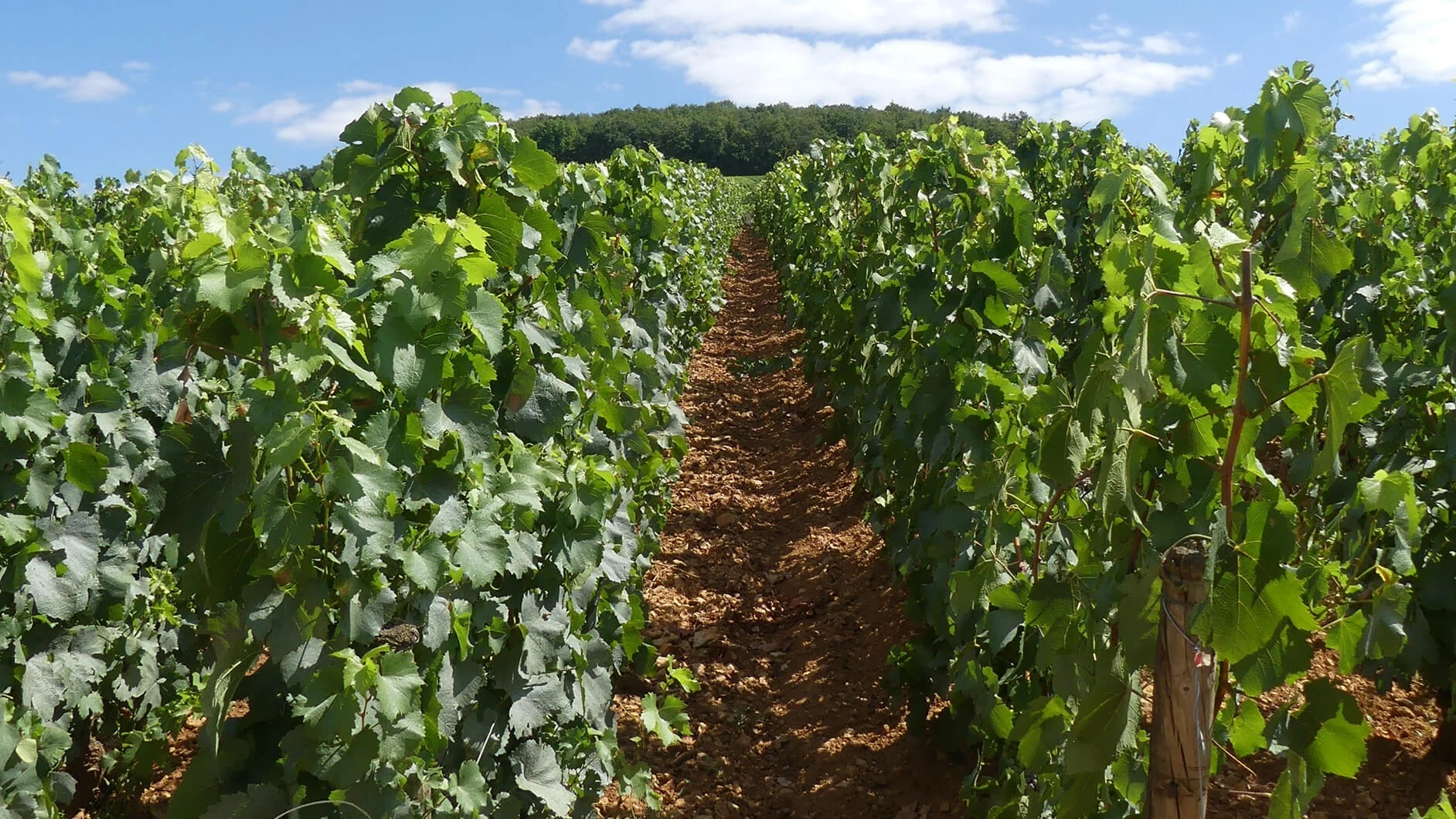
| Domaine Bonneau du Martray | Pernand-Vergelesses | · |
| Finca Museum | Mucientes | · |
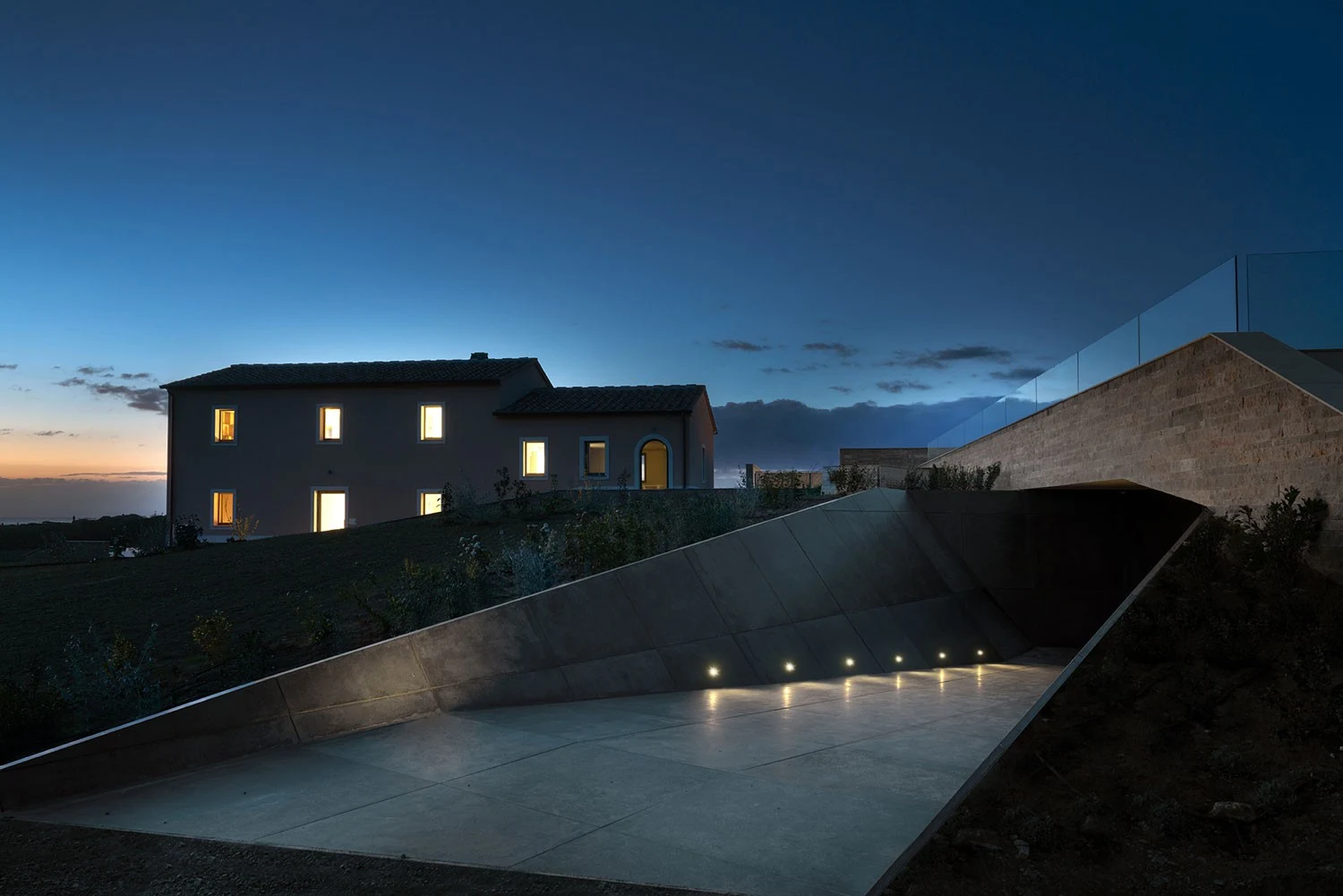
| Masseto | Castagneto Carducci | · |
| Mission Hill Family Estate | West Kelowna | World's 50 Best |
| Yamazaki (Suntory) | Shimamoto | · |