- Falstaff Winery - 3 Stars · 2026
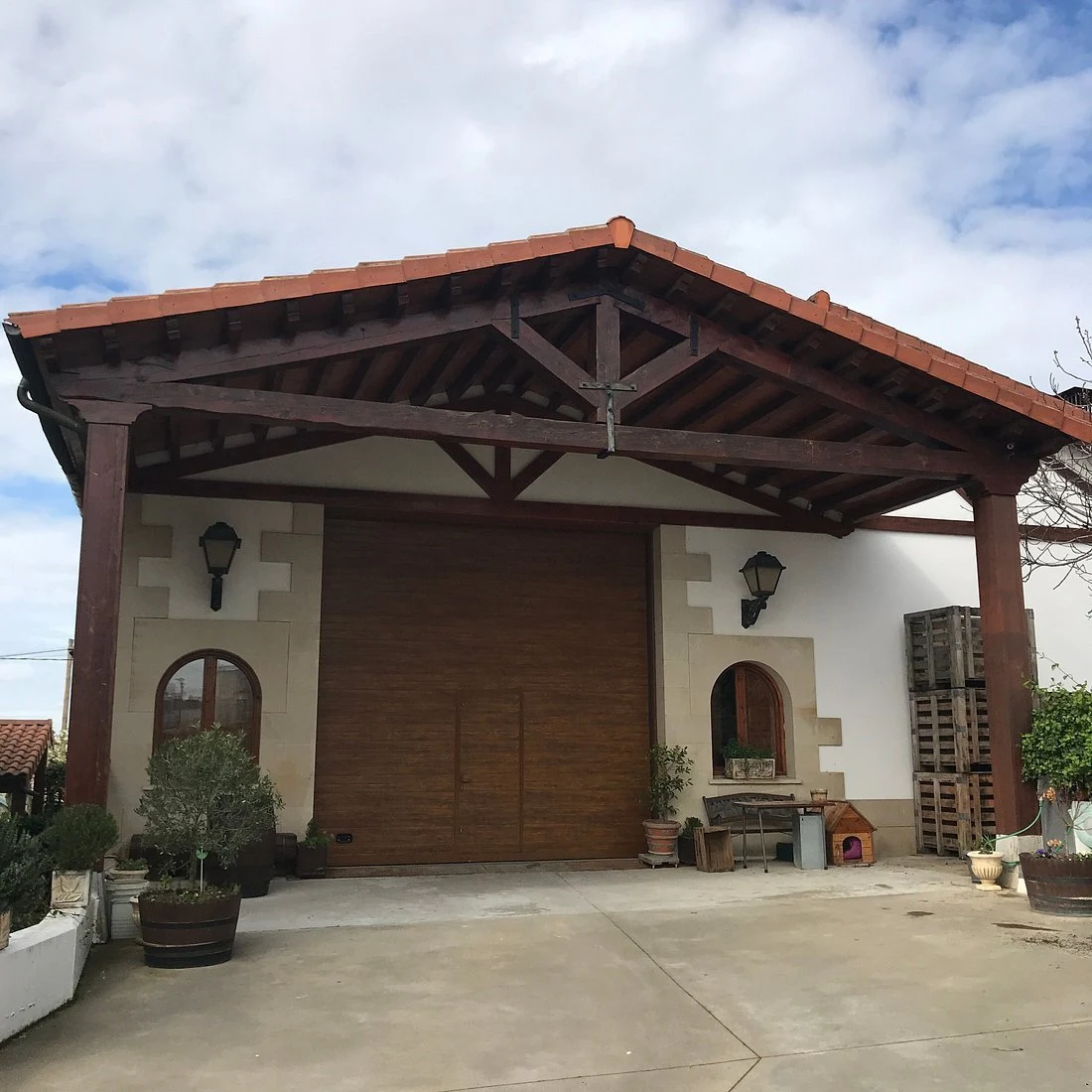
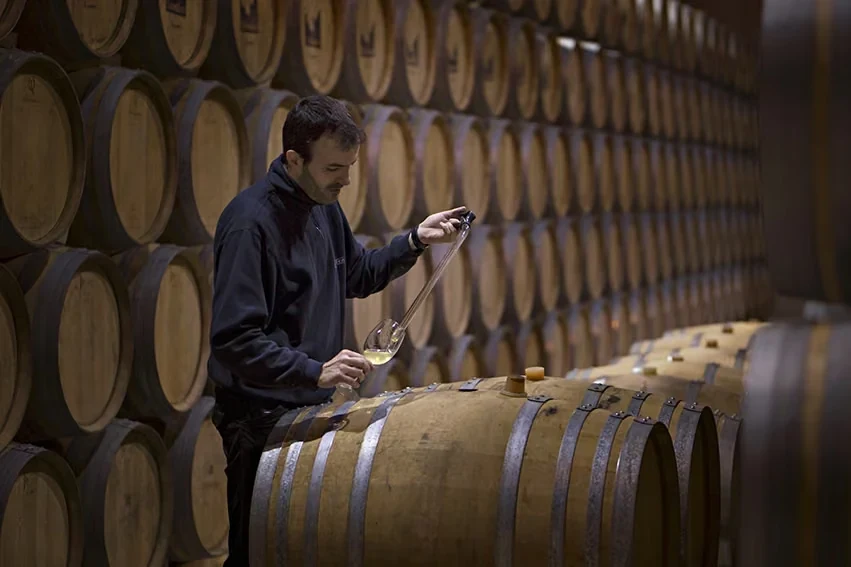
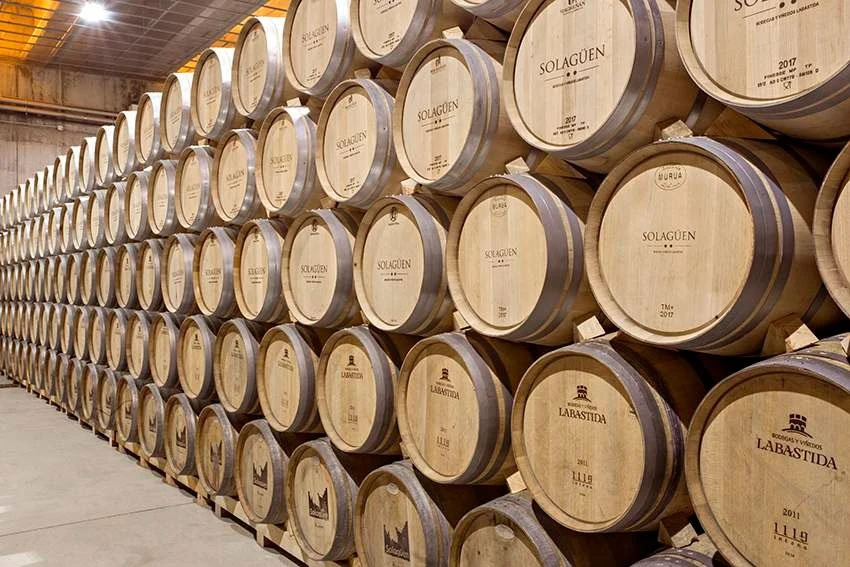
Approach Bodegas y Viñedos Labastida as a working Rioja Alavesa winery rather than a choreographed wine-country salon. The picture is practical and rural: a functional cellar, traditional concrete tanks, and a cooperative setting focused more on vineyard-driven winemaking than on elaborate visitor facilities. In Labastida, the value of the stop is the directness of the place, not designer polish or luxury hospitality. That distinction matters when setting expectations: this is the kind of venue to read through its structure, materials, and working purpose, rather than through a list of added experiences. Its appeal sits in the ordinary mechanics of a cellar that prioritize wine production and local vineyard context over a polished visitor narrative.
Rioja Alavesa through a cooperative lens
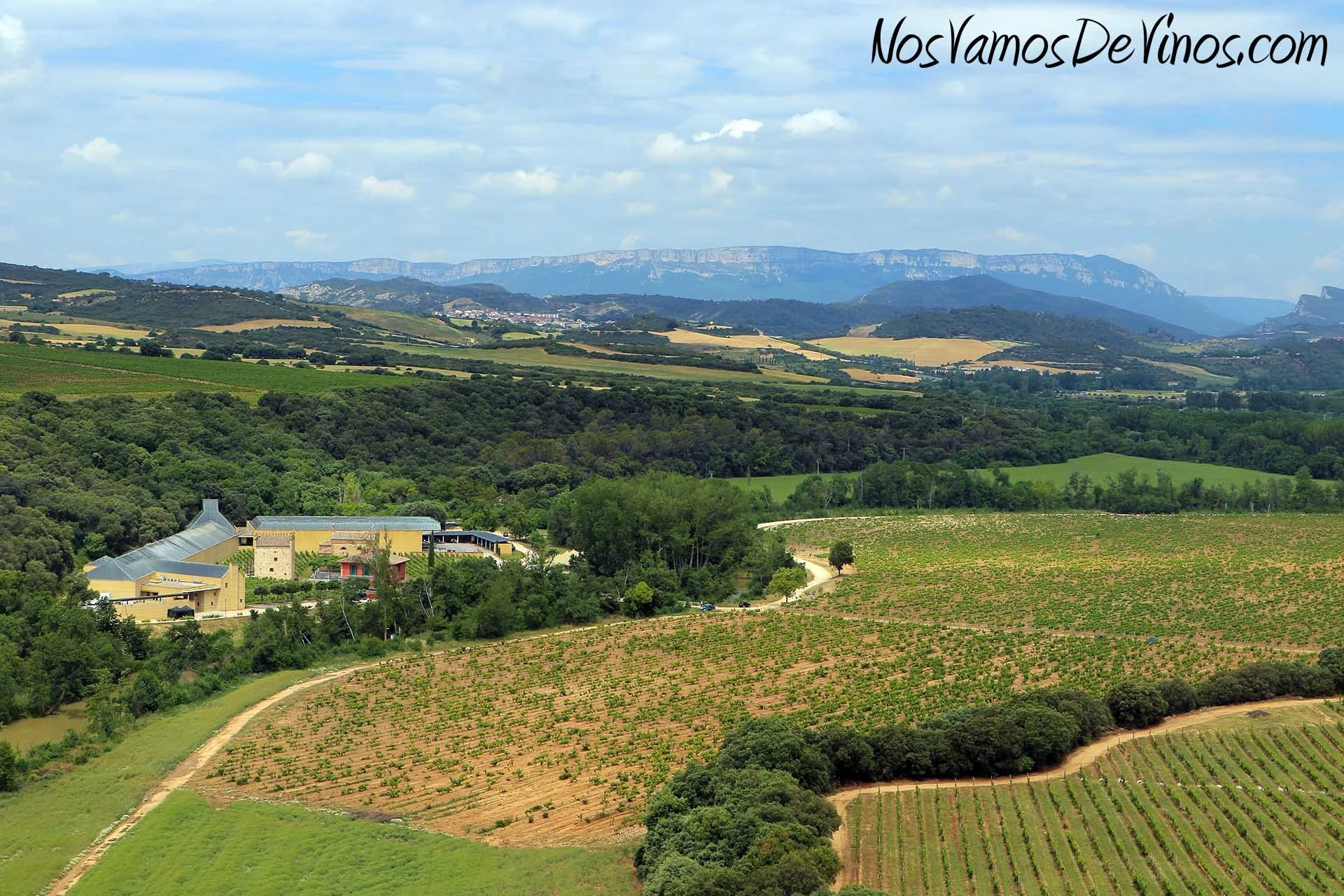
Bodegas y Viñedos Labastida is best understood as a cooperative Rioja Alavesa winery with a working-cellar character. The grounded story is not an award hook, a famous chef-style personality, or a highly staged tasting format; it is a rural cellar whose identity rests on production, concrete tanks, and a vineyard-led approach. That cooperative lens gives the venue a different kind of interest from wineries framed primarily around architecture, prestige, or curated luxury. It points instead toward a shared, practical model of winegrowing and winemaking, where the sense of place is conveyed through the cellar’s function and its connection to the surrounding vineyard landscape.
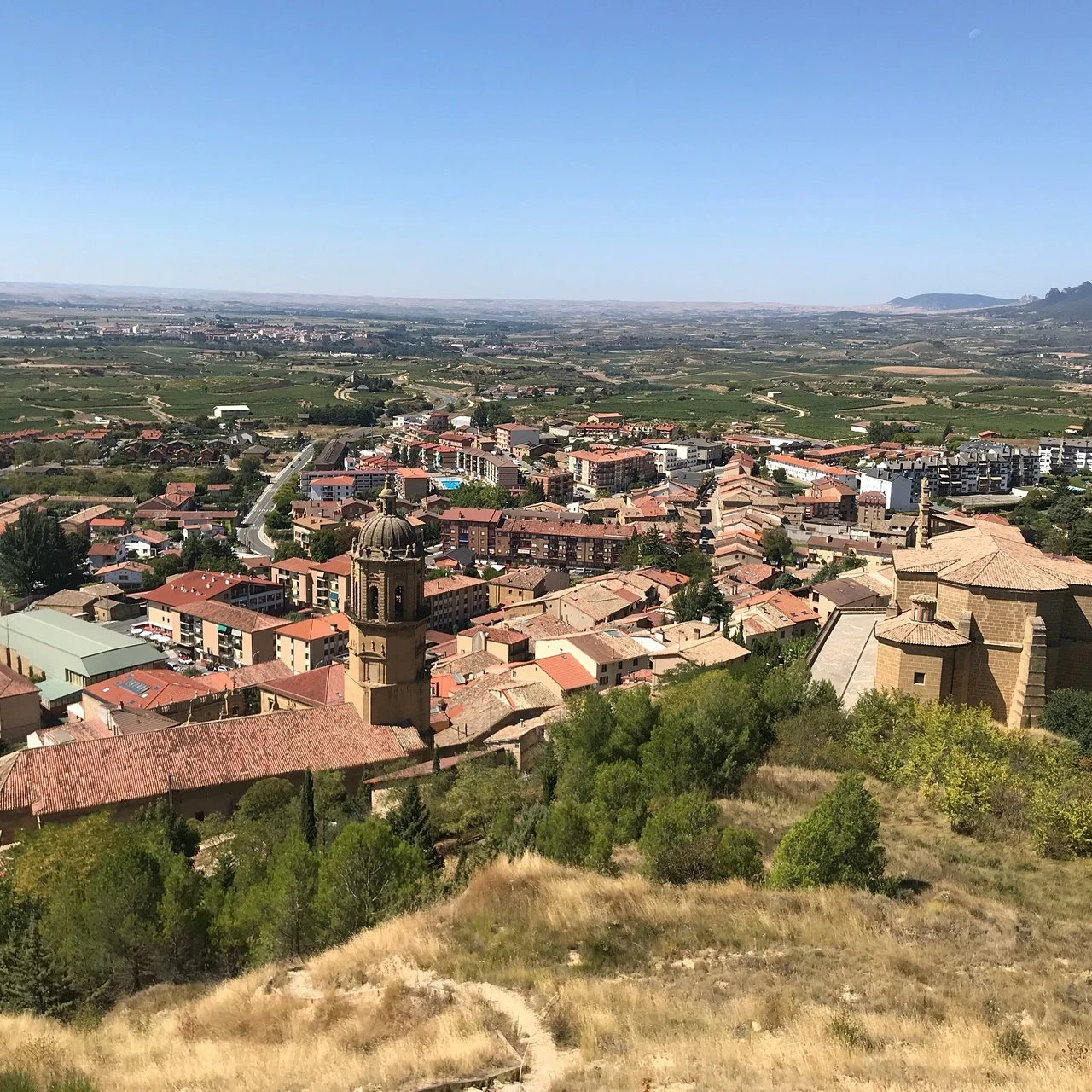
For a Labastida wine itinerary, place Bodegas y Viñedos Labastida in the local cellar conversation on its own terms: cooperative, functional, rural, and focused on vineyard-driven winemaking rather than elaborate visitor facilities. It is not necessary to inflate the venue into something it is not in order to make sense of it. Its role is more restrained and more specific: a useful counterpoint to more theatrical wine-country stops, and a reminder that Rioja Alavesa is also made up of practical production spaces whose importance comes from the work they support.
Concrete tanks and a practical cellar identity
The most concrete detail is literal as well as descriptive: the winery has traditional concrete tanks within a functional cellar. That gives the venue a grounded, production-led identity and helps set expectations for visitors who prefer working wineries over highly designed tasting environments. Concrete tanks also contribute to the overall impression of a cellar rooted in established practical tools rather than spectacle. Without needing to overstate their technical role, their presence helps anchor the venue visually and conceptually: this is a place where the infrastructure of winemaking is part of the experience.
Beyond that, the page should stay cautious. Specific claims about fermentation methods, oak regimes, winemaking personnel, vineyard elevation, named cuvées, scores, vintages, and barrel programs are not confirmed in the public record provided here. The reliable frame is simpler: Bodegas y Viñedos Labastida is a cooperative Rioja Alavesa winery in Labastida with a practical rural atmosphere and a vineyard-driven focus. That restraint is important because the strongest description of the venue comes from what is clearly supported: a working-cellar setting, traditional concrete tanks, and an emphasis on production rather than a more staged hospitality offer.
Its listed price level is $$, which gives a broad planning signal without implying a specific tasting fee, bottle price, or menu structure. Treat that indication as a general orientation only, not as a promise of a particular format or cost. The more useful planning takeaway is that the venue belongs in a practical, cellar-focused category, where the visit should be considered in terms of atmosphere and confirmed availability rather than assumptions about packaged experiences.
How to place it in a Labastida trip
The experience should be approached as a working cellar rather than a destination built around elaborate hospitality. Expect the appeal to come from the cooperative setting, the functional cellar, and the traditional concrete tanks, not from confirmed extras such as food pairings, outdoor seating, guided formats, or language-specific tours. Visitors who enjoy seeing wine places with a direct production identity may find that directness appealing; those looking for a more designed tasting-room experience should calibrate expectations accordingly. The point is not that one model is better than the other, but that this venue’s confirmed character is practical and rural.
Labastida planning is best kept flexible and grounded. Pair Bodegas y Viñedos Labastida with other unnamed local options according to your schedule, but avoid assuming specific services, hours, tasting formats, or visitor amenities unless confirmed directly before going. This is especially important because the venue is best described through its working-winery identity rather than through a detailed visitor program. A quick confirmation can keep the visit aligned with reality and prevent the kind of over-expectation that often comes from treating every winery as a fully staged tourism venue.
The editorial value is specific but modest: Bodegas y Viñedos Labastida represents a practical cooperative expression of Rioja Alavesa in Labastida, with an emphasis on vineyard-driven winemaking and a rural working-cellar atmosphere. Its significance on a trip is therefore not about spectacle, luxury cues, or a heavily narrated tasting script. It is about encountering a local cellar whose clearest qualities are cooperative structure, functional space, traditional concrete tanks, and a plainspoken connection to vineyard-led production.
Questions
Frequently asked
Who works at Bodegas y Viñedos Labastida?
Made By profiles Javier Cereceda (Winemaker) at Bodegas y Viñedos Labastida.
How expensive is Bodegas y Viñedos Labastida?
Bodegas y Viñedos Labastida is listed at a price level of $$.
The field
How it compares
| Place | Notes |
|---|---|
| Bodegas y Viñedos Labastida | Labastida, $$ |
| Bodegas Mitarte | Labastida |
| Bodegas Tierra Agrícola Labastida | Labastida |
| Creaciones Exeo | Labastida |
| Domaine Denis Mortet | Gevrey-Chambertin |
| Granja Nuestra Señora de Remelluri | Labastida |
| Miguel Torres - Rioja | Labastida |