- Falstaff Winery - 5 Stars · 2026
- Falstaff Winery - Listed · 2026
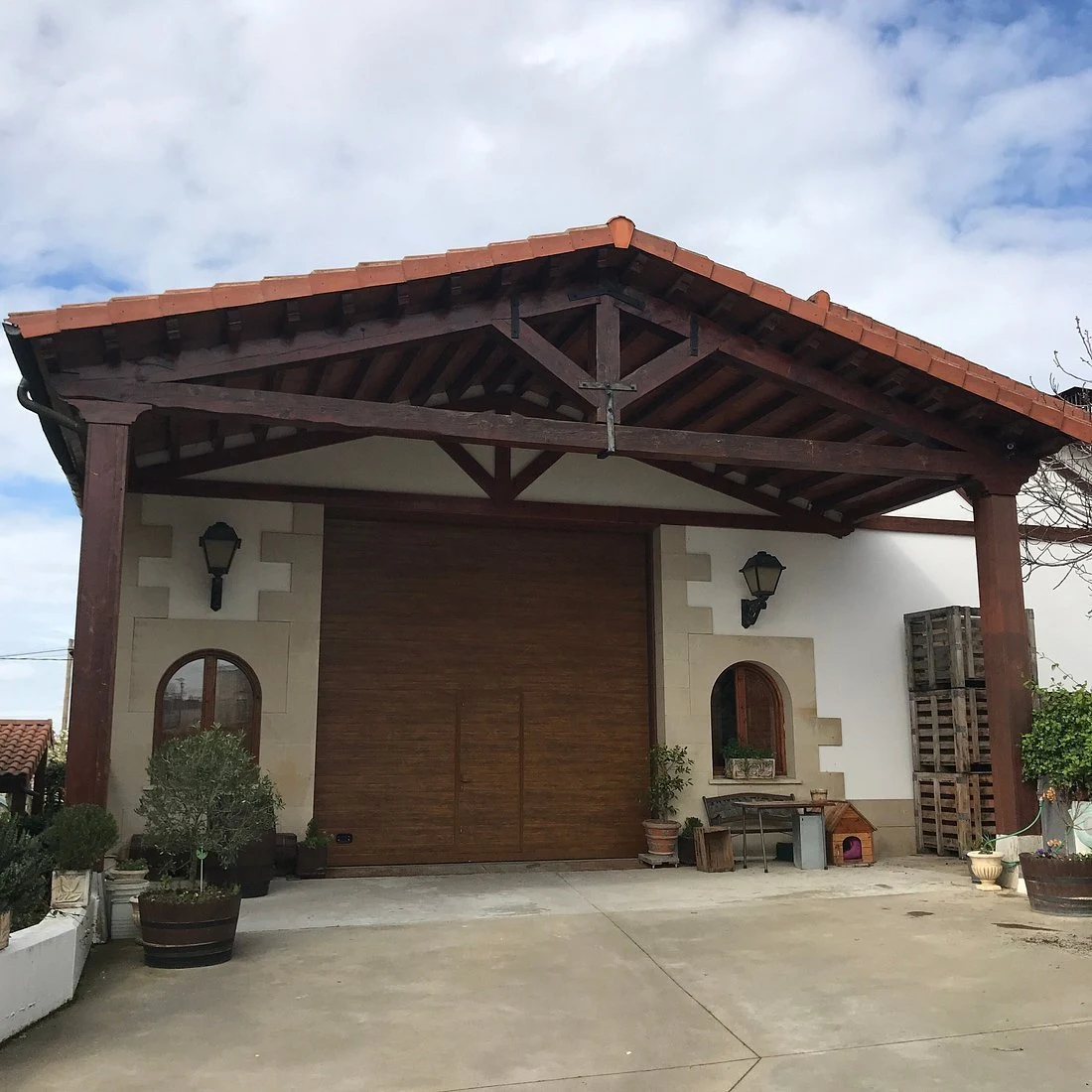
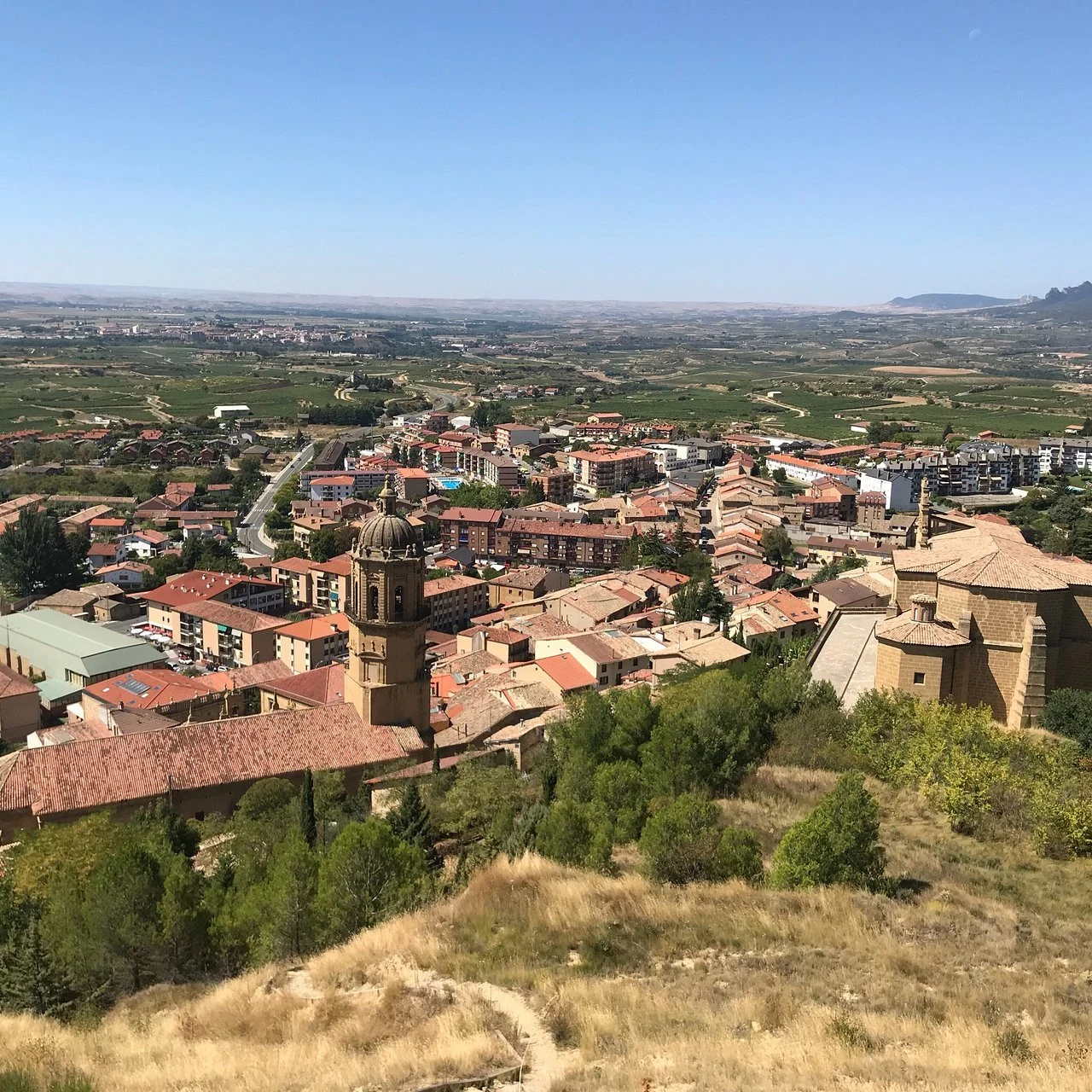
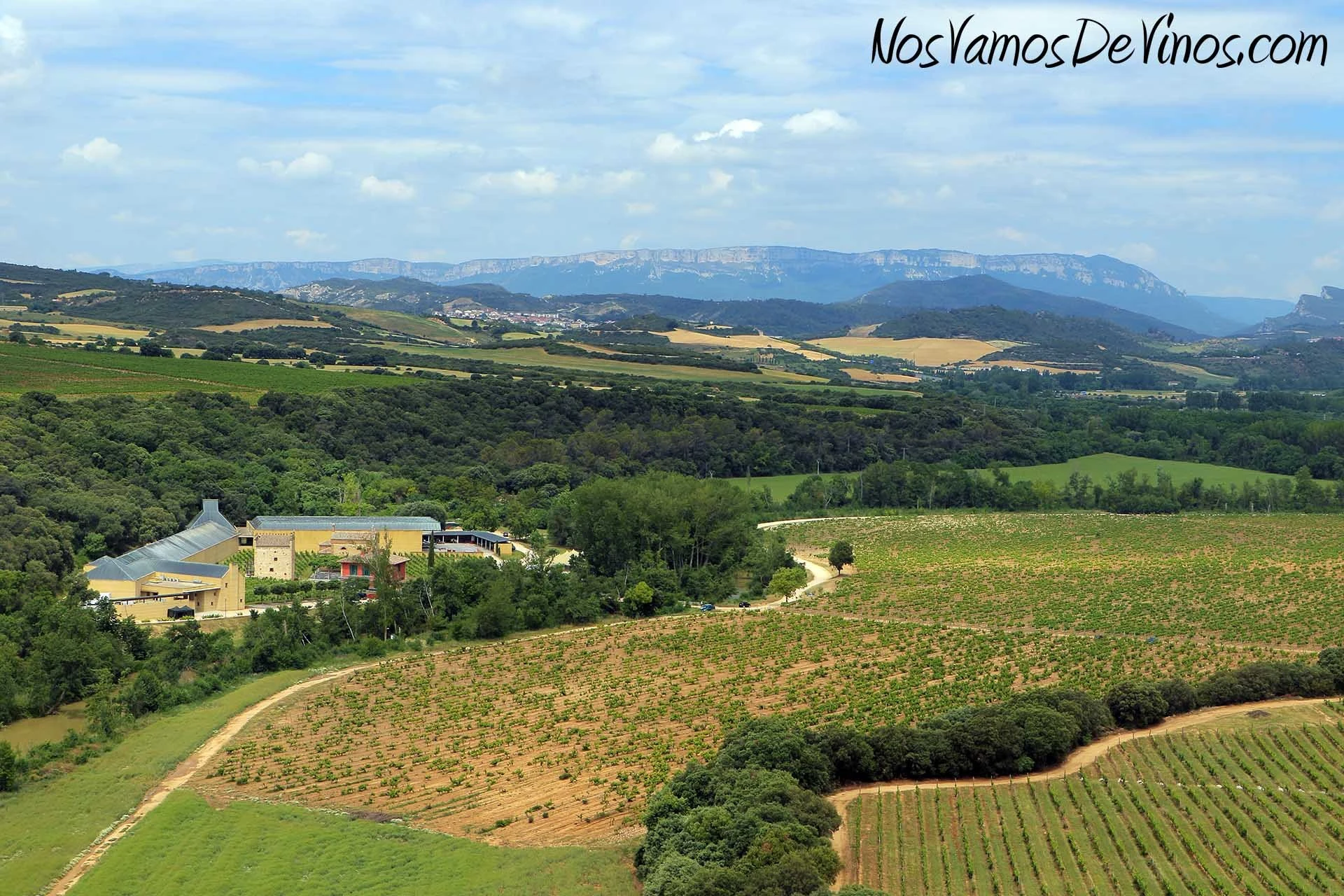
Granja Nuestra Señora de Remelluri in Labastida is best understood as a historic single-estate Rioja winery rather than a conventional quick-stop tasting address. Its setting on terraced, high-altitude vineyards under the Sierra de Toloño gives the place a strong sense of landscape, while the estate’s older architectural layers keep the mood serene and classic. The appeal is not built on a restaurant-style service promise or a list of extras; it is the combination of vineyard, history and working winery in one site.
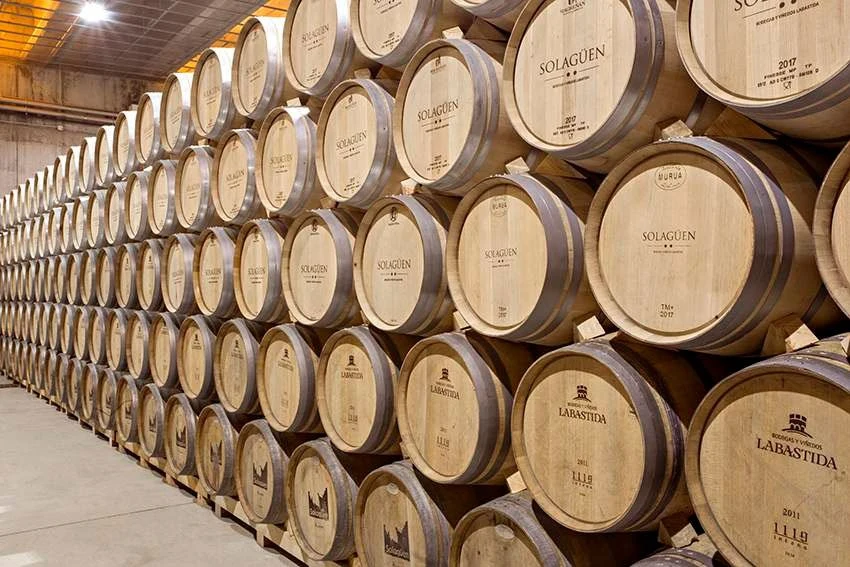
The estate’s identity rests on a clear and grounded idea: a single Rioja property whose atmosphere is shaped by terraced vineyards, monastery-era architecture, a necropolis, a museum, working cellars and tasting rooms. For travelers planning around Labastida, that makes Remelluri a serious wine-country stop with cultural depth as well as visual presence. It is a place where the surrounding slopes and the historic fabric matter as much as the cellar setting.
Mountain Rioja, read through place
Remelluri’s strongest distinction is its single-estate character. In a region where visitors often think first of broad Rioja categories, the estate gives the experience a more place-led focus: vineyards arranged on terraces, altitude under the Sierra de Toloño and a historic agricultural setting tied closely to the winery itself. Those facts are enough to define the visit without adding unsupported claims about specific plots, soils, grape varieties, yields, production numbers or winemaking methods.
The atmosphere is calm and classic rather than showy. That matters for expectations. What can be said with confidence is that the estate includes working cellars and tasting rooms, and that the broader setting connects wine production with a preserved historic environment.
For wine-focused travelers, the draw is the estate format itself. Terraced, high-altitude vineyards under the Sierra de Toloño create a strong mountain-Rioja context, while the single-estate identity gives the visit a clearer frame than a generic regional stop. The experience is best approached as a way to understand how landscape, old architecture and winery activity sit together in Labastida.
Monastery memory inside a working winery
The historic character of Granja Nuestra Señora de Remelluri is central to its appeal. The setting includes monastery-era architecture, a necropolis and a museum, all connected with a functioning Rioja winery. That combination gives the estate a layered atmosphere: part agricultural property, part cultural site, part cellar visit. The result is more contemplative than theatrical.
Because the confirmed facts point to a serene, classic atmosphere, visitors should expect the estate’s presence to come from stone, vineyard terraces and the surrounding mountain landscape rather than from invented markers of luxury. There is no need to overstate the experience with claims about a particular chef, tasting menu, restaurant format, score, award or hospitality package. The story is already distinctive: a historic single-estate winery in Labastida where architecture, vineyard and cellar are visibly connected.
The museum and necropolis add a sense of time that separates the estate from a purely commercial tasting-room model. They suggest a visit framed by memory and place, while the working cellars keep the site rooted in active wine production. That balance is the reason Remelluri fits well for travelers who prefer wine destinations with cultural substance and a quieter rhythm.
How to place it in a Labastida wine itinerary
In a Labastida itinerary, Granja Nuestra Señora de Remelluri works well as a major wine-country anchor rather than a casual add-on. Its setting under the Sierra de Toloño, its terraced high-altitude vineyards and its historic estate fabric give it enough depth to shape the day. Travelers interested in Rioja as landscape and heritage, not only as a glass of wine, will find the clearest reason to prioritize it.
Planning should remain practical and fact-based. This guide verifies the venue’s $$$ price level and its historic, serene, classic atmosphere, but it does not verify opening hours, lunch availability, exact tasting formats, accessibility details, phone information, dietary accommodations, take-out, delivery, awards or a specific address beyond Labastida. Those details should be checked directly before making plans.
For a broader local plan, keep the surrounding dining and lodging research generic unless confirmed by current sources. Other Labastida dining rooms, bars, hotels and wine experiences can be considered around the visit, but Remelluri’s own role is clear: it is the historic single-estate Rioja winery in Labastida where terraced vineyards, monastery-era architecture, necropolis, museum, working cellars and tasting rooms create the main reason to go.
The editorial case for Granja Nuestra Señora de Remelluri is therefore compact but strong. It is a $$$ Rioja estate with a serious sense of place, a quiet classic mood and a setting that links mountain vineyards with historic architecture. For travelers who value atmosphere, heritage and the visual logic of a working winery, it remains one of Labastida’s most compelling wine stops.
Questions
Frequently asked
Who works at Granja Nuestra Señora de Remelluri?
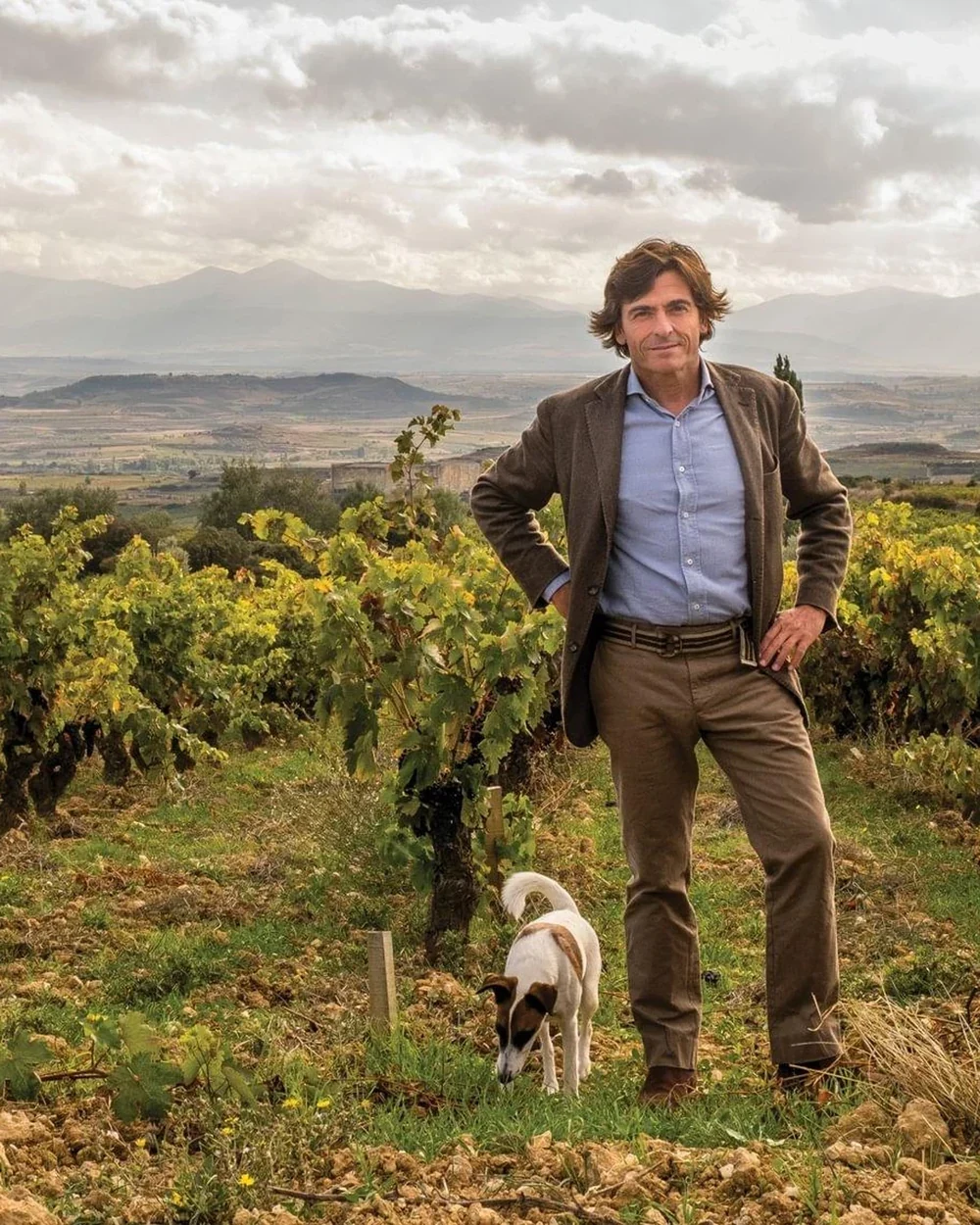
Made By profiles Telmo Rodríguez (Winemaker) at Granja Nuestra Señora de Remelluri.
How expensive is Granja Nuestra Señora de Remelluri?
Granja Nuestra Señora de Remelluri is listed at a price level of $$$.
The field
How it compares
| Place | Notes |
|---|---|
| Granja Nuestra Señora de Remelluri | Rioja Alavesa, $$$ |
| Bodegas Mitarte | Labastida |
| Bodegas Tierra Agrícola Labastida | Labastida |
| Bodegas y Viñedos Labastida | Labastida |
| Château Suduiraut | Preignac |
| Creaciones Exeo | Labastida |
| Miguel Torres - Rioja | Labastida |