Bodegas y Viñedos Pedro García
- 01CityColmenar De Oreja, Spain
- Falstaff Winery - Listed · 2026
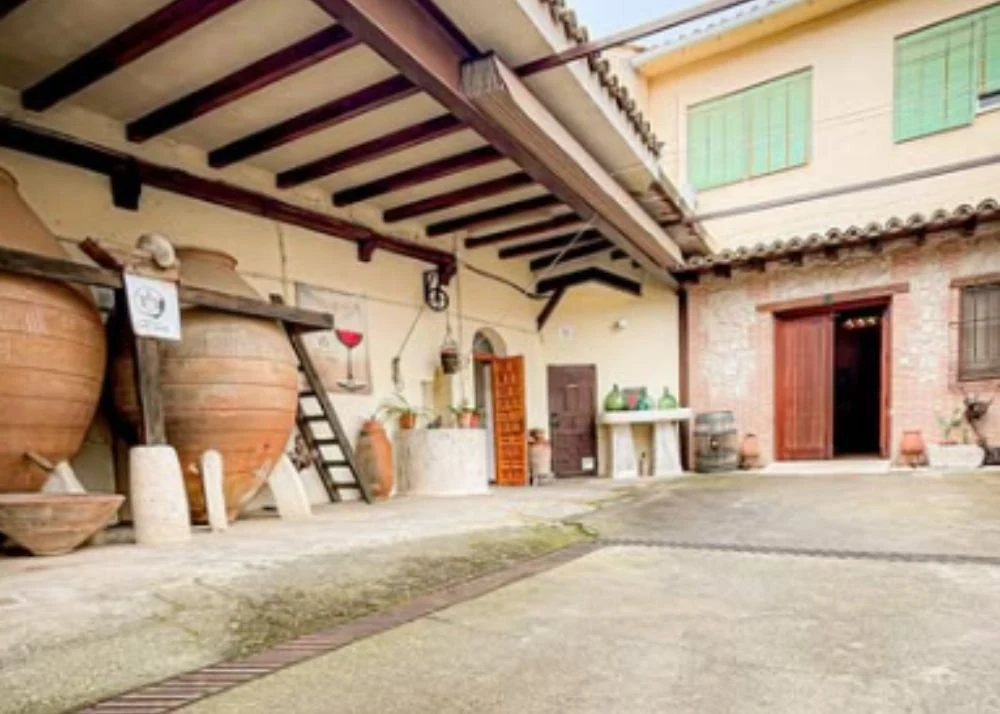
In Colmenar De Oreja, wine is not presented as a luxury accessory to Madrid but as part of the town’s older civic fabric. At Bodegas y Viñedos Pedro García, the physical sequence matters: an old cellar, restored 17th-century caves, and modern production areas create a clear timeline of how local winemaking has moved from inherited craft to controlled contemporary production without abandoning its rural grammar.
The broader point is Madrid’s under-discussed wine identity. Visitors often approach the region through the capital’s restaurants and bars, while the vineyards southeast of the city remain quieter in the international conversation than Rioja, Ribera del Duero, or Priorat. Colmenar De Oreja changes that emphasis. Its value lies in scale, locality, and continuity: growers working close to their own vineyards, local grapes sharing space with better-known varieties, and tastings that explain the place before they sell the bottle.
Madrid terroir through estate-grown grapes and old caves
The estate-grown model is the strongest signal here. The García family cultivates more than 50 hectares in Colmenar De Oreja, a meaningful figure for a visit built around origin rather than label theatre. Malvar, Airén, and Moscatel de Grano Menudo place the winery inside central Spain’s traditional white-grape vocabulary, while Tempranillo, Merlot, Cabernet Sauvignon, Syrah, and Sauvignon Blanc show how Madrid producers have folded international varieties into local conditions.
This is where the experience becomes more interesting than a simple cellar tour. Madrid’s wine country deals with heat, altitude, and continental rhythm, so the discussion of vineyard source matters. D.O. wines tasted on site are not abstract examples of Spanish wine; they are a way to read how Colmenar De Oreja frames ripeness, freshness, and structure within a small-town production setting. The presence of young D.O. wines alongside crianza red wine gives the tasting a useful range without turning the format into a collector’s seminar.
The old and new production spaces sharpen that reading. Traditional fermentation cones belong to an older cellar language, while stainless steel tanks and contemporary equipment point to precision and consistency. The restored caves add another layer: 17th-century underground spaces now used for aging connect temperature, humidity, and architecture in a way that modern tasting rooms often simulate but rarely possess. The result is not nostalgia for its own sake. It is a practical demonstration of how inherited infrastructure can continue to shape wine.
A guided tasting format with a local, low-capacity feel
The hospitality format is intimate and guided, with the house style closer to a family winery visit than a large tourism operation. Two principal experiences define the structure: a shorter guided visit with vineyard and winery context, and a longer format that includes the restored caves and a broader tasting. Both are conducted in Spanish, which matters for planning and also shapes the tone of the encounter. This is a local-language experience first, not an international showroom retrofitted for passing traffic.
Food component stays regional rather than elaborate. In the fuller format, D.O. wines are paired with a local appetizer, keeping the emphasis on wine, place, and the agricultural culture around Colmenar De Oreja. That restraint is part of the appeal. Spain has plenty of high-production wine tourism built around architecture, restaurants, and event spaces; here, the draw is the proportion between vineyard, cellar, cave, and tasting glass.
Family continuity supplies a trust signal without needing to become the whole story. The winery dates to 1931 and has passed through three generations, which places it in a category of Madrid producers where longevity, landholding, and cellar memory carry weight. The García name is relevant because it anchors the production history, but the more useful lesson is about regional persistence: small Madrid wineries can preserve older methods while using modern equipment where it improves control.
How to place it within a Colmenar De Oreja itinerary
For travelers building a day around the town, this is the wine-country anchor rather than a quick add-on. The strongest itinerary pairs the winery with a broader look at Colmenar De Oreja’s food and cultural stops, allowing the tasting to function as context for the surrounding landscape rather than a standalone appointment. Use Our full Colmenar De Oreja wineries guide for the local wine frame, then cross-check dining in Our full Colmenar De Oreja restaurants guide, overnight options in Our full Colmenar De Oreja hotels guide, drinks in Our full Colmenar De Oreja bars guide, and town programming in Our full Colmenar De Oreja experiences guide.
Readers comparing Spanish winery styles beyond Madrid should look at the national spread rather than force a same-town comparison. Estate and cellar traditions vary sharply across the country, from 3 Ases Bodegas y Viñedos in Quintanilla De Arriba, 4Kilos Vinícola in Felanitx, and Aalto Bodegas y Vinedos in Quintanilla De Onesimo Valladolid to Abadia de Aribayos in Moraleja Del Vino, Abadía Retuerta in Sardón de Duero, Abel Mendoza Monge in San Vicente de la Sonsierra, Acústic Celler in Els Guiamets, and Adega Algueira in Sober. For a broader European contrast, see »der Steiner« Hans Steiner in Podersdorf am See and & Handwein in Mannheim.
The editorial case for Bodegas y Viñedos Pedro García is specific: choose it for a grounded Madrid winery visit where terroir, family tenure, D.O. wines, and historic cellar architecture are all visible in the same format. It is not chasing spectacle. It works because the town, the vines, and the cellar remain close enough to explain one another.
Questions
Frequently asked
How expensive is Bodegas y Viñedos Pedro García?
Bodegas y Viñedos Pedro García is listed at a price level of $$.
The field
How it compares
| Place | Notes | Awards |
|---|---|---|
| Bodegas y Viñedos Pedro García | Casco histórico, $$ | · |
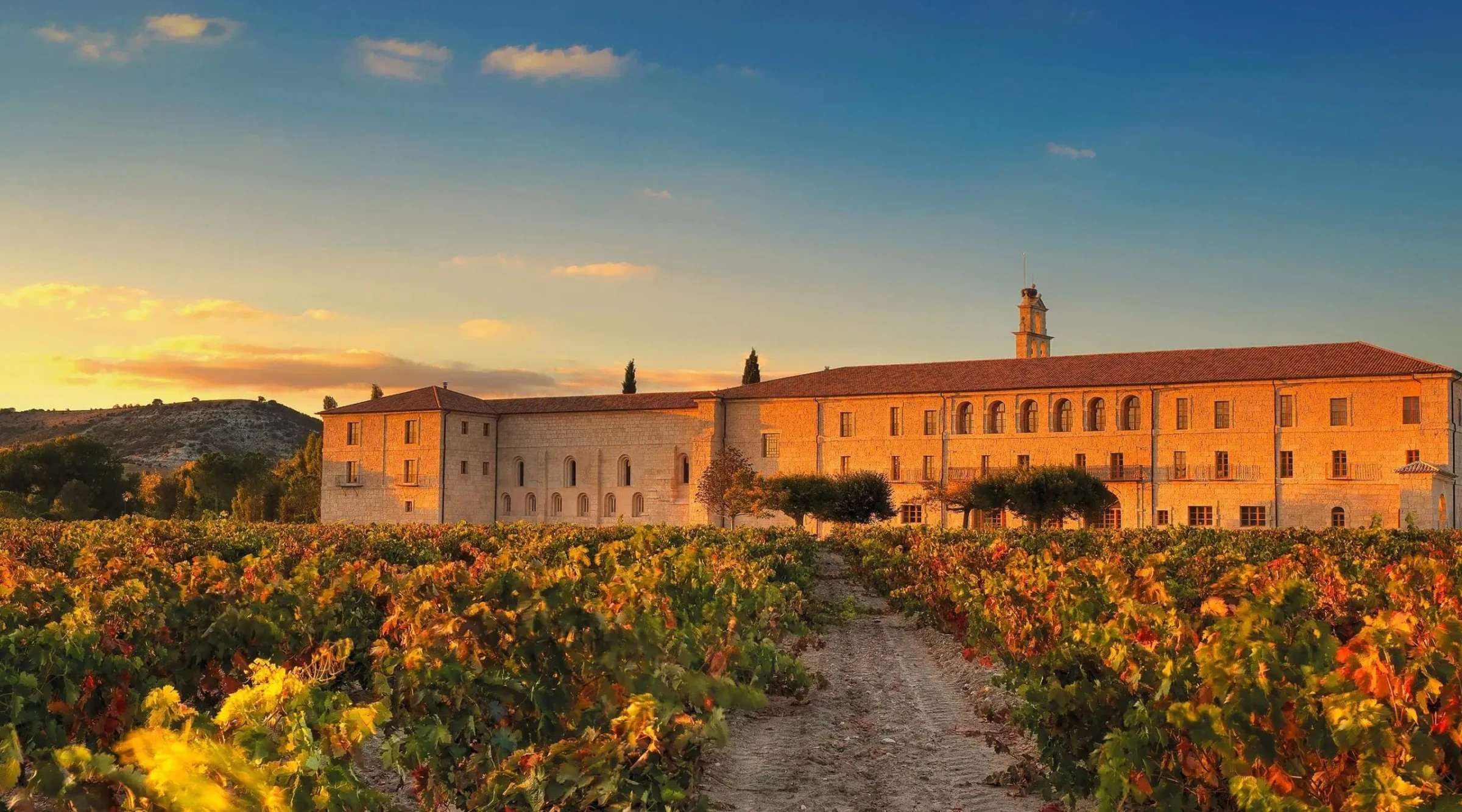
| Abadía Retuerta | Sardón de Duero | World's 50 Best |
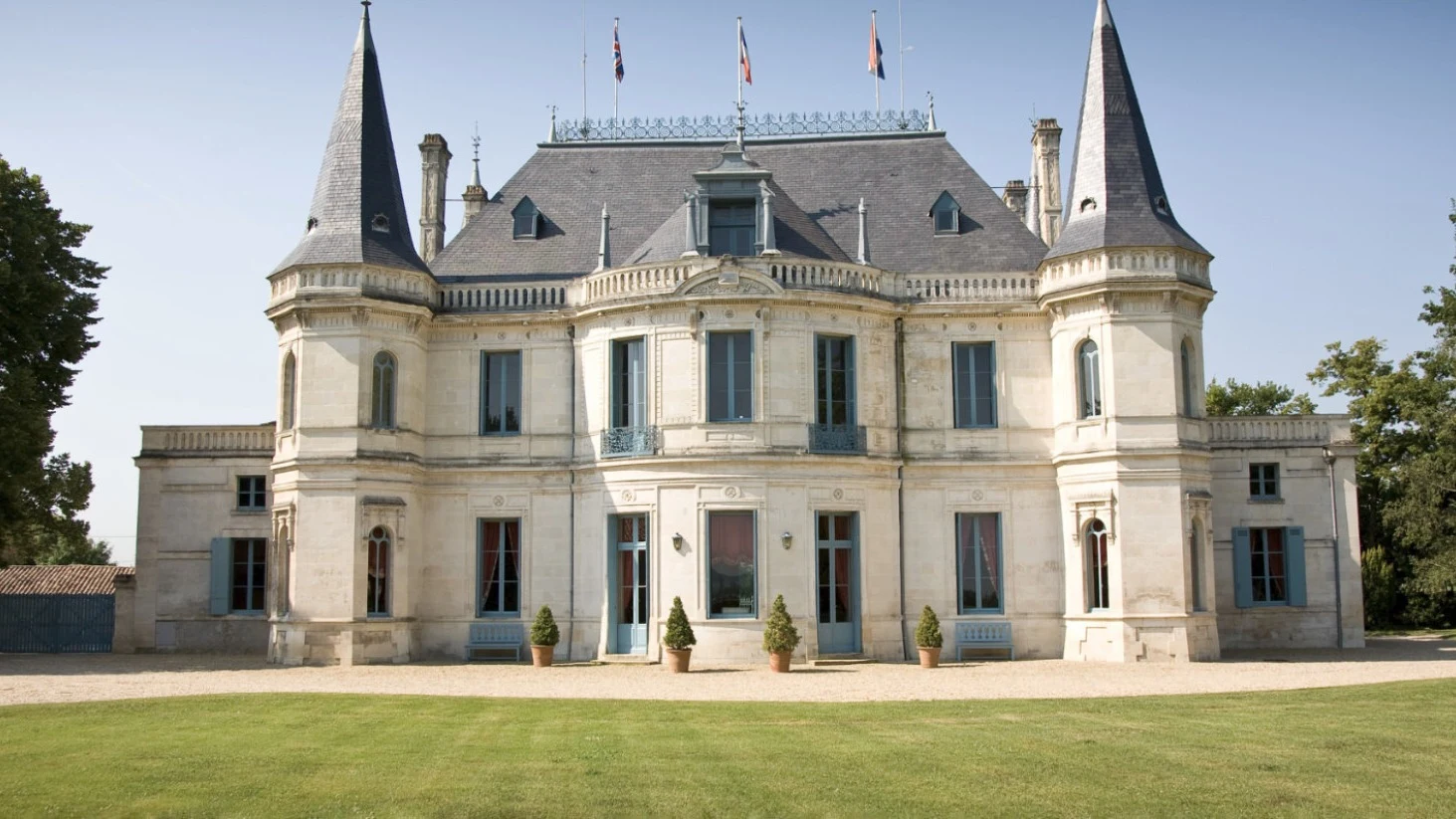
| Château Palmer | Margaux | · |
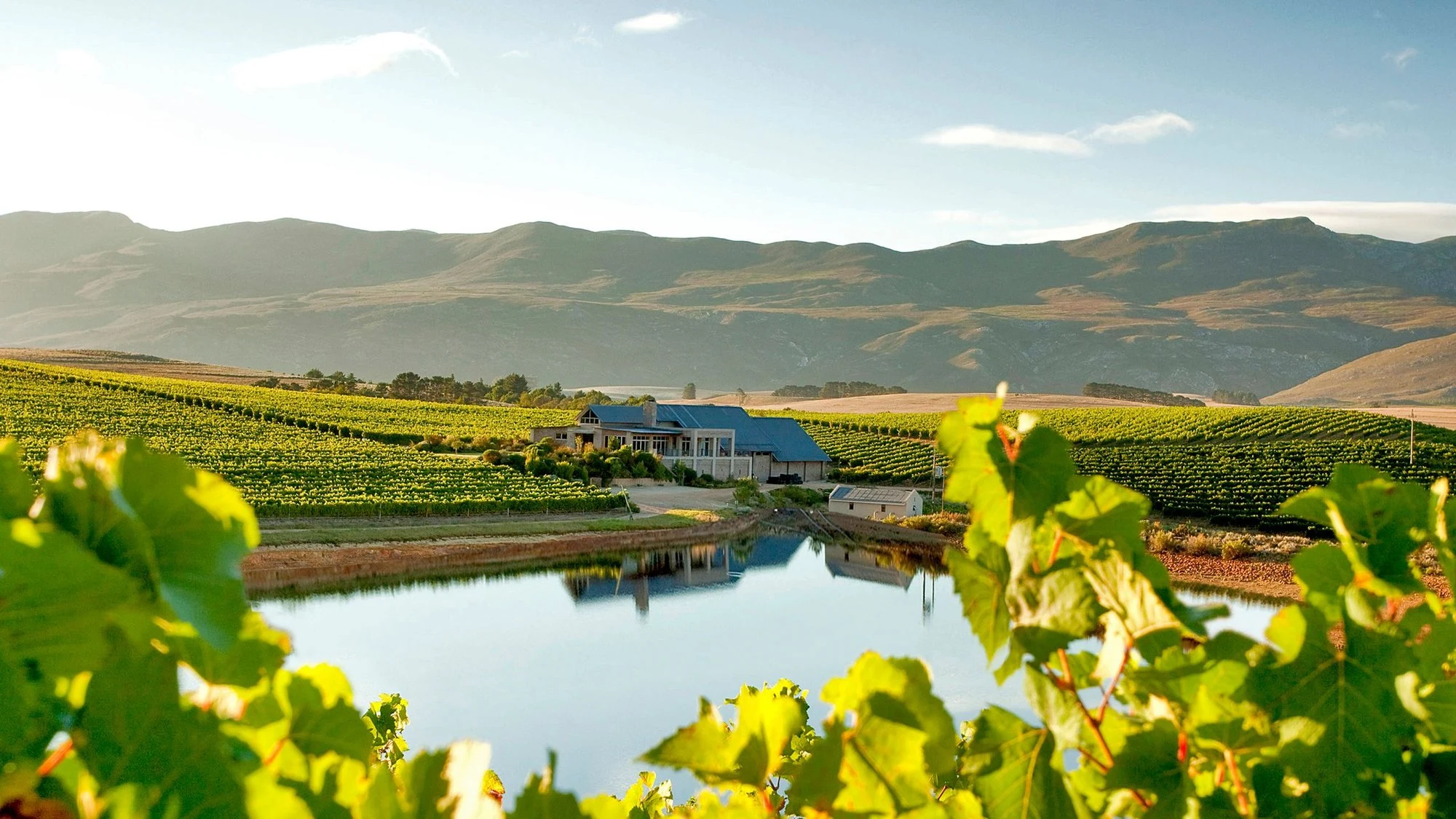
| Creation Wines | Hermanus | World's 50 Best |
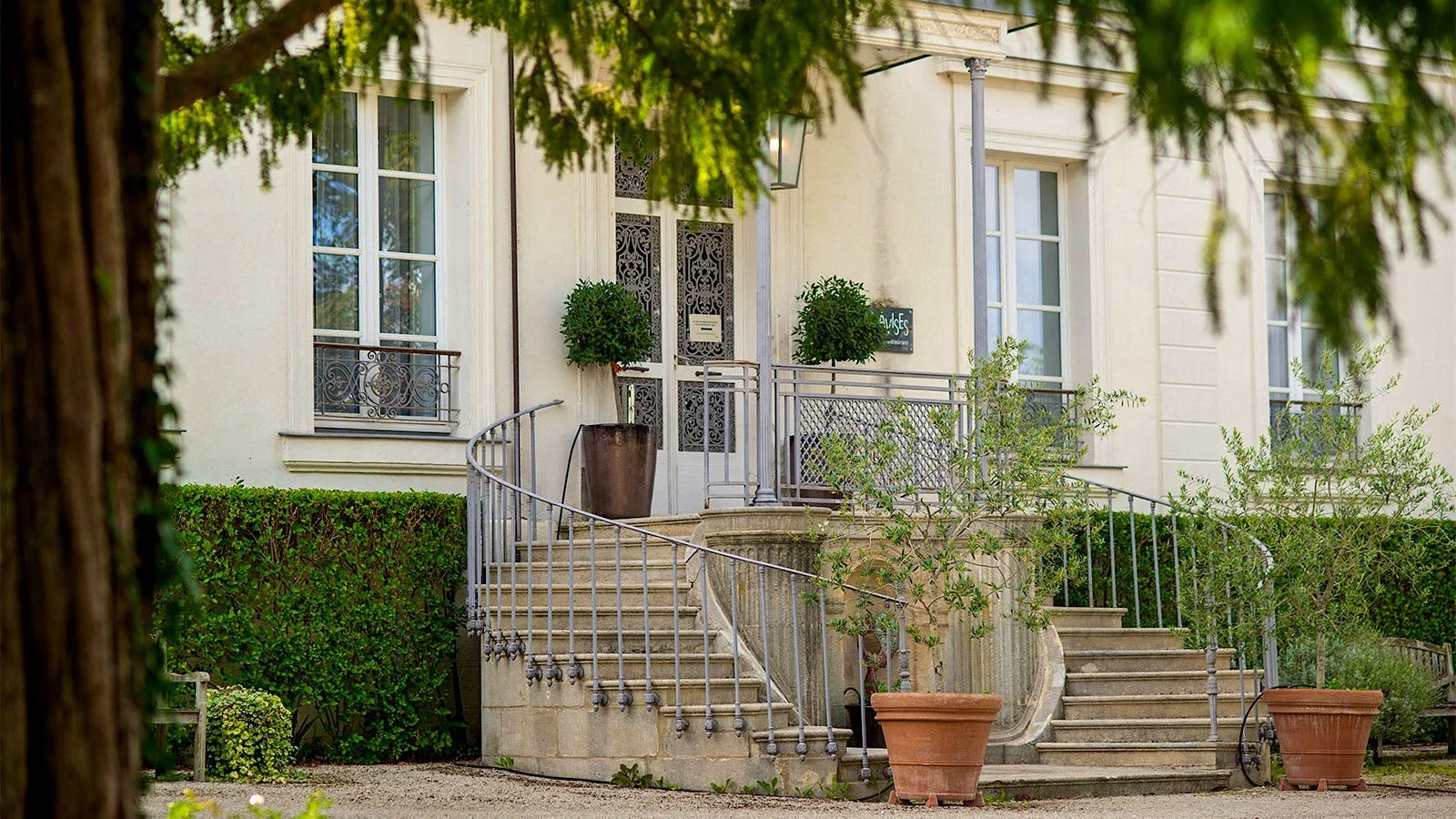
| Jacques Selosse | Avize | · |
| Penfolds Magill Estate | Magill | · |
| Tenuta San Guido | Bolgheri | · |