Bojan Baša, winemaker at Bojan Baša in Syrmien, makes biodynamic amber wines from Fruška Gora fruit with wild yeast and long barrel rest.
The skins stay with the juice long enough to make colour part of the method. Bojan Baša, winemaker at Bojan Baša in Syrmien, works from Sremski Karlovci in Fruška Gora, where limestone and clay set the first terms of the cellar. The estate began in 2010, after Baša left a 24-year career in corporate finance and planted Pinot Grigio as a first vineyard. The move was shaped by natural wine practice in Slovenia and Italy, and by Georgia’s older orange wine discipline, but the work here is Serbian in its footing: Matej subzone fruit, Fruška Gora slopes, the Danube below, the Pannonian Plain beyond it. Baša farms organically and biodynamically, with high biodiversity around the vines, and keeps the portfolio narrow rather than expansive. The house is known for amber and orange wines, especially local and regional varieties including Furmint, Tamjanika, Grašac, Morava, and Pinot Grigio. His lineage is not presented through a named teacher or formal apprenticeship. It is carried through exposure, decision, and time on this ground.
The cellar moves slowly by design. Grapes are hand-harvested, then ferment spontaneously with wild indigenous yeasts from the vineyards. Skin-contact maceration gives the wines their amber frame before they move into oak and acacia barrels for 24–36 months. Baša then bottles without fining, filtration, or sulfur, and lets the wines rest at least one additional year before release. That sequence matters because it leaves the method legible: vineyard yeast, skins, barrel, bottle. The estate works from 5.5 hectares, with approximately 4.2 hectares of vines, and produces around 15,000 bottles per year. The portfolio is focused on four amber or orange wines, a scale that keeps the bench close to the vineyard rather than to a broad commercial range. Jantar, made from Pinot Grigio, is the named signature wine, and the 2019 Baša Furmint was rated 93 Falstaff points in 2023. Awards do not alter the work. They date one bottle inside a longer cellar rhythm.
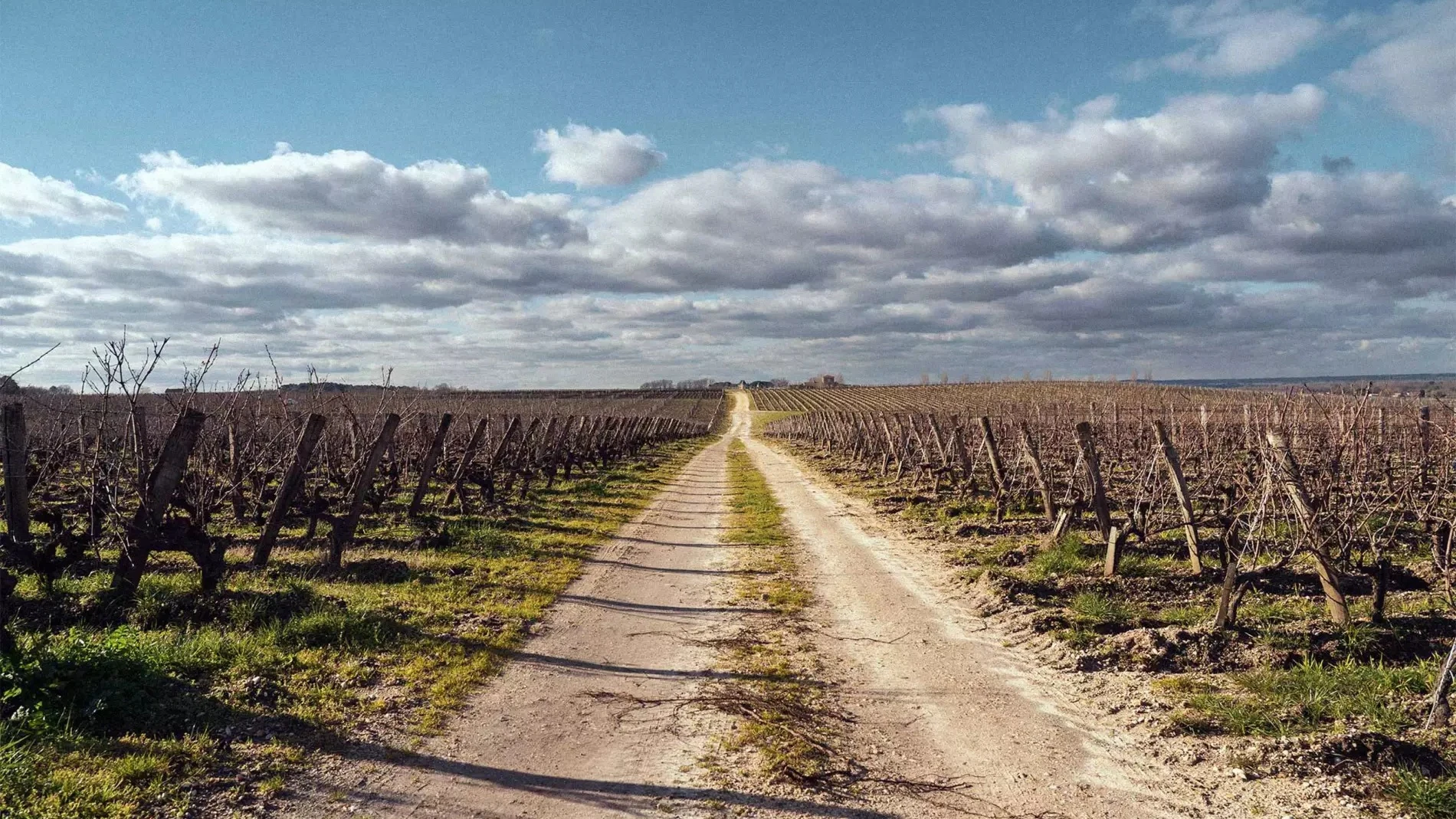
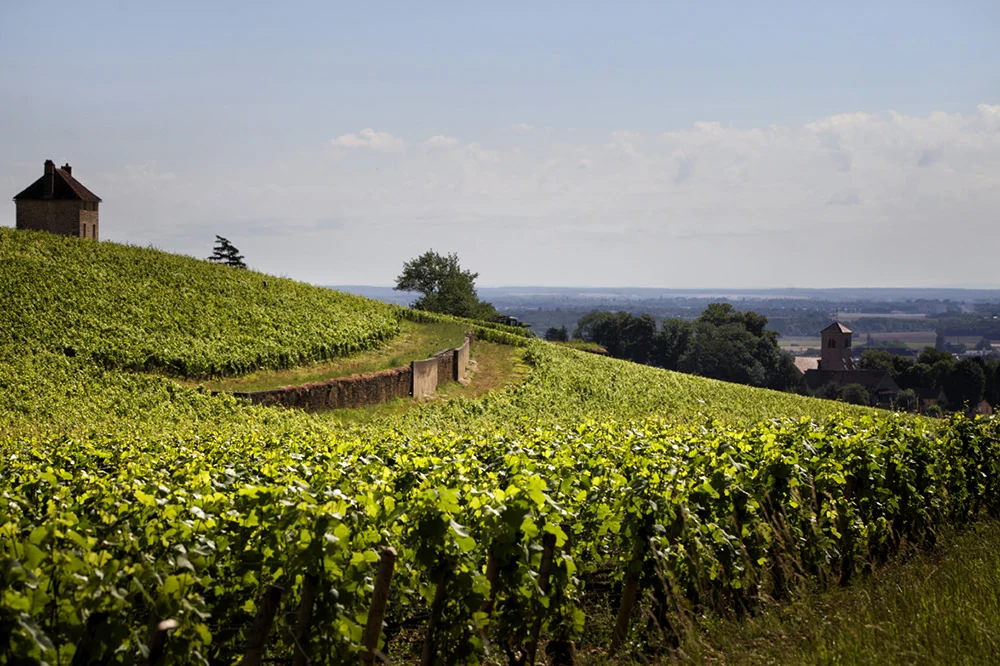
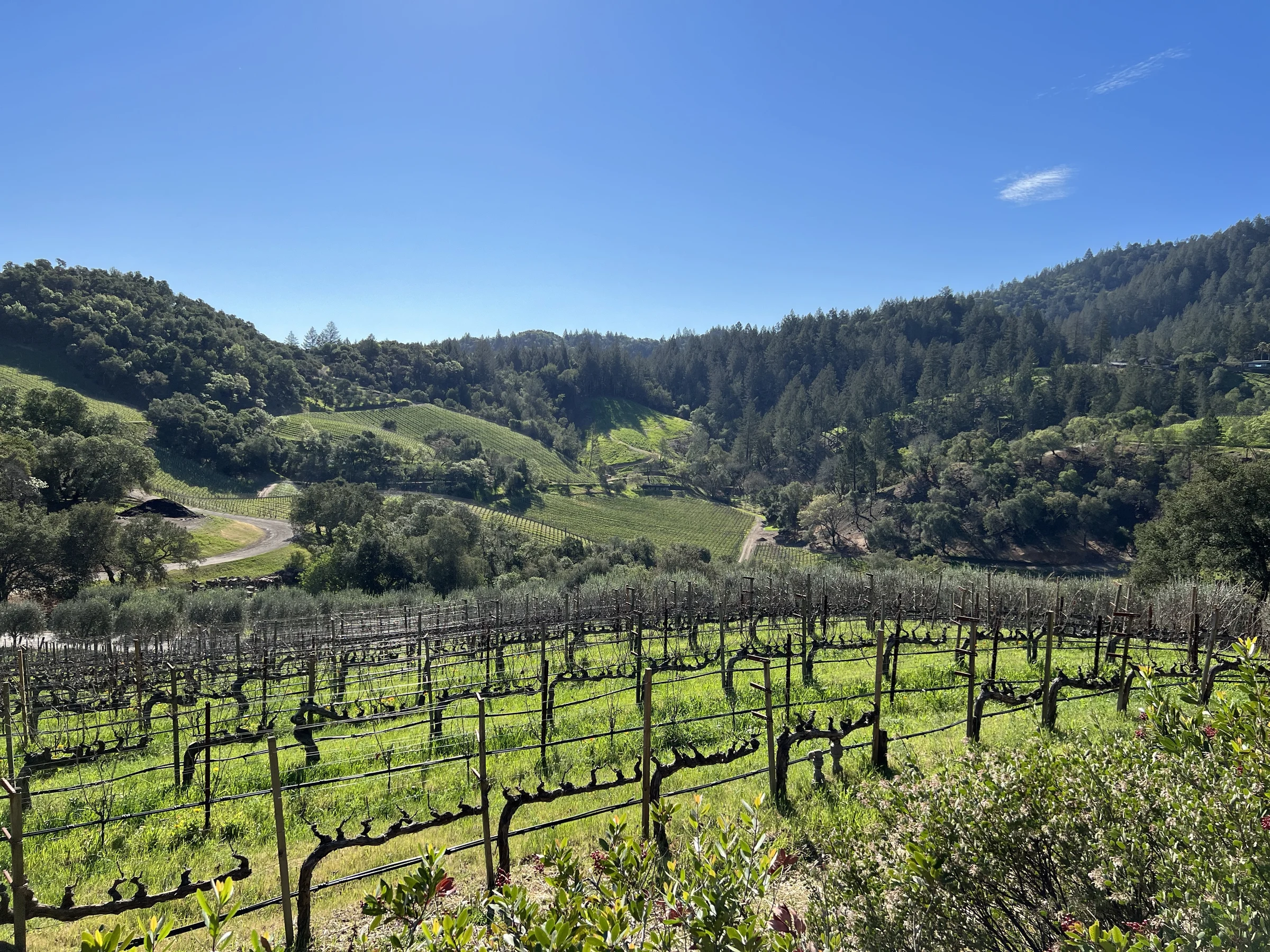
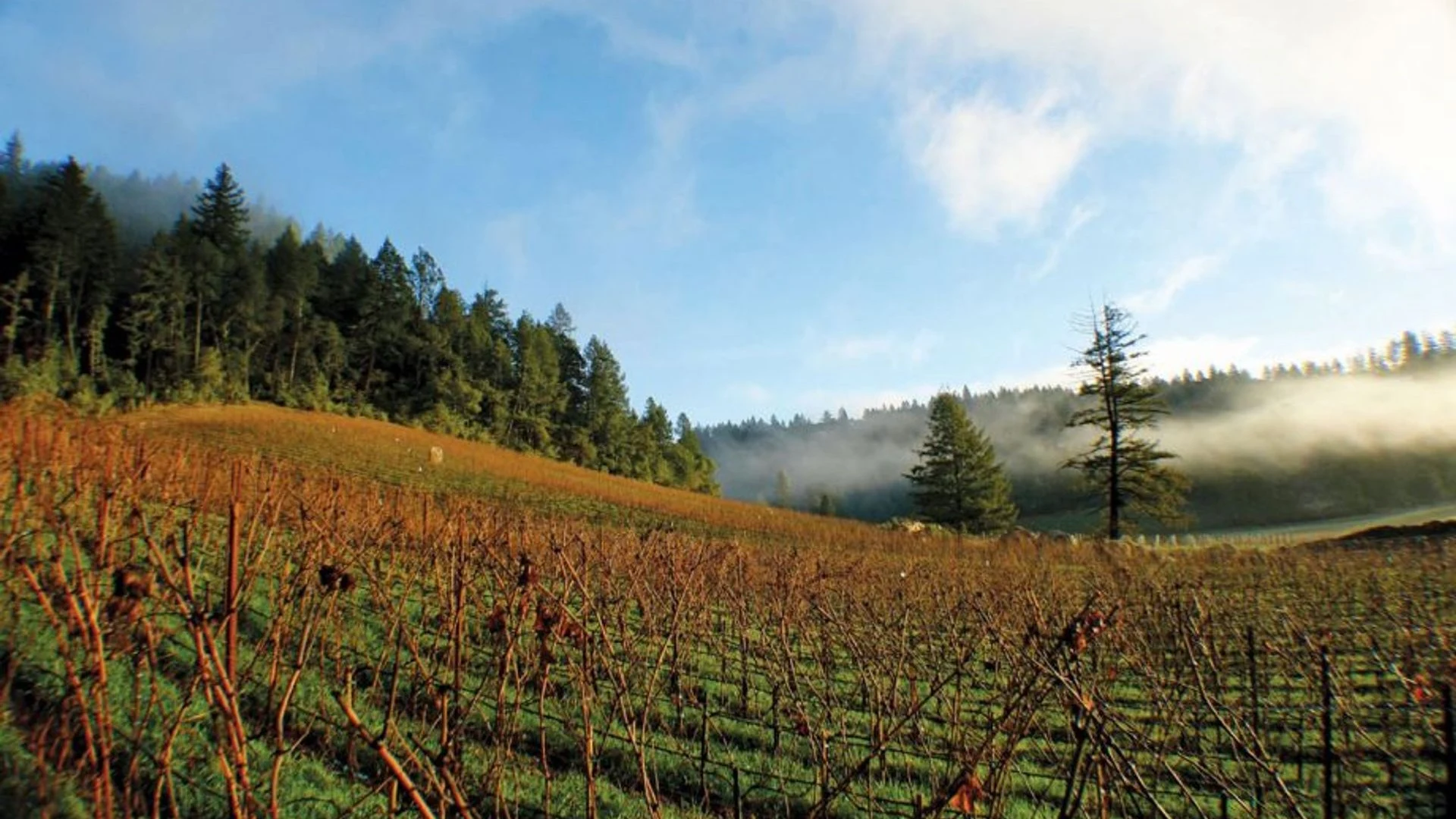
The place reads as a working estate before it reads as a tasting room. The vineyards sit on northern Fruška Gora slopes, near Sremski Karlovci, at 140–210 meters above sea level, with southeast-facing ground shaped like a horseshoe opening toward the Danube River. Limestone and clay sit under a farming program that treats biodiversity as part of the crop, not as scenery. In the cellar, the choices are spare: oak, acacia, time, no fining, no filtration, no sulfur. The quiet suits the wines. This is not a large tourism house with performance built around the glass; it is a small Serbian natural winery where the cellar and vineyard remain close enough for one to correct the other.
Jantar gives the estate a clear thread through vintage and format. In Belgrade, a rare by-the-glass vertical placed Jantar 2019, Jantar 2020, Jantar 2021, and Jantar 2016 Magnum side by side, making age and bottle size part of the reading. If the next release is not publicly set out in advance, the work still points forward through the same patient cycle: Pinot Grigio skins, Fruška Gora fruit, and Jantar.
Syrmien, Sremski okrug, Serbia
Syrmien