Other
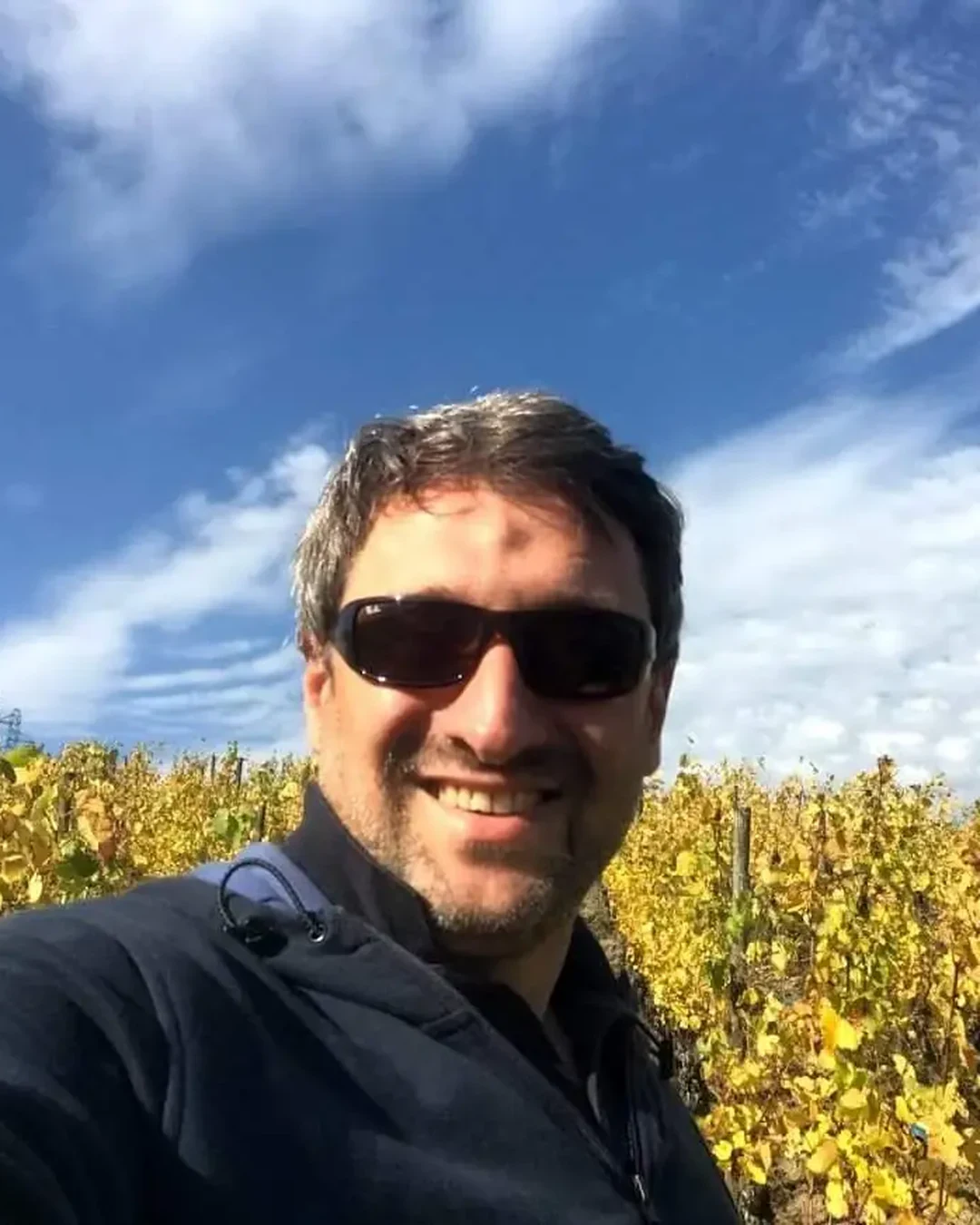
Bojan Baša
Winemaker
- Discipline
- Other

i. Biography
Limestone and clay set the pace in Sremski Karlovci, where Bojan Baša works as a Serbian grower and maker at Baša Vino in Fruška Gora, Serbia. His material is natural wine: orange wines and amber wines shaped by organic and biodynamic farming, wild yeast from the vineyards, maceration, barrel time, and long bottle rest.
The Place Baša’s work begins in Sremski Karlovci, in Serbia’s Fruška Gora, a region named in connection with his natural wine and the label that carries his name into the glass. The ground matters here because the farming is described through its soils: limestone and clay, worked organically and biodynamically. That combination gives the wines their frame before cellar choices enter the picture. Rather than presenting wine as a polished object separated from origin, his bottles are associated with Serbian terroir and with a rich, textured amber style. The nationality is part of the geography: Baša is Serbian, and the wines are identified with Srem-Fruška Gora, Serbia. In a category often defined by method, his work is also tied closely to one named place and one producer: Baša Vino in Sremski Karlovci.
The Method The method is patient and low-intervention in the most literal sense. Fermentation happens with wild yeast from the vineyards, followed by maceration, then ageing in barrel for 2–3 years. After that, the wines are bottled without fining, filtration, or sulphur. They then rest at least one additional year in bottle, making time an active part of the work rather than a footnote. Orange wines are a central specialty, and the amber description fits the way these wines are presented: rich, textured, and reflective of both Baša’s stated passion and Serbian terroir. Nothing in that sequence reads as quick release; the process moves from soil to skins to barrel to bottle, with each stage left visible in the final wine.
The Range Jantar is the named signature work in the range, and it has been poured in a rare vertical by the glass in Belgrade, Serbia. That vertical featured Jantar 2019, Jantar 2020, Jantar 2021, and Jantar 2016 Magnum, a grouping that gives drinkers a direct look at vintage, age, and format within the same wine. Another specific benchmark came in 2023, when the 2019 Baša Furmint, identified as a natural wine from Bojan Baša in Srem-Fruška Gora, Serbia, was rated 93 Falstaff points. The score places that bottle in a dated, named context without separating it from the larger practice: vineyard yeast, maceration, long barrel ageing, no fining, no filtration, no sulphur, and extended bottle rest. Taken together, the named releases point to a maker focused on amber texture, natural fermentation, and the slow expression of Fruška Gora fruit. The wines are not presented through a broad restaurant career or a list of posts; they are presented through farming, cellar choices, and bottles tied to Sremski Karlovci.
Profile updated July 2026
FAQ
Asked of Bojan
What style or method defines Bojan Baša's work?
Bojan Baša’s work is defined by organically and biodynamically farmed natural wine on limestone and clay soils, wild-yeast fermentation, maceration, barrel ageing for 2–3 years, bottling without fining, filtration, or sulphur, and at least one additional year in bottle.
What are Bojan Baša's signature releases or dishes?
Jantar is a signature Baša Vino wine, with a rare by-the-glass vertical in Belgrade featuring Jantar 2019, Jantar 2020, Jantar 2021, and Jantar 2016 Magnum.
What is Bojan Baša known for making?
He is known for natural wine from Sremski Karlovci in Fruška Gora, Serbia, including orange wines and the 2019 Baša Furmint rated 93 Falstaff points in 2023.