Bolenius
In Residence
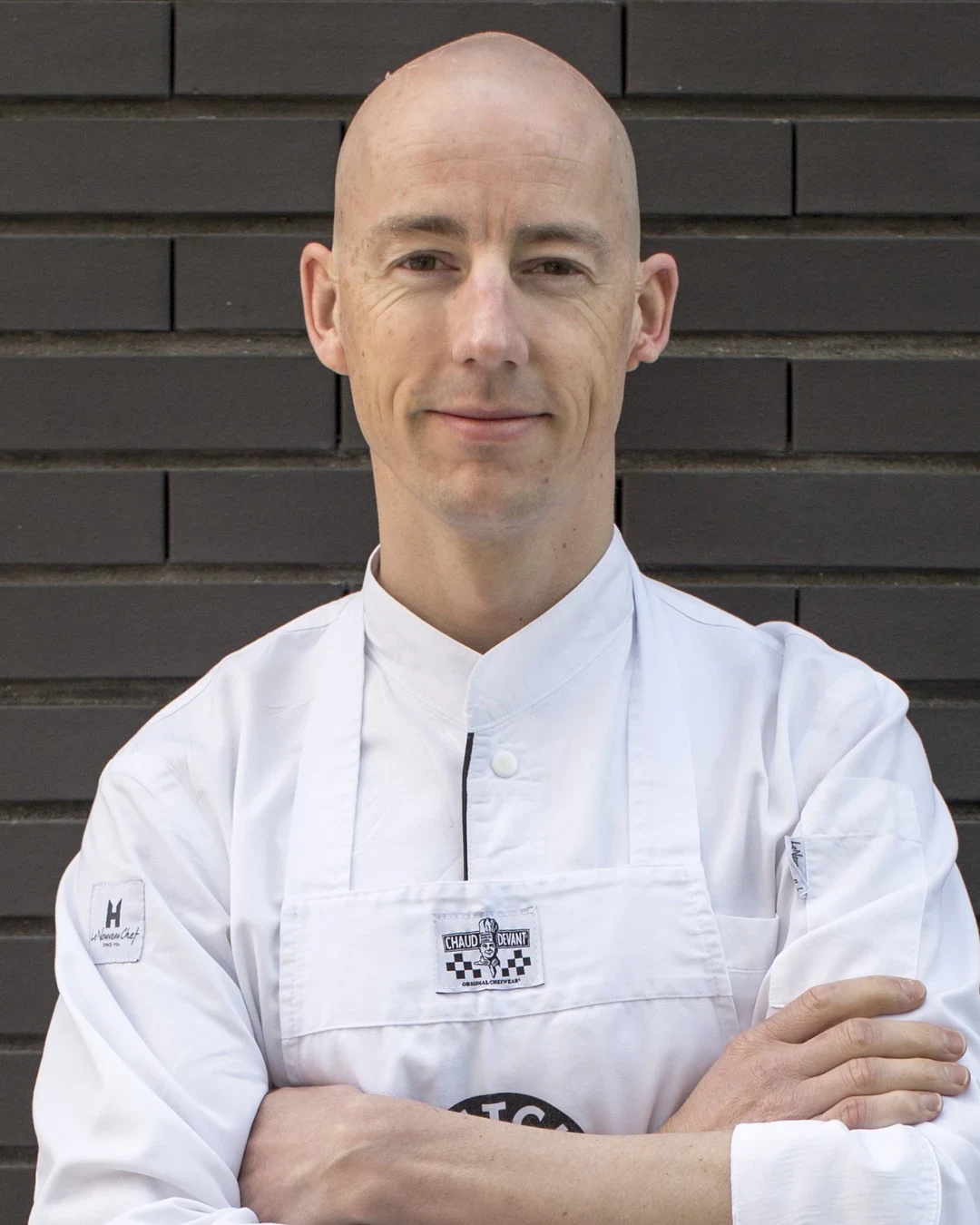
Luc Kusters
Chef
- 01CuisineModern Dutch Farm-to-Table
- 02CityAmsterdam, Netherlands
- 03RecognitionOne Michelin Star
- 1 Michelin Star · Michelin Guide
- Opinionated About Dining Top Restaurants in Europe Recommended · 2026
- We're Smart World 5 Radishes · 2025
- Michelin 1 Star · 2025
- We're Smart World Top 100 #18 · 2025
- Opinionated About Dining Top Restaurants in Europe Ranked #611 · 2025
- Michelin 1 Star · 2024
- Opinionated About Dining Top New Restaurants in Europe Recommended · 2023
Rembrandtpark and the Architecture of Calm
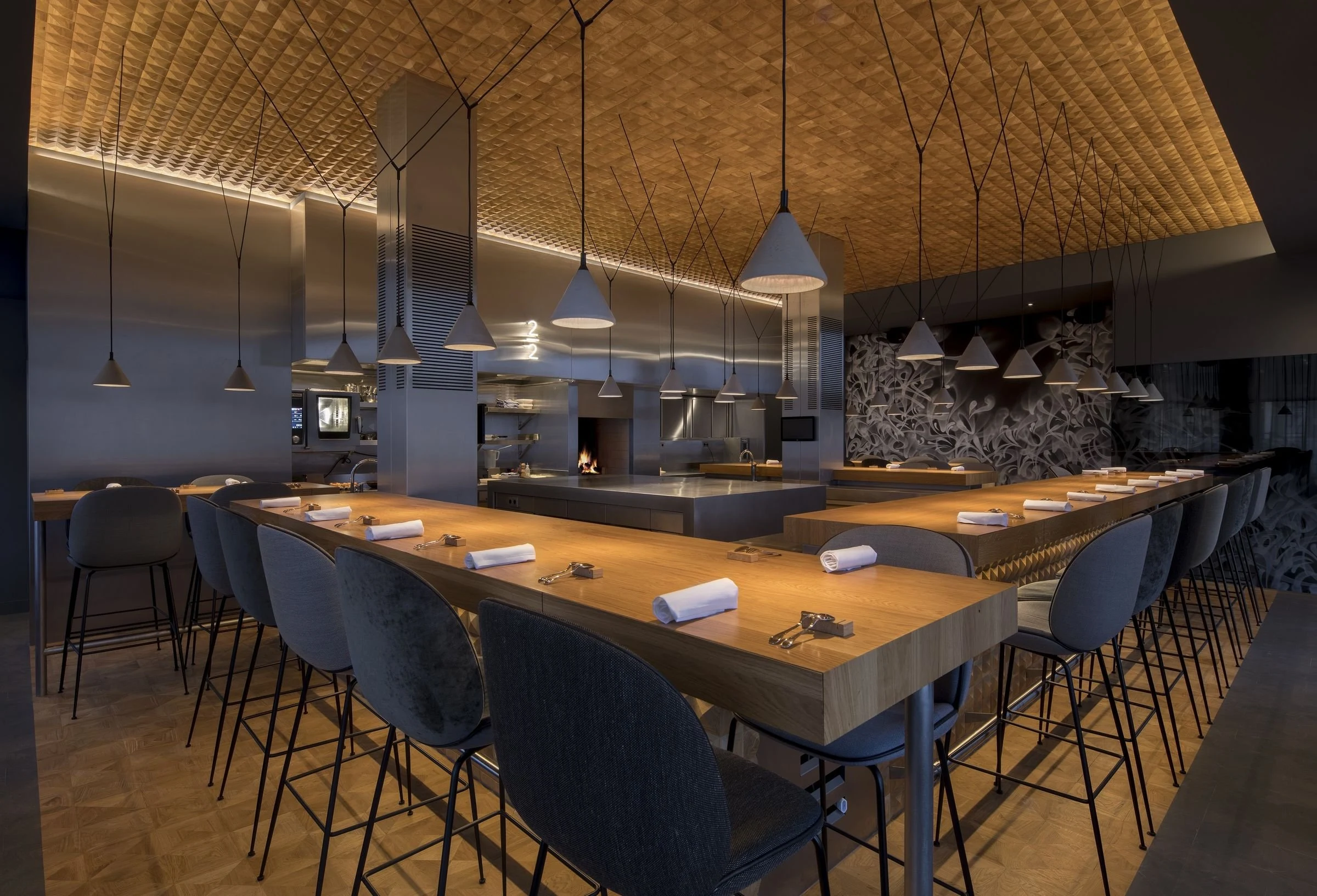
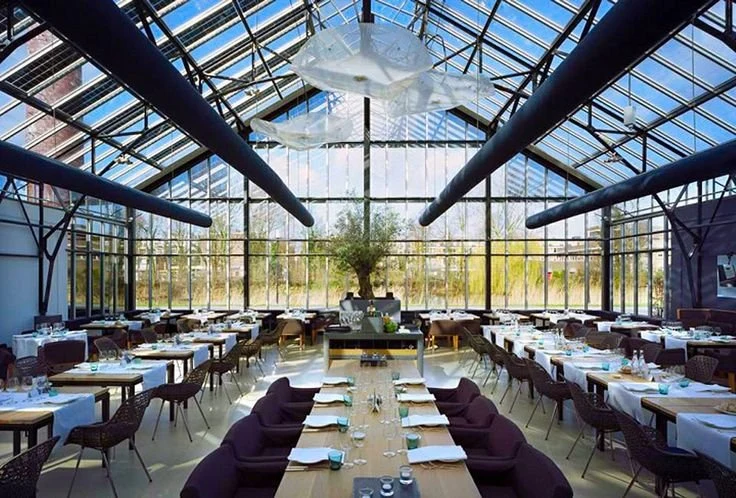
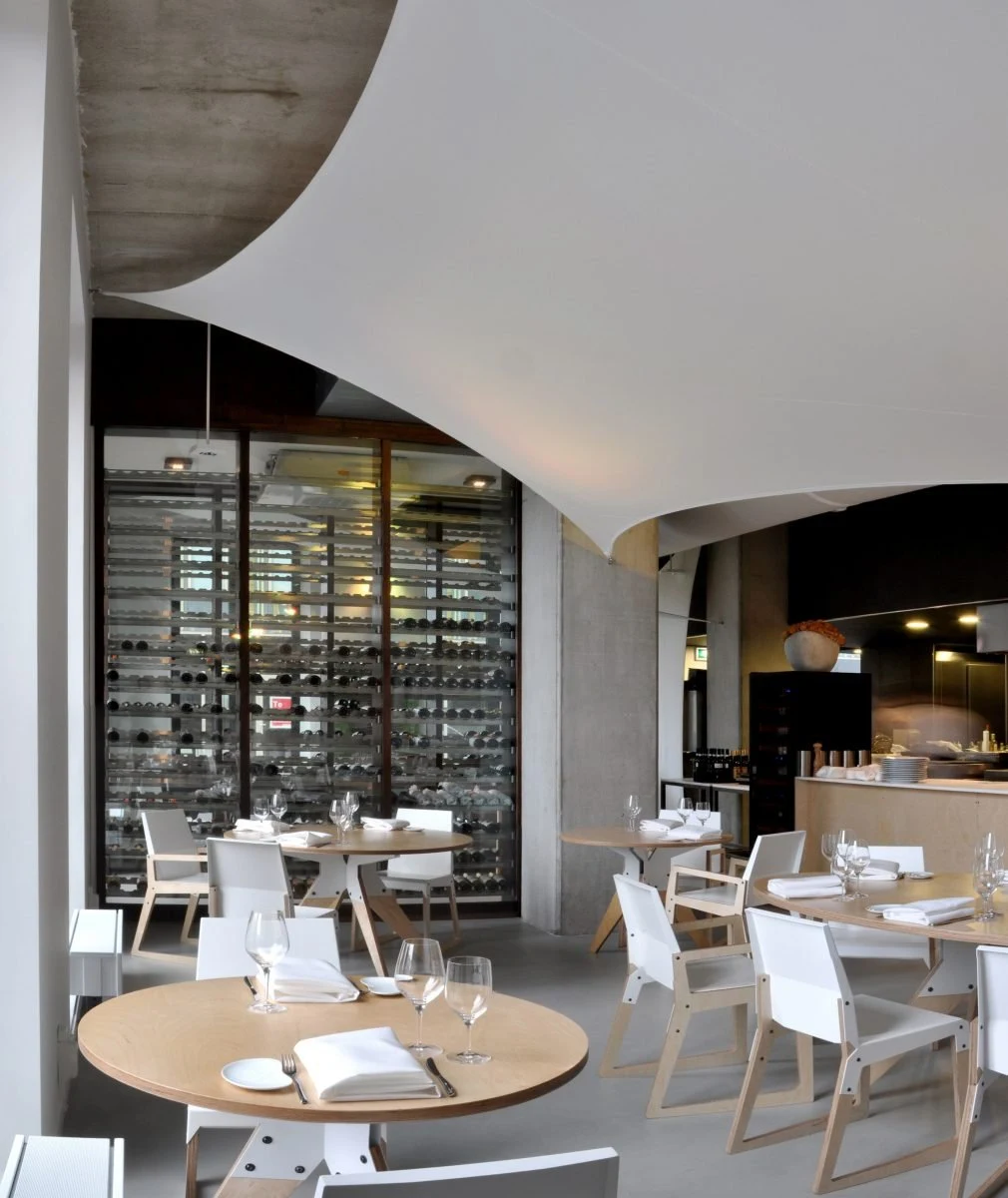
Bolenius is a one-Michelin-star restaurant in Amsterdam, serving Modern Dutch Farm-to-Table cuisine at a €€€€ price tier. Light changes with the season rather than the time slot. At Nachtwachtlaan 20B, Bolenius occupies a space where the boundary between interior and kitchen garden is more suggestion than barrier, raised beds and growing rows are visible from within, and the produce planted outside will eventually arrive on the plate in front of you. That physical loop, from soil to table within the same eyeline, is not a design trick. It is the organising principle of the entire room.
The Zuidas location placed Bolenius in a corporate dining context, where the audience was often defined by proximity and convenience. The Rembrandtpark setting draws a different crowd and signals different intentions, this is a destination rather than a default. That is a meaningful signal from a credible source.
What the Room Communicates
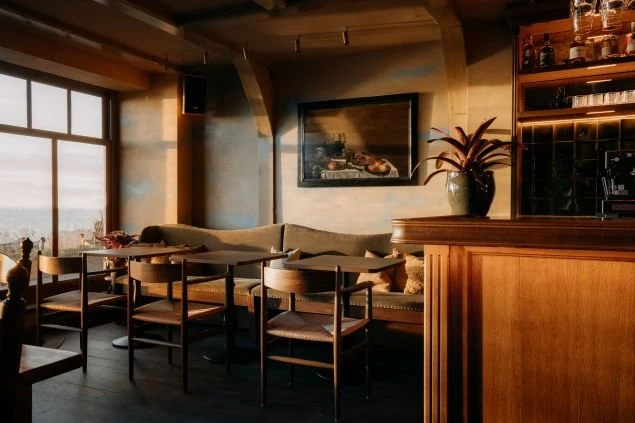
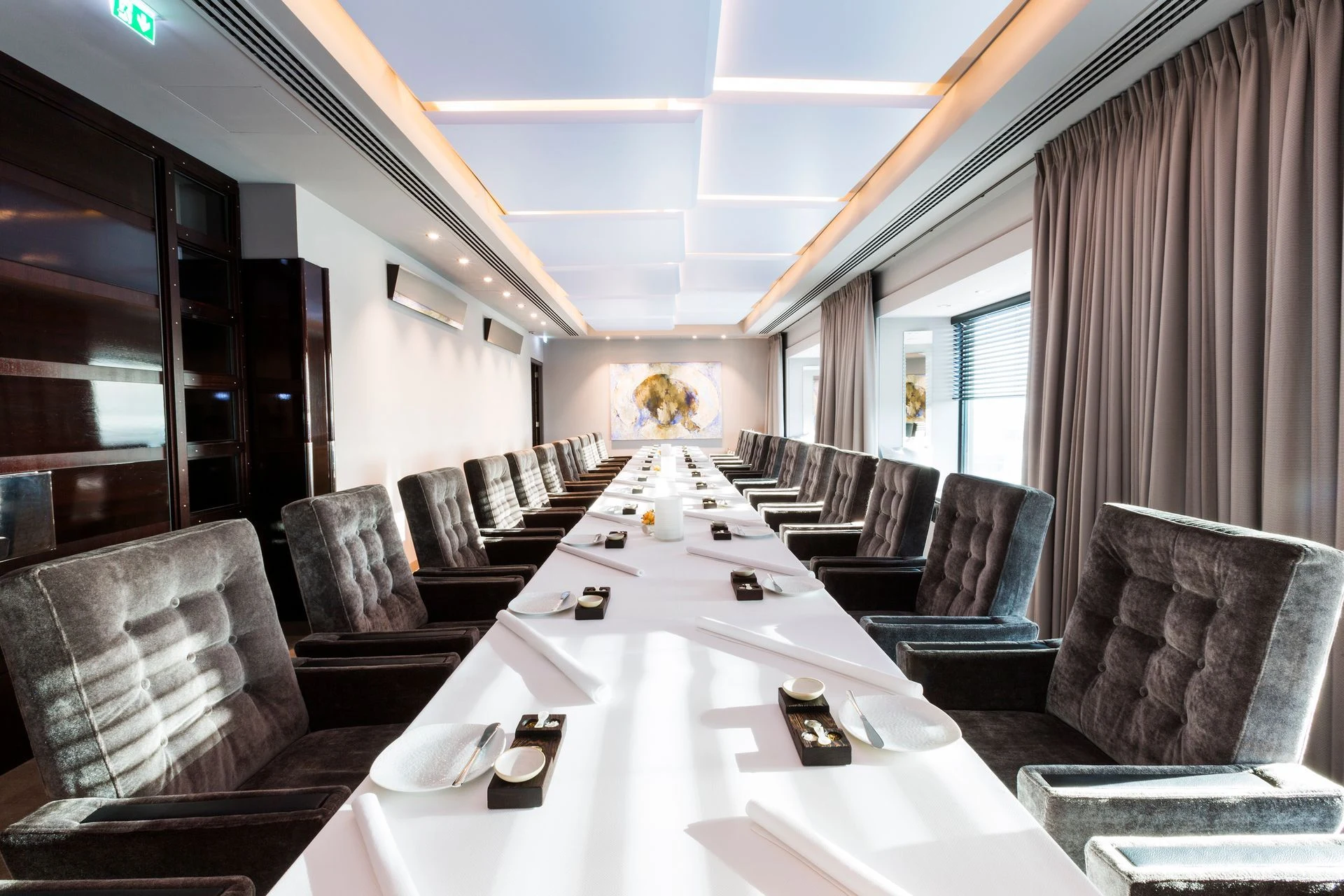
Amsterdam's top-tier dining rooms occupy a narrower range of design registers than, say, Paris or Copenhagen. The city tends toward restraint: natural materials, considered lighting, spaces that feel like serious workshops rather than theatrical stages. Bolenius reads within that tradition but adds a layer of outdoor continuity that few rooms in the city can match. Modern design is present in the detailing, but the dominant visual element is what grows outside the glass, the chef's own vegetable garden, which relocated with the restaurant when it moved to Rembrandtpark.
That the garden moved with the restaurant is worth pausing on. Kitchen gardens have become a common flourish in premium dining, often maintained at a farm some distance away and transported to the kitchen. Here, the garden is adjacent. The seasonality of the menu is therefore tied to what is visible from the dining room, and the micro-seasonal logic of the cooking is legible in a way it rarely is elsewhere. Diners who arrive in October see different beds than those who book in April, and the menu reflects those differences with specificity.
Booking ahead is advisable, particularly for Saturday, where the single evening service concentrates demand. Lunch on weekdays offers the quieter entry point for those who want the full kitchen-garden context without the competitive weekend booking pressure.
Dutch Cuisine and Where Bolenius Sits Within It
The category of Modern Dutch cooking has matured significantly over the past fifteen years. What was once a movement defined largely by what it rejected, heavy, cream-led classical hotel cooking, has developed its own positive vocabulary: micro-seasonal produce, North Sea fish, heritage grain varieties, local dairy, and a genuine engagement with the Netherlands' agricultural specificity. Luc Kusters is among the figures who helped establish that vocabulary early. His standing as one of the founding voices of Dutch Cuisine is documented in Michelin's own commentary and corroborated by his We're Smart Leading Chef recognition, which places him in a category reserved for chefs who treat vegetables and ecological sourcing as primary rather than supplementary concerns.
The broader Dutch fine dining scene, represented at the leading end by restaurants like De Librije in Zwolle, Aan de Poel in Amstelveen, and De Bokkedoorns in Overveen, tends toward technical rigour with strong regional sourcing. Bolenius shares that rigour but narrows its aperture toward plant-based cooking in a way that puts it in a distinct comparable set, closer to De Groene Lantaarn in Staphorst or Meliefste in Wolphaartsdijk by philosophy than by format. Within Amsterdam itself, the comparison set at the €€€€ price tier, including Ciel Bleu, Flore, Spectrum, and Vinkeles, shares the price point but diverges sharply in sourcing philosophy and menu architecture. Where Ciel Bleu operates a classically structured tasting menu with a skyline address and an international reference set, Bolenius points its ambitions inward, toward Dutch soil, Dutch seasons, and what can be grown within view of the dining room.
Internationally, the plant-forward fine dining approach Bolenius exemplifies has parallels at restaurants like Le Bernardin in New York City in terms of the rigour applied to a single primary ingredient category, though Le Bernardin's mastery of seafood is a different expression of the same principle of focused intensity. The comparison is instructive: narrowing a menu's scope, rather than broadening it, can sharpen rather than limit what a kitchen communicates.
The Two Menus and What They Propose
Bolenius runs two set menus: Pure Plant and Dutch Menu. The structure itself communicates a position. Rather than offering a single chef's menu that moves between proteins and vegetables, the two-menu format asks diners to choose a mode of engagement. The Pure Plant menu is entirely plant-based, built around what the kitchen garden and Dutch producers provide. The Dutch Menu introduces animal proteins alongside the vegetable work, documented sources include Dutch Kamper lamb and North Sea pike-perch, but the emphasis on produce as the primary element remains consistent across both.
Michelin's one star for Bolenius, along with its inspector commentary citing the halibut preparation, suggests a kitchen operating with considerable technical precision. That dish alone involves multiple textures, two distinct preparations of cabbage, and a broth made from a different protein than the main ingredient, the kind of construction that earns stars not through spectacle but through compositional intelligence.
Bolenius operates in a tier where the commitment of an evening (or a lunch) is real, and where understanding the format before you arrive matters. The two-menu structure means the kitchen's attention is not divided across a sprawling à la carte, it is concentrated, which is the point.
Planning Your Visit
Bolenius sits at Nachtwachtlaan 20B in Amsterdam's west, at the edge of Rembrandtpark. The parkside location places it outside the central dining cluster, which is both the appeal and the logistical consideration, this is not a restaurant you stumble into or combine easily with a post-dinner bar in the Jordaan. It rewards treating the evening as the event itself. Other notable Dutch destinations worth pairing with an Amsterdam trip include De Lindehof in Nuenen and De Lindenhof in Giethoorn, both of which operate at the top tier of regional Dutch fine dining and offer a different perspective on what Dutch cuisine looks like outside the capital.
Questions
Frequently asked
What recognition does Bolenius hold?
Bolenius holds 1 Michelin star.
Who works at Bolenius?
Made By profiles Luc Kusters (Chef) at Bolenius.
How expensive is Bolenius?
Bolenius is listed at a price level of $$$$.
Where is Bolenius and what does it serve?
Bolenius is in Rembrandtpark Zuid, Amsterdam, serving Modern Dutch Farm-to-Table.
The field
How it compares
| Place | Awards | Cuisine | Notes |
|---|---|---|---|
| Bolenius | Michelin 1 Star | Modern Dutch Farm-to-Table | Rembrandtpark Zuid, $$$$ |
| 212 | Michelin 2 Stars | Modern Fine Dining | Amsterdam |
| Choux | Michelin 1 Star | Modern Dutch Vegetable-Forward Fine Dining | Amsterdam |
| Ciel Bleu | Michelin 2 Stars | Modern French Fine Dining | Amsterdam |
| De Kas | Michelin 1 Star | Seasonal Farm-to-Table Fine Dining | Amsterdam |
| RIJKS® | Michelin 1 Star | Modern Dutch Low Countries Cuisine | Amsterdam |
| Vinkeles | Michelin 2 Stars | Modern French Fine Dining | Amsterdam |
In residence
Similar places
Modern Fine Dining
212
Amsterdam, Netherlands
★★
Modern Dutch Vegetable-Forward Fine Dining
Choux
Amsterdam, Netherlands
★
Modern French Fine Dining
Ciel Bleu
Amsterdam, Netherlands
★★
Seasonal Farm-to-Table Fine Dining
De Kas
Amsterdam, Netherlands
★
Modern Dutch Low Countries Cuisine
RIJKS®
Amsterdam, Netherlands
★
Modern French Fine Dining
Vinkeles
Amsterdam, Netherlands
★★