From the people index
Recommended by
One trusted voice points here.
A Villa That Refuses to Pretend
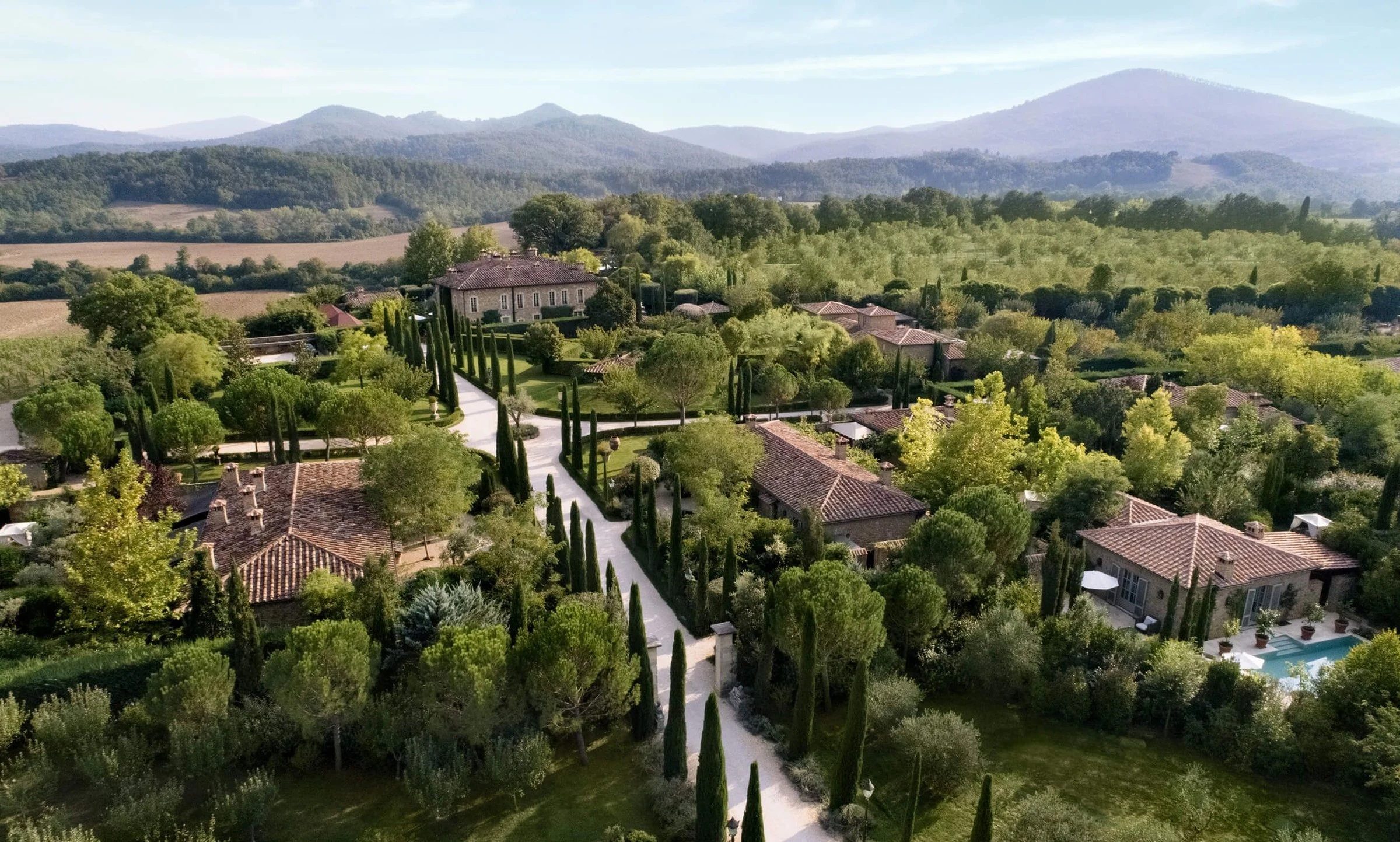
Approaching Borgo Santo Pietro along the unpaved road that crosses its 270-acre estate, the first thing that registers is the stillness. No sound barrier of curated playlist, no glass-and-steel porte-cochère. What arrives instead is the smell of the kitchen garden, the sight of an 800-year-old stone villa against the Sienese hills, and the particular silence that belongs only to working agricultural land. This is Chiusdino, a commune in the province of Siena that most Tuscan itineraries skip entirely, and that omission is, for guests of Borgo Santo Pietro, quietly advantageous.
The Design Argument: Antiquity as Aesthetic Position
There is a recognisable category of luxury hotel that uses antique furniture as styling shorthand, a gilded mirror here, a refectory table there, without committing to the logic those objects imply. Borgo Santo Pietro is something else. The antiques sourced from across Italy are authentic, structurally integrated into rooms rather than displayed in them, and the building materials used in the restoration were selected to match the villa's medieval origins. The frescoes executed by hand in several rooms are not reproductions of period imagery but original commissioned works made in period technique. The result is a coherence that most restored Italian properties, however well resourced, do not achieve.
The Sunday email
Read about the people behind hotels like Borgo Santo Pietro in the Sunday email.
Every Sunday we send a lead story and up to four more about the chefs, winemakers, sommeliers and hoteliers behind the restaurants, bars, wineries and hotels we cover.
Recent stories
Free. One email a week, and you can unsubscribe from any issue.
Italian luxury hospitality has long wrestled with this tension between preservation and comfort. The historic palazzos and converted monasteries that anchor much of the country's five-star sector frequently make visitors feel they are guests in a museum: rooms so carefully frozen that inhabiting them feels presumptuous. Borgo Santo Pietro chose a different position. The villa had fallen to ruin when its current owners found it; rather than treating the resulting blank slate as an opportunity for pastiche, they used it to build something that feels genuinely inhabited, a country house in the older, pre-hospitality-industry sense of that term. Comparable properties in the Tuscan hills, such as Rosewood Castiglion Del Bosco in Montalcino and Borgo San Felice Resort in Castelnuovo Berardenga, make a similar argument through restored village structures; Borgo Santo Pietro makes it through a single estate villa, which concentrates the atmosphere considerably.
Across Italy more broadly, the design-led boutique category has produced some persuasive entries. Aman Venice works from a palazzo of demonstrable historic weight; Passalacqua in Moltrasio and Castel Fragsburg in Merano each inhabit historic structures with genuine commitment. What distinguishes Borgo Santo Pietro in that company is the agricultural integration, the gardens, the dairy, the farm, which gives the design a productive function rather than a purely aesthetic one.
Sixteen Rooms, Calibrated Privacy
The estate holds 16 rooms and suites, a deliberately constrained number for a property of 270 acres. That ratio shapes the experience more than any single design detail: the grounds never feel occupied in the way that larger resort hotels do. The seclusion suite category takes this furthest, with configurations that include private terraces, outdoor fireplaces, lounge areas, dedicated gardens, and in some cases private pools. Interior volumes are described as light-filled and airy, with bespoke beds and a room-by-room approach to design that means no two spaces read as identical, a practical consequence of working with individually sourced antiques rather than a specifiedfurnishings programme.
For reference on how Borgo Santo Pietro's scale compares within the Italian five-star segment, properties such as Il Pellicano in Porto Ercole and JK Place Capri operate in a similar small-key philosophy, trading the amenity breadth of larger resorts for a more contained, private-feeling stay. Borgo Santo Pietro adds agricultural depth that neither of those properties attempts at the same scale.
The Farm as Infrastructure
The most operationally significant aspect of the estate is the relationship between the land and the hotel's services. The 270 acres are organically cultivated, and that cultivation feeds three distinct programmes: the kitchen, the spa, and the skincare laboratory. The Michelin-starred restaurant Saporium works with what the farm and kitchen garden produce, a farm-to-table model that functions as actual supply chain rather than marketing positioning, given the estate's acreage and the labour of dedicated culinary gardeners. A less formal option, the Trattoria sull'Albero, is built around a centuries-old oak tree, which gives it a character entirely its own.
The onsite Seed to Skin laboratory produces the hotel's natural amenities using ingredients harvested from the farm. This is a more unusual integration than it might first appear: most luxury hotels that reference natural provenance in their spa treatments source from third-party suppliers with farm-origin branding. Borgo Santo Pietro's Seed to Skin is a production facility on the property. The Borgo spa extends this further by incorporating freshly picked seasonal plants and herbs into treatments, a programme that changes with the growing calendar rather than with the marketing cycle.
For comparison, Casa Maria Luigia in Modena pursues a similar farm-and-kitchen integration in an Emilian context, and Borgo Egnazia in Savelletri di Fasano has built its programming around Puglian agricultural traditions. Borgo Santo Pietro's contribution to that pattern is the skincare laboratory, which closes the loop between estate production and guest experience in a way that remains uncommon at this price tier.
Programme Depth Beyond the Room
Guests who choose Borgo Santo Pietro for the architecture and grounds are also choosing a programme of activities that extends well beyond passive relaxation. Cooking lessons at the Borgo Cooking School and Fermentation Lab, artisan cheesemaking at the dairy, wine tastings, flower-arranging with an in-house florist, lakeside painting with a resident artist, a forest gym, and swimming in the nearby blue lagoon river all form part of what the estate calls the Borgo experience. The breadth is notable for a 16-room property; it suggests an institutional investment in programming that is more typically associated with much larger resort formats.
Off the estate, the sailing yacht Satori is available for Mediterranean charters with bespoke itineraries, positioned around a slow and gourmet approach to the sea. This extends the estate's philosophy into an entirely different geography without changing its character.
Recognition and Standing
Borgo Santo Pietro earned a Michelin 1 Key in 2024, placing it within the inaugural cohort of properties recognised under Michelin's hotel guide framework. The La Liste Leading Hotels 2026 ranking scored it at 96.5 points, positioning it in the upper tier of that index. Membership of Leading Hotels of the World provides a third credential from within the traditional luxury hospitality recognition structure. Saporium adds a dining-specific credential that most comparable estate hotels in Tuscany do not hold. Properties like Four Seasons Hotel Firenze and Bulgari Hotel Roma carry comparable institutional recognition in the Italian five-star set but operate in urban contexts that are structurally different from the rural estate model Borgo Santo Pietro represents.
Questions
Frequently asked
What recognition does Borgo Santo Pietro hold?
Borgo Santo Pietro holds 3 Michelin keys.
Who works at Borgo Santo Pietro?
Made By profiles Claus Thottrup (Co-Owner) and Jeanette Thottrup (Co-Owner) at Borgo Santo Pietro.
How expensive is Borgo Santo Pietro?
Borgo Santo Pietro is listed at a price level of $$$$.
The field
How it compares
| Place | Awards | Notes |
|---|---|---|
| Borgo Santo Pietro | Michelin 3 Keys | Chiusdino, $$$$ |
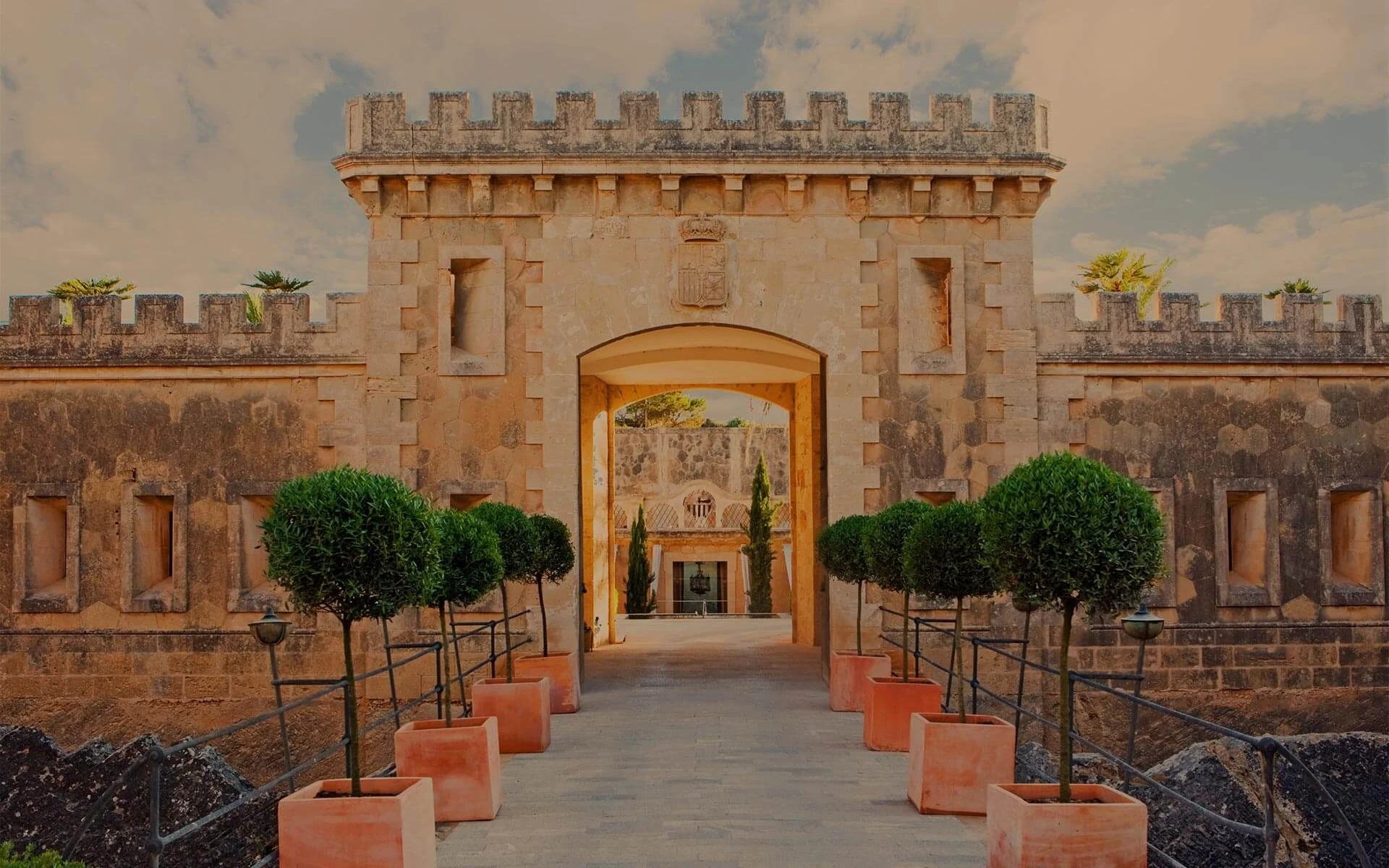
| Cap Rocat | Michelin 2 Keys | Cala Blava |
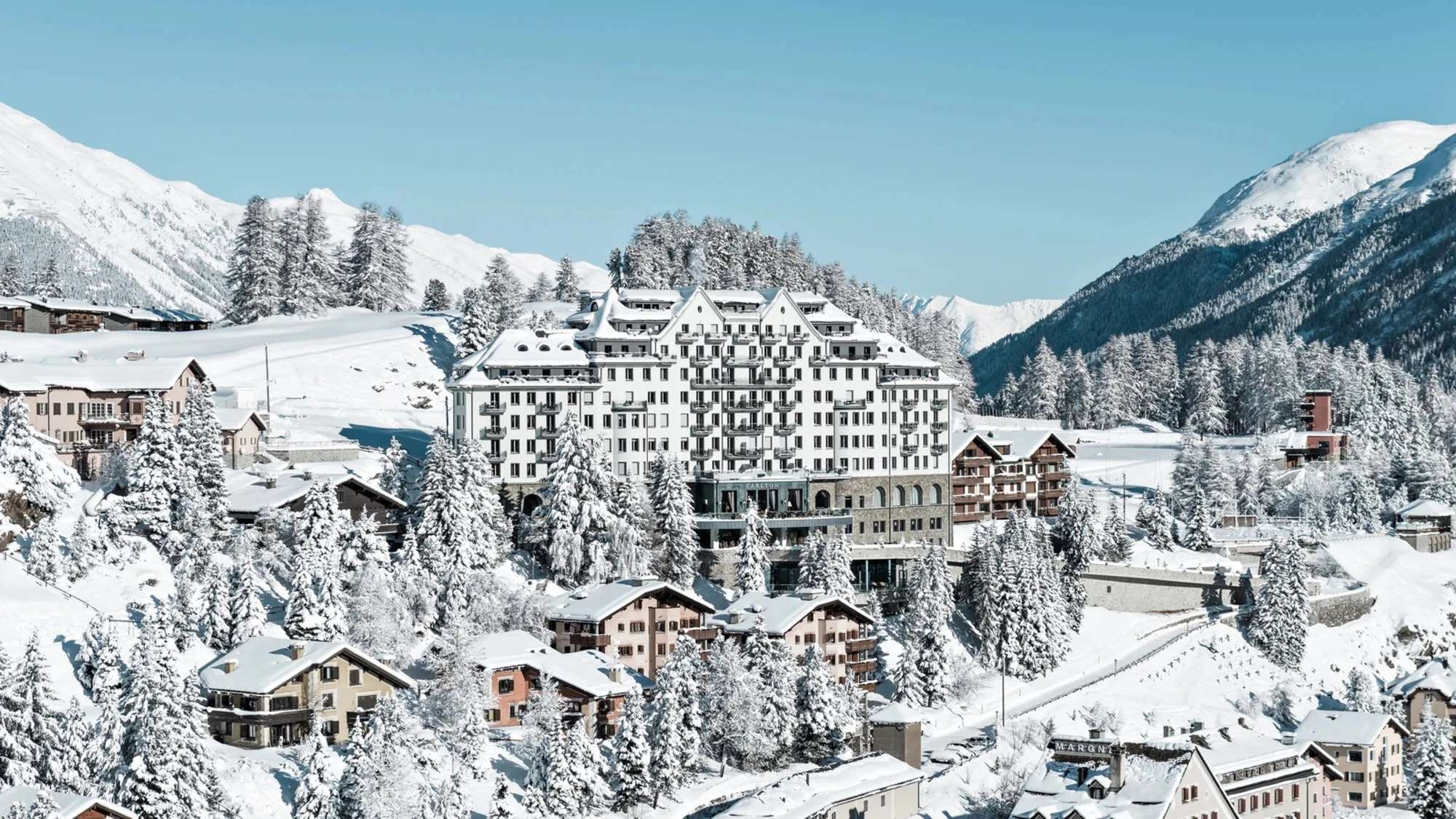
| Carlton Hotel St. Moritz | Michelin 3 Keys | St. Moritz |
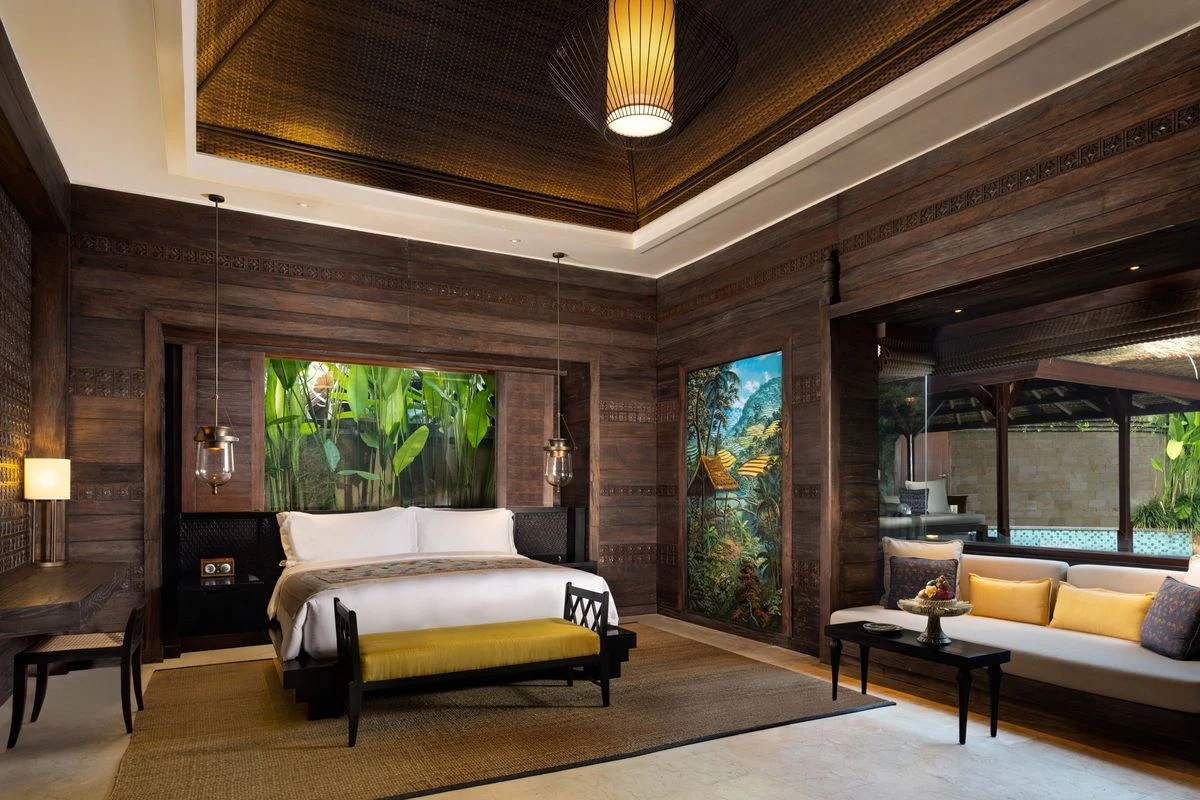
| Mandapa, a Ritz-Carlton Reserve | Michelin 3 Keys, 50 Best | Ubud |
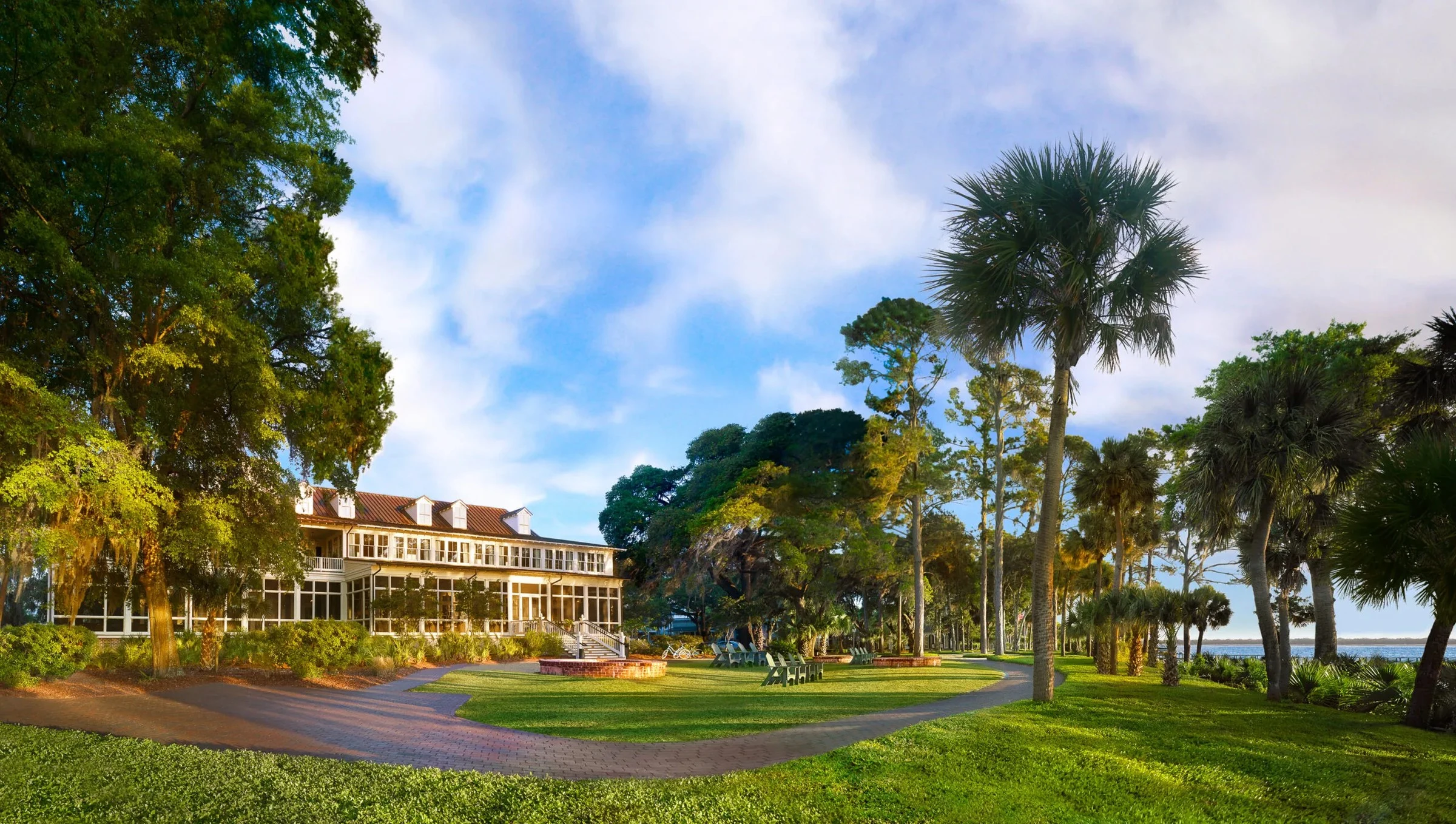
| Montage Palmetto Bluff | Michelin 2 Keys | Bluffton |
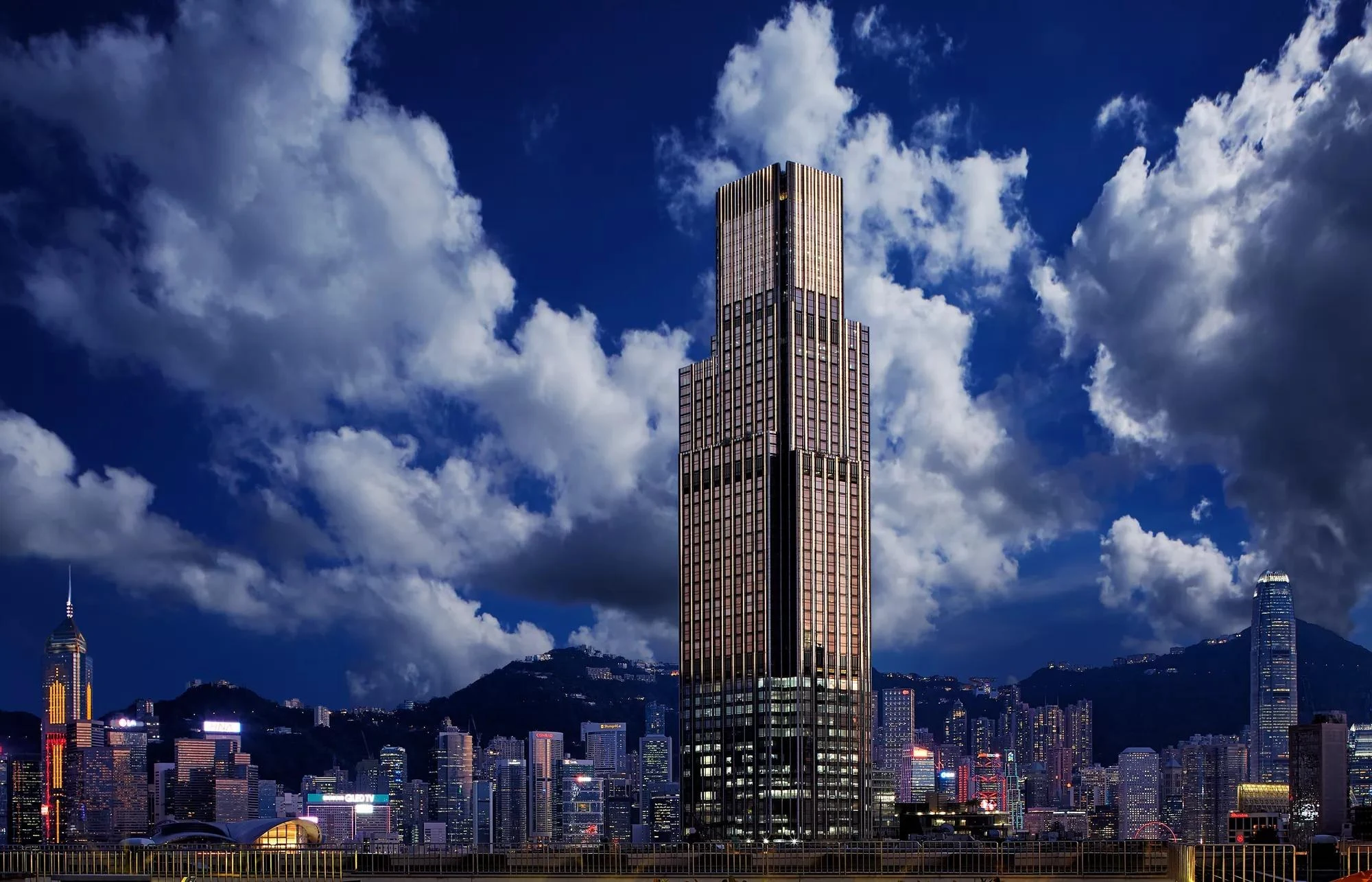
| Rosewood Hong Kong | Michelin 3 Keys, 50 Best | Hong Kong |
| The Setai, Miami Beach | Michelin 2 Keys | Miami |
Similar places

The Sunday email
Read about the people behind hotels like Borgo Santo Pietro in the Sunday email.
Every Sunday we send a lead story and up to four more about the chefs, winemakers, sommeliers and hoteliers behind the restaurants, bars, wineries and hotels we cover.
Recent stories
Free. One email a week, and you can unsubscribe from any issue.