Butcher's Block
In Residence
Jordan Keao
Chef
- 01CuisineModern Wood-Fired Steakhouse with Hawaiian Influences
- 02CitySingapore, Singapore
- Michelin Guide Plate · 2026
- Opinionated About Dining Top Restaurants in Asia Recommended · 2026
- Forbes Recommended · 2025
- Michelin Plate · 2024
Fire, Provenance, and the Sommelier's Table
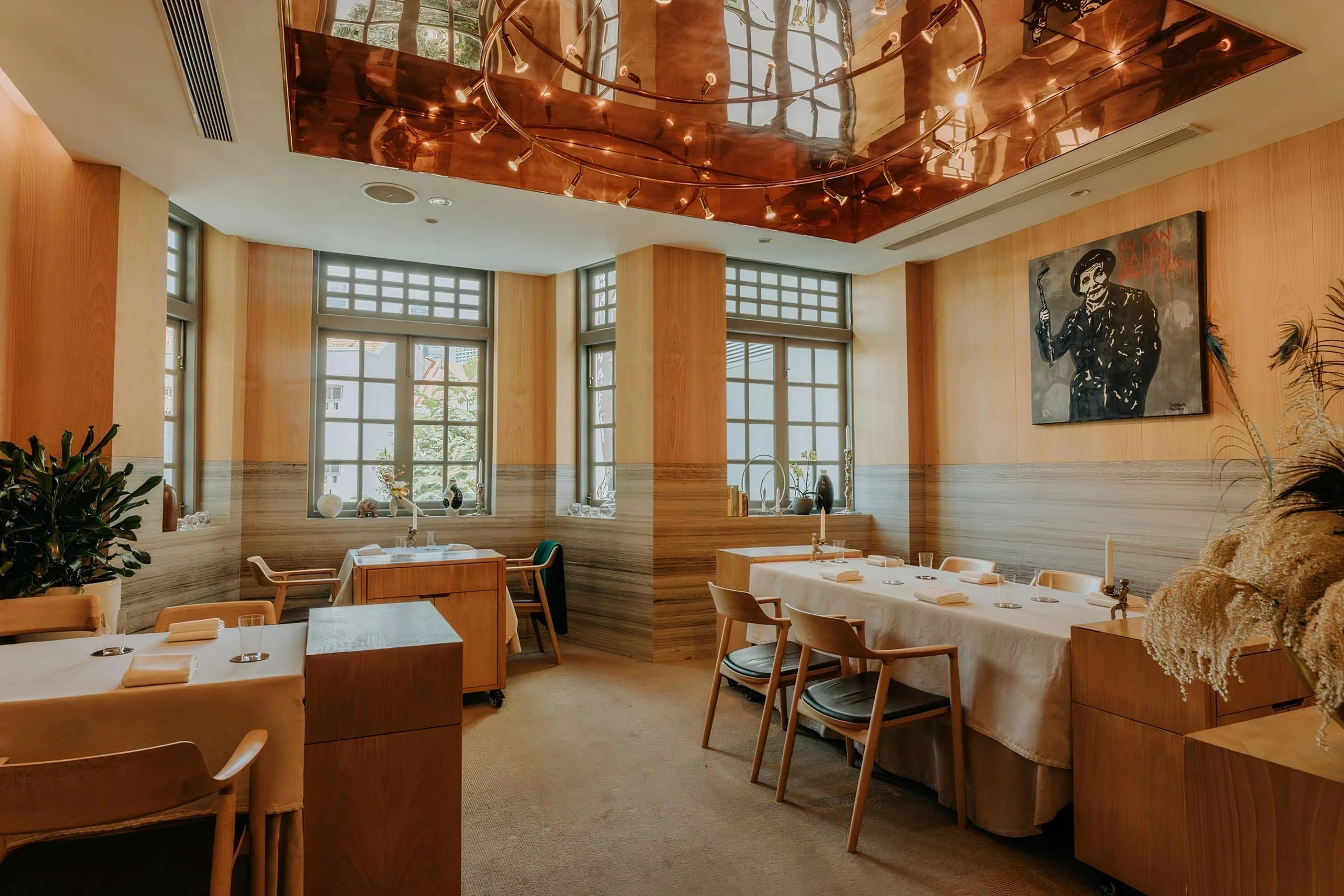
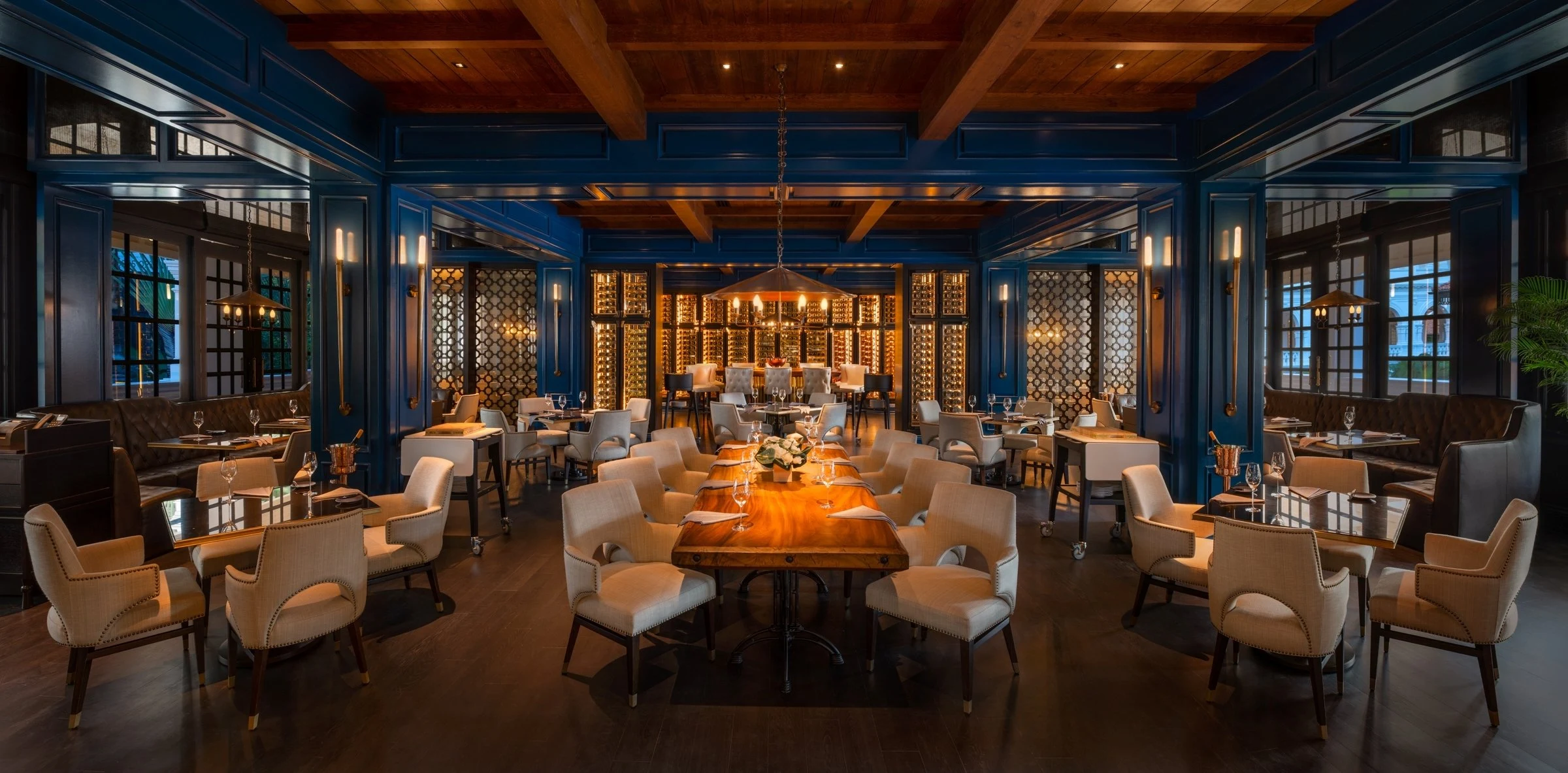
The Raffles Arcade entrance on North Bridge Road deposits you into a corridor that has hosted colonial-era traders, post-war correspondents, and three generations of Singapore's dining public. By the time you reach the second floor and step into Butcher's Block, the architecture has already done editorial work: the bones of a heritage building frame a room built around fire, provenance, and the kind of wine program that earns its own dedicated space. In a city where fine dining tends to cluster around either French technique or contemporary Asian frameworks, a wood-fired meats restaurant with Hawaiian culinary roots and a near-300-label cellar occupies genuinely distinct territory.
Counter formats like Zén (European Contemporary) at the four-star level, and tasting-menu operations like Odette (French Contemporary) and Les Amis (French) anchor the city's most decorated bracket. Butcher's Block, holding a Michelin Plate as of 2024, sits in the adjacent tier: credentialed, technically serious, and priced at $$$ rather than the $$$$ ceiling of its neighbours.
The Wine Program as a Structural Argument
The editorial case for the sommelier at a meats-focused restaurant is direct in São Paulo or Mendoza, where the cultural link between red wine and fire-cooked beef is taken as given. In Singapore, that case has to be made more deliberately, and the wine program here reads like a considered argument rather than an afterthought. The Library, a wine cellar housing close to 300 labels, functions as a visual anchor for the room's identity before a single pour is made. The resident sommelier works pairing pathways into both the tasting menu and à la carte tracks, narrating selections with what the venue describes as wine-inspired storytelling.
What distinguishes the program at the upper end is the Dom Pérignon Society membership, which gives diners access to rare vintage Dom Pérignon Champagnes not typically available through standard wine lists. That credential matters less as a champagne conversation than as a trust signal about the cellar's depth and curatorial seriousness. Comparable wine commitments at peer-level restaurants globally, from AuGust in Zurich to A Figueira Rubaiyat in São Paulo, tend to anchor their programs in regional bottles. The choice here to build around international labels and vintage access reflects Singapore's position as a market where provenance and scarcity carry more weight than geographic alignment.
The pairing format extends across both service windows, and both offer tailored wine pairing options. For the sommelier, this creates two distinct narrative arcs across the same day, a practical detail that has real implications for how the cellar is managed and how the team calibrates service intensity by meal.
Whole-Animal Butchery and the Farm Behind the Kitchen
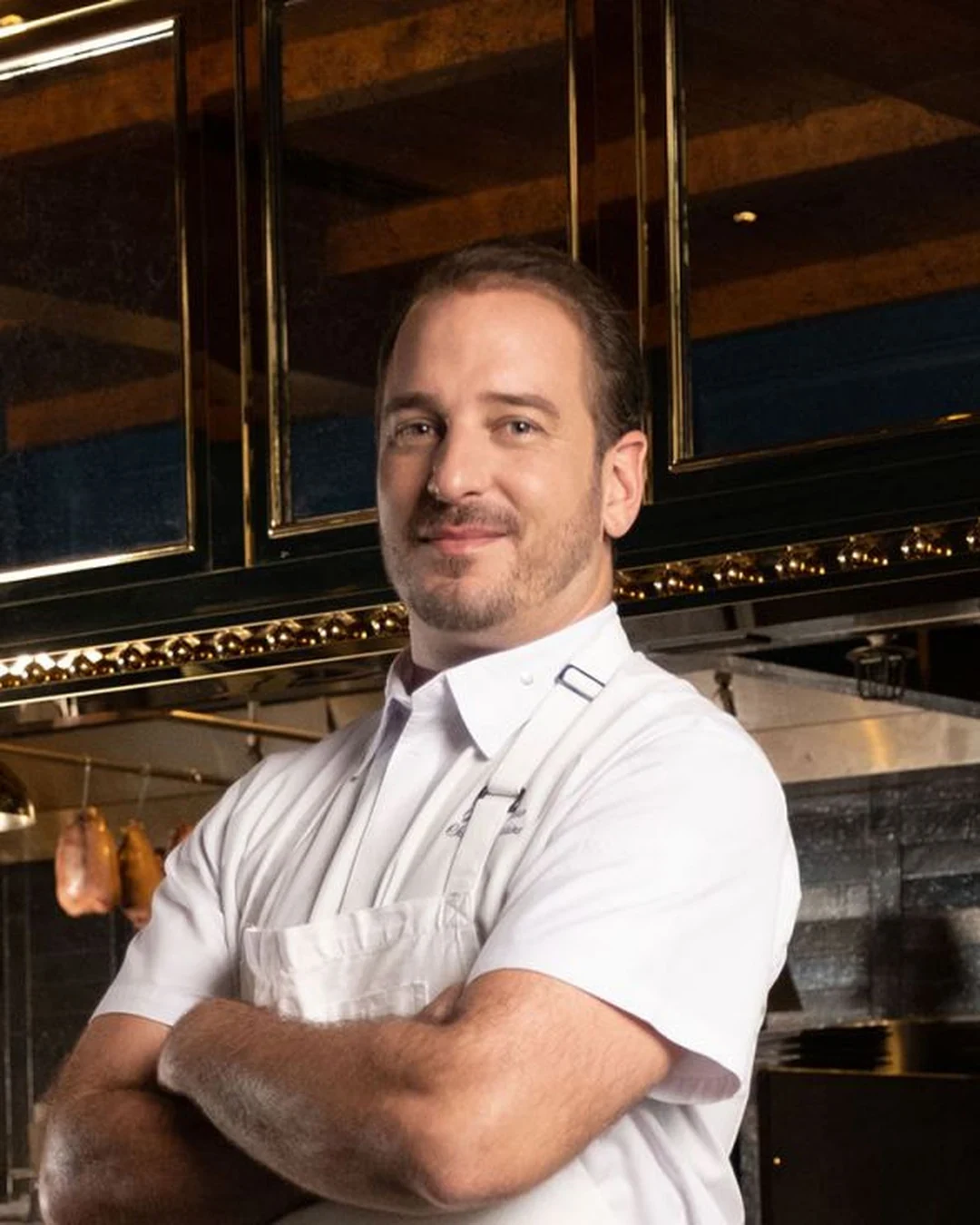
The ethos of using the whole animal is not new in fine dining, it was a central argument of nose-to-tail kitchens in London and New York from the mid-2000s onward, and has since become standard language in tasting-menu contexts. What shifts at Butcher's Block is the Hawaiian framing applied by Chef Jordan Keao, which roots the zero-waste approach in a specific cultural lineage rather than a generic sustainability brief. The Larder at the front of the kitchen displays the premium cuts, seafood, and seasonal produce in use, functioning as both transparency mechanism and an introduction to the sourcing logic that shapes the menu.
In-house butchery means that every part of the animal feeds into the kitchen's creative output, driving dishes that work with texture and flavour combinations not possible from commodity cuts alone. This approach has direct parallels in how dedicated whole-animal restaurants operate in Europe: Antica Macelleria Cecchini - Solociccia in Panzano and Damini Macelleria & Affini in Arzignano both treat butchery as culinary philosophy rather than operational convenience. The difference in the Singapore context is that Keao's kitchen extends the provenance chain to the source itself.
Farmd by Butcher's Block, the hybrid horticulture farm operated in partnership with a local farm, supplies the kitchen with vegetables and herbs including turnips, shiso leaf, Swiss chard, and watercress. In a city where land constraints make any form of local agricultural production logistically complicated, running a dedicated growing operation represents a material commitment to ingredient control rather than a marketing position. Menu updates reflect the farm's seasonal output, and Chef Keao adjusts both the tasting and à la carte offerings regularly to incorporate what is arriving from the farm.
The IMUA Menu: Format and What It Signals
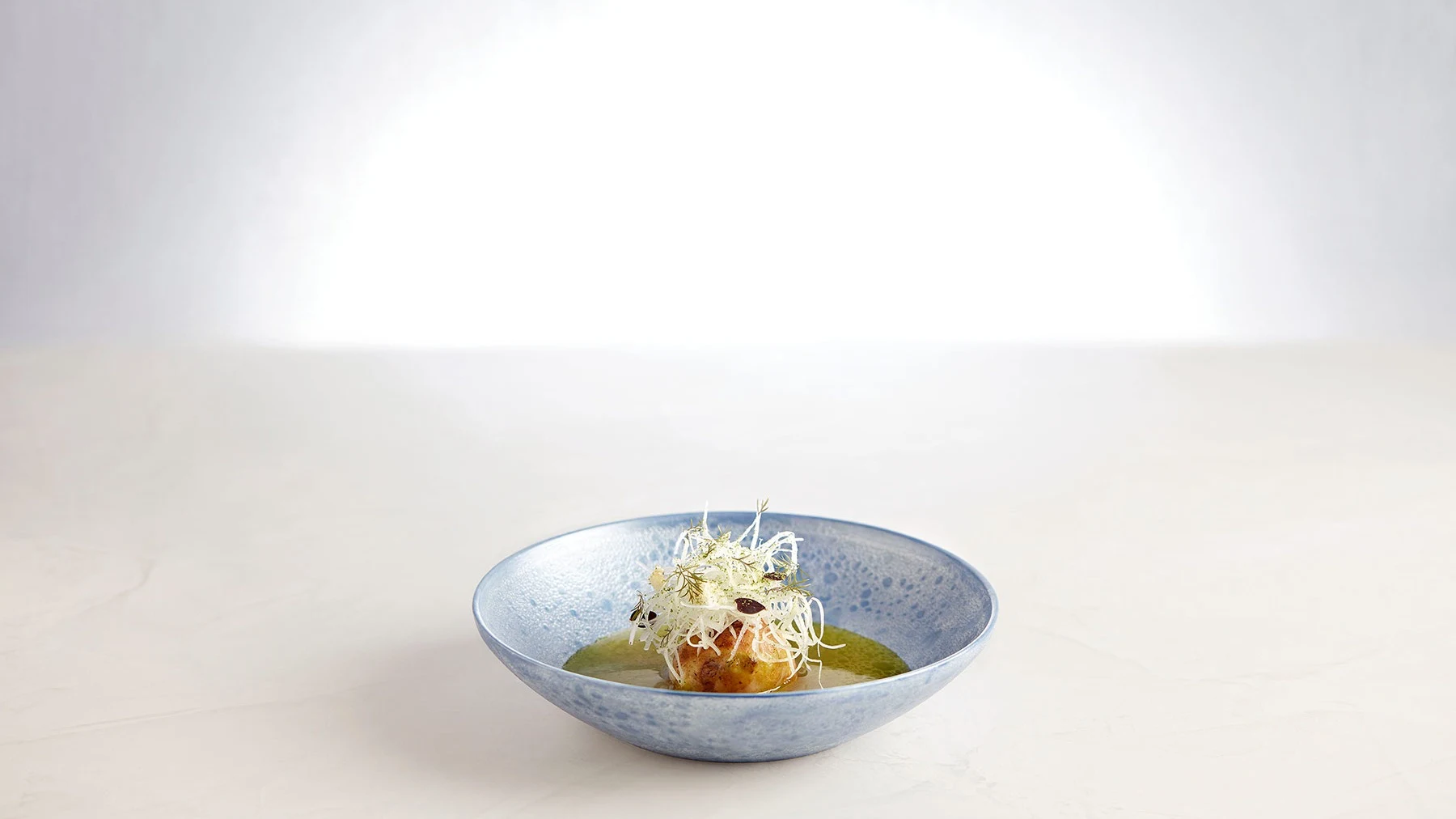
The multi-course IMUA tasting menu takes its name from a Hawaiian phrase meaning to move forward with strength and spirit, and that framing is carried through the format's structure. Among the noted dishes from the current menu: the huli huli duck, which undergoes a dry-aging process designed to develop tenderness, and Blackmore Farm wagyu, which is marinated for umami depth. These are not decorative flourishes on a standard steakhouse menu, they represent the kind of ingredient-specific technique that positions the kitchen within the broader international discussion about aged proteins and fire-based cooking methods.
Restaurants working in the same wood-fire tradition across Europe approach these questions differently depending on their competitive context. Carcasse in Sint-Idesbald and A'Kangas by Urrechu in Alcobendas each develop their fire programs around regional meat cultures with deep local reference points. Aal Schoul in Luxembourg and Abrasado in Mendoza bring their own sourcing logics to open-flame cooking. Keao's kitchen at Raffles draws on a different set of references entirely, and that cultural specificity is what separates the IMUA format from a more generically positioned fine-dining grill.
For guests comparing the IMUA format to Singapore's other tasting-menu experiences, the relevant context is that Jaan by Kirk Westaway and Meta (Innovative) both operate multi-course formats at the $$$ price point but approach their menus through entirely different culinary frameworks. The IMUA menu occupies the same price tier but offers a structurally different meal: fire-driven, meat-centred, and built around the kitchen's own sourcing infrastructure rather than market procurement alone.
Planning Your Visit
Butcher's Block is located at 328 North Bridge Road, #02-02 Raffles Arcade, Singapore 188719, within the Raffles Hotel Singapore compound. The dress code is smart casual, and reservations are recommended.
Questions
Frequently asked
Who works at Butcher's Block?
Made By profiles Jordan Keao (Chef) at Butcher's Block.
How expensive is Butcher's Block?
Butcher's Block is listed at a price level of $$$$.
Where is Butcher's Block and what does it serve?
Butcher's Block is in CITY HALL, Singapore, serving Modern Wood-Fired Steakhouse with Hawaiian Influences.
The field
How it compares
| Place | Cuisine | Notes | Awards |
|---|---|---|---|
| Butcher's Block | Modern Wood-Fired Steakhouse with Hawaiian Influences | CITY HALL, $$$$ | · |
| Born | Contemporary Fusion Fine Dining | Singapore | Michelin 1 Star, World's 50 Best |
| Burnt Ends | Modern Australian Barbecue | Singapore | Michelin 1 Star, World's 50 Best |
| Jaan by Kirk Westaway | Modern British Fine Dining | Singapore | Michelin 2 Stars, World's 50 Best |
| Les Amis | Classic French Haute Cuisine | Singapore | Michelin 3 Stars, World's 50 Best |
| Odette | Modern French Fine Dining | Singapore | Michelin 3 Stars, World's 50 Best |
| Zén | Neo-Nordic with Japanese Influences | Singapore | Michelin 3 Stars, World's 50 Best |
In residence
Similar places
Contemporary Fusion Fine Dining
Born
Singapore, Singapore
★ · 50 Best
Modern Australian Barbecue
Burnt Ends
Singapore, Singapore
★ · 50 Best
Modern British Fine Dining
Jaan by Kirk Westaway
Singapore, Singapore
★★ · 50 Best
Classic French Haute Cuisine
Les Amis
Singapore, Singapore
★★★ · 50 Best
Modern French Fine Dining
Odette
Singapore, Singapore
★★★ · 50 Best
Neo-Nordic with Japanese Influences
Zén
Singapore, Singapore
★★★ · 50 Best