Calyptra
- 01CityProvidencia, Chile
- Falstaff Winery - Listed · 2026
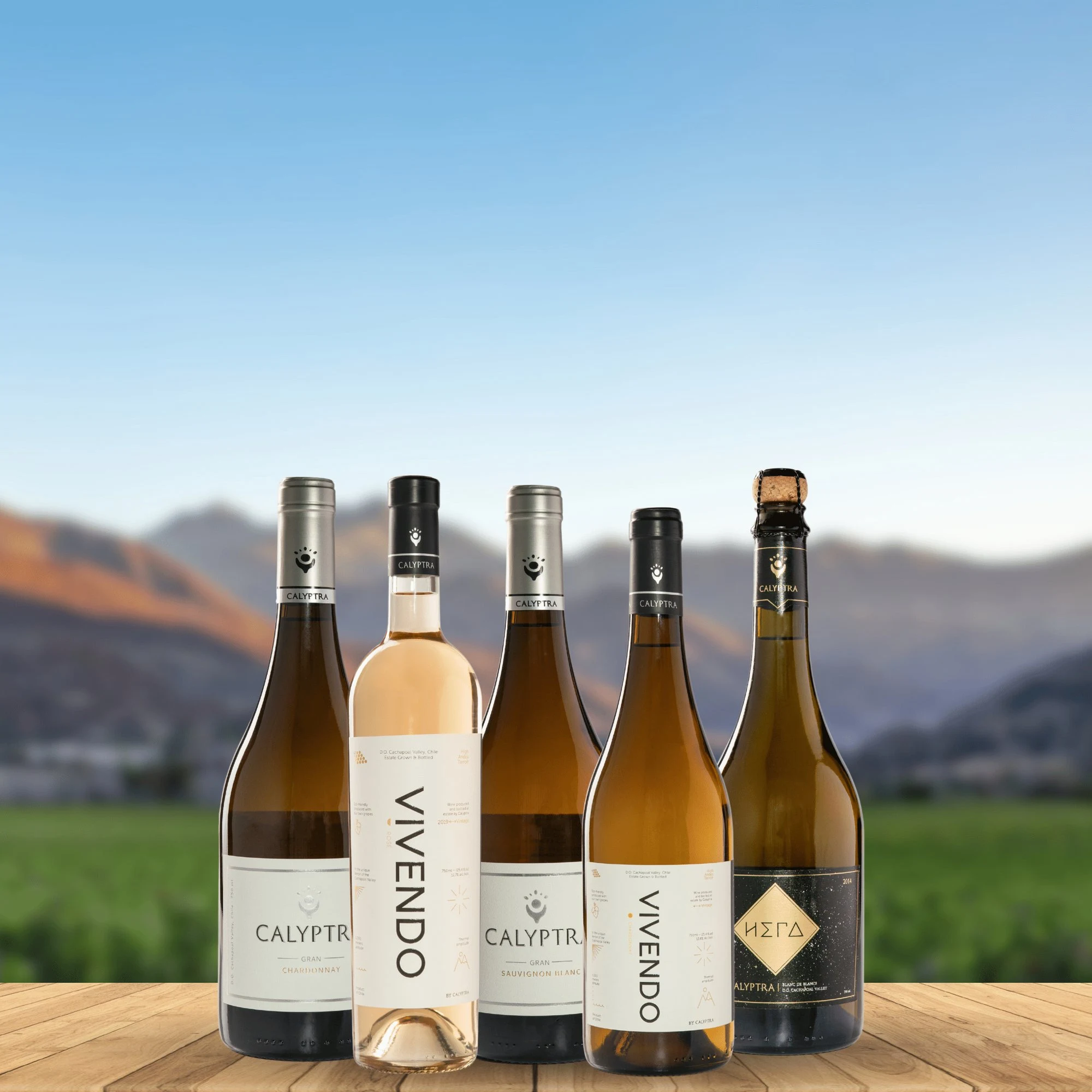
The appeal here begins with altitude: Calyptra is presented as a boutique Chilean estate tied to the Alto Cachapoal Andes, with a quieter, nature-oriented atmosphere rather than a broad, high-volume wine-tourism feel. For readers comparing wine destinations, the useful lens is not a long list of amenities but the estate’s stated focus: elegant, terroir-driven wines and limited-production, characterful bottlings. That emphasis matters because it gives the venue a sharper point of view: the attraction is not simply that wine is available, but that the wines are framed through place, restraint, and a more personal estate scale.
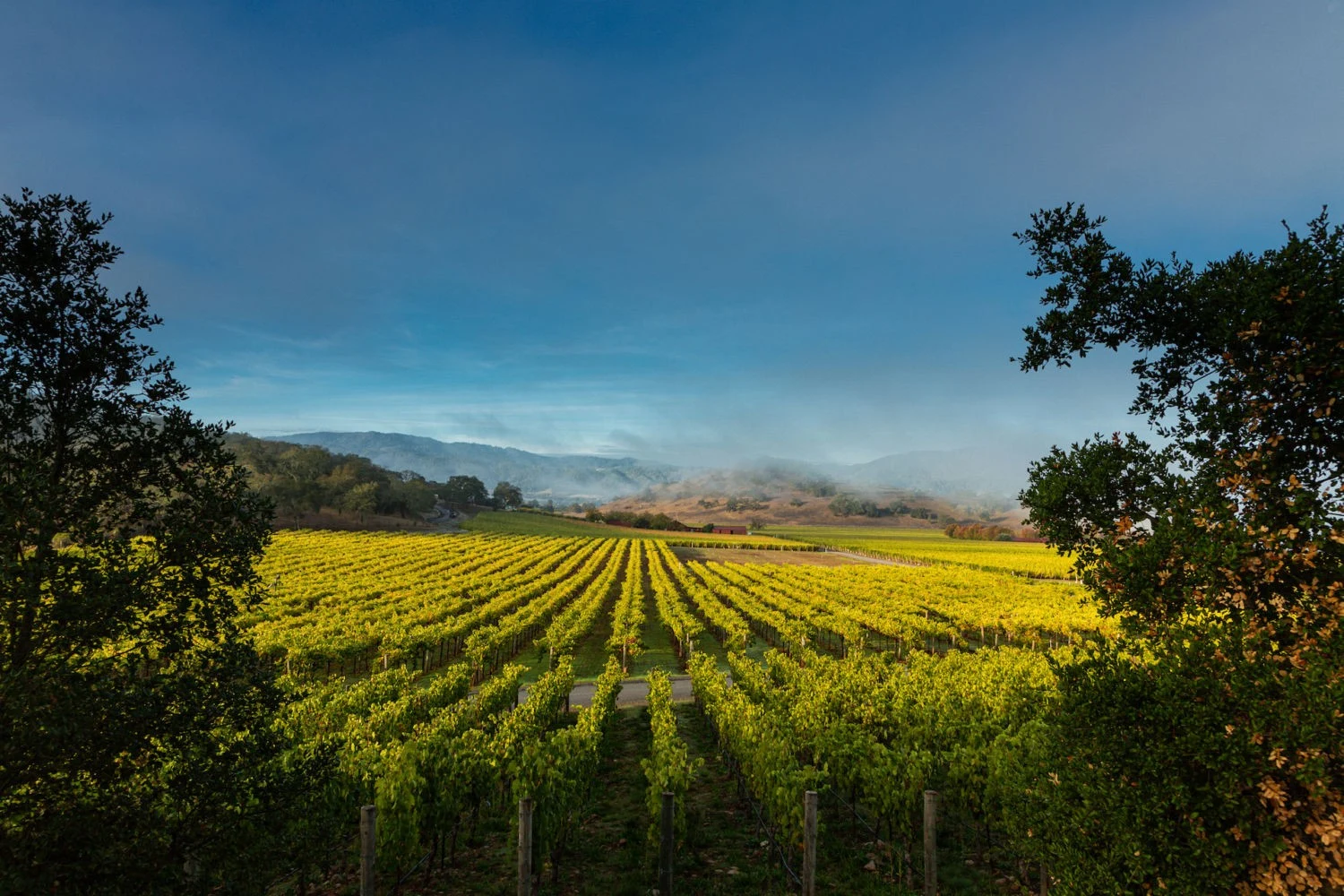
Calyptra sits in that altitude conversation with unusual clarity. Its identity is built around a high-altitude Alto Cachapoal setting and a rustic, scenic, intimate mood. That gives the listing a specific editorial frame: this is a Providencia-listed venue whose wine story points toward the Andes, with emphasis on place, character, and a small-estate sensibility. The combination creates a useful distinction for planning: the city listing offers a practical anchor, while the personality of the venue is rooted in a landscape-led wine narrative rather than an urban bar or restaurant rhythm.
Alto Cachapoal altitude gives the wines their argument
Chile’s premium wine story is often read through broad regional categories, but Calyptra’s positioning is more focused: a boutique, high-altitude Chilean estate in the Alto Cachapoal Andes. The language around the venue emphasizes terroir-driven wines rather than mass-market scale, with elegance and limited production at the center of the appeal. In editorial terms, that makes altitude more than a background detail. It becomes the organizing idea of the venue, shaping how readers should understand the wines before they arrive: as bottlings presented through site, character, and a deliberate sense of place.
It is a place for travelers interested in the character of Alto Cachapoal Andes wines, especially where the draw is atmosphere, landscape, and a more intimate sense of production. The setting described around Calyptra suggests a slower, more observant style of wine experience, where the surrounding environment is part of the appeal rather than simply scenery on the way to a tasting. For visitors who respond to quiet locations and estate identity, that can be more persuasive than a longer list of features.
That makes the wine argument deliberately narrow. Calyptra is not best understood through a checklist of public awards or detailed technical claims here; it is best understood as a high-altitude Chilean estate focused on elegant, terroir-led wines with limited-production character. The restraint of that positioning is part of its usefulness. It tells readers what to value: a focused estate profile, a sense of altitude and origin, and wines described through elegance and character rather than through volume or spectacle.
A quiet estate format, not a high-volume wine stop
The hospitality impression is intimate and nature-oriented. Calyptra’s description points to a scenic, rustic, hidden-feeling setting, so the tone is more contemplative than bustling. Rather than treating the venue as a standard urban stop, the appeal comes from the estate identity and its relationship to the Alto Cachapoal Andes. That distinction is important for expectations: the venue reads less like a place to pass through quickly and more like one to understand through mood, setting, and the quieter pleasures of a small-estate wine experience.
Price is listed as $$$, signaling a premium experience rather than a casual budget stop. In this context, the premium cue aligns with the broader positioning already attached to Calyptra: boutique scale, limited-production wines, and a stronger focus on atmosphere than on broad accessibility. It does not need to be read as a promise of excess; it simply reinforces that the experience is framed as more considered than casual.
Providencia functions as the city anchor for the listing, while the wine identity points toward the Alto Cachapoal Andes. For readers building a broader itinerary, the useful move is to separate urban dining and drinking from estate-led wine travel. Other Providencia dining and drinking options can provide the surrounding planning frame without changing what makes Calyptra distinctive. In other words, Providencia helps locate the venue within a practical travel map, but the reason to pay attention to Calyptra is its high-altitude estate story and the quiet, scenic character attached to it.
Where Calyptra fits in a Chile-focused wine itinerary
The stronger case for Calyptra is not breadth; it is specificity. Its appeal rests on a boutique high-altitude Chilean estate identity, an Alto Cachapoal Andes setting, elegant terroir-driven wines, and limited-production, characterful bottlings. That makes it better suited to travelers who care about atmosphere and site-driven wine identity than to those looking for a generic, high-volume stop. The venue is most compelling when treated as a focused wine destination within a larger Chile-focused plan, especially for visitors who want the language of terroir, altitude, and estate scale to matter in the experience.
For wider planning, compare Calyptra with other Providencia dining and drinking options generically, then treat Calyptra as the wine-focused, high-altitude estate entry in the itinerary. That approach keeps expectations clean: use the broader neighborhood context for logistics and variety, but reserve Calyptra’s place in the plan for its quieter, more scenic, more terroir-led identity.
Questions
Frequently asked
How expensive is Calyptra?
Calyptra is listed at a price level of $$$.
The field
How it compares
| Place | Notes | Awards |
|---|---|---|
| Calyptra | Providencia, $$$ | · |
| Château Pape Clement | Pessac | World's 50 Best |
| Domaine Hubert Lignier | Morey-Saint-Denis | · |
| Domaines Barons de Rothschild (Lafite) | Bordeaux | · |
| Krug | Reims | · |
| Screaming Eagle | Napa | · |
| Vega Sicilia | Valbuena de Duero | · |