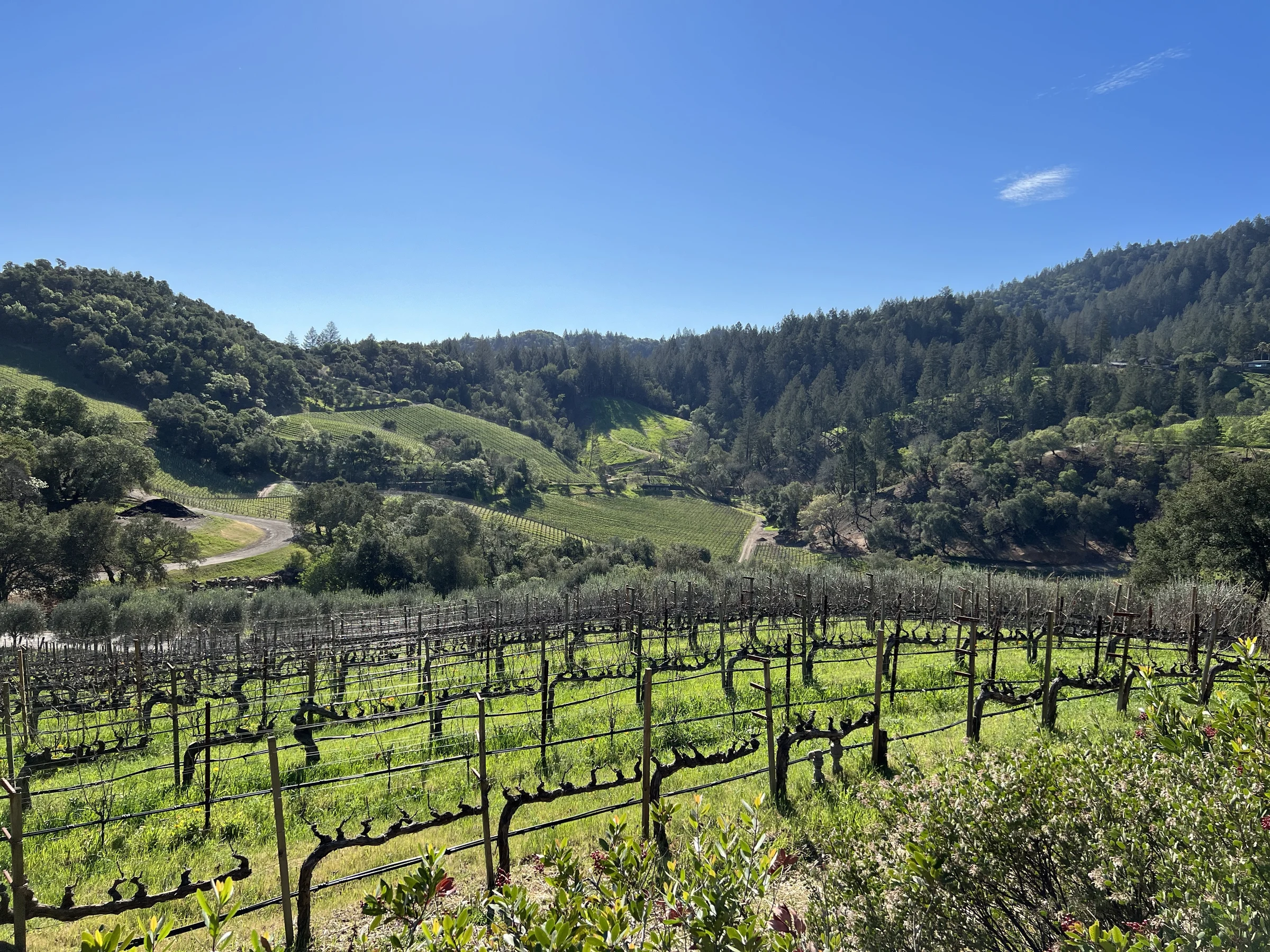
Camille Crettol, winemaker-grower at Camille Crettol in Martigny Croix, makes organic Valais wines from his own vines there.
Petite Arvine Branson gives Camille Crettol, winemaker-grower at Camille Crettol in Martigny Croix, a named point of return: grape, place, and cellar held in one line. His station is not divided between bought fruit and distant decisions. Since 2013, he has worked as a winemaker-grower here, after earlier years as winemaker at Camille Crettol in Martigny. The shift changed the scale of responsibility. Vineyard timing, harvest judgment, fermentation, élevage, and the conversation at the tasting table now sit with the same maker. Crettol’s training began at the Changins school of oenology, and he has spoken plainly about the first methods he learned there, including chemical products, sprayer use, and folpet. The later move into CH-BIO certified organic work gives that history weight because it was not inherited as a pose. It was chosen after time on the tools. The house is small and independent, shaped around his own vines rather than a purchased program, and the lineage is personal rather than dynastic. In Martigny-Croix, that makes the cellar feel less like a brand address than a working extension of the vineyard.
The craft here begins with Valais AOC fruit from Crettol’s own vines and a narrow list that stays close to the canton’s vocabulary. The whites include Fendant, the local name for Chasselas, alongside Humagne Blanc and Petite Arvine. Rosé sits in the range, too. The reds move through Diolinoir, Gamay, Humagne Rouge, and Pinot Noir, a set that asks for different hands in the vineyard and different patience in the cellar. The production philosophy is organic, with CH-BIO certification anchoring the method rather than decorating it. That means the discipline starts before crush, in the care of soil, vine, canopy, and timing. Crettol’s wines include still white, still red, still rosé, and dessert styles. Petite Arvine Branson remains the signature name, a wine whose identity rests on specificity rather than breadth.
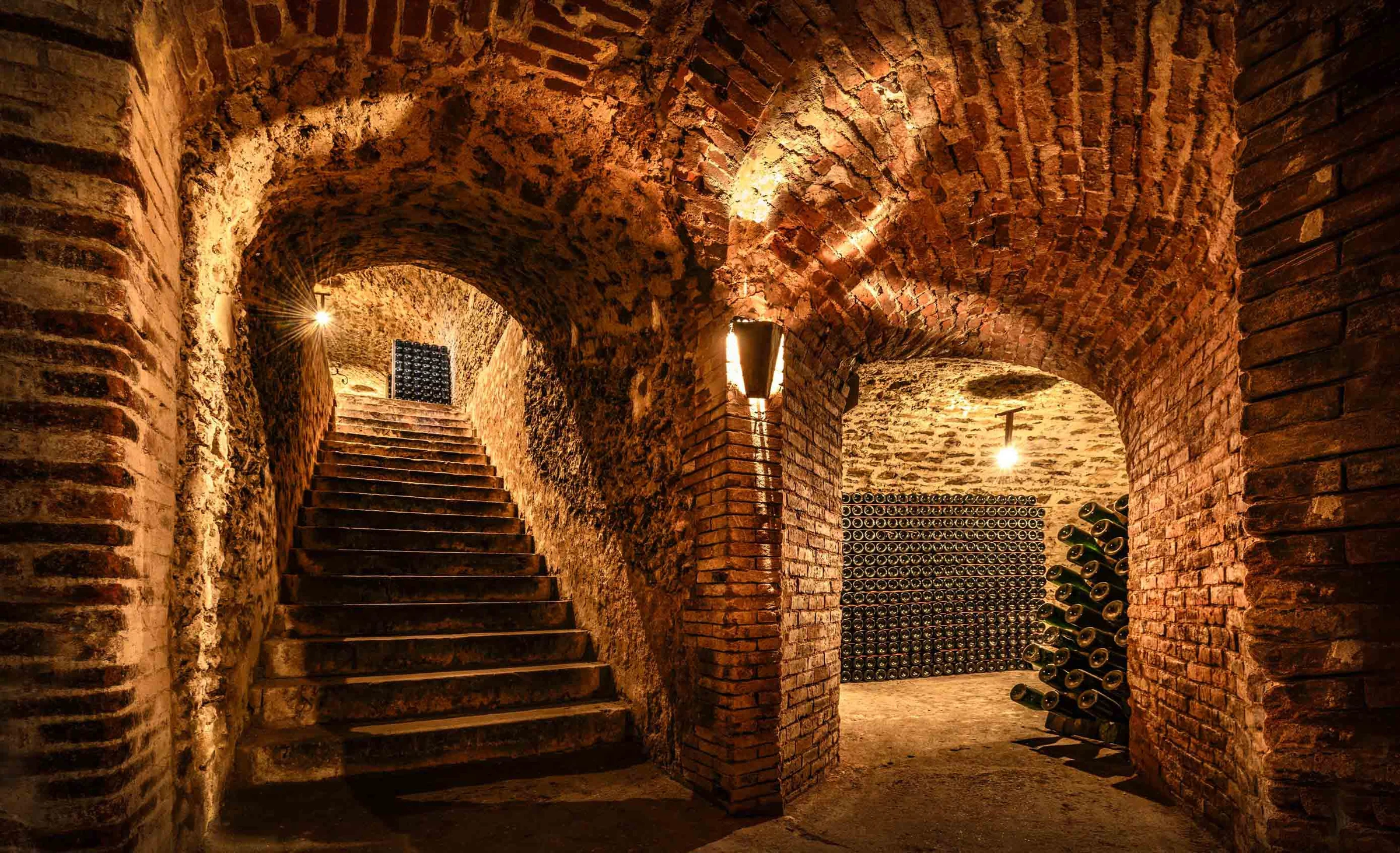
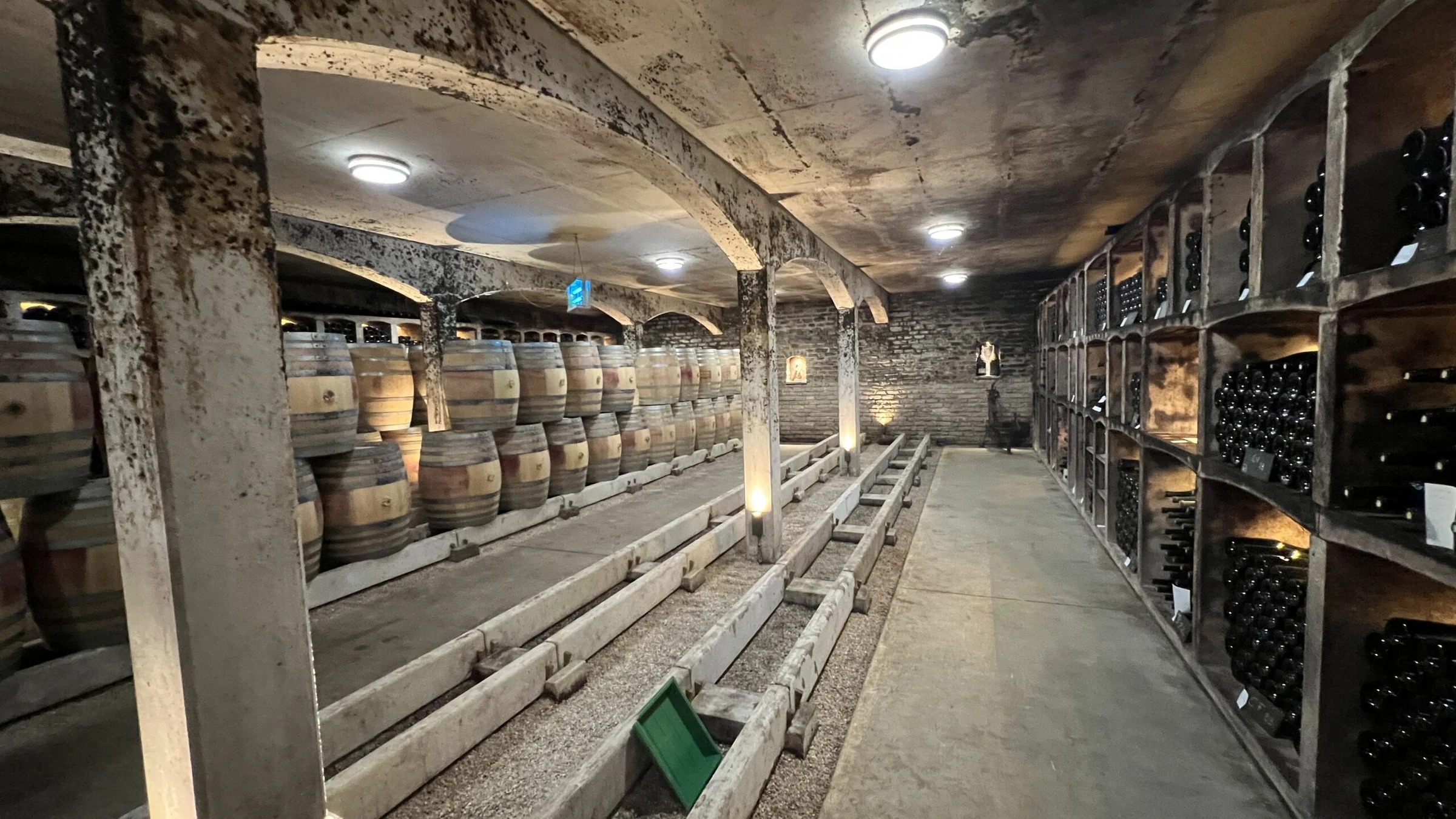
The tasting room is not staged as an estate salon. It is a small indoor cellar space in Martigny-Croix, quiet enough for the sequence of bottles to keep its own pace and personal enough that the winemaker’s presence changes the room. The atmosphere follows the scale of the work: intimate, rustic, and calm, with no separation between the person explaining the wine and the person responsible for the vines behind it. In a larger house, the cellar can become a theatre for production. Here, it reads as a bench-side place, where Fendant, Humagne Blanc, Petite Arvine, Diolinoir, Gamay, Humagne Rouge, Pinot Noir, and rosé are not categories to be hurried through, but the working grammar of the address. The quiet matters because it leaves room for proportion: acidity, fruit, skin, stem, time, and the small decisions that do not announce themselves.
The winery carries Slow Wine recognition, and the point is best kept close to the method that earned it: a small, organic, independent Valais cellar run by the same hands that tend the vines. Crettol’s next move is not announced through expansion here; the continuing work is the return to his own parcels and the next release from the cellar. The name to hold is Petite Arvine Branson.
Martigny-Croix, Martigny, Valais, Schweiz
Martigny-Croix