Campo alle Comete
- 01CityCastagneto Carducci, Italy
- Falstaff Winery - 3 Stars · 2026
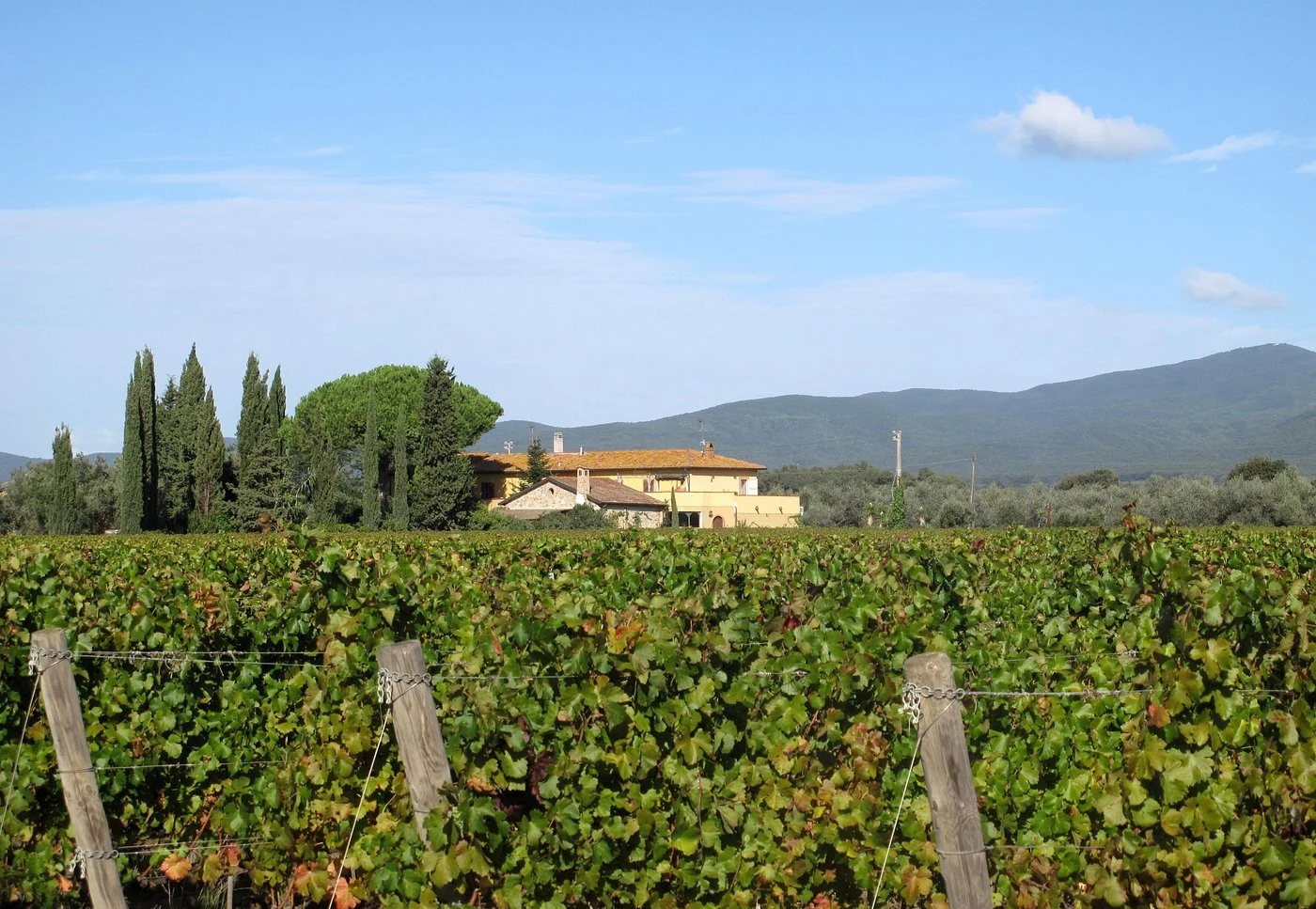
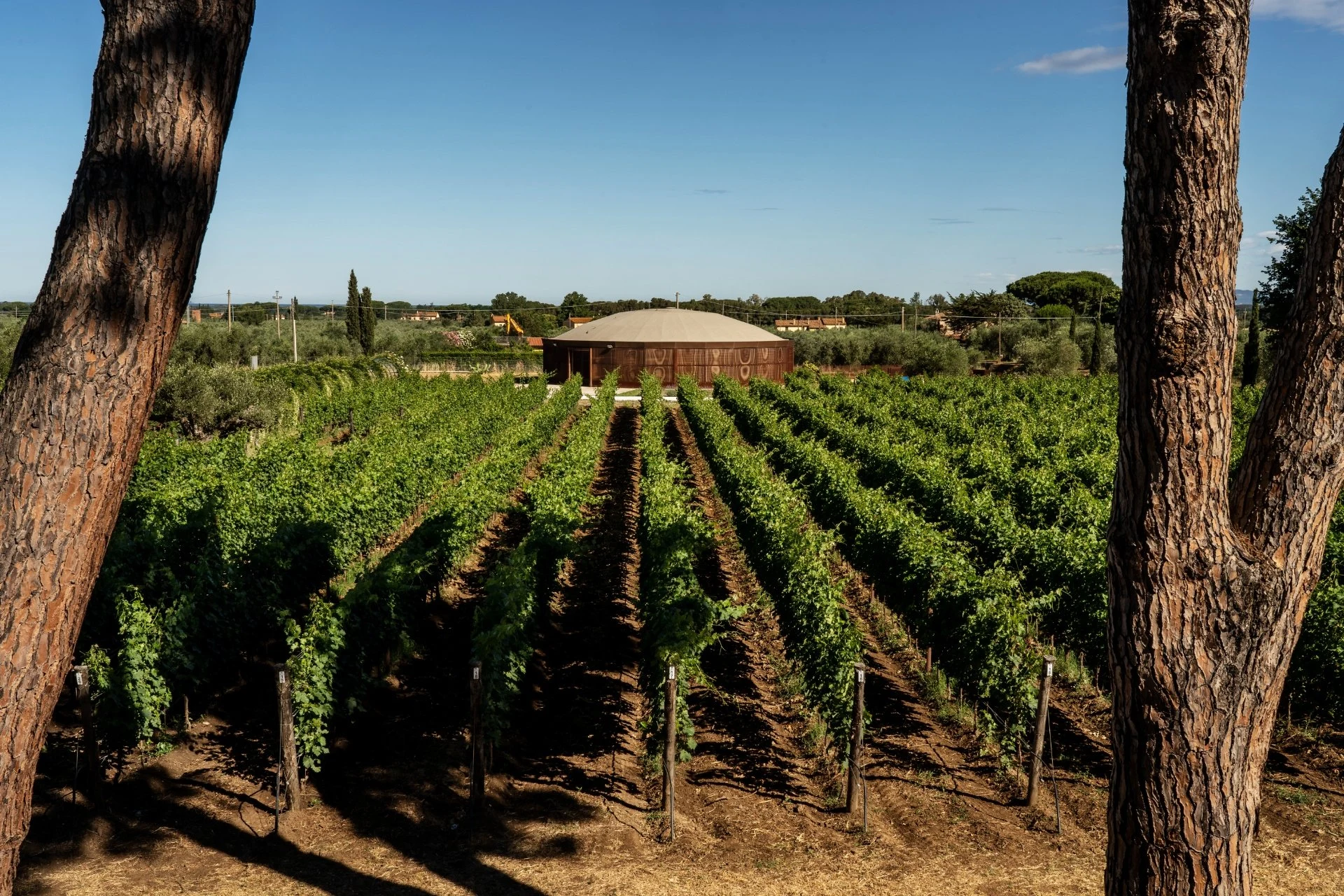
Approaching the estate, the first impression is not of a museum-piece Tuscan cellar but of Bolgheri seen through a contemporary filter: vineyard rows, garden edges, an early-1900s villa, and a tasting environment shaped as much by design as by agriculture. Campo alle Comete belongs to a newer chapter in Castagneto Carducci wine culture, where the established language of Cabernet, Merlot, Cabernet Franc, Syrah, Sauvignon Blanc, and Vermentino is presented with a more visual, story-led sensibility.
That matters in Bolgheri because the appellation has long been defined by a productive tension: coastal Tuscany speaking in Bordeaux varieties. The Mediterranean moderates the heat, sandy soils give shape without excessive weight, and the vineyards around Castagneto Carducci move between flatter land and the first inland hills. Campo alle Comete uses that setting for wines that sit inside the Bolgheri DOC conversation while avoiding the solemnity that can make premium Tuscan tasting rooms feel interchangeable.
Bolgheri through sand, sea air, and Bordeaux varieties
The estate works with 26 hectares of vineyards and a cellar holding around 160 oak barrels, a scale large enough to sustain a focused portfolio but small enough for the visit to feel anchored in the property rather than in a production complex. High-density planting, listed at 6,500 to 7,500 vines per hectare, places the viticulture in a more exacting category than casual agriturismo wine tourism. In practical terms, that density asks vines to compete, lowering vigor and sharpening the estate’s reading of site.
The grape mix tells the regional story clearly. Cabernet Sauvignon, Merlot, and Cabernet Franc carry the Bolgheri red-wine argument; Syrah adds a warmer Mediterranean register; Sauvignon Blanc and Vermentino keep the white-wine side connected to coastal freshness. The wines are made across still red, white, and rosé styles, so the visit is not only a Cabernet exercise. It is a compact way to read how Castagneto Carducci’s climate can handle both structured reds and brighter whites without leaving the estate’s frame.
Oak is part of the grammar here, not a decorative afterthought. Barrels in the cellar point toward the Bordeaux model that Bolgheri adapted so successfully: fruit, tannin, and maturation arranged around structure rather than rusticity. The estate’s production philosophy is listed as conventional, while the broader viticultural emphasis includes sustainable and organic practices from its founding period in 2016. That combination reflects a common reality in modern premium wine regions: environmental intent and cellar discipline often sit alongside classic commercial winemaking rather than replacing it.
A villa tasting room with a graphic, contemporary streak
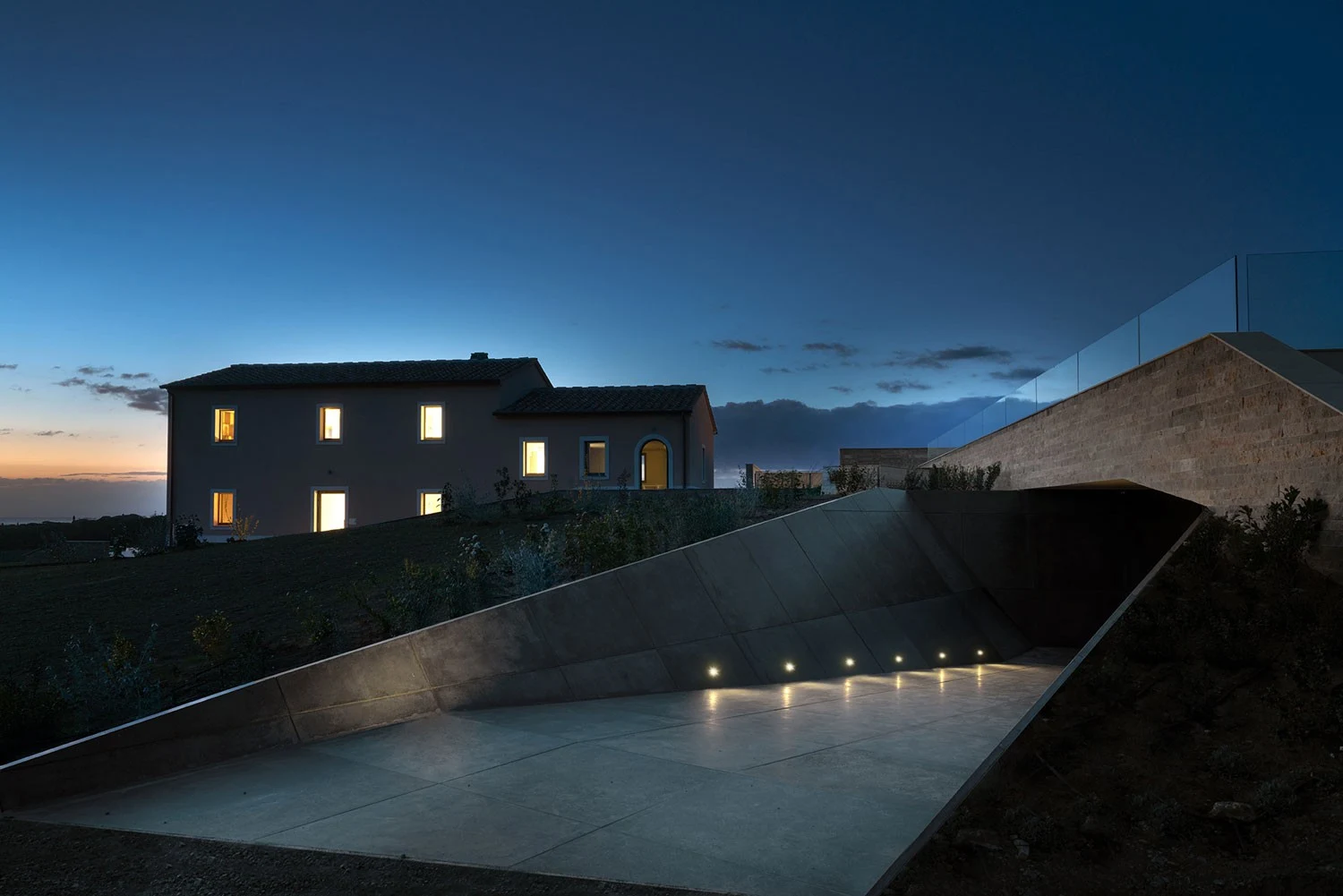
Hospitality in Castagneto Carducci often leans on cypress avenues, stone, and inherited rural theatre. Campo alle Comete takes a different route. Its early-1900s villa estate and vineyard setting supply the Tuscan bones, but the experience is filtered through whimsical illustrated labels and a polished tasting-room language. The result is useful for travellers who want Bolgheri context without a hushed, collector-only atmosphere.
The visit format is built around guided tasting, vineyard time, cellar context, and food pairing options. Tastings may include standard flights, guided formats, cellar-tour-plus-tasting experiences, and pairings with Tuscan products. Tour languages include Italian, English, and German, which makes the estate accessible to international wine travellers without diluting the educational angle. The noise level is conversational, and the outdoor spaces, vineyard views, garden aspect, and hill backdrop give the experience a softer edge than a purely technical cellar appointment.
The Capaldo connection is relevant because it places the estate inside a broader Italian wine group rather than as an isolated boutique project. Tenute Capaldo and Feudi di San Gregorio bring a Southern Italian winemaking reference point into Bolgheri, and that external perspective helps explain the estate’s polished, graphic identity. The chef, founder, or winemaker biography is not the story here; the more interesting point is how a younger Bolgheri address can use brand language, label art, and a villa setting to make terroir legible for visitors who may not arrive with deep DOC knowledge.
How to place it in a Castagneto Carducci wine itinerary
Within a Castagneto Carducci itinerary, this is a strong fit for travellers who want an estate visit that balances landscape, cellar explanation, and design. The setting works for couples, families, groups, corporate events, and wine-education stops, helped by on-site parking, accessible parking, dog-friendly policies, and outdoor seating. Shipping is available, and the allocation status is open, so the experience is not framed around scarcity theatre.
For readers mapping a wider local circuit, the broader Castagneto Carducci wine scene rewards contrast. Smaller agricultural addresses such as Azienda Agricola Ceralti, Azienda Agricola Fornacelle, Azienda Agricola Le Grascete, Azienda Agricola Serni Fulvio Luigi, and Batzella help show how varied the local cellar culture can be. For the full sweep, use our full Castagneto Carducci wineries guide, then layer in our full Castagneto Carducci restaurants guide, our full Castagneto Carducci hotels guide, our full Castagneto Carducci bars guide, and our full Castagneto Carducci experiences guide around the wine schedule.
The larger editorial point is that contemporary Italian winery visits now split between production-led appointments and experience-led estates. Campo alle Comete sits in the latter camp, but with enough vineyard and cellar substance to avoid feeling cosmetic. For a wider European wine-travel lens, compare how regional identity is presented across addresses such as 3GP SRL in Treviso, 47 Anno Domini in Trebaseleghe, A Mano Wine in Noci, »der Steiner« Hans Steiner in Podersdorf am See, and & Handwein in Mannheim. The lesson from Castagneto Carducci is clear: terroir does not need to be staged as heritage alone. It can be translated through architecture, labels, guided tasting, and the disciplined use of Bordeaux varieties on Tuscan coastal ground.
Questions
Frequently asked
How expensive is Campo alle Comete?
Campo alle Comete is listed at a price level of $$.
The field
How it compares
| Place | Notes |
|---|---|
| Campo alle Comete | Bolgheri / Località Sughericcio, $$ |
| Batzella | Castagneto Carducci |
| Donne Fittipaldi | Castagneto Carducci |
| Masseto | Castagneto Carducci |
| Orma | Castagneto Carducci |
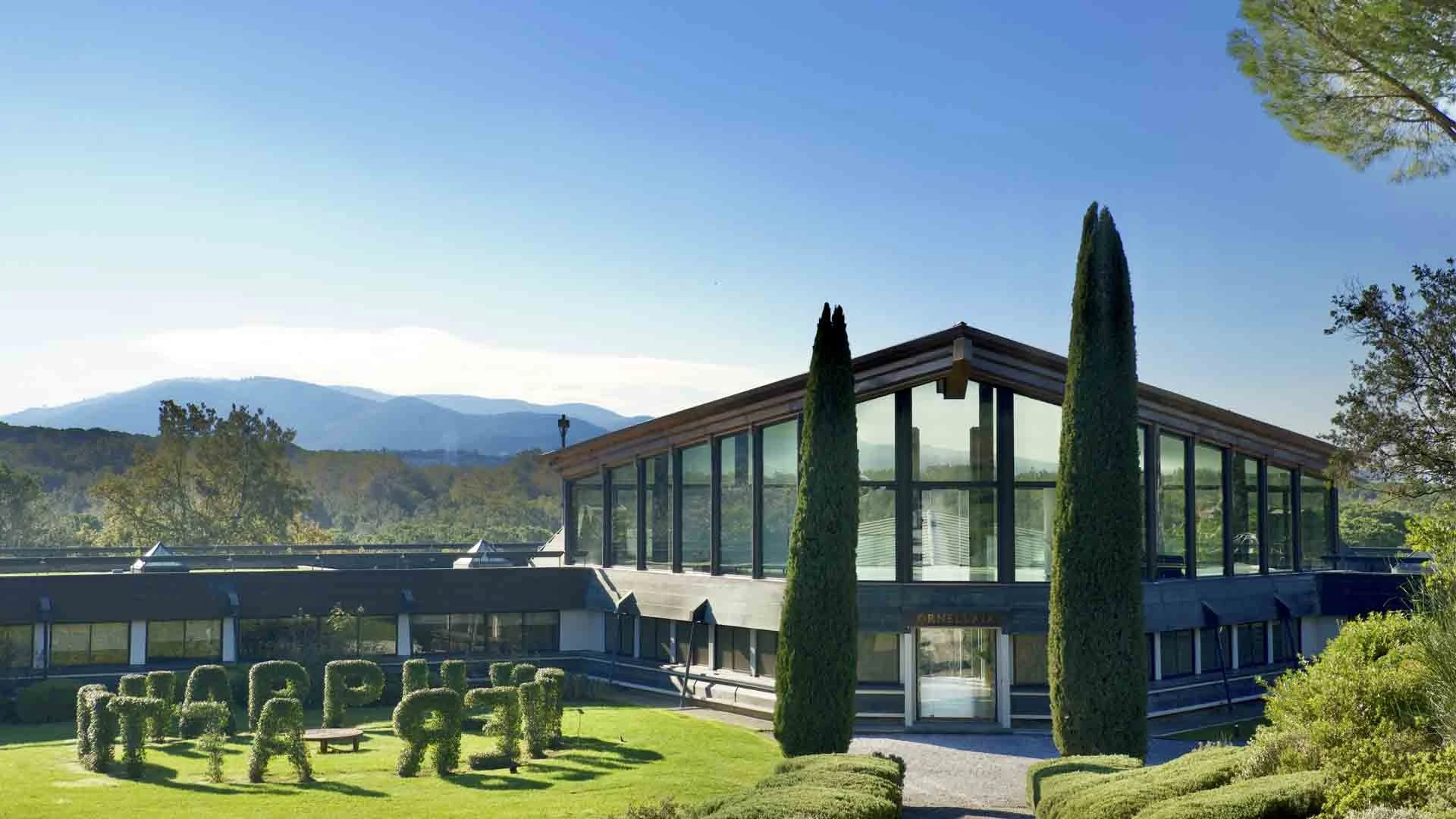
| Ornellaia | Castagneto Carducci |
| Podere Sapaio | Castagneto Carducci |