Cantina di Tortona
- 01CityTortona, Italy
- Falstaff Winery - Listed · 2026
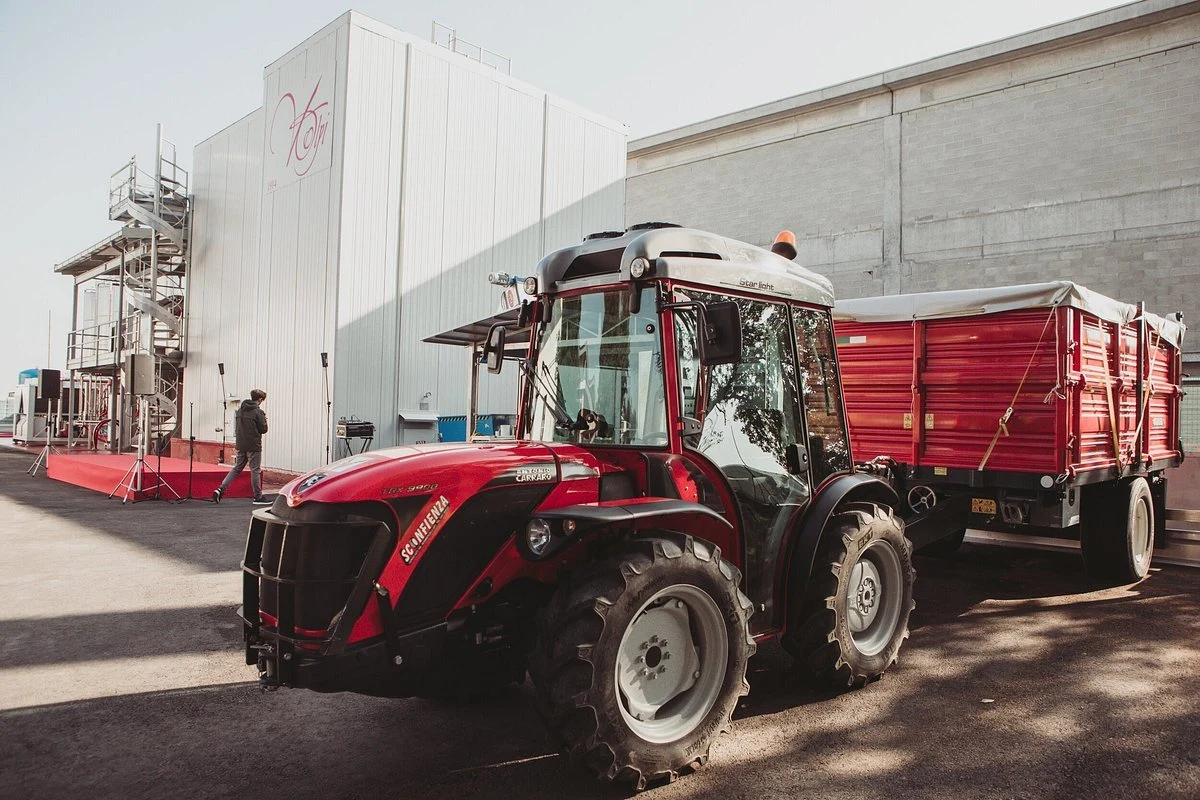
Approaching the countryside around Tortona, the mood is best understood in broad, practical terms: rural hills, agricultural rhythms and a wine culture that feels more rooted than showy. Cantina di Tortona should be approached as a historic cooperative winery with a traditional character, not as a glossy design-led destination. That distinction matters, because the appeal here is not built on performance or polished luxury, but on the quieter value of a place that appears closely tied to its territory and to the practical world of local wine.
The picture is deliberately simple. Cantina di Tortona is in Tortona, has an approachable $$ price level, and is framed by a classic, rustic and scenic feel. The draw is the sense of a serious but accessible cooperative winery connected to the Tortona hills. In editorial terms, that makes it a venue to read through place and purpose: less about a staged visitor experience, more about the direct character of wine country around Tortona.
A traditional Tortona wine stop
Cantina di Tortona is best described as a grounded wine stop rather than a venue built around spectacle. The useful expectation is a rural, cooperative atmosphere focused on wine production and local continuity. Visitors should therefore think in terms of context: the surrounding hills, the agricultural setting and the kind of traditional winery identity that can make a stop feel meaningful without needing to be overly dressed up.
What can be said with confidence is that the venue’s appeal lies in its traditional character and its connection to Tortona’s wine landscape. That connection is the centre of the experience as presented here. It gives the address a sense of purpose for travellers who want to place local wine within a broader understanding of the area, rather than treating it as an isolated tasting room or a purely decorative countryside stop.
For travellers, that makes Cantina di Tortona a direct option when the goal is to understand the area through a working, approachable winery setting rather than through luxury staging or restaurant-style service. The tone is useful for people who prefer wine travel with a sense of ground under it: simple, rural, practical and tied to the local landscape. It is the kind of stop that can add structure to a day in Tortona because it gives the itinerary a clear wine-focused centre.
A cooperative lens on Tortona
Wine travel often rewards places that communicate local agriculture without needing elaborate presentation. Cantina di Tortona fits that idea: classic, rustic and rural in tone, with a hidden-gem quality for visitors looking beyond more polished venues. The cooperative framing is important because it suggests a collective, locally rooted way of understanding wine, one that feels different from a destination shaped primarily around design, hospitality theatre or high-end positioning.
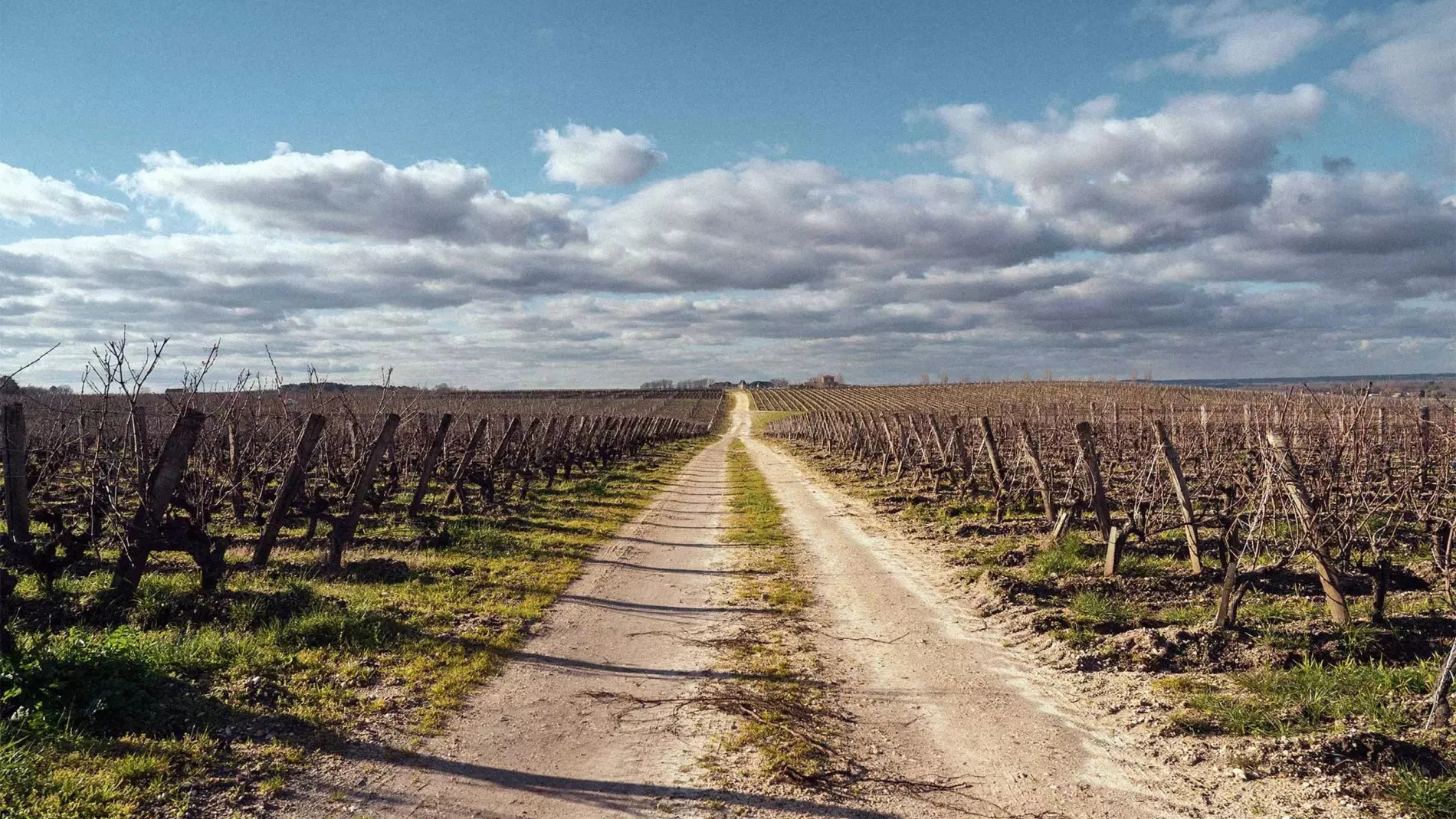
The atmosphere is part of the point. Expect a traditional feel and a setting shaped by the Tortona hills, with the emphasis on serious but approachable wine production rather than flashy design. That combination gives the venue its editorial usefulness: it can speak to visitors who want something sincere and accessible, while still feeling connected to a serious wine culture. The rustic and scenic qualities should be understood as part of the same picture, not as added decoration.
Any more specific claims about grapes, dishes, service formats, production details, awards or opening arrangements would need to be confirmed directly with the venue before being treated as fact. That caution is especially important for a place best appreciated through its broad identity rather than through unsupported detail. The safe and useful description remains clear: Cantina di Tortona is a traditional cooperative winery in Tortona, with a rural character and an approachable price level.
How to place it in a Tortona wine itinerary
For a wine-focused stop in Tortona, Cantina di Tortona works as a grounding address: a cooperative view of the local wine scene and a useful counterpoint to other dining or travel plans in the city. It can help give a day in the area a stronger sense of local orientation, particularly for travellers who want the wine element of the itinerary to feel connected to the surrounding hills and agricultural setting.
Travellers building a broader local map can pair it with other Tortona dining and hospitality options generically, while keeping Cantina di Tortona as the wine-focused anchor of the day. In that role, it does not need to compete with restaurants, scenic detours or other stops; instead, it provides the simple organising idea of a traditional winery visit rooted in place. The value is in the contrast between an accessible cooperative setting and whatever else the day may include.
The editorial case is simple: this is a place for understanding Tortona through a historic cooperative winery with a rural, classic and scenic feel. The price level is listed as $$, and the serious interest lies in its approachable, traditional character. For visitors drawn to wine culture that feels steady rather than showy, Cantina di Tortona stands out as a practical and grounded way to connect with the Tortona hills.
Questions
Frequently asked
How expensive is Cantina di Tortona?
Cantina di Tortona is listed at a price level of $$.
The field
How it compares
| Place | Notes |
|---|---|
| Cantina di Tortona | Tortona, $$ |
| Cantine Volpi | Tortona |
| Cascina Giambolino | Tortona |
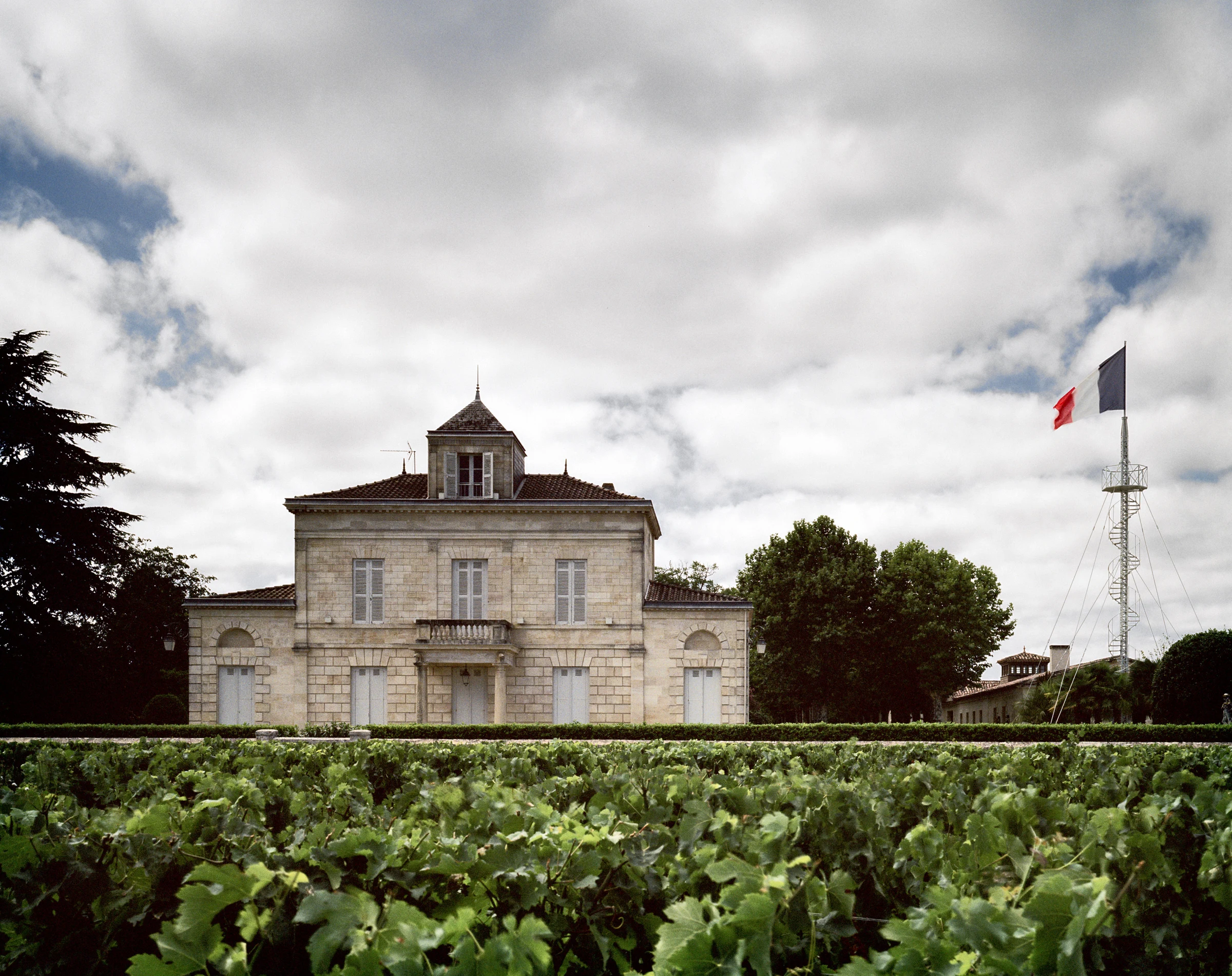
| Château Montrose | Saint-Estèphe |
| Château Rieussec | Fargues |
| La Colombera | Tortona |
| Vieux Château Certan | Pomerol |