- Falstaff Winery - Listed · 2026
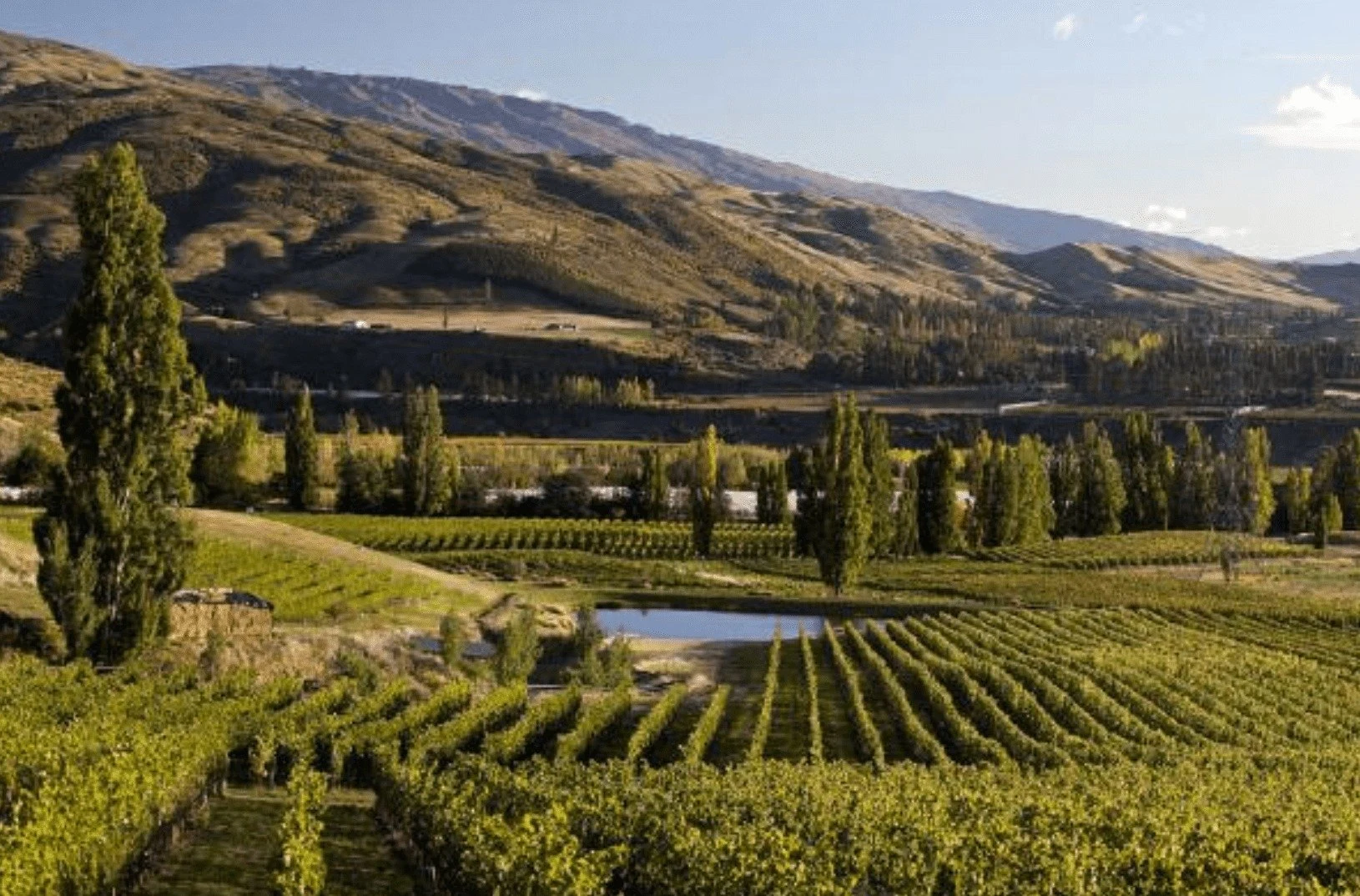
Cantina La Marchesa is a small, family-run boutique winery in Lucera, set in the Dauni Mountains. The appeal is not built around spectacle or a long list of public claims; it is grounded in an authentic, welcoming atmosphere, a rustic and scenic setting, and a clear focus on native vines and the local territory. It is the kind of place best approached with modest expectations in the best sense: not as a staged attraction, but as a wine stop where scale, setting, and hospitality matter. The value of the visit lies in how naturally those elements come together, giving travellers a quieter way to understand Lucera through its wines and surrounding landscape.
Lucera's native-vine tradition, poured at small estate scale
Cantina La Marchesa is best understood as an intimate winery experience rather than a large, anonymous stop. The draw is its connection to native vines and to the surrounding Lucera landscape, with tastings that reflect the estate’s passion for place. That connection gives the experience its shape: the wines are not presented as isolated pours, but as expressions of a local context, framed by the hills, the inland setting, and the family-run nature of the address.
For that reason, the most accurate way to frame the winery is as a family-run address where the visit is centered on local territory, hospitality, and a close reading of the wines presented during the tasting. The emphasis is on proximity: to the people hosting, to the vineyards and countryside that define the setting, and to the native-vine tradition that gives the tasting its identity. Rather than leaning on exaggerated language, Cantina La Marchesa is most convincing when described through those tangible qualities.
That restraint is part of the point. Cantina La Marchesa is compelling for visitors who prefer a smaller, more personal winery setting, where the experience feels rustic, scenic, hidden, and attentive rather than polished into a generic wine-tour format. Its appeal is especially clear for travellers who are more interested in atmosphere and local character than in a checklist of production statistics. The scale encourages a slower kind of attention, where the pleasure comes from listening, looking, tasting, and letting the Dauni Mountains setting do its work.
What the tasting format tells you about the place
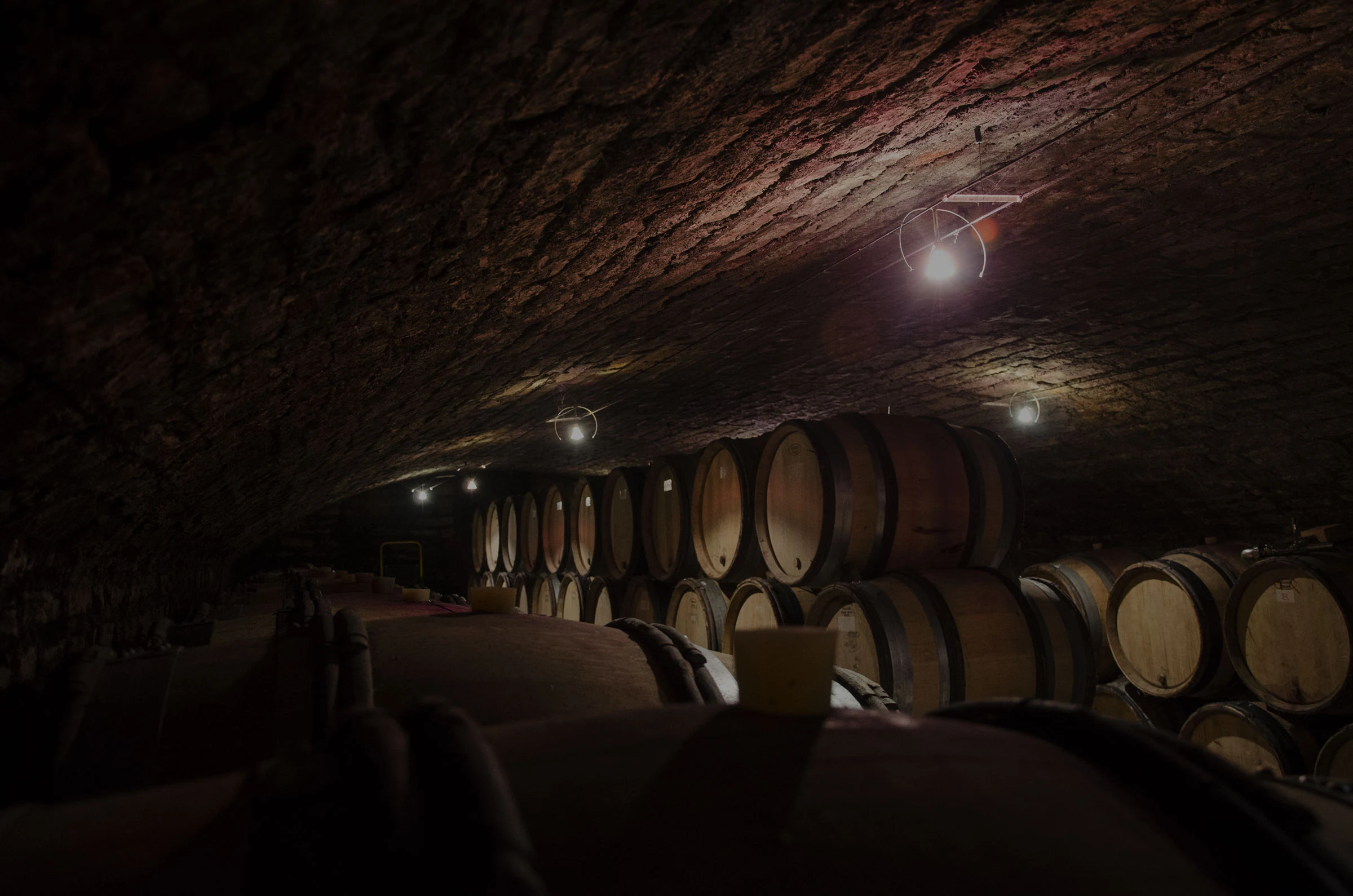
Cellar tours and tastings are the core experience at Cantina La Marchesa. The strongest reason to visit is the chance to connect the wines with the local landscape and the family-run character of the winery, rather than simply treating it as a quick glass-by-glass stop. In this context, the tasting format is not just a service; it is the way the estate communicates what matters to it. The cellar, the pours, and the conversation all point back to native vines, Lucera, and a sense of place.
The feel is intimate and welcoming, with the atmosphere doing as much work as any formal explanation. It suits travellers who want a quieter Lucera wine experience shaped by native vines, local identity, and attentive hospitality. The rustic and scenic character matters because it keeps the visit rooted in the landscape rather than detached from it. For guests who enjoy smaller wineries, that can make the experience feel more memorable than a more polished but less personal stop.
Visitors should therefore treat planning details as something to confirm directly with the winery before going. That is not a drawback so much as a practical reflection of the kind of place this is: small-scale, family-run, and better approached with direct communication than assumptions. Confirming the details helps keep the visit aligned with the winery’s own rhythm and preserves the sense of attention that makes the tasting worthwhile.
How to place it within a Lucera itinerary
Lucera rewards travellers who build around local specificity. Winery visits, meals, and overnight stays can be treated as connected pieces of the same inland itinerary, with Cantina La Marchesa offering a rustic and scenic wine-focused stop in the Dauni Mountains. It fits best into a day or stay shaped by the area itself, where the wine experience is part of a broader interest in place rather than a detached excursion. The winery’s small-estate character makes it a useful counterpoint to more general sightseeing, because it brings the focus back to hospitality, native vines, and the surrounding territory.
For comparisons, keep the focus on Cantina La Marchesa and other dining or travel options in Lucera in a general way. The case here is narrow but useful: a family-run boutique winery, an intimate atmosphere, and cellar tours and tastings shaped by native vines and local territory. That narrowness is precisely what makes the venue easy to place. It is not trying to be everything; it is a focused wine address for visitors who want a grounded, personal encounter with Lucera’s inland wine culture.
The editorial case for Cantina La Marchesa is specific rather than grandiose. Go for the welcoming family-run atmosphere, the Dauni Mountains setting, and the connection between native vines and Lucera, not for unsupported claims about awards, exact production details, or named cuvées. Framed that way, the winery’s strengths become clear without needing embellishment: a small boutique scale, a rustic and scenic backdrop, and a tasting experience that gives travellers a direct, attentive sense of the local territory.
Questions
Frequently asked
Who works at Cantina La Marchesa?
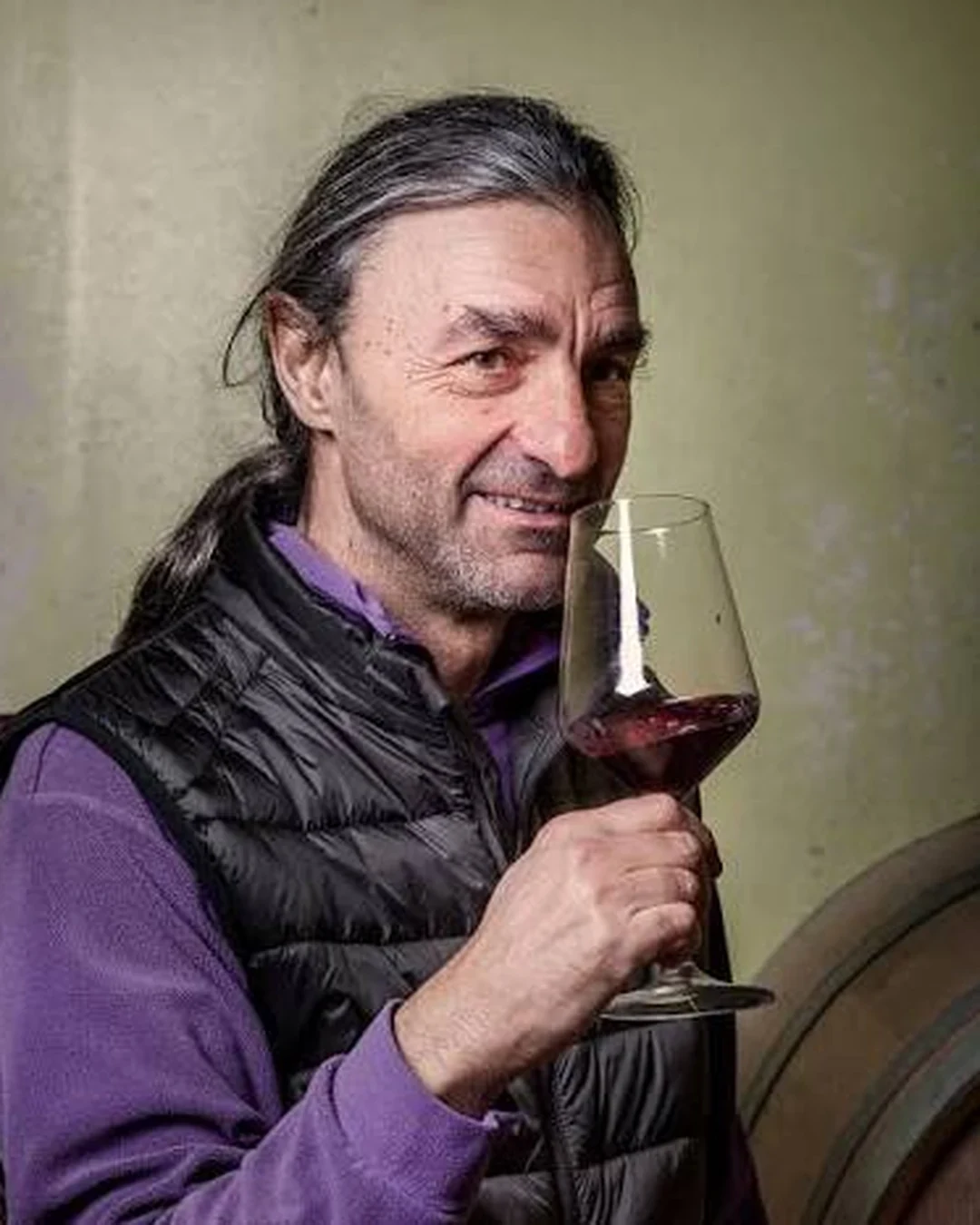
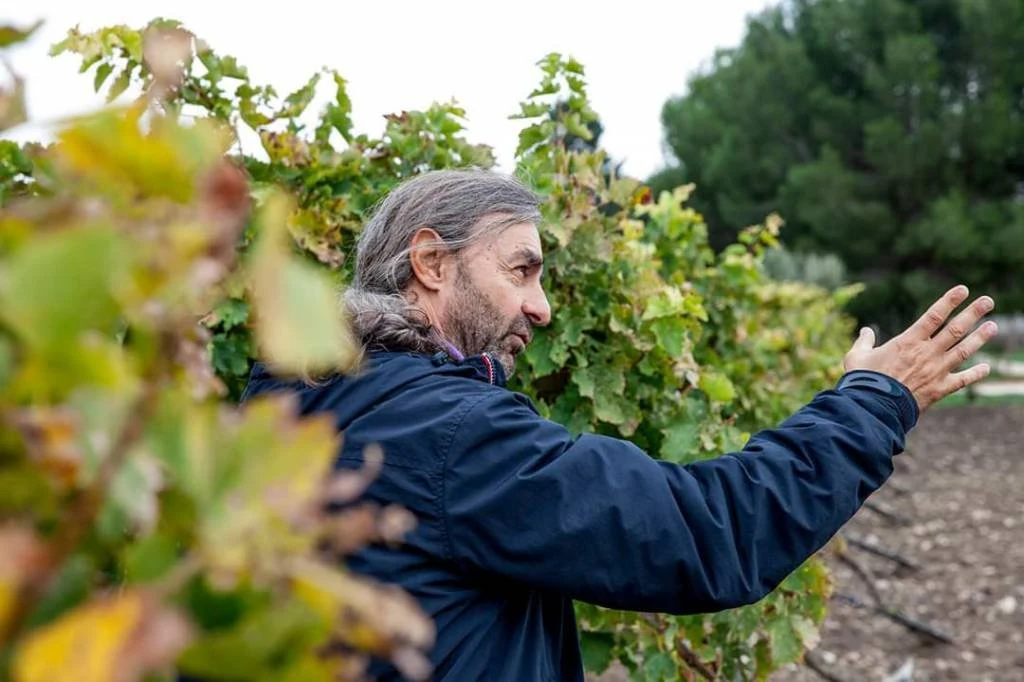
Made By profiles Sergio Lucio Grasso (Winemaker) at Cantina La Marchesa.
How expensive is Cantina La Marchesa?
Cantina La Marchesa is listed at a price level of $$.
The field
How it compares
| Place | Notes | Awards |
|---|---|---|
| Cantina La Marchesa | Monti Dauni / Lucera countryside, $$ | · |
| Abadía Retuerta | Sardón de Duero | World's 50 Best |
| Château Léoville Barton | Saint-Julien-Beychevelle | · |
| Château Rayas | Châteauneuf-du-Pape | · |
| Domaine Bruno Clair | Marsannay-la-Côte | · |
| Domaine Hubert Lignier | Morey-Saint-Denis | · |
| Felton Road Wines | Bannockburn | World's 50 Best |