- Falstaff Winery - Listed · 2026
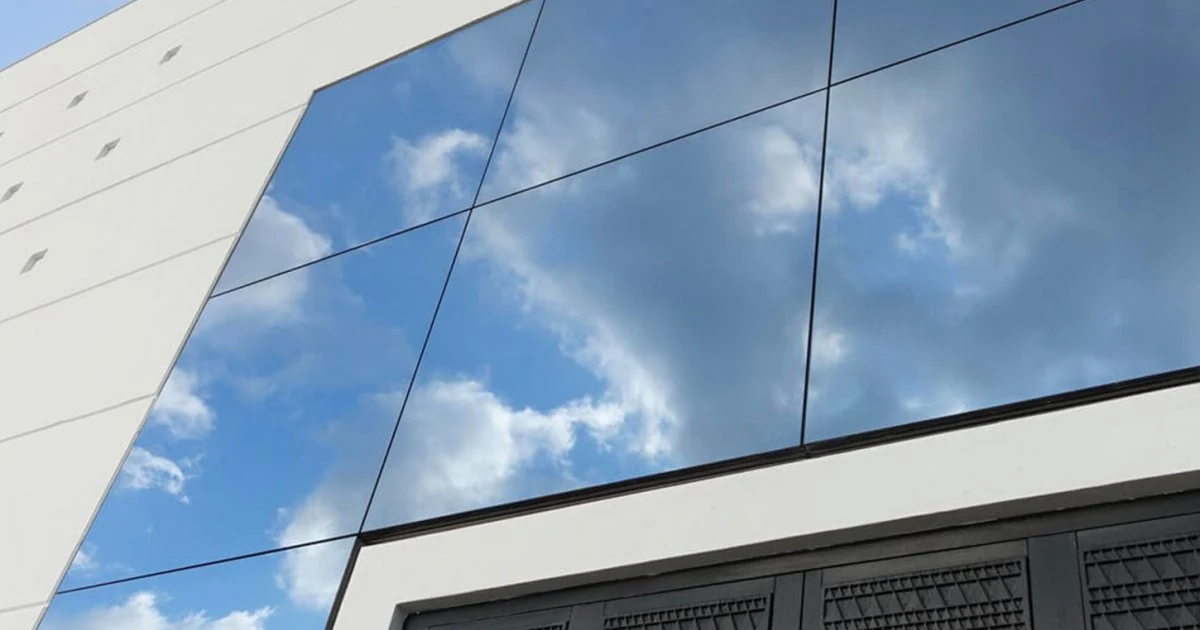
Approaching the hills above Sant Anna Arresi, the winery first reads as architecture: clean contemporary lines against vineyards, sea air and the Porto Pino valley. That confidence matters because Sardinian wine tourism often leans rural and rustic; here, the room, view and tasting format make a different argument. The setting is modern without severing itself from place, and the wines keep the conversation grounded in Sulcis rather than design theatre.
For travellers mapping the area, Cantina Mesa belongs in the wine column before the restaurant column. Sant Anna Arresi is not a city of dense tasting-room traffic; it is a slower Sardinian stop where geography explains the glass. Use Our full Sant Anna Arresi wineries guide for broader wine context, then cross-check dining, hotels and after-hours options through Our full Sant Anna Arresi restaurants guide, Our full Sant Anna Arresi hotels guide and Our full Sant Anna Arresi bars guide.
Coastal Sulcis in the glass: Vermentino, Carignano and Sardinian restraint
The strongest reason to pay attention is terroir expression. Sulcis sits in southwestern Sardinia, where Mediterranean influence, wind exposure and mixed clayey-sandy soils shape grapes that can become heavy without discipline. Cantina Mesa is anchored in indigenous Sardinian varieties, especially Vermentino and Carignano, with Cannonau also in the estate picture. The Carignano del Sulcis DOC connection gives the reds clear regional identity; the whites speak to the island’s coastal brightness rather than international polish.
The estate scale is substantial by boutique-tasting-room standards: roughly 66 to 70 hectares under cultivation, with annual production around 700,000 bottles. That changes expectations. This is not a tiny garagiste cellar built on scarcity; it is a large Sardinian estate using design, vineyard control and native grapes to make the region legible to visitors. The production philosophy is sustainable, and the farming emphasis fits a place where heat, wind and water pressure are annual operating conditions, not abstractions.
Opened in 2004, Cantina Mesa reflects a recent Sardinian pattern: wineries presenting local varieties through contemporary hospitality rather than folklore. The name Mesa, meaning table in Sardinian dialect, gives the project a social frame, but the stronger point is structural. Sardinia’s premium wine identity has often exported more easily through varietal names than visitor infrastructure. Here, the tasting experience, hilltop building and estate-grown focus make the region understandable in one stop.
A design destination that keeps the tasting format calm
The atmosphere is conversational rather than high-energy, which suits the wines. Guided tastings and standard tastings are the core formats, with online tastings also offered. The on-site experience is shaped by architecture and panorama: vineyard views, water-facing sightlines and elevation over the valley. It is polished enough for a celebratory stop, but best used for wine education, especially by travellers trying to understand why Carignano behaves differently in Sulcis than in broader Mediterranean blends.
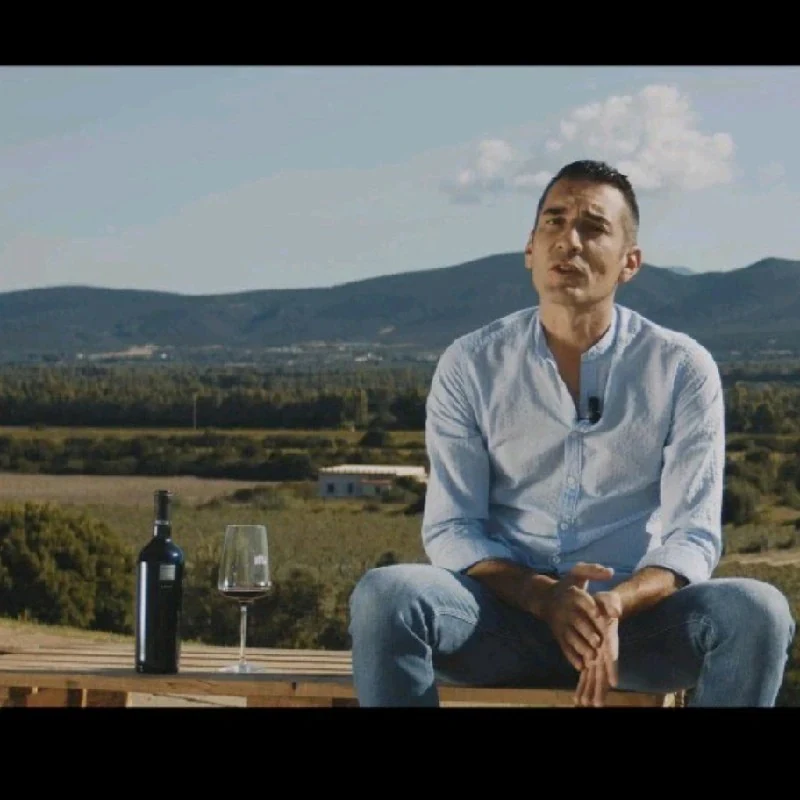
Stefano Cova is named as winemaker, but the point is not biography. His role matters because the house style depends on translating indigenous fruit at a production scale beyond cellar-door novelty. Vermentino, Carignano and Cannonau can all be reduced to holiday shorthand in Sardinia; the more interesting reading is how each variety responds to coastal exposure, sandy-clay soils and sustainable vineyard management. A guided tasting gives that context more structure than a quick pour-and-go format.
The estate sits within Herita - Marzotto Wine Estates, a useful trust signal for travellers who value operational depth as well as romance. Group ownership does not automatically make wine better, but it often brings distribution, hospitality systems and consistency. In a rural Sardinian setting, that matters: the visit can carry the polish of a serious wine estate while retaining local grape identity.
Food pairing is not the main draw, so plan the winery as the anchor of a half-day rather than a full dining itinerary. For activities around the visit, Our full Sant Anna Arresi experiences guide helps frame the area beyond the glass. Travellers comparing Italian wine regions more broadly can also browse estates such as 3GP SRL in Treviso, 47 Anno Domini in Trebaseleghe, A Mano Wine in Noci, a6mani in Fragagnano and Abbadia Ardenga in Torrenieri to see how different Italian estates package place, scale and hospitality.
How to read the visit in a Sardinian itinerary
Cantina Mesa works for visitors who want a composed, scenic tasting with enough structure to make local grapes intelligible. It is less suited to travellers chasing a party cellar or long food-led estate lunch. The dress code is casual, groups are a natural fit, and the tone remains calm enough for solo exploration or a couple’s stop. Children and dogs are not the right assumption here; this is a wine-focused visit.
The practical rhythm is simple: treat the tasting as a planned stop, not a spontaneous roadside detour. Tours run 60 to 90 minutes, and the experience can be conducted in Italian or English. On-site parking supports the drive-in nature of the visit, useful in this part of Sardinia, where a car remains the cleanest way to connect coast, village and vineyard. Payment by cash, credit card or debit card keeps transactions uncomplicated.
Editorially, the visit earns its place because it compresses several Sardinian ideas into one setting: indigenous varieties, coastal viticulture, contemporary architecture and sustainable estate production. It is not trying to mimic mainland prestige regions. Its better claim is more specific: a polished Sulcis tasting that explains why this corner of Sardinia has a wine identity of its own.
For broader Italian winery planning, useful contrasts include Abbazia di Crapolla in Neapel, Abbazia Monte Oliveto in Asciano, Abbazia Santa Anastasia in Castelbuono, »der Steiner« Hans Steiner in Podersdorf am See and & Handwein in Mannheim. Those links are not local substitutes; they are reference points for how wine travel changes when architecture, region and visitor format carry different weight.
Questions
Frequently asked
Who works at Cantina Mesa?
Made By profiles Stefano Cova (Winemaker) at Cantina Mesa.
How expensive is Cantina Mesa?
Cantina Mesa is listed at a price level of $$.
The field
How it compares
| Place | Notes | Awards |
|---|---|---|
| Cantina Mesa | Sulcis, $$ | · |
| Billecart-Salmon | Aÿ | World's 50 Best |
| Château d'Yquem | Sauternes | World's 50 Best |
| Château La Mission Haut-Brion | Talence | · |
| Creation Wines | Hermanus | World's 50 Best |
| Dom Pérignon | Hautvillers | · |
| Krug | Reims | · |