Aglianico from Contrada Chianzano
- Falstaff Winery - Listed · 2026
Aglianico under one hand
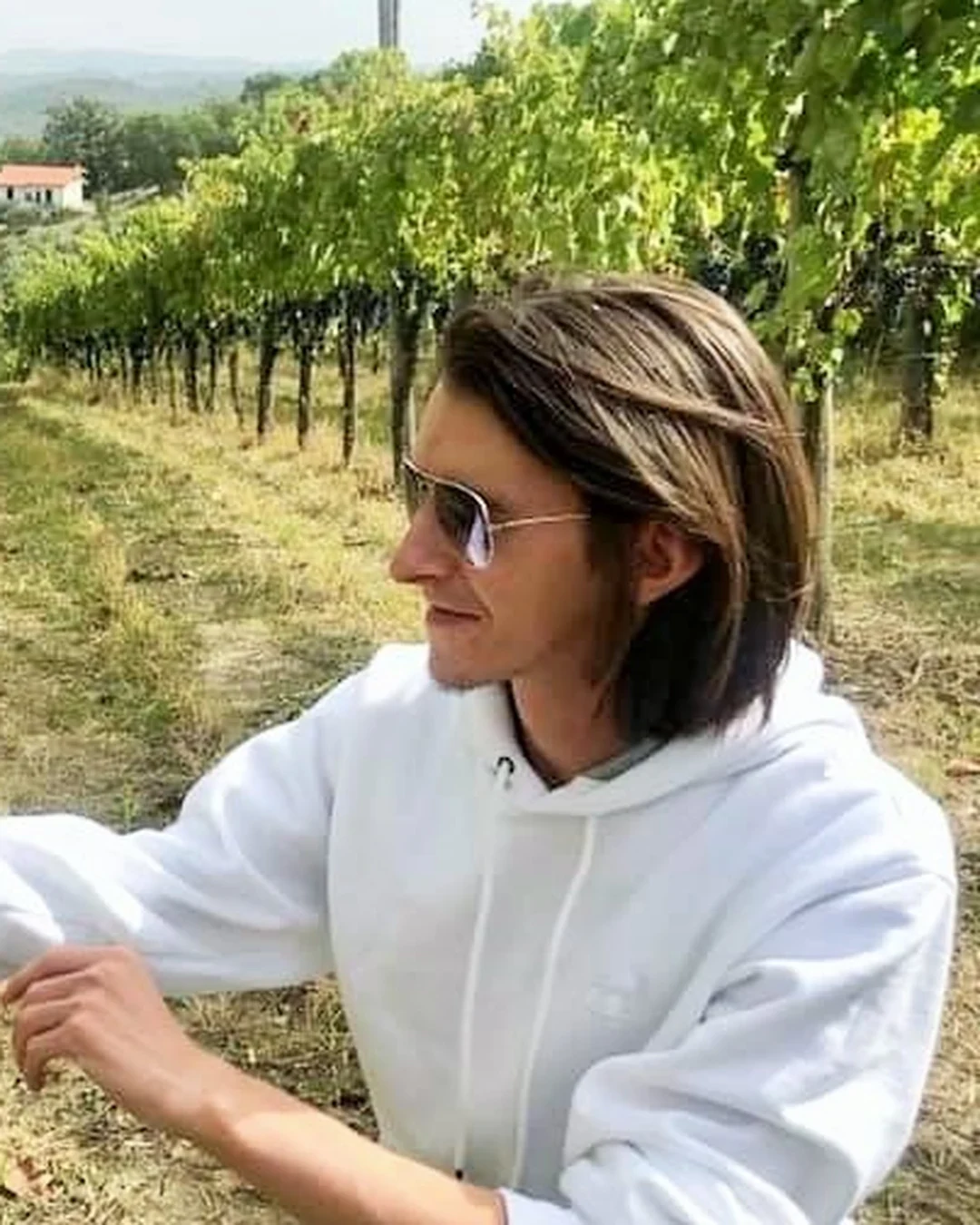
The Aglianico comes in by hand, set into boxes before the cellar work begins. Emanuele Coscia, winemaker at Cantine Delite in Montemarano, keeps that decision close to the bench. He is also the owner, so the same hand that decides the direction of the estate carries the responsibility for the bottle that leaves Contrada Chianzano. His training at the Francesco De Sanctis Royal School of Viticulture and Oenology in Avellino gives the work its technical frame; the De Lisio family gives it its longer memory.
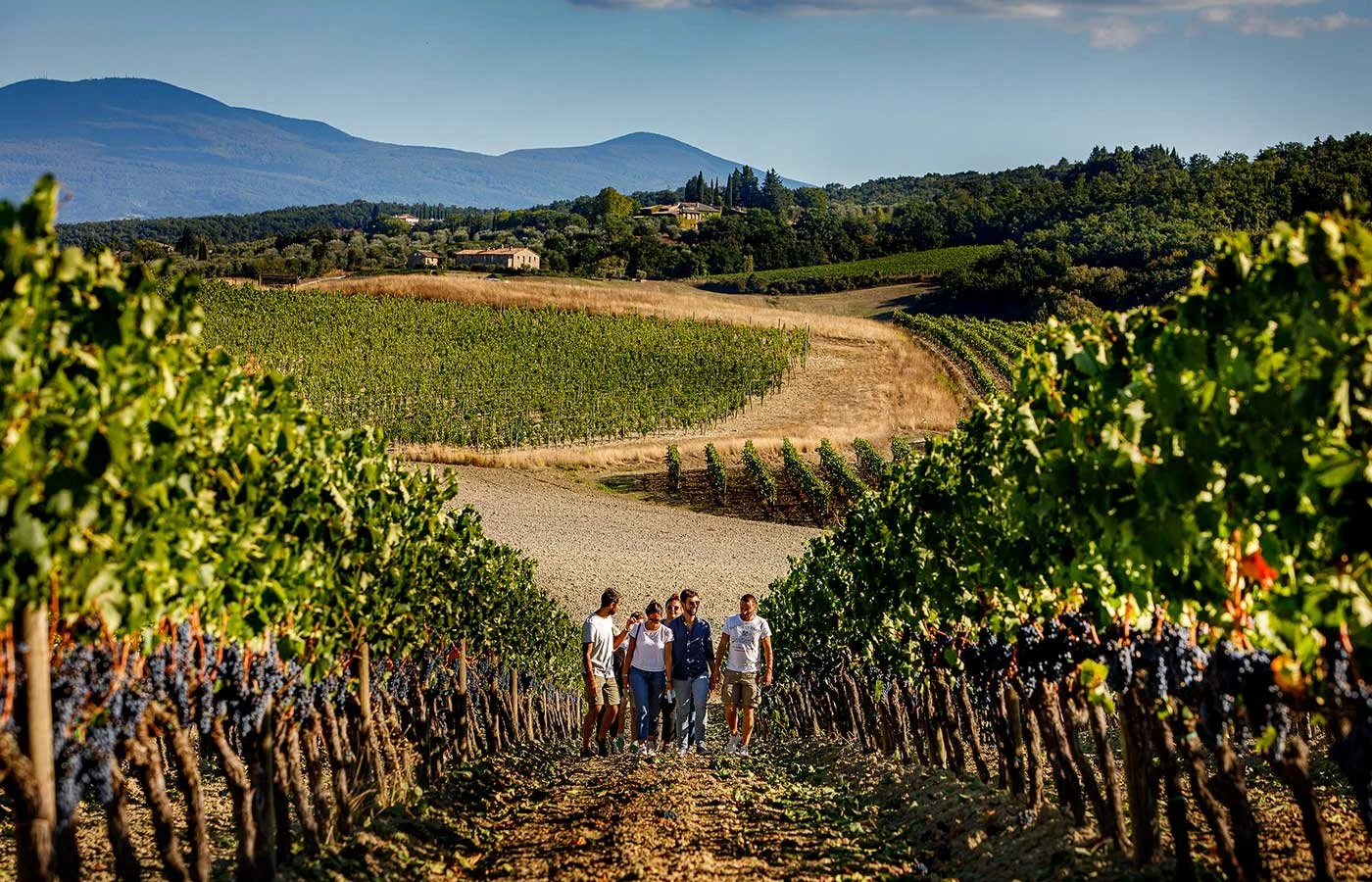
Cantine Delite is young in its present form, opened in 2024, but the vines sit inside a family story that reaches back to the early 1900s. Coscia works from family vineyards in the Irpinia hinterland, on sun-exposed hills that slope toward the Calore river. The cellar’s public face is not built on breadth. It is built on Aglianico, read through fixed names: Emmente, Pentamerone, Nonna Seppa, and Generoso Irpinia DOC. That is a narrow discipline. It leaves less room for distraction.
Three readings of the same grape
The program at Cantine Delite turns on Aglianico grown for Taurasi DOCG, Irpinia DOC, and Campi Taurasini DOC. The estate’s emphasis is organic, with limited-production labels from its own vineyards rather than purchased fruit. Emmente, the organic Irpinia Rosato DOC, starts in the youngest plot of Contrada Chianzano, at 550 meters above sea level with a north-west exposure. The method is white vinification of red grapes: the fruit sees a short cold maceration for 3 hours, then ferments in steel at controlled temperature before steel aging and at least three months in bottle.
The red wines take a slower register. Pentamerone Taurasi DOCG and Nonna Seppa Campi Taurasini DOC keep Aglianico in its darker frame, where tannin, color, and age are part of the grammar. The house names Pentamerone after the literary work by Gianbattista Basile, once governor of Montemarano; Nonna Seppa carries the family’s vineyard memory into the Campi Taurasini designation. Coscia does not need a wide cellar to make a point. He needs the same grape, cut through place, exposure, and patience.
The cellar beside the hills
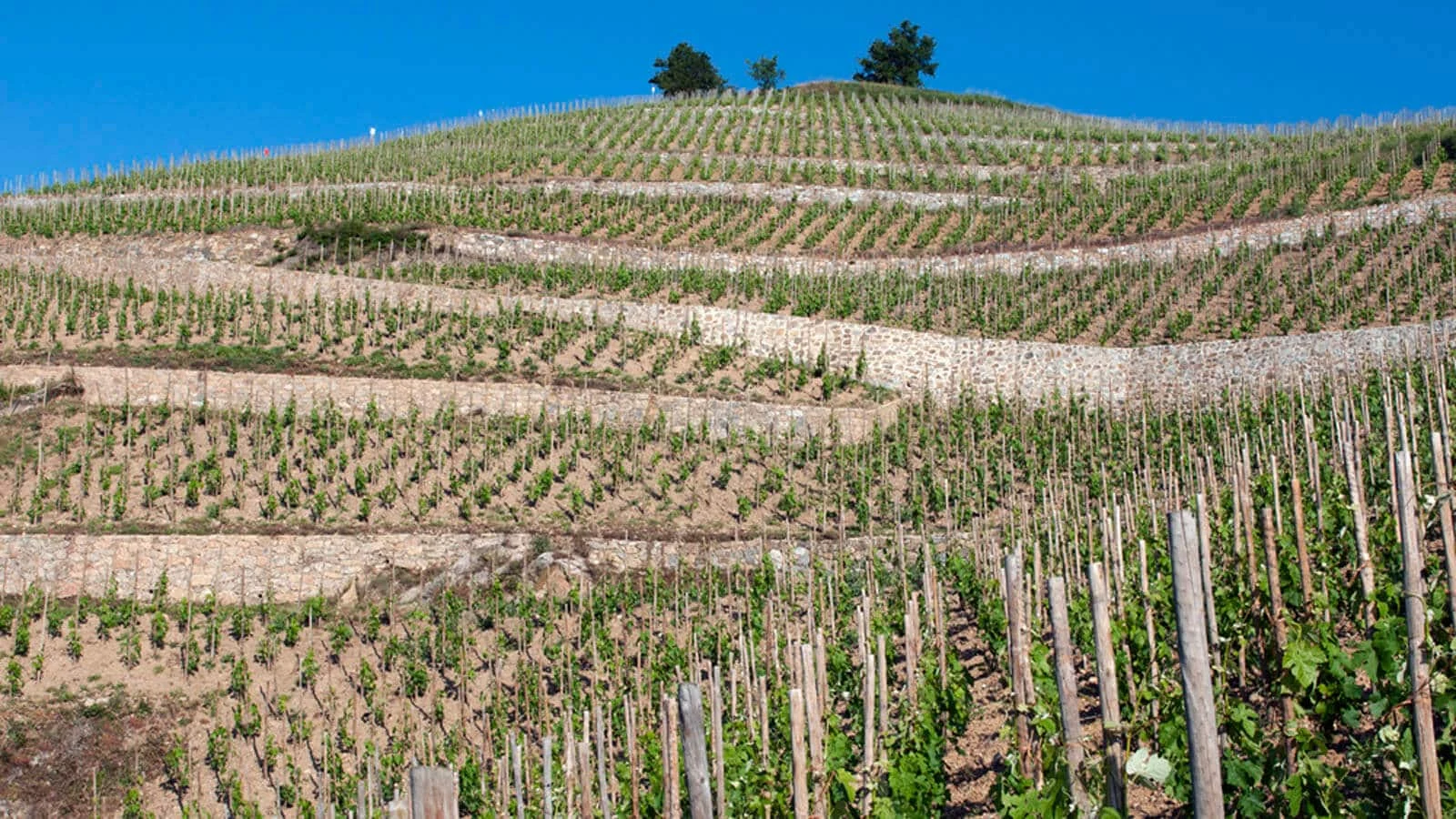
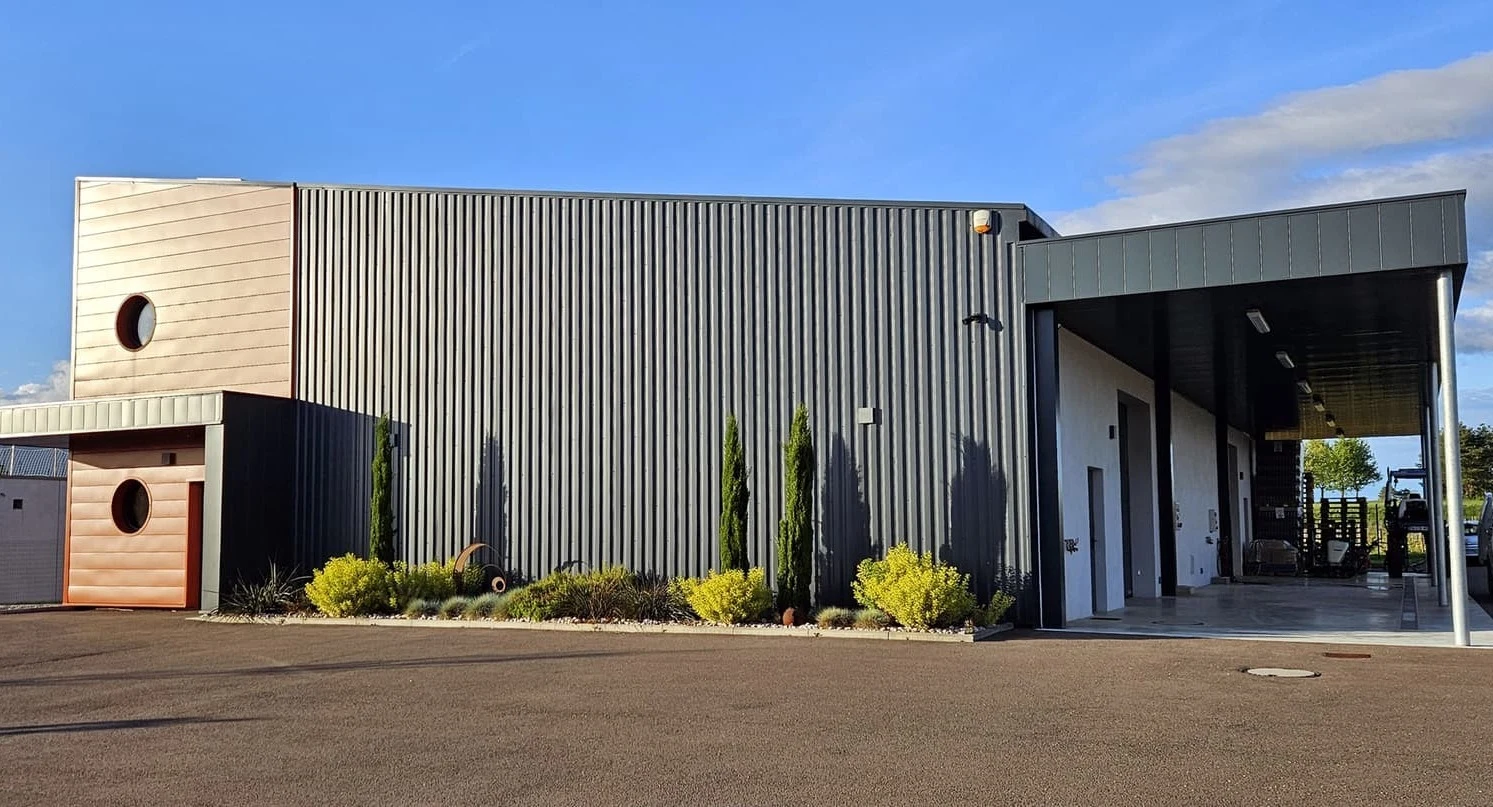
The winery feels closer to a working agricultural house than to a polished tasting room. The vineyard is the first room: rows on the Chianzano hills, the Calore below, light moving across the fruit from morning into evening. Inside, the pace narrows to steel, bottle, label, and the quiet repetition of cellar decisions. A guided tasting here belongs to that sequence, not outside it. The wine arrives after the vineyard has already made its argument.
There is one award attached to Cantine Delite in the current year, and the program is small, putting pressure on each release. If the next bottle to follow is already named by the work, it is Emmente, Pentamerone, or Nonna Seppa from Contrada Chianzano.
Questions
Frequently asked
Who is behind Cantine Delite?
Emanuele Coscia is the owner and winemaker at Cantine Delite in Montemarano. His work is shaped by training at the Francesco De Sanctis Royal School of Viticulture and Oenology in Avellino, and by the De Lisio family’s longer memory in the vineyards.
What is the winery known for?
Cantine Delite is built around Aglianico and makes a narrow set of wines from its own vineyards in Contrada Chianzano. The range includes Emmente, Pentamerone, Nonna Seppa, and Generoso Irpinia DOC, with Aglianico used for Taurasi DOCG, Irpinia DOC, and Campi Taurasini DOC.
What kind of wine does it make?
The estate works organically and focuses on limited-production labels from its own fruit rather than purchased grapes. Emmente is an organic Irpinia Rosato DOC, while Pentamerone Taurasi DOCG and Nonna Seppa Campi Taurasini DOC show Aglianico in a more structured red style.
Do visits need to be booked, and is there parking?
Visits are by appointment only, and there is an on-site lot for parking.
The field
How it compares
| Place | Notes | Awards |
|---|---|---|
| Cantine Delite | Contrada Chianzano, $$$ | · |
| Château Angelus | Saint-Émilion | · |
| Château d'Yquem | Sauternes | World's 50 Best |
| Chateau Mouton Rothschild | Pauillac | World's 50 Best |
| Domaine Jean-Louis Chave | Mauves | · |
| Domaine Roulot | Meursault | · |
| Herdade do Esporão | Reguengos de Monsaraz | World's 50 Best |