Cantine Massimo Leone
- 01CityFoggia, Italy

- Falstaff Winery - Listed · 2026
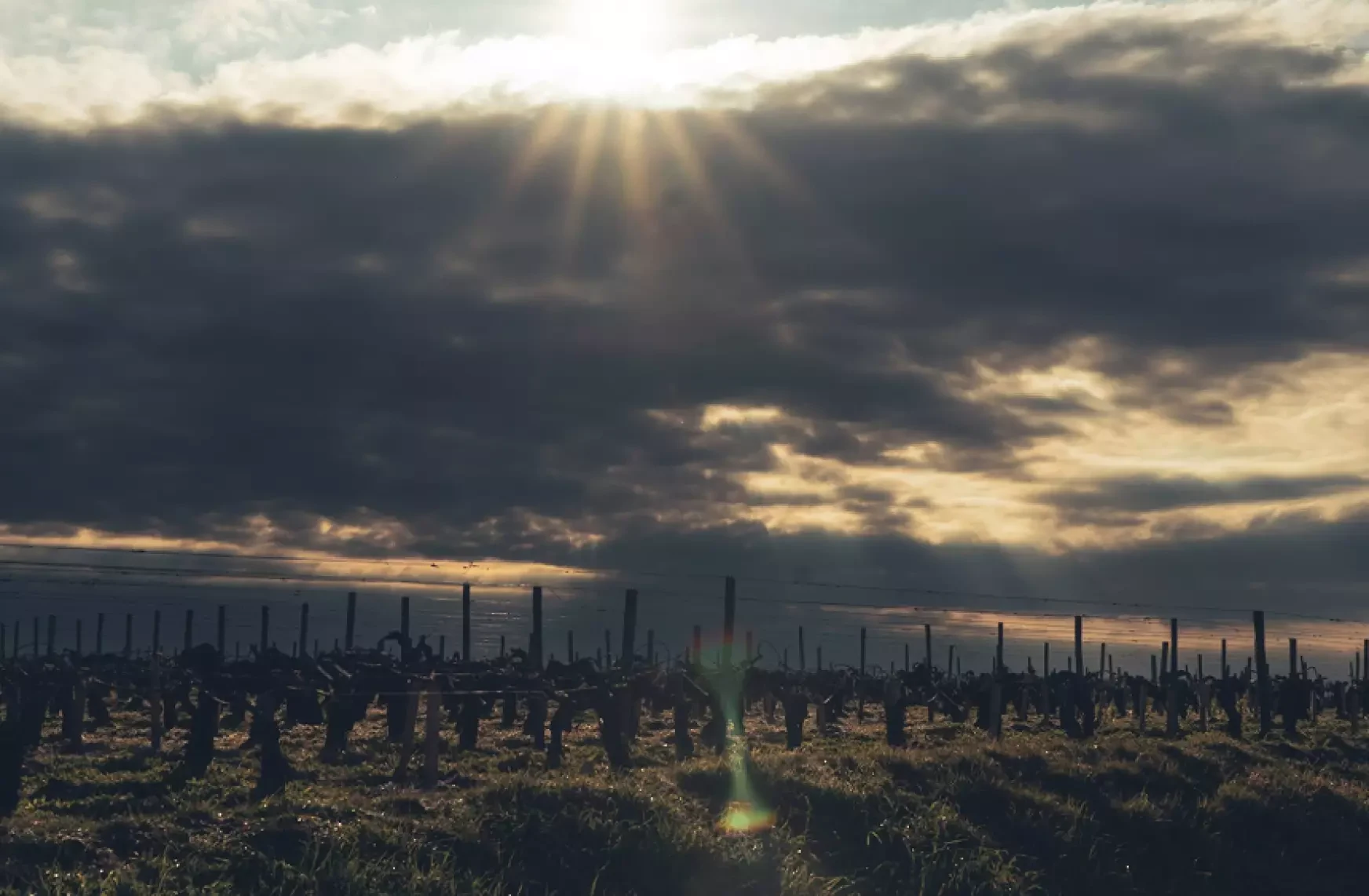
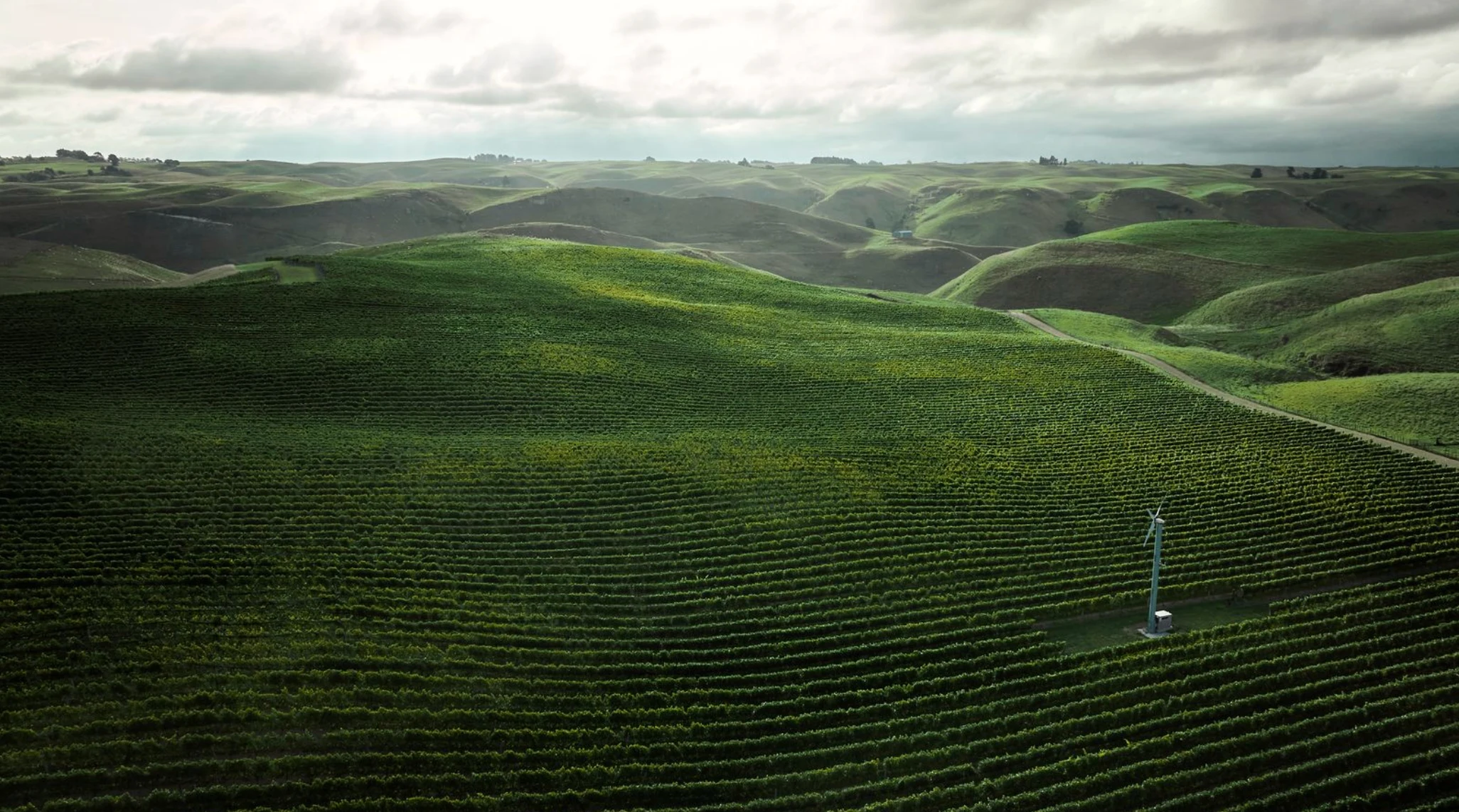
Approaching Foggia, the Tavoliere delle Puglie reads less like postcard Puglia and more like working agricultural country: broad land, low horizons, and vineyards understood as part of an older farming culture. Cantine Massimo Leone belongs to that register. The atmosphere is rural and restrained, with a classic, rustic character that emphasizes the surrounding vineyards rather than resort-winery theatre. Its appeal sits in that quieter register, where the sense of place comes before performance and the countryside is allowed to remain plain, useful, and lived-in.
The most reliable way to frame Cantine Massimo Leone is through place and mood. Details point to a rural Apulian winery rooted in local history and terroir, with a scenic, hidden-gem feel and a romantic edge. Beyond that, specific claims about grapes, production methods, visiting formats, or services should be treated cautiously unless confirmed directly before planning. The better expectation is atmospheric rather than technical: a venue whose character is carried by landscape, restraint, and its connection to Foggia’s agricultural surroundings.
The Tavoliere, not the coast, sets the tone
The winery’s centre of gravity is Foggia and the Tavoliere delle Puglie, a landscape whose identity has long been tied to open-field agriculture and vineyard country. For travellers who know Puglia through coastal towns or more polished rural stays, this is a useful correction. The mood here is plainer, quieter, and more agrarian, shaped by the visual rhythm of fields and vines rather than by seaside spectacle or curated resort language.
Cantine Massimo Leone is best understood as a place where the setting carries much of the appeal. The profile emphasizes vineyards, local history, terroir, and a rustic classic atmosphere. That makes the venue more compelling for visitors interested in the cultural landscape around Foggia than for those looking for a highly specified hospitality format. In this sense, the winery works as a lens on the district around it: less about a scripted experience, more about encountering the rural texture that gives the area its identity.
The editorial interest is therefore contextual. Rather than building expectations around menu, grape, tour, or tasting details, the safer reading is simple: this is a countryside winery experience in Foggia, shaped by the Tavoliere delle Puglie and by a restrained, scenic atmosphere. That simplicity is not a weakness; it is the most accurate way to understand why the address belongs on a local itinerary.
Rustic hospitality rooted in place
The venue’s appeal is not described by luxury cues. Its character is rustic, classic, scenic, and tied to the surrounding vineyards. That gives it a strong sense of place for visitors who want to understand the rural setting and cultural heritage of the Tavoliere delle Puglie, even when specific visit formats are not confirmed here. The language around the venue suggests an experience grounded in atmosphere and locality, not in elaborate promises.
That restraint is part of the point. Cantine Massimo Leone reads as a countryside address rather than a showpiece, and the atmosphere is better suited to slow attention than to a busy social stop. The price level is listed as $$, which positions it as approachable without implying a detailed pricing structure. It is best approached with flexible expectations and with interest in the surrounding landscape as much as in the venue itself.
For a first-timer, the leading lens is the land itself: Foggia, vineyard scenery, and the agricultural identity of the Tavoliere. The point is not to chase a claim that cannot be here, but to approach the winery as a quiet expression of rural Apulian character. Visitors who respond to understated places, and to the feeling of wine country as part of everyday agricultural life, will understand the appeal most clearly.
Where it fits in a Foggia itinerary
Foggia is not always the first name in Italian wine travel planning, which is precisely why its countryside can matter. The reward here is context: vineyard land, local history, and an agricultural region outside the glossy version of Puglia. Travellers building a route through the city can pair Cantine Massimo Leone with other dining and experiences in Foggia, using it as a rural pause that broadens the picture of the area.
For comparison, keep the focus local and practical: Cantine Massimo Leone offers a rural winery counterpoint to other Foggia dining and travel choices. Its value is not in an invented checklist of amenities, but in the atmosphere of a rustic Apulian winery rooted in local history and terroir. That makes it especially useful for an itinerary that wants more than a city stop, while still remaining anchored in Foggia’s immediate landscape.
The editorial case for Cantine Massimo Leone is clear: go for the Tavoliere rather than for glamour. The value is in a quiet, vineyard-framed look at Puglia’s rural wine identity, with a classic atmosphere that rewards visitors who want to understand the land before judging the stop. Read this way, the venue’s modesty becomes its strongest clue, pointing back to the fields, vineyards, and agricultural culture that define the setting.
Questions
Frequently asked
How expensive is Cantine Massimo Leone?
Cantine Massimo Leone is listed at a price level of $$.
The field
How it compares
| Place | Notes | Awards |
|---|---|---|
| Cantine Massimo Leone | Tavoliere delle Puglie, $$ | · |
| Azienda Agricola Casanova di Neri di Giacomo Neri | Montalcino | World's 50 Best |
| Catena Zapata | Agrelo | World's 50 Best |
| Champagne Salon | Le Mesnil-sur-Oger | · |
| Creation Wines | Hermanus | World's 50 Best |
| Domaines Barons de Rothschild (Lafite) | Bordeaux | · |
| Kumeu River Wines | Kumeu | World's 50 Best |