
Carlo Hauner
- 01CitySanta Marina Salina, Italy

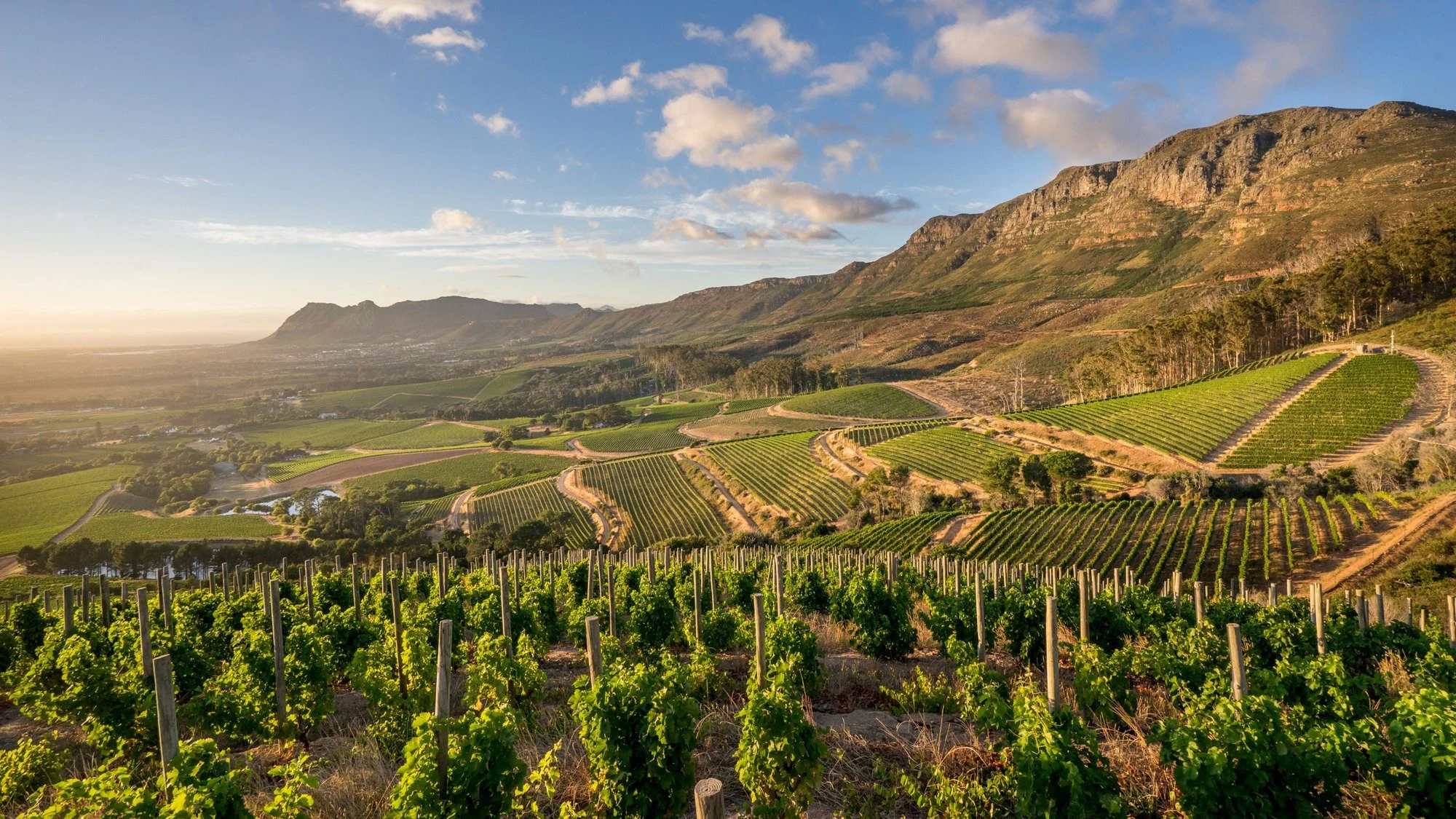
Carlo Hauner brings Salina’s volcanic wine culture into clear focus: Malvasia di Lipari, sea-facing terraces, and the old Aeolian practice of sun-drying grapes on cane racks. The mood is casual and low-key, but the context is serious: a family-run estate founded in 1968, working 20 hectares and tied closely to one of Sicily’s early protected wine designations.
Approaching wine on Salina means adjusting to island scale. The Aeolian Islands do not offer the manicured theatre of mainland cellar-door tourism; they ask for slower attention, to volcanic soil, sea wind, terraces, and grapes that have been shaped by heat and isolation. Carlo Hauner belongs to that register: relaxed, close to the sea, and built around the kind of tasting culture where Malvasia is not a dessert-wine footnote but the central argument.
For broader trip planning, the island works better when food, wine, hotels, and boat-time are considered together. EP Club’s local rails cover Santa Marina Salina wineries, Santa Marina Salina restaurants, Santa Marina Salina hotels, Santa Marina Salina bars, and Santa Marina Salina experiences; this is a place where the evening glass often makes more sense after the ferry schedule and dinner plan are fixed.
Volcanic Salina gives Malvasia its frame
The serious story here is terroir, not cellar-room polish. Salina sits within the Aeolian archipelago, a volcanic chain north of Sicily, and Malvasia delle Lipari DOC belongs to that geography rather than to a broad mainland category. The DOC dates to 1973, placing it among Sicily’s earlier protected designations, and its production is tightly tied to the islands. Regional vineyard area is small, with roughly 80 hectares concentrated on Salina, so scale is part of the wine’s identity before a bottle is opened.
Carlo Hauner was founded in 1968 by Carlo Hauner Sr. who bought 20 hectares on Salina and replanted terraced vineyards. That date matters because modern Aeolian wine is not only an inheritance story; it is also a revival story. The old practice of drying Malvasia grapes outdoors on cane racks, known locally as cannizze, became a technical and cultural anchor. For Passito DOC, the style depends on appassimento, with the DOC framework requiring a minimum 18% ABV and 60 g/L residual sugar. Those numbers explain why the wine carries weight, but they do not reduce it to sweetness. In this climate, sugar, salt air, heat, and volcanic mineral character are part of the same conversation.
The grape rules are narrow enough to give the wines their line. Malvasia di Lipari forms 92–95% of the DOC blend, with up to 8% Corinto Nero permitted. That level of specificity separates the Aeolian tradition from the broader Sicilian shelf, where Nero d’Avola, Etna varieties, and coastal whites often dominate the visitor’s mental map. Here, the relevant comparison is not between fashionable volcanic zones; it is between an island appellation built on aromatic Malvasia and a tourist economy that can easily flatten local wine into a souvenir. Hauner’s importance is that it keeps the grape in the foreground.
A small portfolio that shows the island in several registers
The estate produces seven labels, with Malvasia delle Lipari DOC and Malvasia delle Lipari Passito DOC as the reference points. The dry side of the portfolio matters too. Salina Bianco IGT reflects the more contemporary direction of island wine drinking, where visitors increasingly want whites that can sit with seafood, capers, herbs, and heat rather than only sweet bottles at the end of a meal. Salina Rosso Antonello IGT and the Hierà wines widen the view beyond the single-grape narrative, including fruit connected to the wider volcanic archipelago.
Recognition has followed the Malvasia. The Malvasia delle Lipari DOC has received a 92-point critic score, while the Passito DOC has reached 93. Those are useful signals because Aeolian wines rarely compete on volume or international shelf presence. They compete through specificity: a small appellation, a clearly defined grape base, a traditional drying method, and an island climate moderated by maestrale and tramontana winds. The wines are not trying to behave like mainland Sicilian whites with a maritime accent. They carry the structural imprint of a place where ripeness and sea exposure are held in tension.
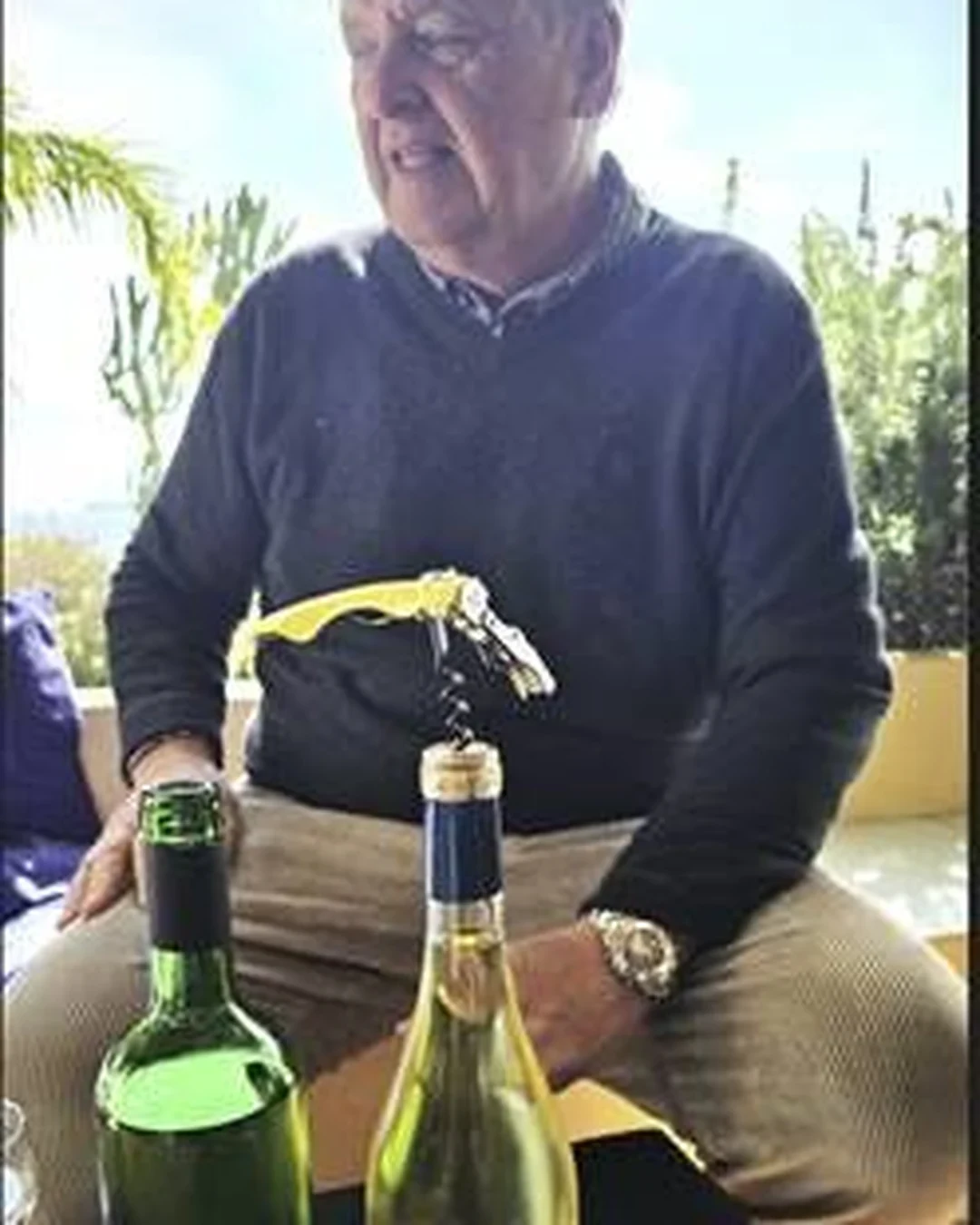
That point also explains why the experience reads as personal rather than performative. The atmosphere is casual, with simple Aeolian-style architecture, small snacks, and unhurried tastings often associated with family involvement. Carlo Hauner Jr. now leads the estate, with Andrea Hauner representing the next generation, but the family detail is meaningful only because the production story has stayed tied to a precise island tradition. The value is not personality-driven hospitality; it is the chance to taste Malvasia in the place that gives the grape its local grammar.
How to think about a visit within an Italian wine itinerary
Italy’s winery circuit can become repetitive when every stop is framed as heritage, cellars, and a scenic glass. Salina breaks that pattern because access, scale, and climate change the rhythm. A tasting here is less about ticking off labels and more about understanding why a small Aeolian DOC survived at all: terraced agriculture, limited vineyard area, grape-drying knowledge, and a style that has not been absorbed into a generic Sicilian category.
For travellers building a wider wine route, Carlo Hauner sits at the island end of a much larger Italian spectrum. Northern and mainland references such as 3GP SRL in Treviso, 47 Anno Domini in Trebaseleghe, A Mano Wine in Noci, a6mani in Fragagnano, and Abbadia Ardenga in Torrenieri show how varied the country’s regional wine identities become once the conversation moves beyond famous appellations. Southern and monastic or coastal contexts, from Abbazia di Crapolla in Neapel to Abbazia Monte Oliveto in Asciano and Abbazia Santa Anastasia in Castelbuono, make the same point from different terrain.
The planning logic is simple: treat this as an island wine stop, not a drop-in urban tasting bar. Booking is recommended, dress is casual, and the mood suits travellers who want time with Salina’s wine culture rather than a formal cellar performance. Those extending the route beyond Italy can use »der Steiner« Hans Steiner in Podersdorf am See and & Handwein in Mannheim as reminders that small-scale wine travel is often strongest where the place sets the rules. In Santa Marina Salina, that place is volcanic, maritime, and inseparable from Malvasia.
Questions
Frequently asked
Is Carlo Hauner more formal or casual?
Casual rather than formal. At Carlo Hauner in Santa Marina Salina, the focus is the winery setting and island context, not a dress-code ritual. The $$ price range points to an approachable stop on a Sicily itinerary.
Is Carlo Hauner expensive?
Pricing at Carlo Hauner is listed as $$.
Where exactly is Carlo Hauner?
Carlo Hauner is located at Santa Marina Salina, Sicily, Italien, Santa Marina Salina.
What's the standout thing about Carlo Hauner?
Its location in Santa Marina Salina is the point: this is an Aeolian winery shaped by volcanic Salina rather than city polish. That setting gives the estate a clear identity within Sicily wine travel.
What's the best way to book Carlo Hauner?
Plan ahead around the Santa Marina Salina address and treat it as a winery visit, not an impromptu drink stop. For a place in the Aeolian Islands, logistics matter more than a last-minute walk-in approach.
What's Carlo Hauner a good pick for?
It works well for travelers building a Sicily wine route around volcanic terroir and island producers. The $$ price range makes it a practical fit for a day on Salina, especially for visitors focused on wine rather than a full restaurant format.
The field
How it compares
| Place | Notes | Awards |
|---|---|---|
| Carlo Hauner | Lingua, $$ | · |
| Marqués de Murrieta | Logroño | World's 50 Best |
| Screaming Eagle | Napa | · |
| Weingut Egon Müller | Wiltingen | · |
| Domaines Barons de Rothschild (Lafite) | Bordeaux | · |
| Klein Constantia | Cape Town | World's 50 Best |
| Château Latour | Pauillac | · |