Carus
- 01CitySan Casciano Val Di Pesa Fi, Italy
- Falstaff Winery - 2 Stars · 2026
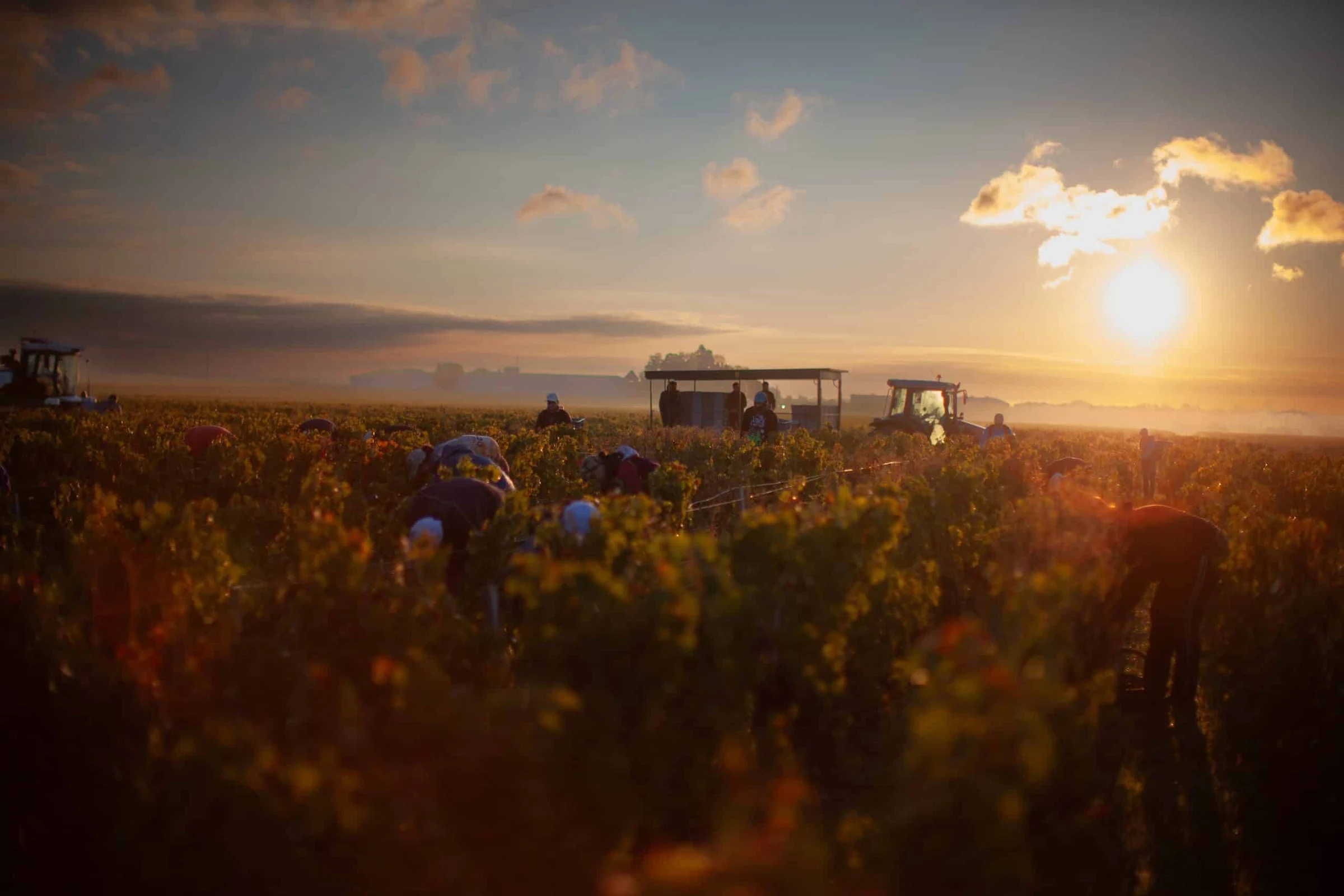
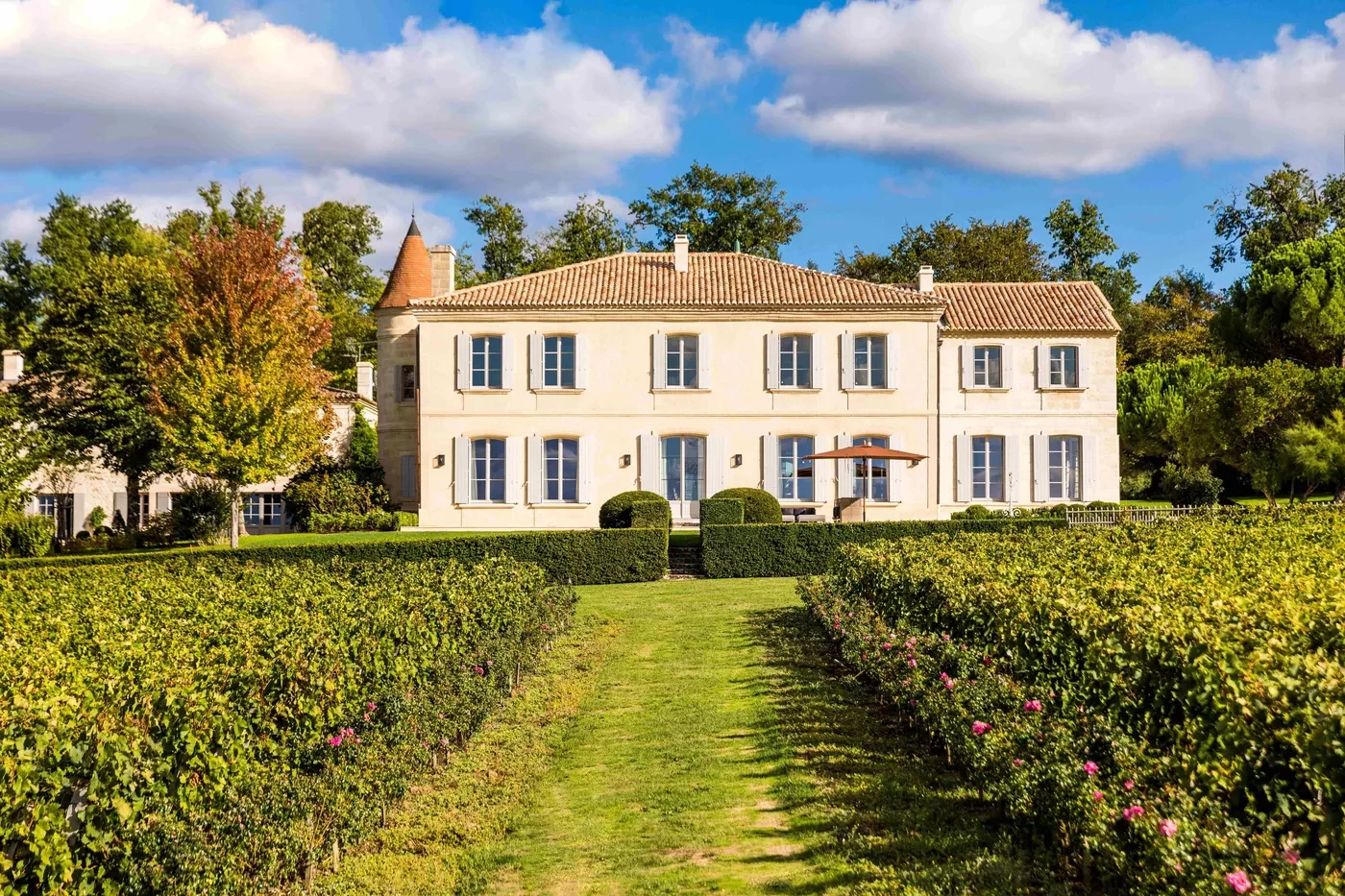
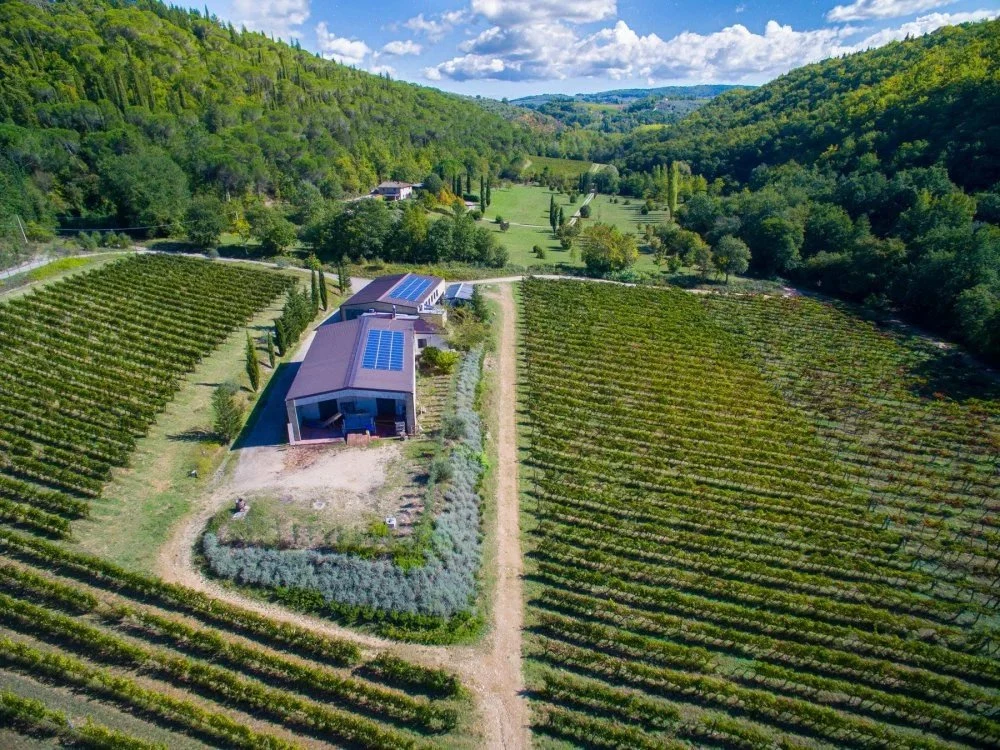
Approach Chianti Classico through San Casciano in Val di Pesa and the lesson is immediate: wine here is shaped as much by slope and exposure as by cellar choice. At Carus, the setting is agricultural before it is performative, with vineyard rows, olive groves, garden tasting areas and barrel-room spaces giving the visit a slower rhythm than the more commercial formats that cluster around famous Tuscan wine roads.
The estate belongs to the smaller, family-run side of Chianti hospitality, where the value lies in how clearly the land is explained through the glass. Its 26 hectares include 13.5 hectares of vines and 4.5 hectares of olive groves, a scale large enough to show range but small enough for the tasting to remain focused. For broader trip planning across the area, see Our full San Casciano Val Di Pesa Fi wineries guide, with nearby dining context in Our full San Casciano Val Di Pesa Fi restaurants guide.
Chianti Classico read through altitude, clay and organic farming
Chianti Classico is often discussed through Sangiovese, but the more useful lens is site. The vineyards here sit between 190 and 300 metres, with marked seasonal temperature shifts and moderately clayey soils with coarse particles. That combination matters: drainage, root depth and diurnal contrast are the quiet mechanics behind freshness, structure and aromatic definition in this part of Tuscany.
Carus works inside the Chianti Classico DOCG frame while widening the conversation beyond a single red-wine stereotype. Sangiovese remains central, supported by Merlot, Cabernet Sauvignon, Syrah and Vermentino. That range is not unusual in Tuscany, but it becomes more interesting when the estate-grown model keeps the discussion anchored to one property rather than a broad sourcing network.
The organic certification, in place since 2017, is the key trust signal here. In a region where sustainability claims can drift into lifestyle language, the more concrete details carry weight: natural cover crops between rows, hand harvesting, solar energy for cellar temperature control, ventilated cellar architecture, lightweight bottles and recycled cardboard packaging. These are operational choices, and they align the estate with the more disciplined end of modern Tuscan wine tourism.
A tasting format built around cellar, garden and food pairings
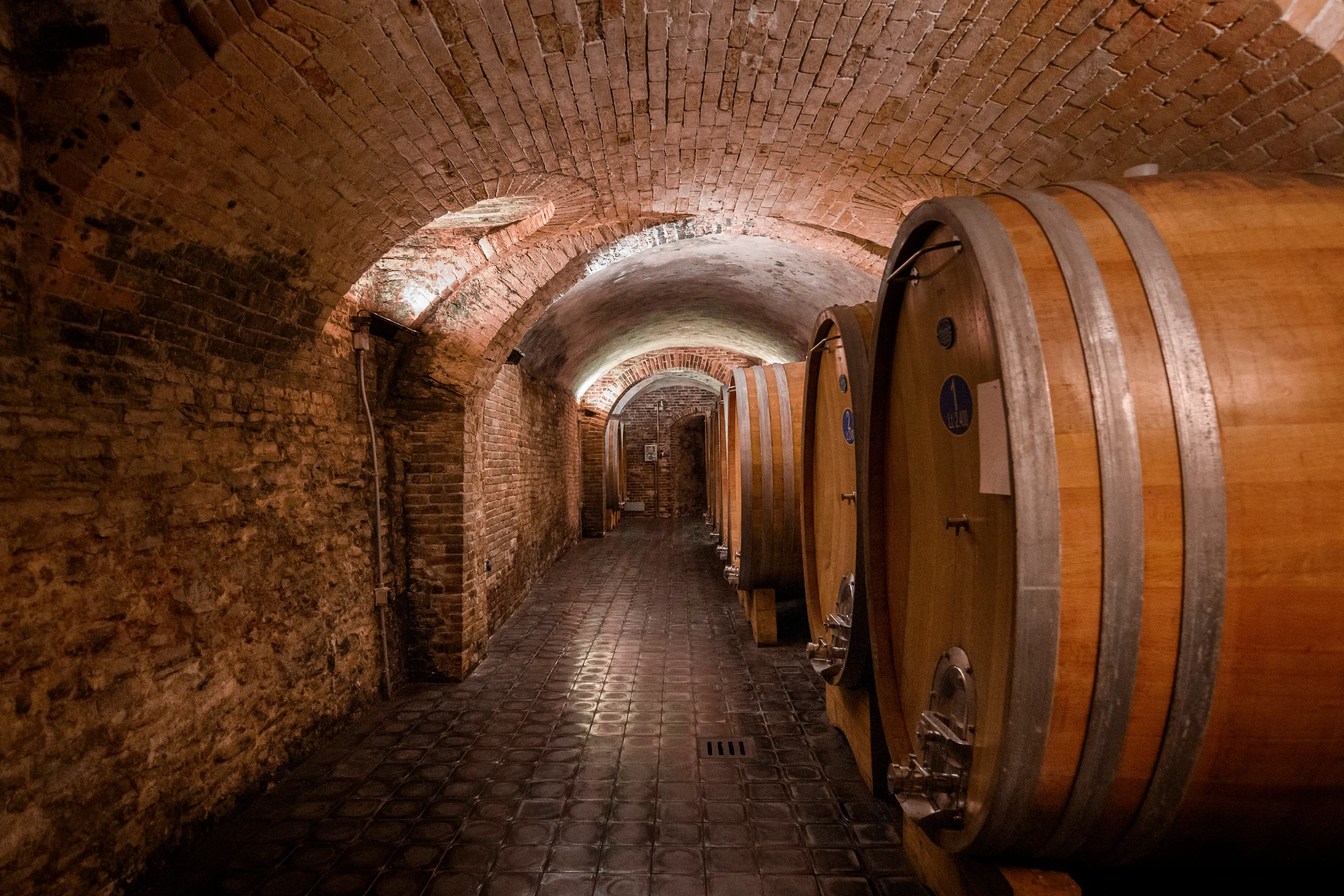
The hospitality format is intimate rather than grand. Tastings are guided, seated and often paired with simple Tuscan accompaniments: cold cuts, cheeses and bread. The usual structure covers 3 to 5 wines and may include rosato, Chianti Classico and Gran Selezione, with the cellar and barrel room used to connect what is poured to how it is made. In good weather, the garden gives the wines a direct visual link to the estate; in rain, the barrel room shifts the tone inward.
That movement between outdoor and cellar settings is more than a scenic convenience. It underlines the two competing ideas that define serious winery visits in Tuscany now: visitors want landscape, but they also want production literacy. The better formats provide both without turning the experience into a lecture. Here, the conversational style suits travelers who want to understand why Sangiovese behaves differently on these hills, not simply collect a photograph of vines.
The portfolio gives the tasting useful breadth. Sangiovese appears in still red and rosato forms, Vermentino brings the white-wine counterpoint, and Merlot, Cabernet Sauvignon and Syrah show how international grapes sit inside a Tuscan estate vocabulary. The Riserva aging reference is also useful: Gaudio, a 100% Sangiovese Riserva, is aged for 18 months in oak, which places structure and patience at the centre of that expression rather than immediate fruit alone.
Where Carus fits in a San Casciano itinerary
San Casciano in Val di Pesa works well for travelers who want Chianti Classico without reducing the day to marquee labels. The area is close enough to major Tuscan routes to fold into a larger itinerary, yet the winery experience can still feel domestic in scale: family, cellar, vineyard, garden, conversation. That makes Carus a stronger fit for wine education, couples, small groups and multigenerational travelers than for anyone chasing a high-production tasting circuit.
Accessibility and comfort also shape the practical appeal. The estate is wheelchair accessible, suitable for children, and set up for guided tastings, private tastings and tour-and-tasting formats in English and Italian. On-site parking and charging points for electric cars and bicycles add a useful layer for travelers moving through Chianti by road. For lodging and after-hours planning in the same city, see Our full San Casciano Val Di Pesa Fi hotels guide, Our full San Casciano Val Di Pesa Fi bars guide and Our full San Casciano Val Di Pesa Fi experiences guide.
Italy’s winery map is broad enough that Carus also reads well against the country’s regional diversity, from 3GP SRL in Treviso, 47 Anno Domini in Trebaseleghe and A Mano Wine in Noci to a6mani in Fragagnano, Abbadia Ardenga in Torrenieri, Abbazia di Crapolla in Neapel, Abbazia Monte Oliveto in Asciano and Abbazia Santa Anastasia in Castelbuono. For a wider European contrast, compare the format with »der Steiner« Hans Steiner in Podersdorf am See and & Handwein in Mannheim.
The editorial case is not that this is a trophy stop. It is that the estate offers a coherent Chianti Classico reading: certified-organic farming, hillside vineyards, estate-grown fruit, small-scale hospitality and enough varietal range to show how place can discipline both native and international grapes. In a region crowded with romantic shorthand, that clarity is the point.
Questions
Frequently asked
How expensive is Carus?
Carus is listed at a price level of $$.
The field
How it compares
| Place | Notes | Awards |
|---|---|---|
| Carus | San Casciano in Val di Pesa, $$ | · |
| Château Cos d'Estournel | Saint-Estèphe | World's 50 Best |
| Château Margaux | Margaux | World's 50 Best |
| Château Troplong Mondot | Saint-Laurent-des-Combes | · |
| Gaja | Barbaresco | World's 50 Best |
| Viña Montes | Santa Cruz | World's 50 Best |
| Yamazaki (Suntory) | Shimamoto | · |