Seven vineyards shape the blend
- Falstaff Winery - Listed · 2026
Concrete, old vines and a Dão hand
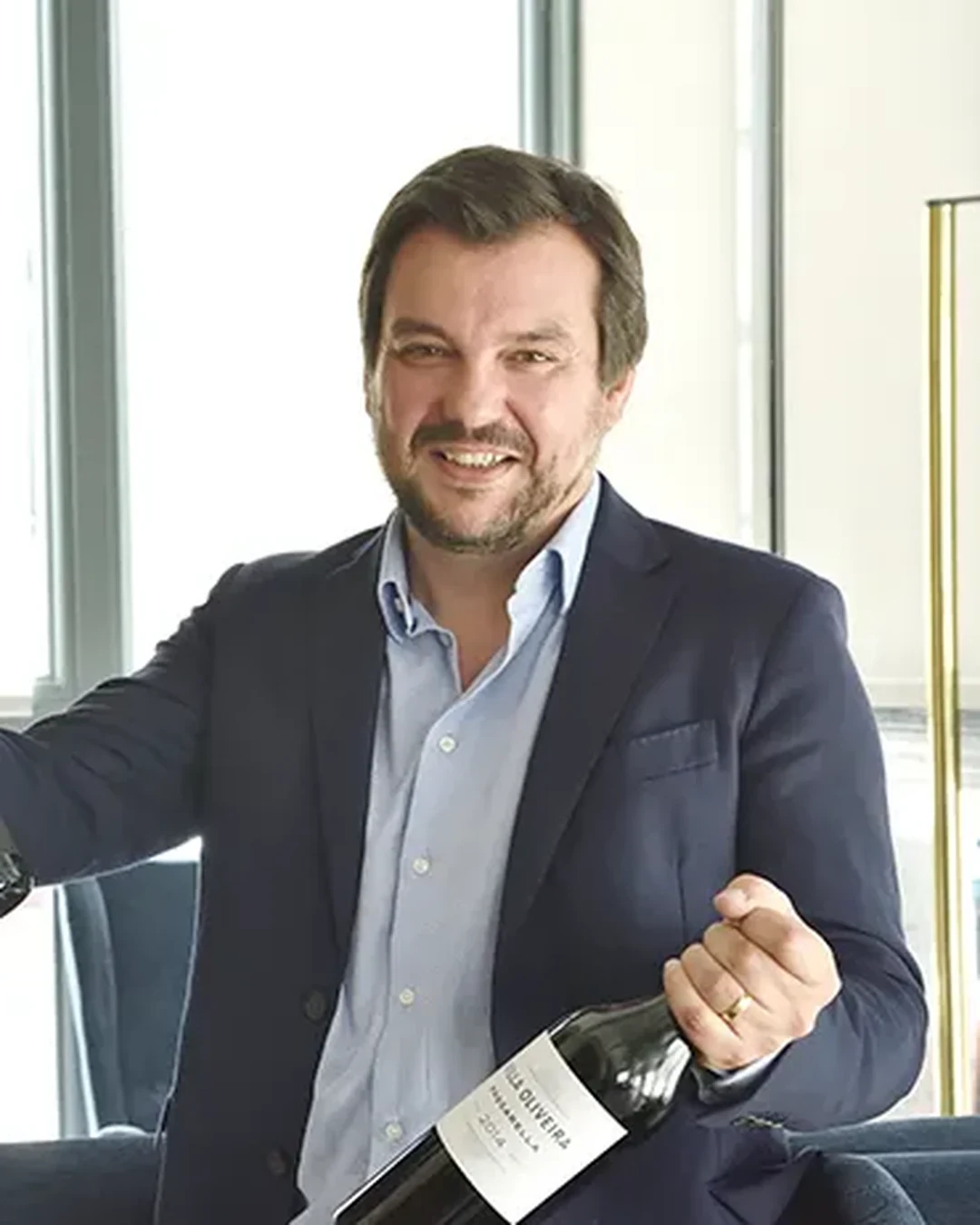
The decision begins in the vineyard: Paulo Nunes, winemaker at Casa da Passarella in Lagarinhos, keeps the estate fruit close to its own granitic ground. He has held the role since 2008, working inside a quinta founded in 1892, in the foothills of Serra da Estrela. His own beginning was farther north, in Douro vineyard country, where family cultivation gave the vine the status of daily work rather than romance. At Passarella, that inheritance meets a house that predates the Dão demarcation and still asks for regional speech before polish.
Nunes frames the work without ornament: “The wine is difficult to make, but simple in its elegance.” The discipline shows in his preference for native varieties, old field blends and an estate language that resists a flattened international style. The signature labels, Descoberta, Oenologo, Fugitivo, Villa Oliveira and Somontes, do not read as a single recipe. They move through different parcels, varieties and intentions, but the hand stays legible. His stated position is plain enough for a cellar wall: it is best to make a statement with only what Dão can do.
Seven vineyards before the blend
Casa da Passarella works from an estate of around 100 hectares, with 62 hectares under vine in one account of its planted ground. The house speaks of seven distinct vineyards, a useful number here because the blending logic starts before a vat is filled. Rather than treating Touriga Nacional, Baga, Jaen, Rufete, Alfrocheiro, Encruzado, Malvasia Fina and Gouveio as detached components, the program leans toward a blend of vines: exposures, ages, native material and the old field-blend habit held together parcel by parcel.
Nunes has also worked with the idea of replanting from existing old vines, using cuttings from the estate rather than replacing the place with generic material. That choice gives the newer plantings a direct conversation with the older parcels. Concrete remains central in the cellar, valued for preserving freshness and aromatic clarity without pushing wood into the foreground. Oak has its place too, with some wines aging for 18 months, but the house’s center of gravity stays with Dão fruit, granite, altitude and the restraint of the tank.
The cellar below Serra da Estrela
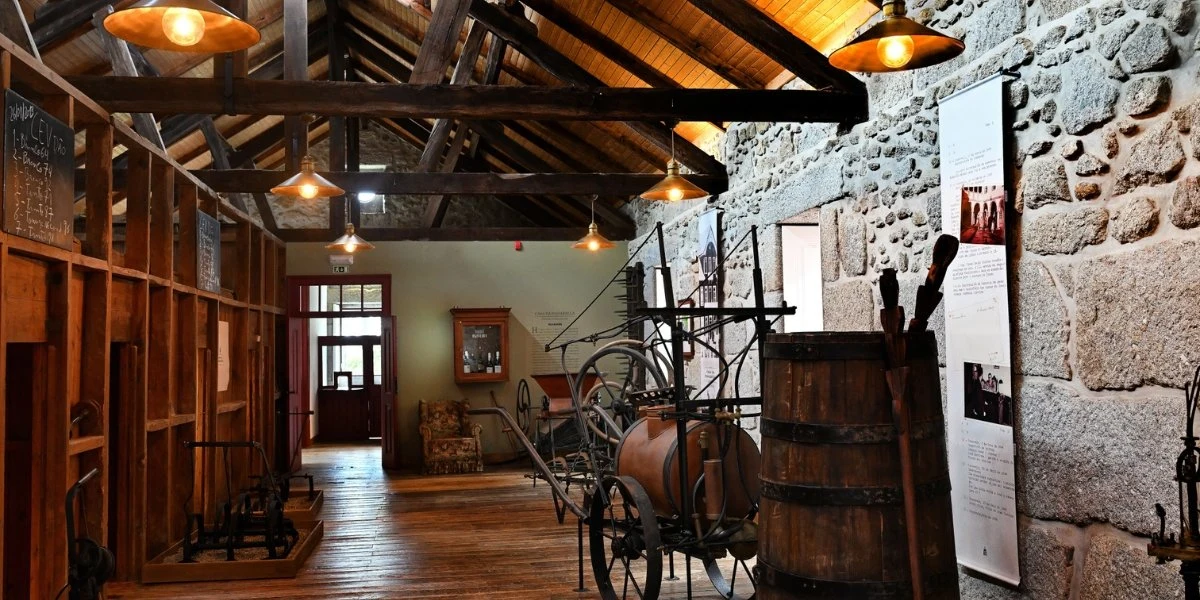
The cellar carries both old stone and updated equipment, not as contrast for its own sake, but as the working condition of a long-lived quinta. Concrete tanks sit within a place that has had to keep moving without losing its first grammar. The vineyard surrounds the work with altitude and granite; the room answers with quiet surfaces, cellar coolness and the slow practical rhythm of fermenting, tasting, racking and waiting.
This is not a winery built around spectacle. The tasting room and cellar belong to the same atmosphere: tradition held without stiffness, a historic house still making decisions through the hands of its winemaker. When the next glass of Villa Oliveira is poured, the concrete, the seven vineyards and Paulo Nunes are all still in the room.
Questions
Frequently asked
Who makes the wines at Casa da Passarella?
Paulo Nunes has been the winemaker at Casa da Passarella since 2008.
What kind of winemaking does Casa da Passarella focus on?
The house works with estate fruit, native varieties, old field blends and concrete, with oak used in some wines. Its approach is tied to Dão, granite and altitude rather than a flattened international style.
What is Casa da Passarella known for in the cellar and vineyards?
It works from around 100 hectares of estate, with seven distinct vineyards mentioned in the house account. The plantings include Touriga Nacional, Baga, Jaen, Rufete, Alfrocheiro, Encruzado, Malvasia Fina and Gouveio.
Do I need to book a visit to Casa da Passarella?
Reservation is recommended.
The field
How it compares
| Place | Notes | Awards |
|---|---|---|
| Casa da Passarella | Lagarinhos (Gouveia, Serra da Estrela subregion), $$ | · |
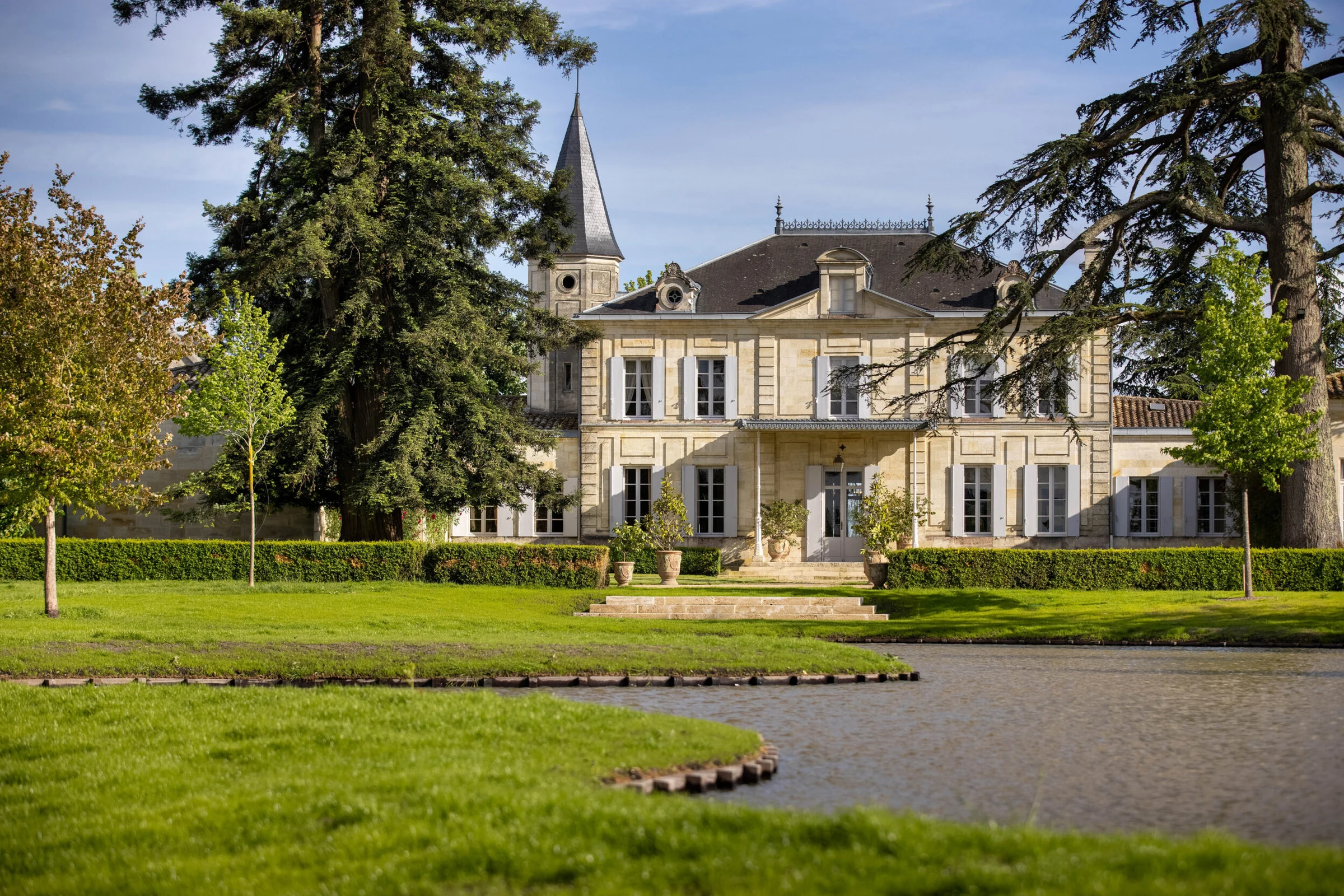
| Château Cheval Blanc | Saint-Émilion | · |
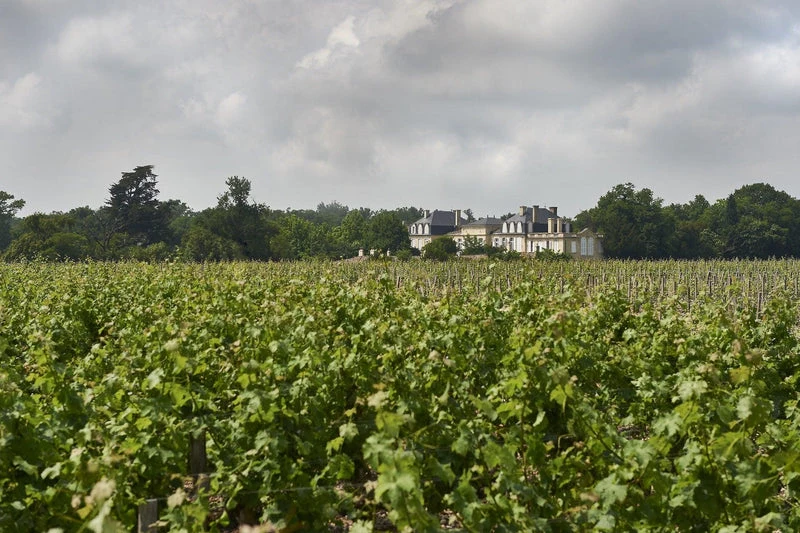
| Château La Conseillante | Pomerol | · |
| Château Léoville Barton | Saint-Julien-Beychevelle | · |
| Hundred Acre | Napa | · |
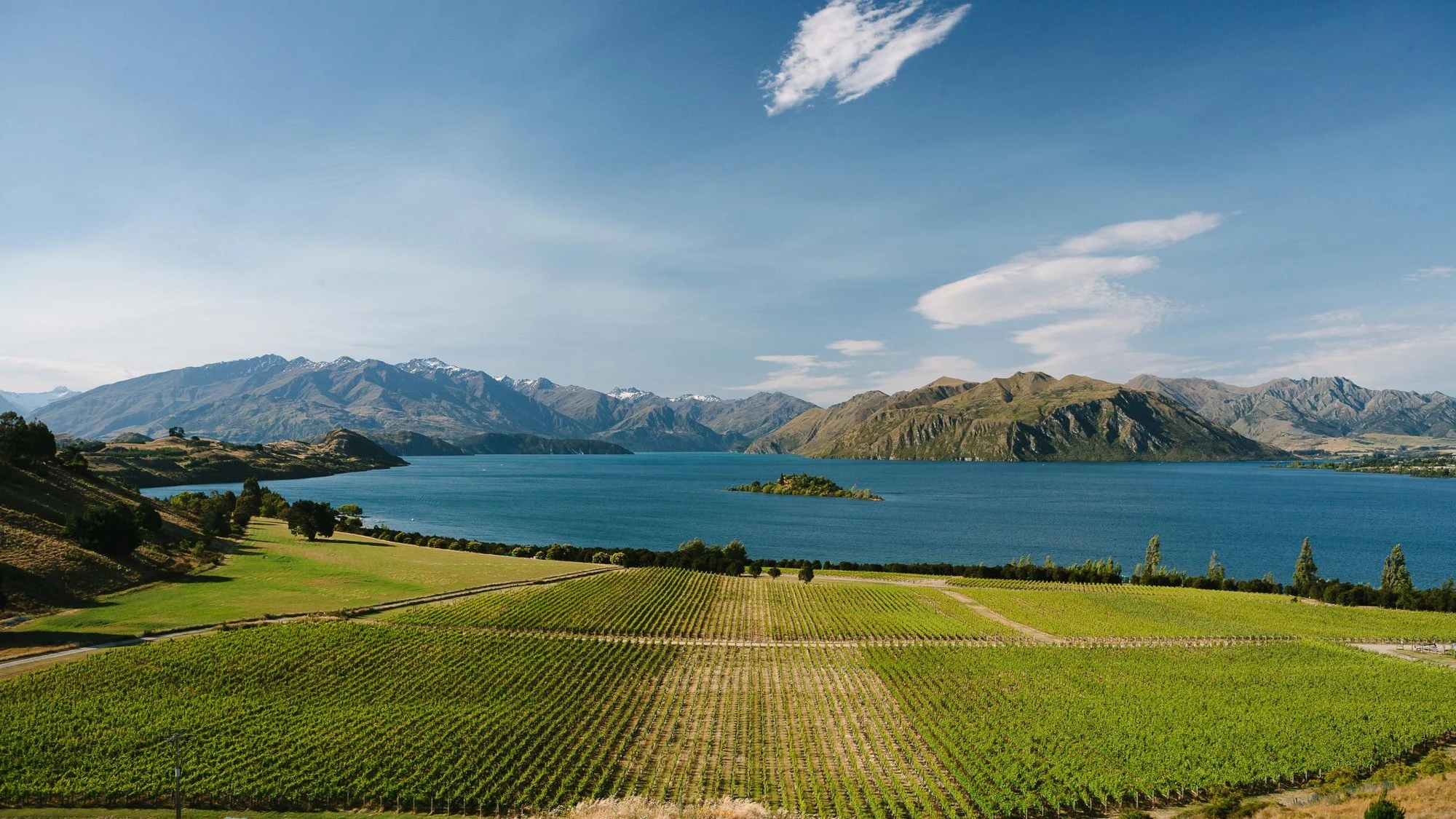
| Rippon Vineyard | Wānaka | World's 50 Best |
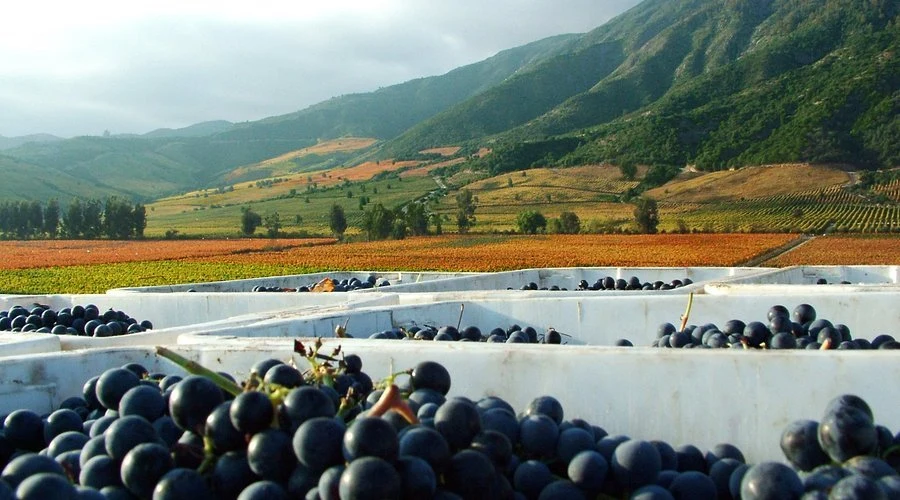
| Viña Montes | Santa Cruz | World's 50 Best |