- Falstaff Winery - Listed · 2026
- Pearl 2 Star Prestige · 2025
Granite, Altitude, and the Quiet Logic of Dão
Central Portugal's Dão region has spent decades in the shadow of the Douro to its north, but that relative obscurity has preserved something that noisier wine regions tend to lose: a coherent relationship between land and glass. The Serra da Estrela acts as a climatic wall to the east, moderating Atlantic moisture from the west, and the result is a continental microclimate defined by warm, dry summers and cold winters. Vines here grow in granite-derived soils that drain freely and force roots deep. That geological pressure produces wines of cool-fruit character and firm tannin, particularly from the indigenous Touriga Nacional and Encruzado varieties that have come to define the region's identity.
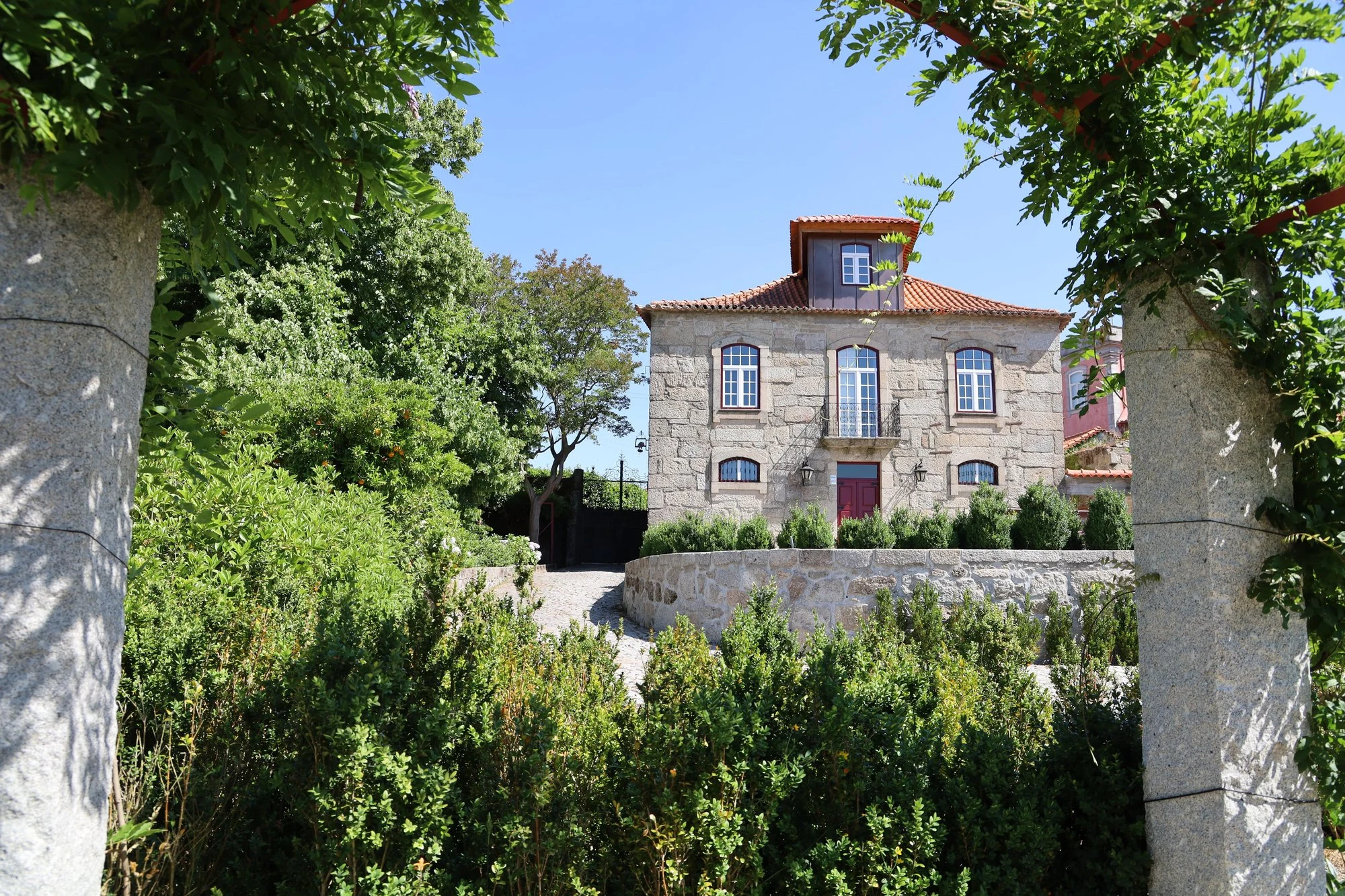
Casa de Santar occupies a particular position within this tradition. For visitors oriented around terroir-driven wine tourism, the Dão rarely announces itself loudly, and Casa de Santar is consistent with that regional character. You arrive at an estate that earns its standing through the wine rather than through spectacle.
What the Landscape Tells You Before You Taste Anything
Approaching Santar, the land already makes an argument. Vineyards here sit at elevations that routinely exceed 400 metres, and the surrounding topography is defined by pine forests and granite outcroppings rather than the terraced river valleys of the Douro or the flat alluvial plains of the Alentejo. The aesthetic is one of austere northern Portugal: stone walls, long sight lines, and a quality of light that shifts quickly as cloud cover moves across the Serra. For wine, this means a growing season with enough heat accumulation for full phenolic ripeness but sufficient diurnal variation to retain acid structure. The wines that emerge tend to be age-worthy, and tasting them in the context of this landscape is not an abstraction. The connection between environment and glass is direct enough to be read rather than imagined.
This kind of terroir coherence is what separates the Dão from more industrialised Portuguese wine regions. Unlike Alentejo estates such as Herdade do Esporão in Reguengos de Monsaraz, which operate on a scale that encompasses extensive visitor infrastructure and high-volume tourism, Dão producers tend toward smaller footprints and a more selective approach to hospitality. Casa de Santar fits that mould.
Dão Varieties and Why They Matter Here
The Dão is one of Portugal's oldest demarcated wine regions, formally established in 1908, and its permitted grape varieties include several that exist almost nowhere else at scale. Touriga Nacional, now widely planted across Portugal as a prestige red variety, has its historical roots in this region. Encruzado, the white variety most associated with the Dão, produces wines of textural density and floral character that sit stylistically closer to white Burgundy than to the leaner Vinho Verde or the richer Alentejano whites.
What granite soils specifically contribute to these varieties is a matter of mineral expression and heat regulation. Granite retains warmth during the day and releases it slowly overnight, which smooths the ripening curve. It also drains rapidly, which stresses the vine in a productive sense, concentrating flavour without adding excess sugar load. The resulting wines typically show moderate alcohol, firm acid, and a textural quality that integrates well with oak aging. Comparing this to the schist-based soils of Douro producers such as Quinta do Bomfim in Pinhão or Quinta do Vallado in Peso da Régua clarifies the distinction: schist retains heat more aggressively and produces the dense, Port-adjacent power of Douro reds, while granite's influence in the Dão runs cooler and more tensile.
Casa de Santar in the Context of Portuguese Wine Tourism
Portugal's premium wine tourism circuit has expanded considerably over the past decade, and it now encompasses a range of estate formats: the fortified wine lodges of Vila Nova de Gaia, such as Churchill's; the Madeira wine lodges like Blandy's Wine Lodge in Funchal and Henriques and Henriques in Câmara de Lobos; the Setúbal estates including Bacalhôa Vinhos in Azeitão; Alentejo institutions such as Adega Cartuxa in Évora and Adega Cooperativa de Borba; and the Douro's Quinta do Seixo portfolio, including Quinta do Seixo (Sandeman) in Tabuaço. Alongside these, the Beiras and Dão corridor includes quieter addresses such as Aliança Vinhos in Sangalhos, which operates nearby and provides a point of comparison for visitors assembling a central Portugal wine itinerary.
For serious wine travellers, that award tier functions as a useful filter: it identifies estates where the experience has been assessed and found to meet a defined quality threshold, rather than simply reflecting marketing effort or visitor volume.
For comparison, the Colares region near Lisbon, represented by the Adega Regional de Colares, offers a completely different soil and variety profile (sandy soils, ungrafted Ramisco vines), which illustrates how differently Portugal's micro-regions express themselves even within a small country. The Dão's granite-and-altitude identity is its own argument, and Casa de Santar sits at its centre.
Planning a Visit to Santar and the Nelas Area
Nelas sits roughly 30 kilometres south of Viseu, the regional capital of the Dão and a city worth incorporating into any serious visit to the region. Viseu has its own dining and cultural infrastructure, and approaching Casa de Santar via Viseu allows for a more complete understanding of the area. The estate's address in Santar places it within a village that has historically been associated with noble quinta estates, and the architectural character of the area reflects that heritage.
Award-tier Dão estates in this part of Portugal do not operate on walk-in logic, and verifying opening arrangements directly through available channels before travelling will prevent wasted journeys. Direct contact before travelling is advisable. For those assembling a broader Portuguese wine tour, represent how the premium estate visit format operates in different producing regions.
Questions
Frequently asked
Who works at Casa de Santar?
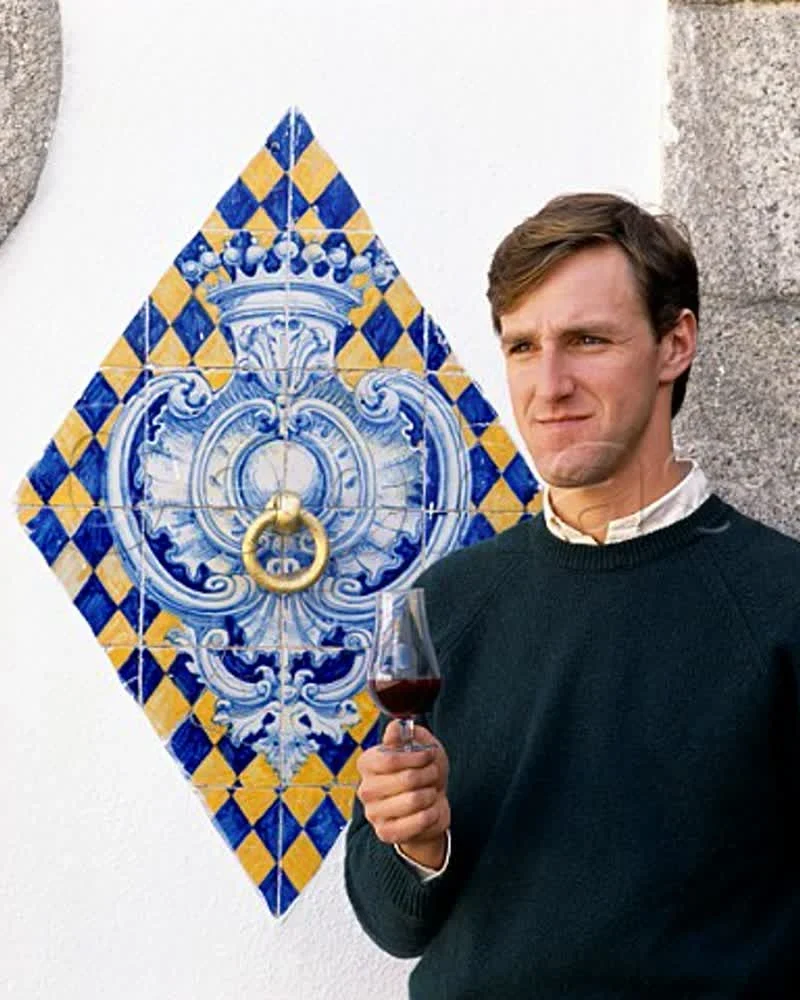
Made By profiles Osvaldo Amado (Winemaker) and Pedro de Vasconcellos (Winemaker) at Casa de Santar.
How expensive is Casa de Santar?
Casa de Santar is listed at a price level of $$$.
The field
How it compares
| Place | Notes |
|---|---|
| Casa de Santar | Santar, $$$ |
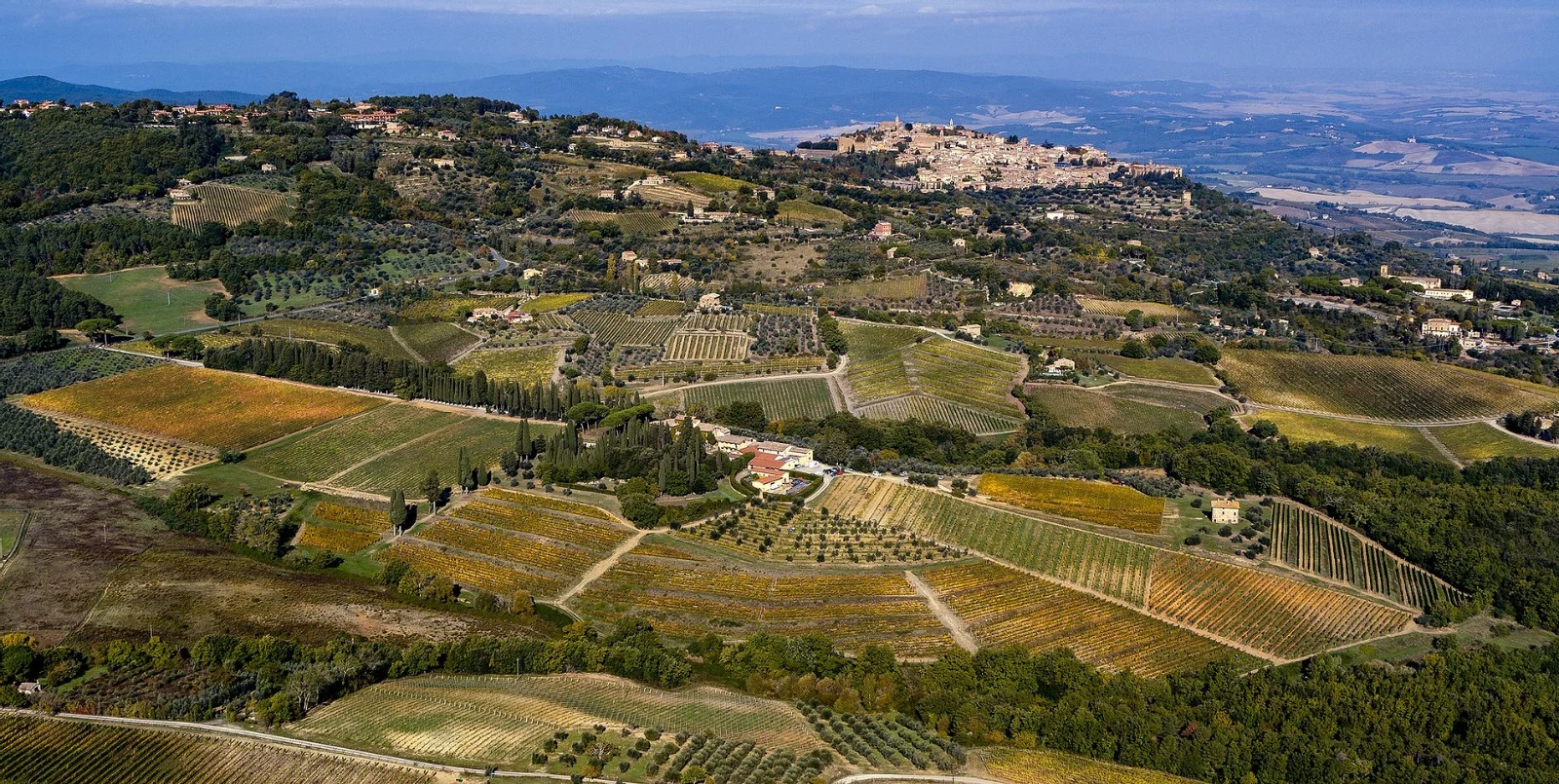
| Biondi-Santi Tenuta Greppo | Montalcino |
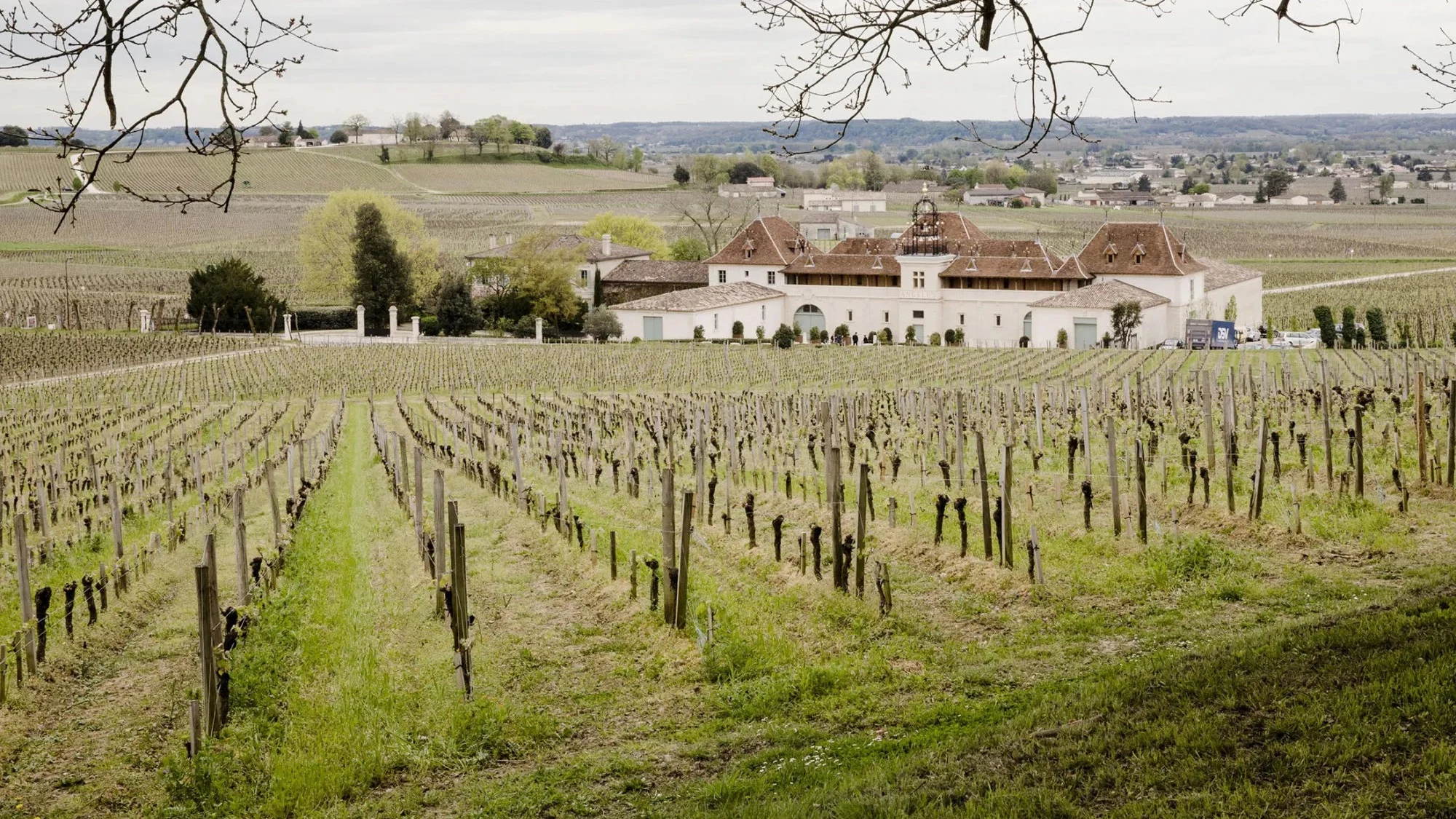
| Château Angelus | Saint-Émilion |
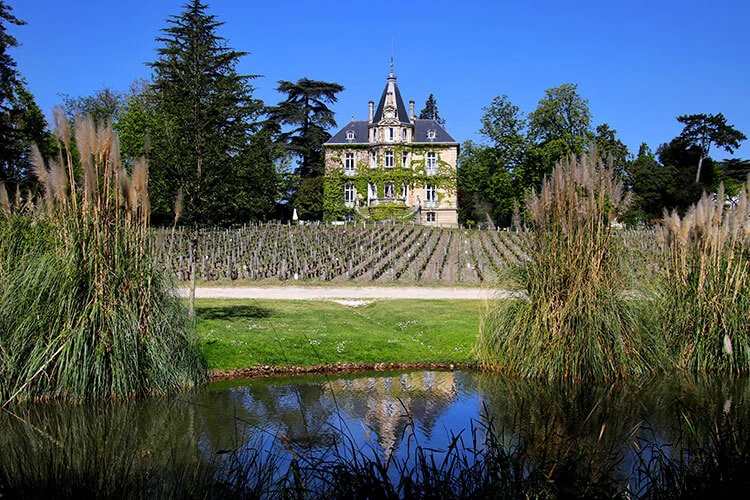
| Château Les Carmes Haut-Brion | Bordeaux |
| Domaine des Comtes Lafon | Meursault |
| Ornellaia | Castagneto Carducci |
| Tenuta San Guido | Bolgheri |