Made ByRestaurant
Casa Julián
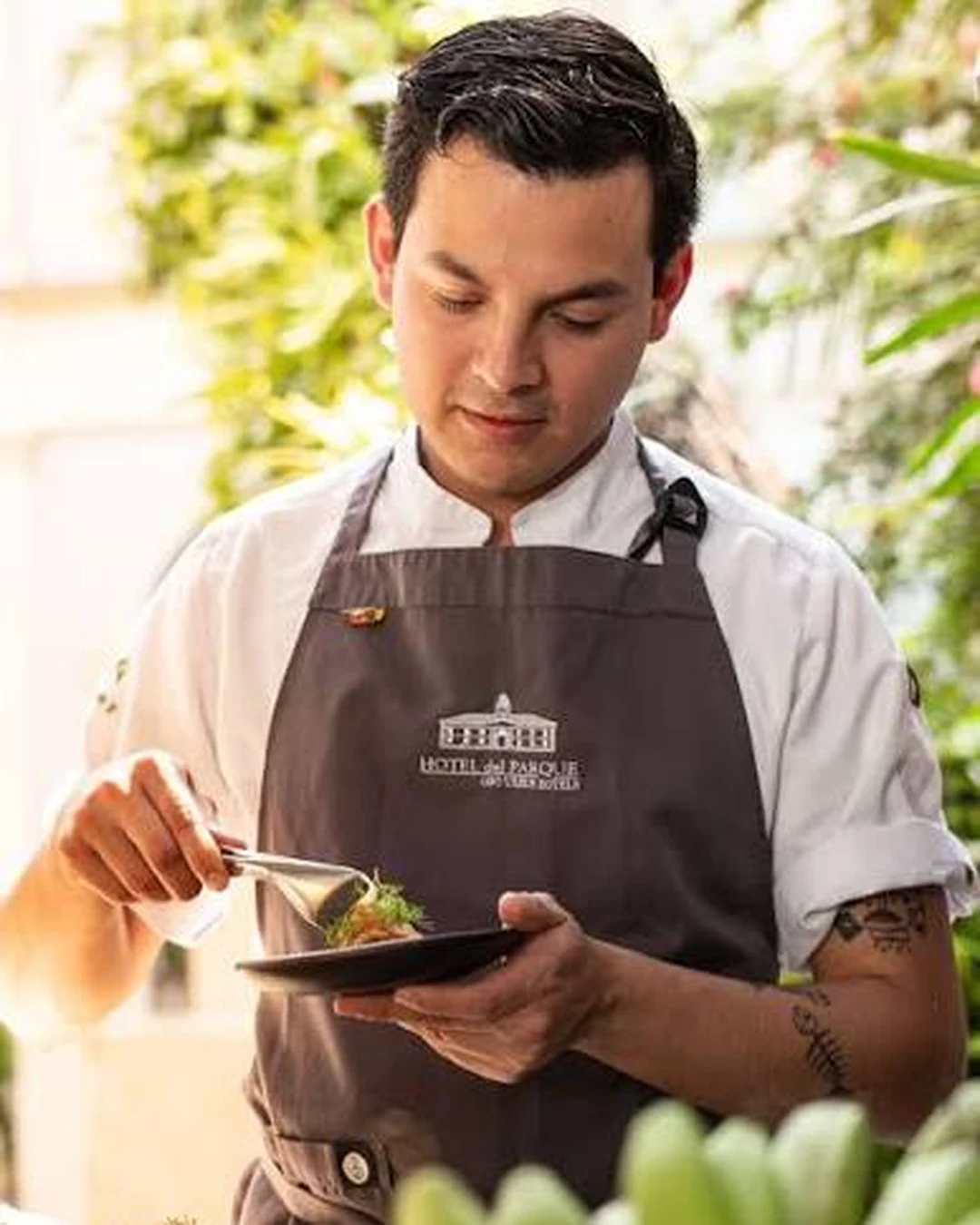
Chef in Residence
Santiago Nieto
Chef
- 01CuisineFine Dining Ecuadorian
- 02CityGuayaquil, Ecuador
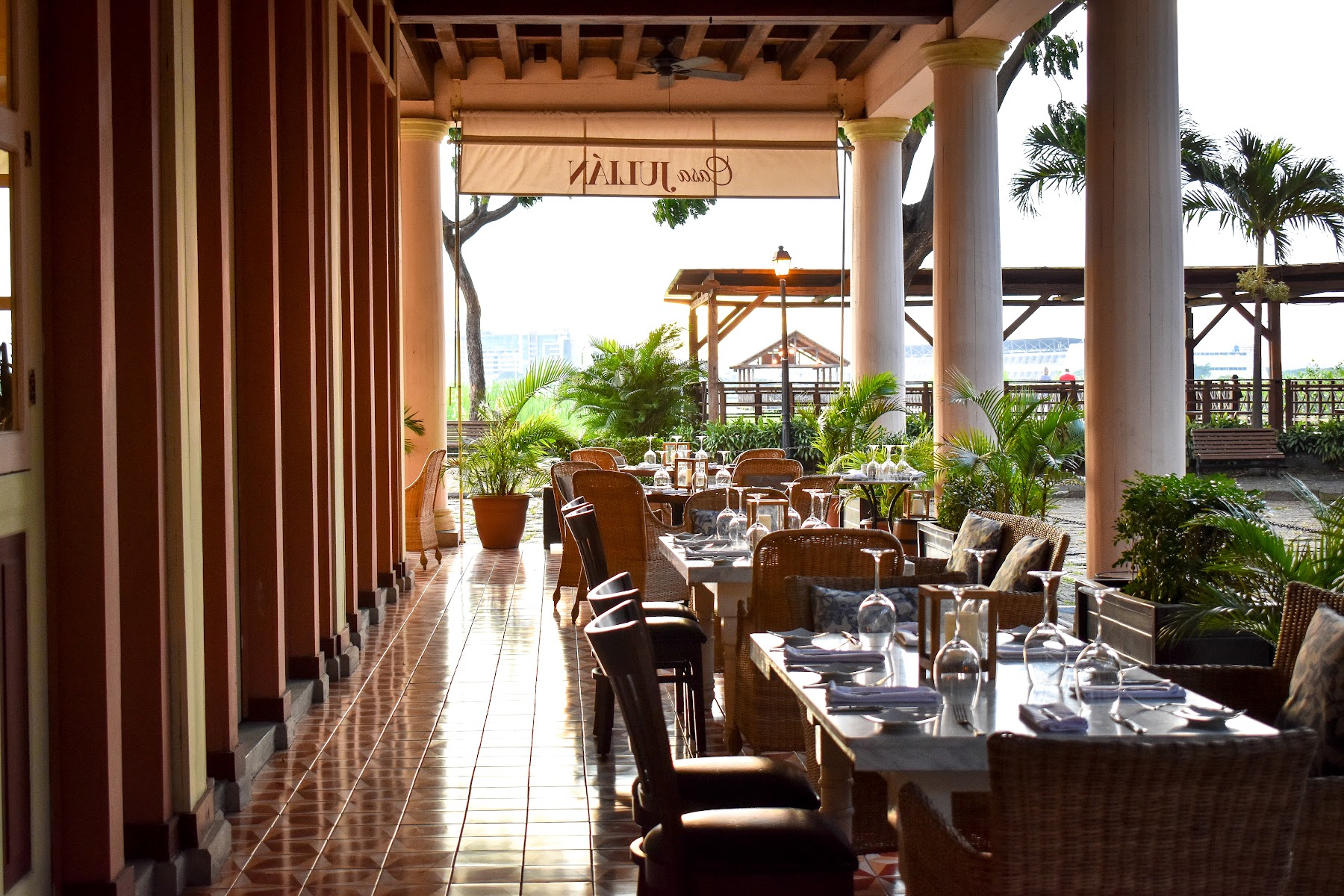
Casa Julián gives Guayaquil’s creative dining conversation a chef-led address rather than a checklist of imported luxury signals. Santiago Nieto’s name supplies the clearest credential here, and the appeal lies in how a contemporary kitchen can interpret Ecuador’s port-city appetite without turning the room into a tourist script.
At a glance
- Cuisine
- Fine Dining Ecuadorian
- Price
- $$$$
- Per person
- $55
- Neighborhood
- Parque Histórico Guayaquil / Samborondón
<p>Approaching a creative restaurant in Guayaquil is not the same proposition as entering one in Quito or Lima. The city’s dining culture is shaped by heat, river traffic, business lunches, coastal seafood habits, and a public that tends to value generosity over ceremony. Casa Julián belongs inside that tension: contemporary enough to sit outside the city’s traditional cevichería-and-grill axis, but still tied to a place where food is judged by rhythm, produce, and confidence rather than theatrical explanation.</p><p>That matters because Guayaquil’s premium dining scene is still more compact than its commercial weight would suggest. The city has long had serious appetite, but much of it has been expressed through seafood restaurants, family tables, and hotel dining rather than chef-driven creative formats. For a wider map of the city, Our full Guayaquil restaurants guide gives useful context, while nearby category guides for Guayaquil hotels, Guayaquil bars, Guayaquil wineries, and <a href="https://www.enprimeurclub.com/experiences/guayaquil">Guayaquil experiences</a> show how the city’s hospitality offer is still sorting itself into clearer tiers.</p><h2>Creative cooking in a port city that usually prizes directness</h2><p>Creative cuisine in Guayaquil has a narrower margin for self-importance than in cities where tasting-menu culture is already a mature habit. Diners here know crab, rice, plantain, citrus, fire, and coastal produce in practical terms. A kitchen working in a contemporary register has to earn attention without losing that local grammar. Casa Julián’s category, listed as Creative, places it in that smaller group of restaurants where technique is expected to do more than decorate familiar ideas.</p><p>The useful way to read the room is not as a break from Ecuadorian dining, but as part of its current expansion. Guayaquil has long been a seafood capital in practice, even when international coverage has looked elsewhere. Restaurants such as <a href="https://www.enprimeurclub.com/restaurants/red-crab-guayaquil-restaurant">Red Crab</a> represent the city’s more direct shellfish tradition, while <a href="https://www.enprimeurclub.com/restaurants/cafe-duport-guayaquil-restaurant">Café Duport</a> and El Jardín point to different social modes of eating out. Casa Julián sits in the chef-led lane, where the question is less volume and more interpretation.</p><h2>Santiago Nieto gives the kitchen its authorial line</h2><p>Santiago Nieto is the central named credential attached to Casa Julián, and that is enough to frame the restaurant through authorship rather than format. In a city where many dining rooms are known by product category or occasion, a chef’s name changes the reader’s expectations. It signals a kitchen making choices about sequence, restraint, and composition, not only sourcing and service.</p><p>The danger with chef-led creative restaurants in emerging premium markets is mimicry: too many imported gestures, too little local consequence. The stronger reading of Casa Julián is that it participates in a broader Ecuadorian shift, where cooks are building contemporary languages from regional products rather than treating those products as folkloric props. That shift can be seen across the country in different registers, from <a href="https://www.enprimeurclub.com/restaurants/banh-mi-quito-restaurant">Banh Mi in Quito</a> to <a href="https://www.enprimeurclub.com/restaurants/capitanco-cuenca-canton-restaurant">Capitan&Co. in Cuenca Canton</a>, and from Samborondón addresses such as Carlo & Carla and Diavolo Rosso to island dining rooms including Ecoventura - Galapagos in San Cristóbal, Evolution Restaurant in Galapagos Islands, and Finch Bay Restaurant in Puerto Ayora.</p><p>That national spread matters for Casa Julián because Guayaquil is often treated as a transit city, especially by travellers moving toward the Galápagos. The better argument is that the city deserves a dining stop on its own terms. Its kitchens understand coastal appetite with a fluency that inland cities cannot simply copy. A creative restaurant here has access to a demanding local reference point: diners who know when seafood has been overworked, when sweetness has dulled a sauce, and when technique has replaced pleasure.</p><h2>How to place it in an Ecuador itinerary</h2><p>Casa Julián makes the strongest case for travellers who want a chef-led meal in Guayaquil rather than another category restaurant chosen by default. It is not the address to use as a survey of every Ecuadorian staple, nor should it be judged against casual institutions such as Hornados Dieguito in Los Chillos, where tradition is the point. Its value is in showing how Guayaquil’s dining culture can move beyond abundance without abandoning the coastal instincts that give the city its authority.</p><p>For international readers, the closest comparison is not a named peer in Guayaquil but a category: contemporary creative restaurants in secondary business cities, where ambition has to coexist with local dining habits. The same logic explains why creative kitchens abroad, including ¡Toma!, Creative in Liège and 100/200 Kitchen, Creative in Hamburg, read differently from capital-city flagships. Context decides the level of risk a restaurant can take.</p><p>The editorial verdict is measured but clear: Casa Julián is a useful lens on Guayaquil’s current dining evolution. Its significance comes from category, city, and chef authorship rather than from a public list of awards or a loudly codified format. For travellers building an Ecuador route, it belongs in the Guayaquil portion of the plan when the goal is to understand how the country’s coastal capital is translating appetite into contemporary cooking.</p>
Know before you go
- Dress code
- business_casual
- Reservations
- recommended
- Parking
- garage_nearby
- Payment
- cash, credit_card, debit_card, contactless
- Outdoor seating
- Yes
- Groups
- Welcomed
Frequently asked
Can I bring kids to Casa Julián?
Casa Julián in Guayaquil is a chef-led creative restaurant under Santiago Nieto, so it suits children who can sit through a structured meal. The format matters more than a kids’ menu here, and that usually makes it a stronger fit for older children than for very young diners.
What's the overall feel of Casa Julián?
The overall feel is chef-driven and contemporary rather than casual, shaped by its creative cuisine and Santiago Nieto’s name on the door. In Guayaquil, that gives it the tone of a destination dinner rather than an easy drop-in spot.
Is Casa Julián Michelin-listed?
Casa Julián has received recognition including: Gain access to some of the most difficult to book restaurants in the world and dine better than you ever have before. Casa Julián - Sta. Klara Kalea, 6, 20400 Tolosa, Gipuzkoa, Spain.
What's the cuisine at Casa Julián?
Casa Julián serves Creative cuisine.
Is there a head chef associated with Casa Julián?
The chef associated with Casa Julián is Santiago Nieto.
How it compares
- Awards
- —
- Price
- $$$$
- Notes
- Parque Histórico Guayaquil / Samborondón, Fine Dining Ecuadorian
- Awards
- —
- Price
- $$
- Notes
- Urdesa, Ecuadorian Crabhouse Seafood
- Awards
- —
- Price
- $
- Notes
- Aeropuerto José Joaquín de Olmedo, Local and International Airport Café
- Awards
- 4 recognitions
- Price
- $$$
- Notes
- Samborondón, Contemporary Ecuadorian Fine Dining
- Awards
- 1 recognition
- Price
- $$$$
- Notes
- San Cristóbal, Modern Ecuadorian Fine Dining with Seafood Focus
- Awards
- —
- Price
- $$
- Notes
- Maldonado, Modern Ecuadorian Gastro-Picantería
In residence
Similar places
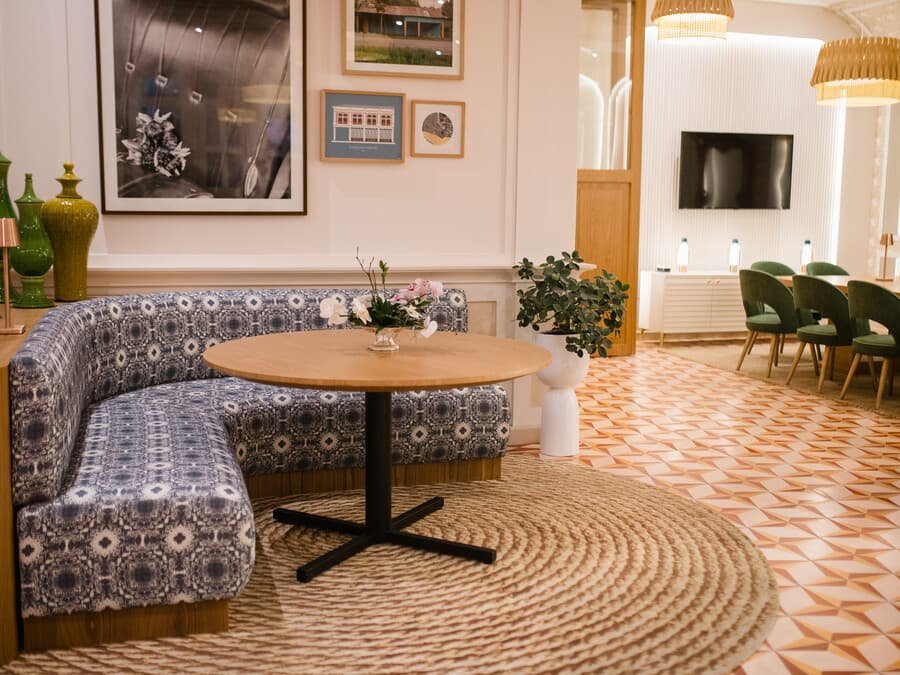
Contemporary Ecuadorian Fine Dining
Casa Julián
Guayaquil, Ecuador
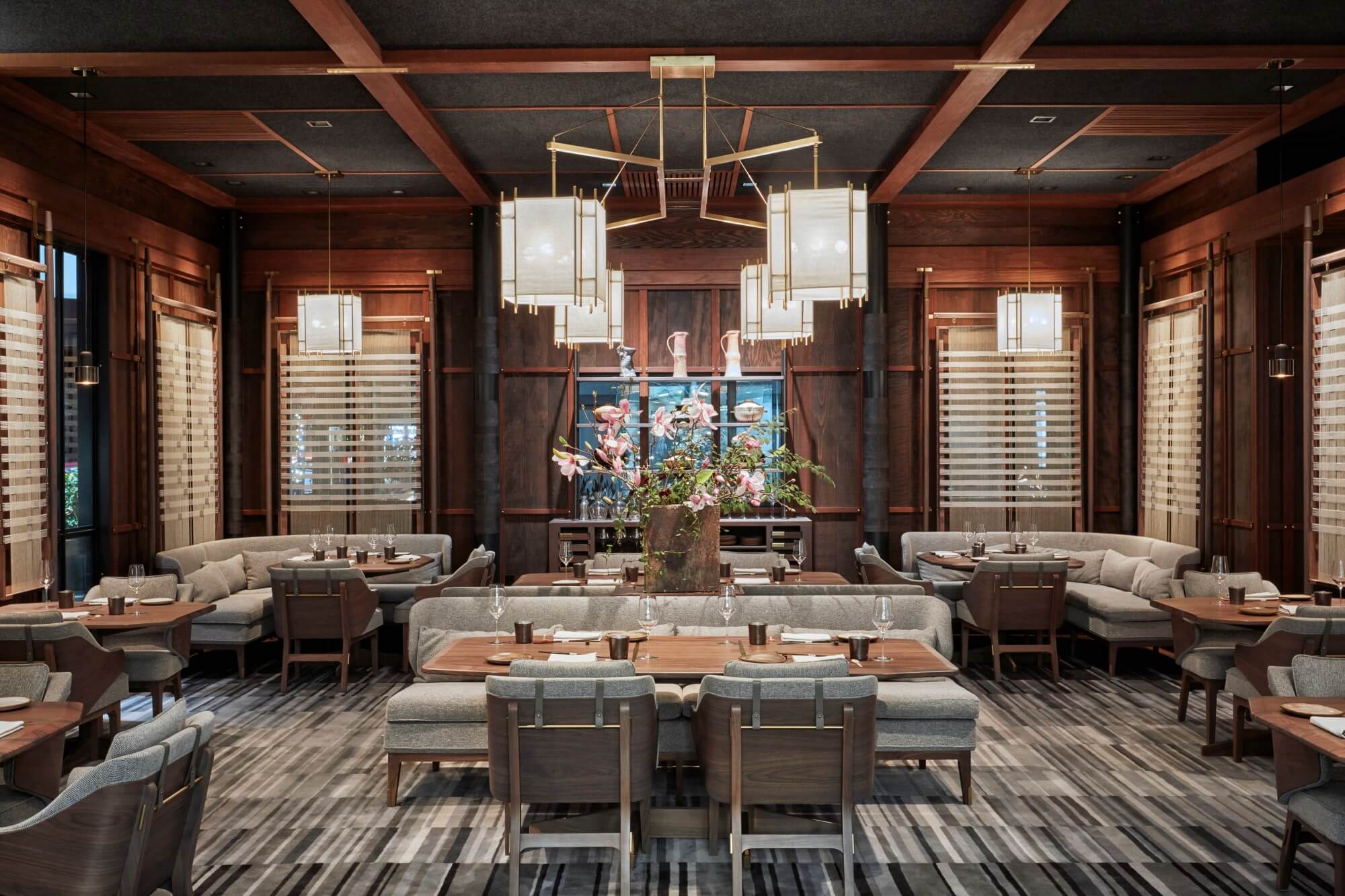
Japanese-influenced Californian Kaiseki
Single Thread Farm
Healdsburg, United States
★★★ · 50 Best
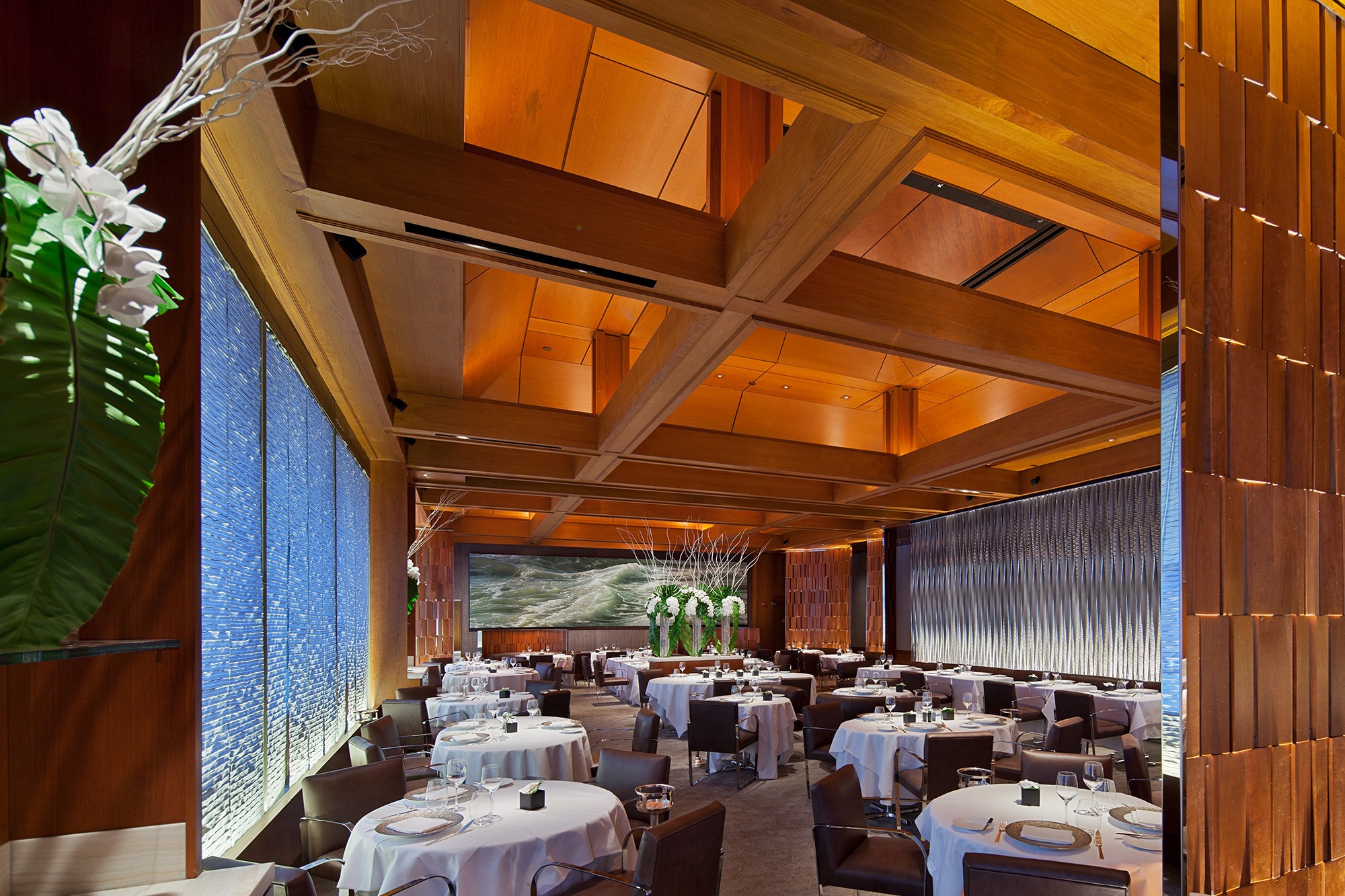
French Seafood Fine Dining
Le Bernardin
New York City, United States
★★★ · 50 Best
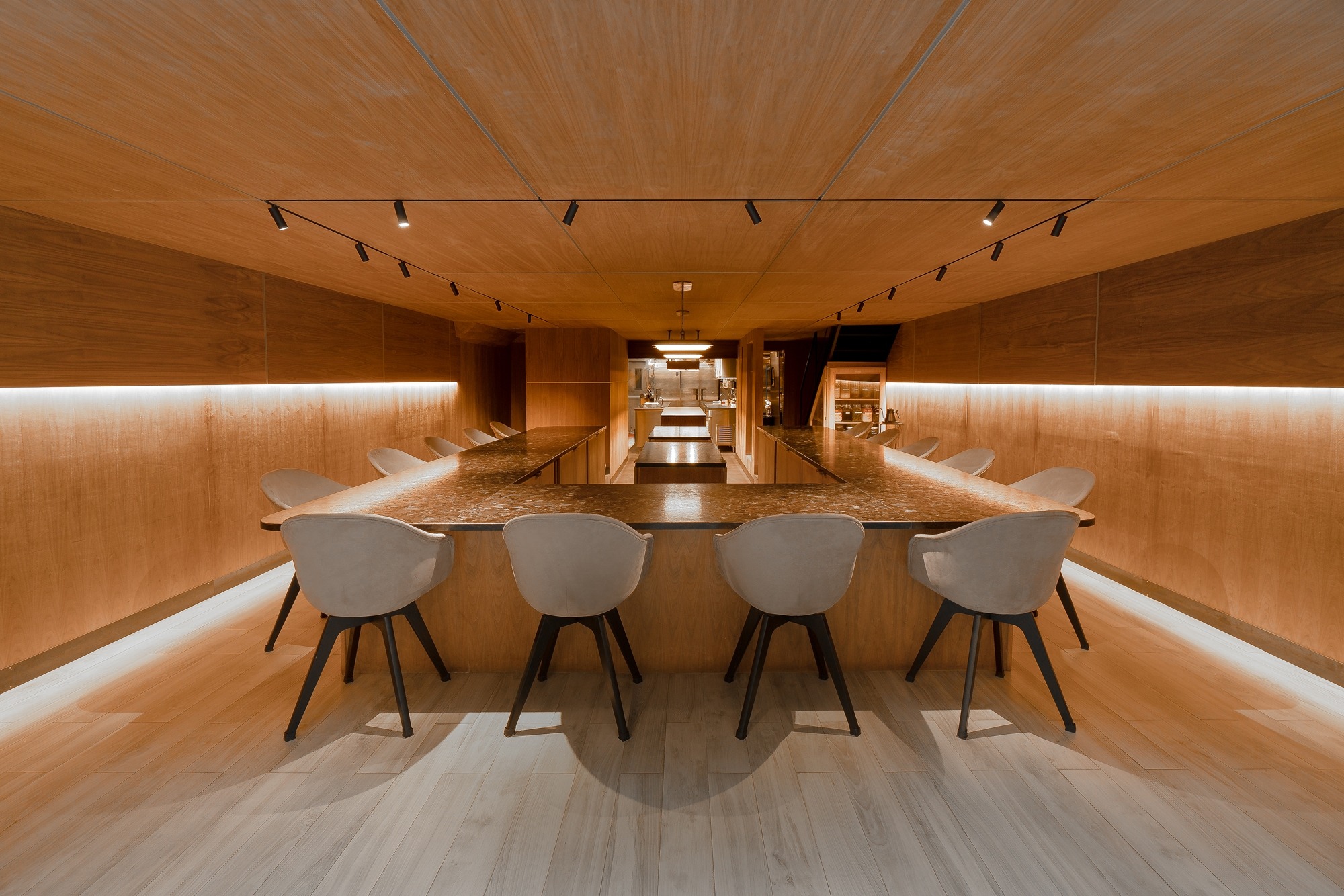
Modern Korean Tasting Menu
Atomix
New York City, United States
★★ · 50 Best
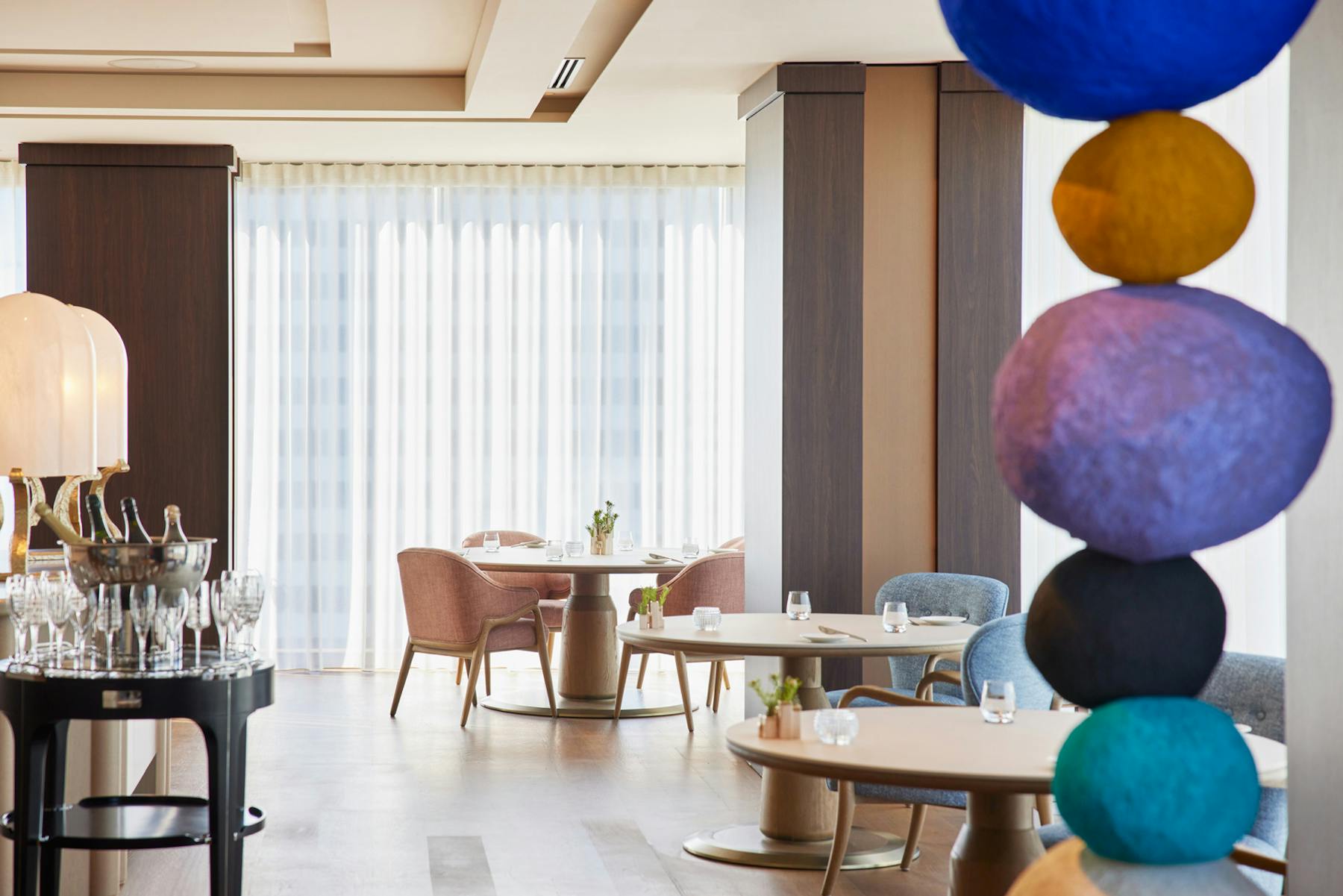
French
Sézanne
Tokyo, Japan
★★★ · 50 Best
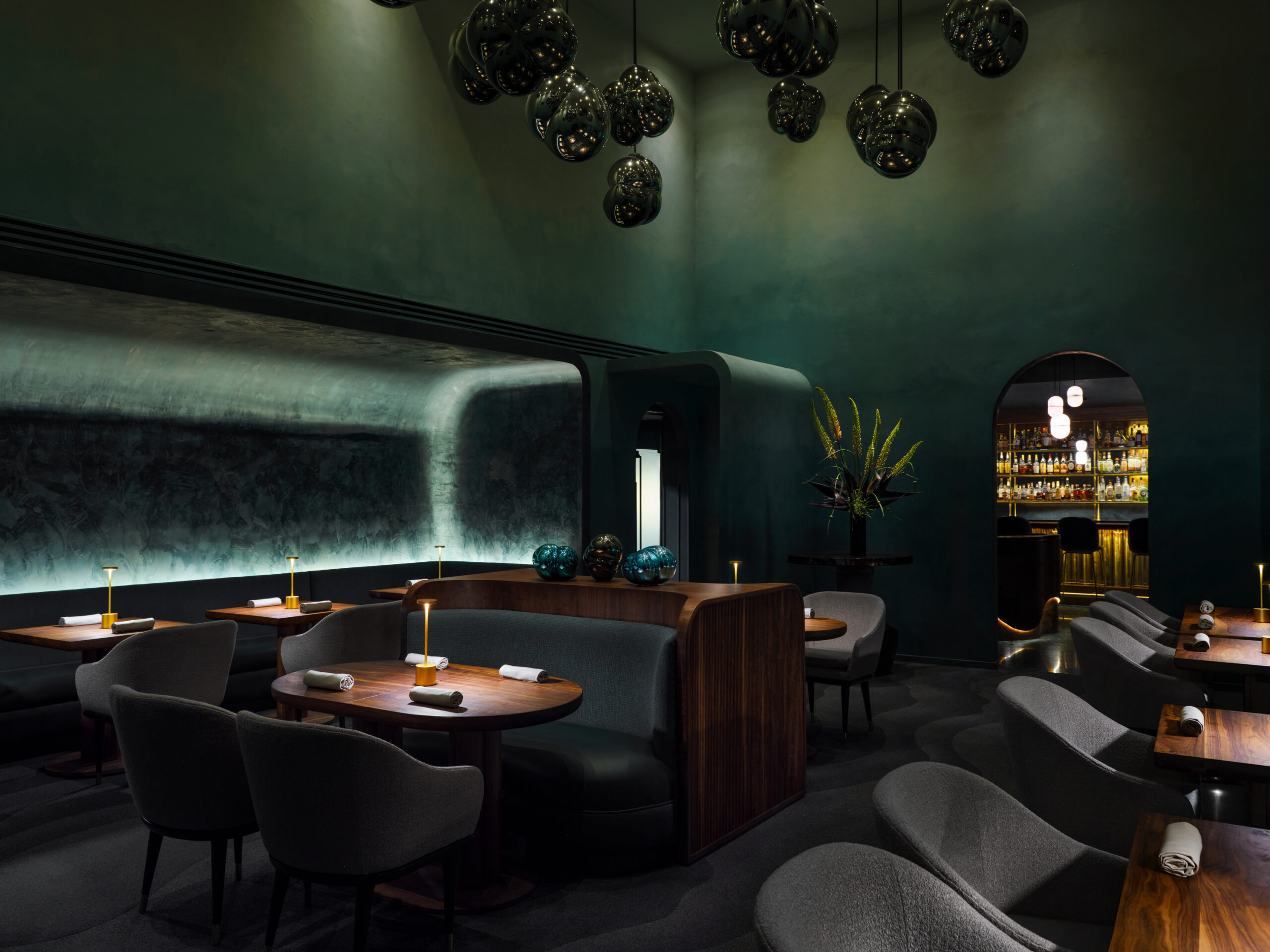
Modern Seafood Fine Dining
Providence
Los Angeles, United States
★★★ · 50 Best