- Falstaff Winery - Listed · 2026
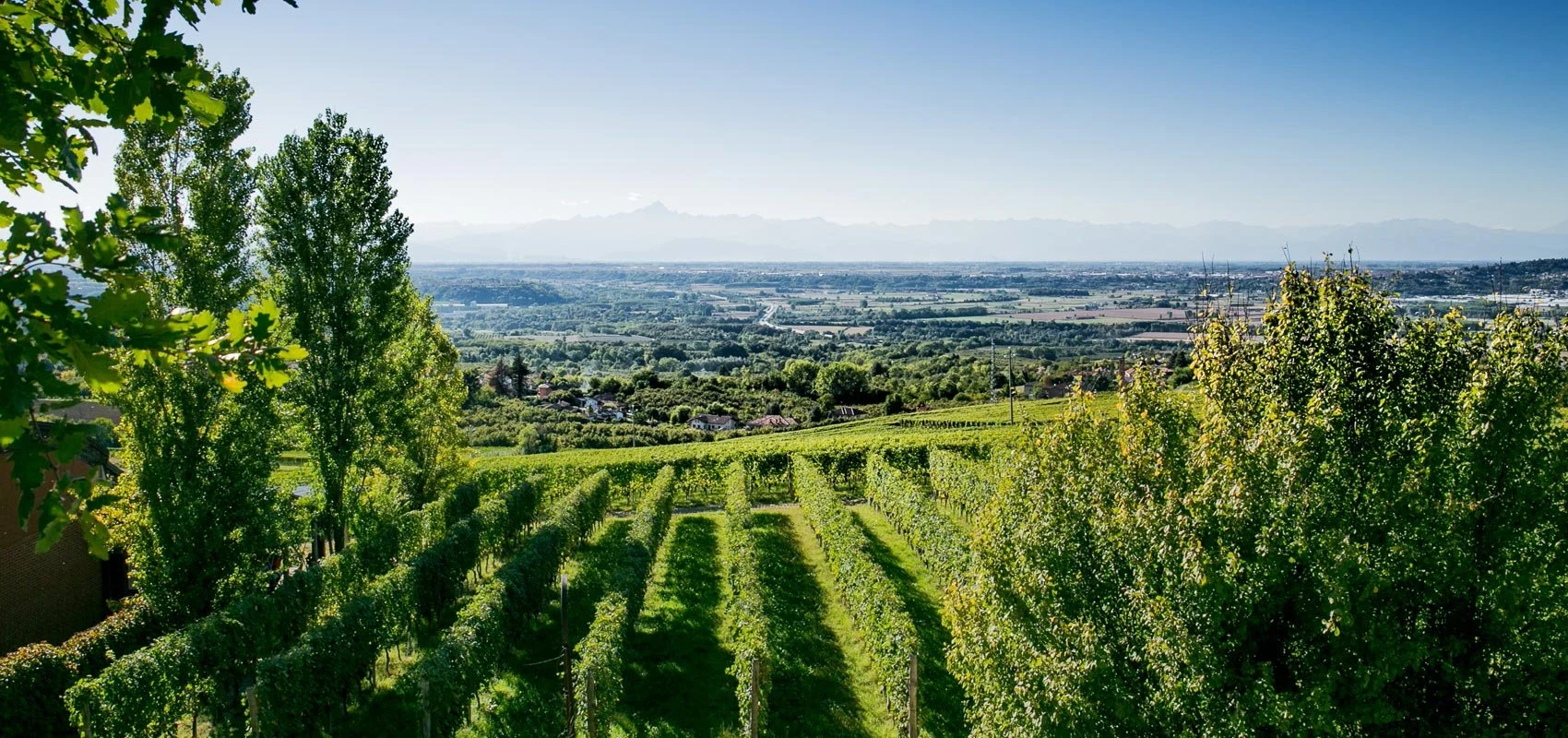
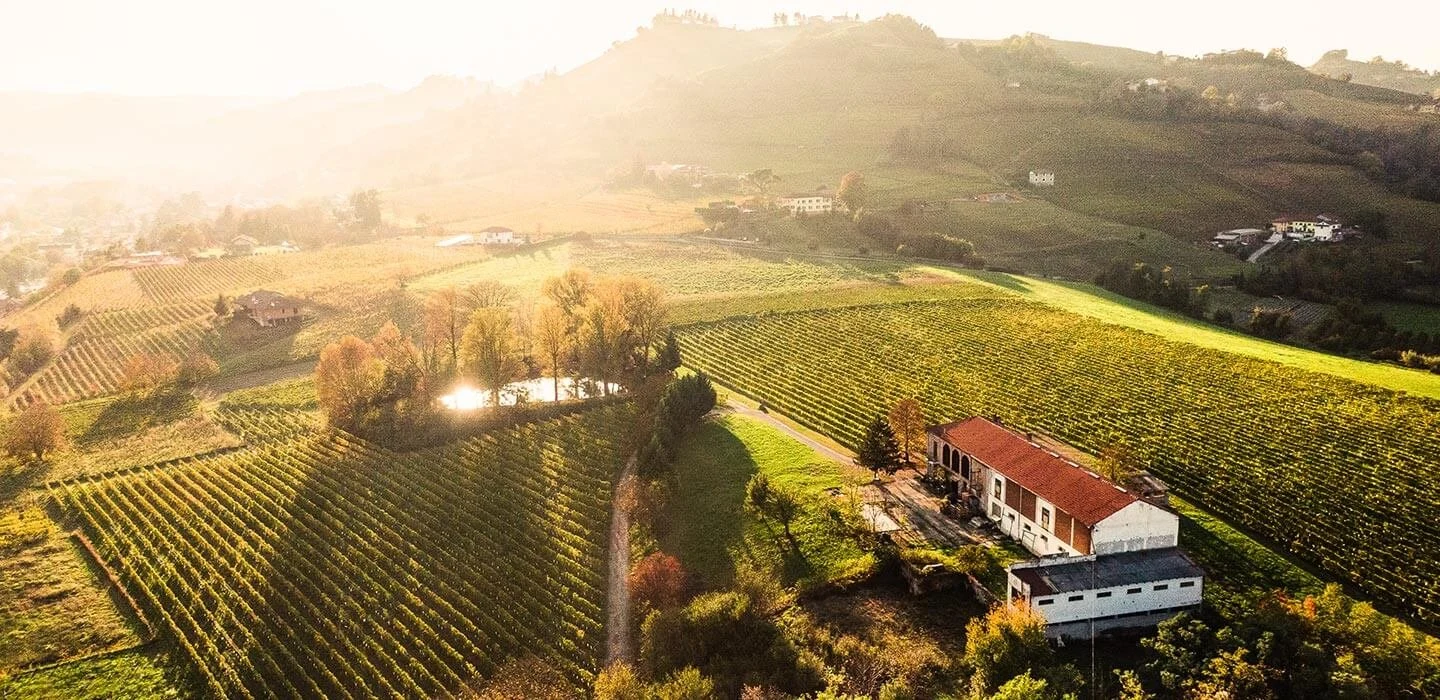
Approaching wine in Santo Stefano Belbo means reading the hills first. This is Moscato country, where vineyards sit between Monferrato, Langhe and Roero, and the cultural weight of Cesare Pavese still gives the landscape a literary charge. Casa Vinicola Abbazia belongs to that setting: a family-run producer tied to a historic Benedictine abbey site, with vineyard and hill views that place the visit inside Piedmont’s UNESCO-recognized wine country rather than in a showroom detached from its ground.
The useful way to understand the estate is through scale meeting inheritance. Its roots go back to 1848, a date that matters in a zone where sparkling wine became part of the local identity rather than an export afterthought. The Santero family history, the abbey origin and Santo Stefano Belbo’s position in Asti territory give the winery a layered context, but the more telling signal is production discipline: estate vineyards cover about 60 hectares, supplemented by local growers, with total grape processing above 2,000 tons a year. This is not a tiny cellar built around scarcity. It is a large Piedmontese sparkling-wine house operating from a village whose reputation is still tied to slope, soil and aroma.
Limestone, marl and the Piedmontese logic of aromatics
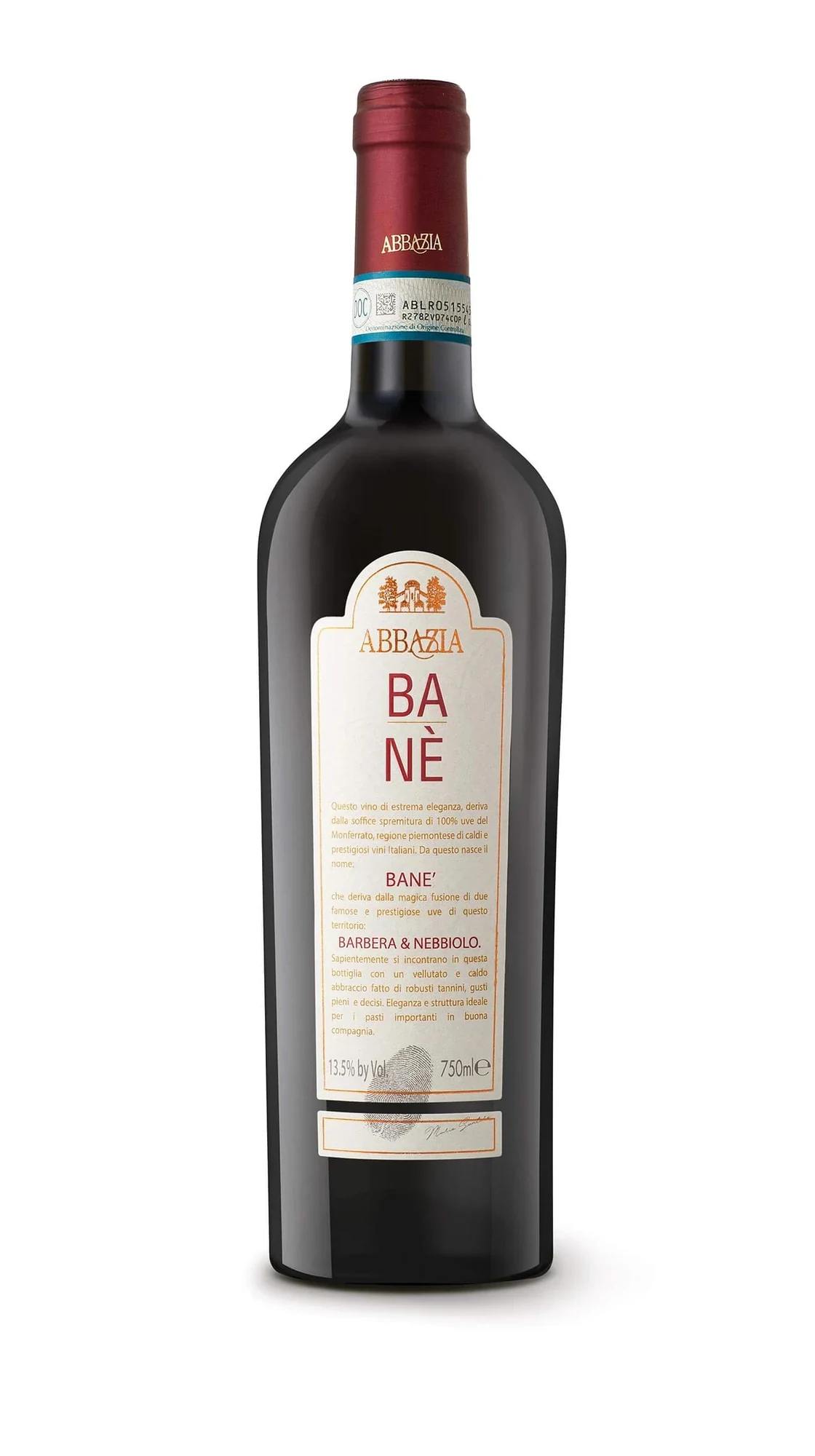
The land explains the portfolio better than any branding line. Warm, sun-exposed slopes and soils of limestone, clay marl and sand veins are a natural fit for Moscato, while Barbera, Nebbiolo and Chardonnay broaden the cellar beyond the sweet-sparkling shorthand often attached to the area. In Asti DOCG territory, Moscato is not a dessert-wine footnote; it is a regional language built around perfume, ripeness and lift. Casa Vinicola Abbazia works within that language while also producing still reds, still whites, rosé and dessert styles.
House’s membership in the Consorzio di Tutela del Prosecco DOC and the Consorzio dell’Asti DOCG matters because it places the winery inside two regulated sparkling-wine systems rather than the looser category of generic Italian fizz. Its Contessa Chiara Prosecco DOC received 86 points from Wine Enthusiast in the finest of the Year 2025, a modest but useful external marker for a producer whose identity is more about consistency and reach than cult allocation. The cellar’s conventional production philosophy and large scale make sense in this frame: the goal is recognisable regional style across volume, not micro-cuvée mythology.
For travellers building a wine itinerary around Santo Stefano Belbo, the better comparison is not between luxury and simplicity but between intimate grower visits and heritage producers with broader distribution. Casa Vinicola Abbazia sits in the latter camp. That does not make it less rooted; it means the visit is a window onto how Piedmontese sparkling wine moves from hillside agriculture into international circulation.
An abbey site in a village shaped by wine memory
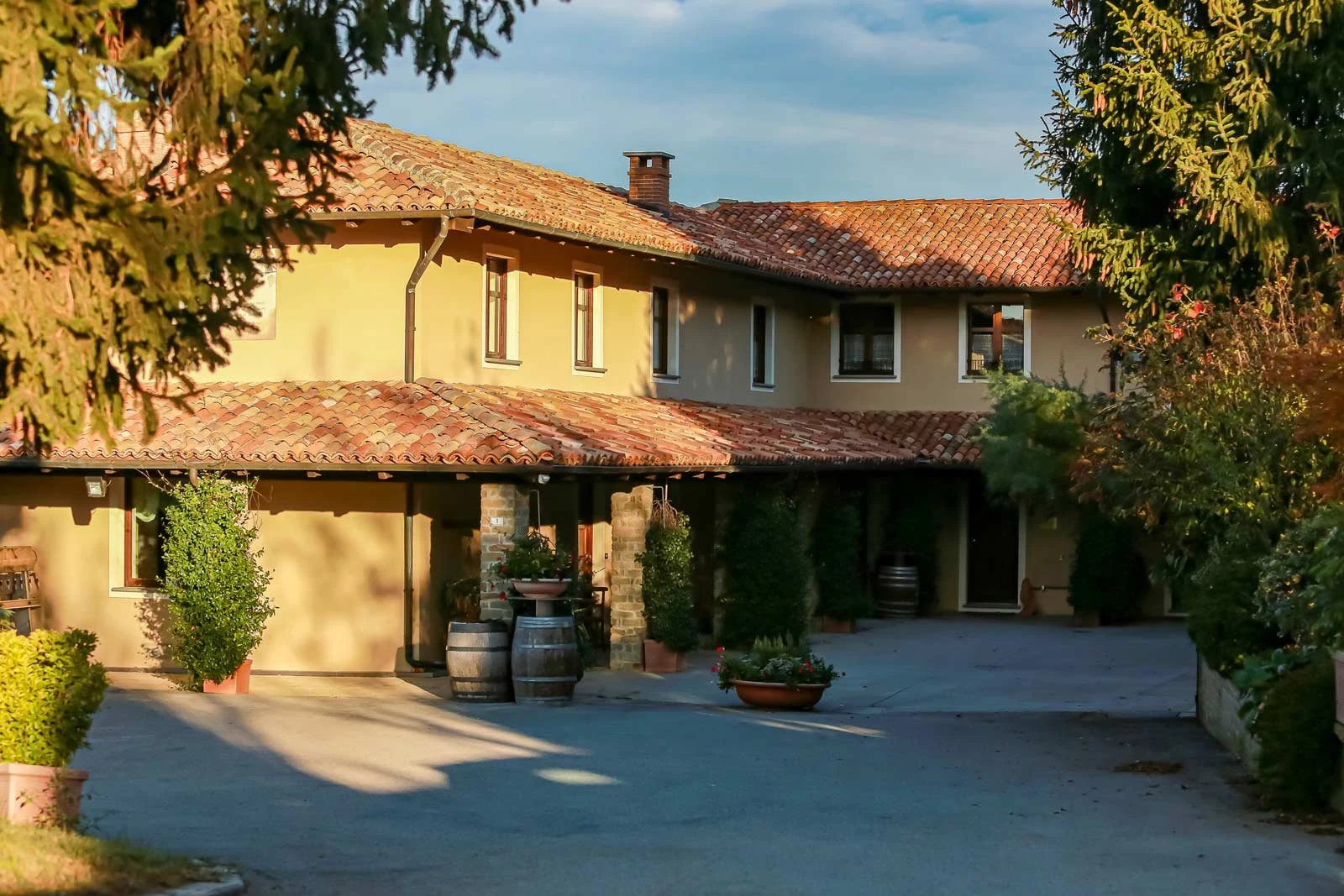
The abbey backstory gives the estate its architectural and cultural hook. The winery is associated with the Abbazia di San Gaudenzio, a Benedictine origin that predates modern wine tourism and adds depth to the usual vineyard panorama. Santo Stefano Belbo itself gives the visit another register: Pavese was born here, and his writing helped fix these hills in the Italian imagination as emotional terrain, not just agricultural land. That matters because wine travel in this part of Piedmont is strongest when it resists the tasting-flight checklist and lets literature, farming and village history overlap.
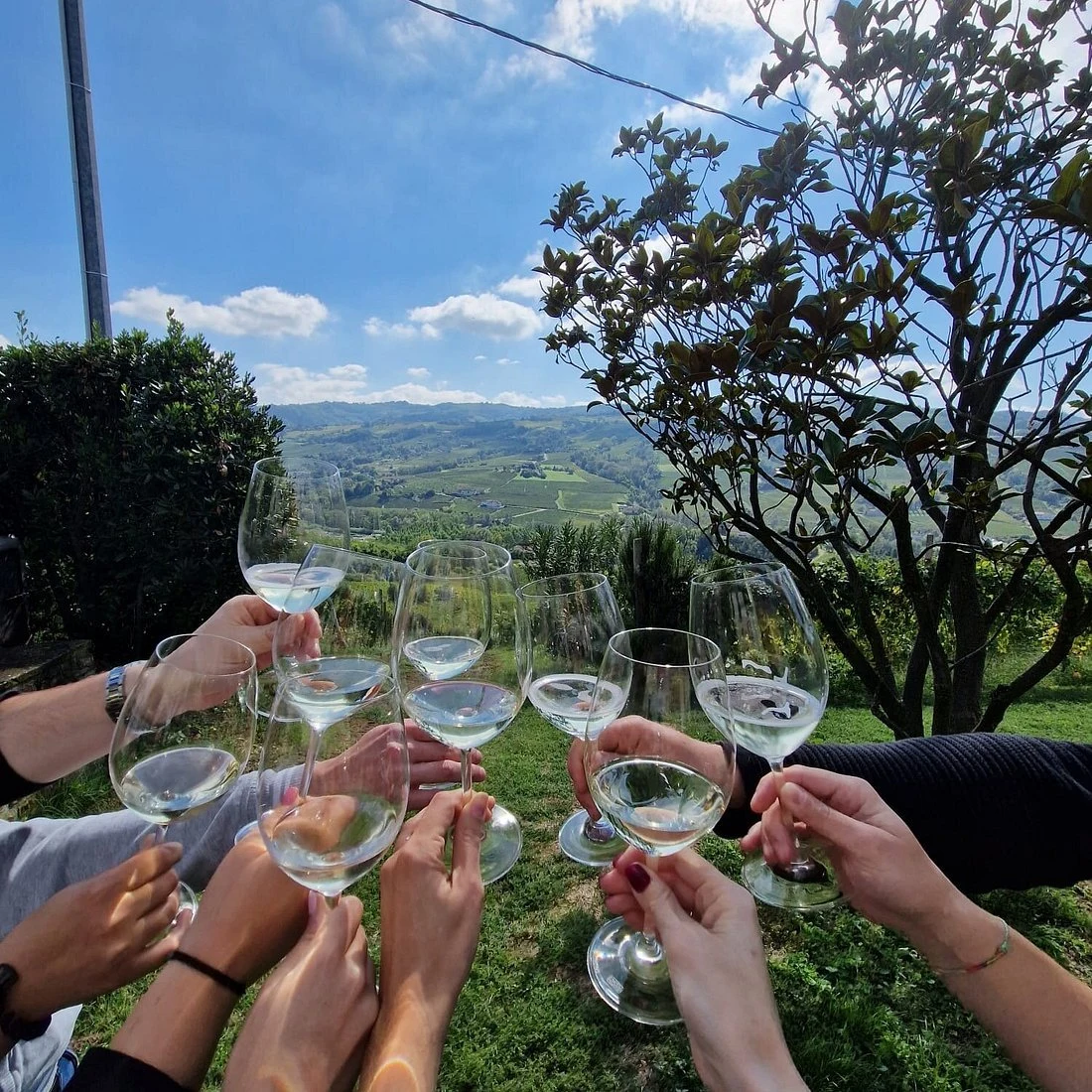
Hospitality here is casual in character and well suited to groups, families and visitors using the town as a wine-education stop rather than a formal cellar appointment. The experience tags point toward vineyard touring, estate grounds and a historic building; the atmosphere is quiet, rustic and romantic without requiring ceremony. There is no wine club structure to decode, and allocation is open, which reinforces the point: this is a producer meant to be encountered through place, production and regional context, not through scarcity signals.
That position is useful for a Santo Stefano Belbo day. Smaller nearby winery stops can sharpen the grower perspective, while a producer of this scale shows how the same hills support a broader sparkling-wine economy. Readers planning around the village can widen the route through Azienda Agricola 499, BelColle - Bosio, Beppe Marino, Bosio Family Estates and Ca' D'Gal, then use our full Santo Stefano Belbo wineries guide to keep the route coherent.
How to place it in a Santo Stefano Belbo itinerary
Casa Vinicola Abbazia works well as a grounding stop for travellers who want to understand Asti DOCG, Moscato-led territory and the mechanics of a family producer that has moved beyond local scale. Its setting, varietal range and abbey association give enough context for first-time Piedmont visitors, while the production figures make it more instructive than a purely scenic tasting. The strongest reason to go is not rarity; it is the chance to see how a historic Santo Stefano Belbo address connects vineyard, regulated appellation and commercial sparkling-wine production.
Plan the surrounding day with the village rather than a single cellar as the unit. Santo Stefano Belbo rewards slow routing: winery visits, a meal, a drink stop and enough time to absorb the hill country that shaped both the wines and Pavese’s sense of place. For the broader trip, pair the winery route with our full Santo Stefano Belbo restaurants guide, our full Santo Stefano Belbo hotels guide, our full Santo Stefano Belbo bars guide and our full Santo Stefano Belbo experiences guide. Travellers comparing Italian and European winery styles can also look beyond Piedmont to 3GP SRL in Treviso, 47 Anno Domini in Trebaseleghe, A Mano Wine in Noci, »der Steiner« Hans Steiner in Podersdorf am See and & Handwein in Mannheim.
Questions
Frequently asked
Who works at Casa Vinicola Abbazia?
Made By profiles Mario Santero (Winemaker) at Casa Vinicola Abbazia.
How expensive is Casa Vinicola Abbazia?
Casa Vinicola Abbazia is listed at a price level of $$.
The field
How it compares
| Place | Notes |
|---|---|
| Casa Vinicola Abbazia | Santo Stefano Belbo, $$ |
| Beppe Marino | Santo Stefano Belbo |
| Bosio Family Estates | Santo Stefano Belbo |
| Ca' D'Gal | Santo Stefano Belbo |
| Fabrizio Ferrero | Santo Stefano Belbo |
| Marcalberto | Santo Stefano Belbo |
| Tenuta il Falchetto | Santo Stefano Belbo |