- Falstaff Winery - Listed · 2026
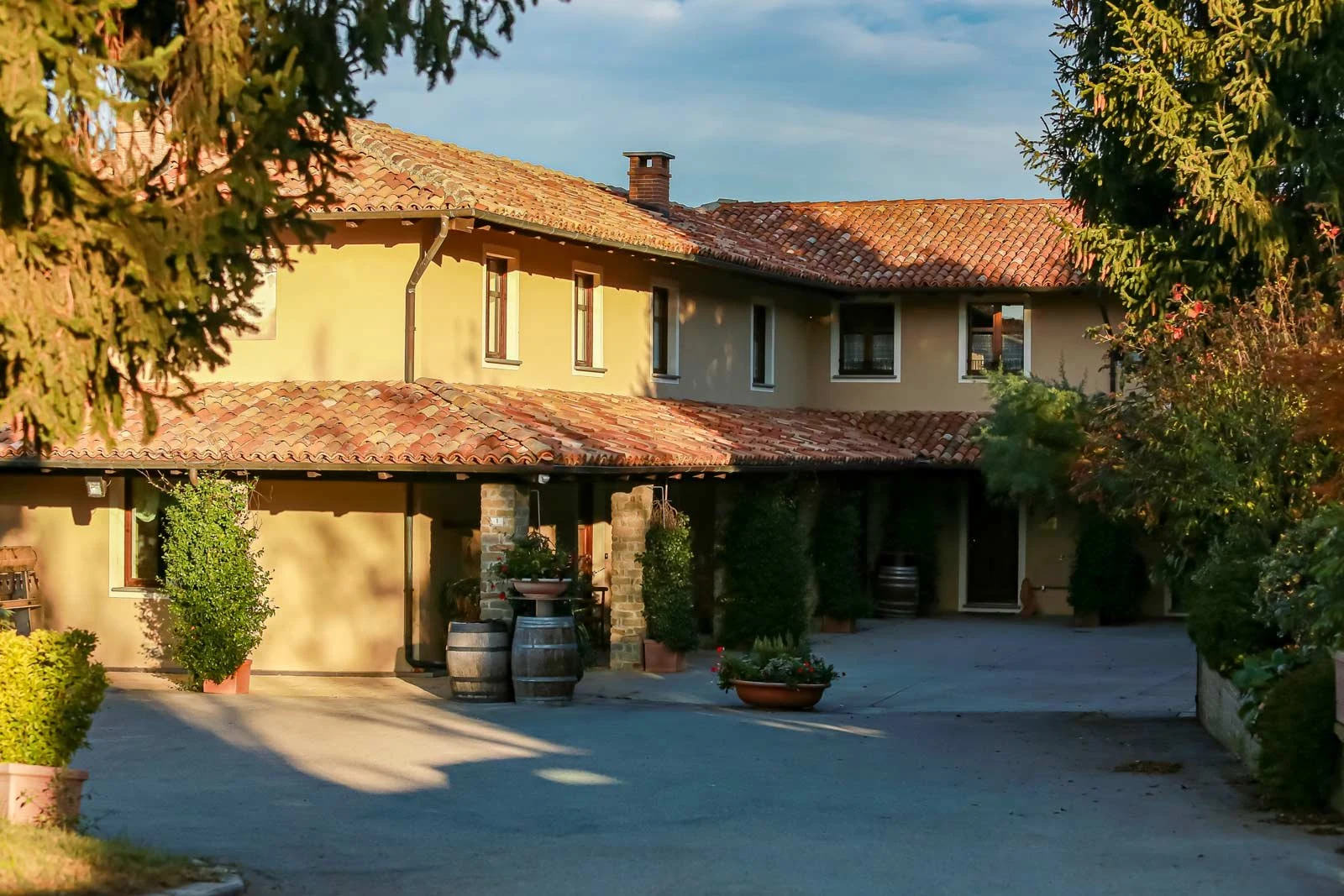
Approach Fabrizio Ferrero in Santo Stefano Belbo as a quiet, rustic winery rather than a venue built around spectacle. The picture is simple and intentionally modest: a family-run producer with a quality-focused, technical cellar approach and a low-yield philosophy aimed at making high-quality Moscato wines. For travelers, the appeal is in that focused identity, not in claims about a formal tasting format, awards, or a broad hospitality program. It is the kind of place to understand through restraint: a winery whose interest lies in a clear production philosophy and a local Moscato context, rather than in a long list of visitor-facing amenities.
Moscato focus in Santo Stefano Belbo
Fabrizio Ferrero is best understood through its emphasis on Moscato. The winery is described as family-run and quality-minded, with technical cellar work and low yields forming the core of its approach. Those details point to a producer that values control, restraint, and grape quality rather than scale or showmanship. In practical terms, that means the most useful way to read the venue is not as a broad wine attraction, but as a focused producer whose identity is closely tied to one of Santo Stefano Belbo’s defining grapes.
Because the information is intentionally narrow, it is better not to overstate the experience. Specific claims about cellar equipment, fermentation methods, appellation labels, visiting arrangements, or individual bottles are not confirmed here. What can be said with confidence is that Fabrizio Ferrero is a Santo Stefano Belbo winery associated with Moscato and a technical, quality-focused production philosophy. That limited but coherent set of facts is enough to give the venue a clear shape, while still leaving the practical details to be confirmed directly before planning a visit.
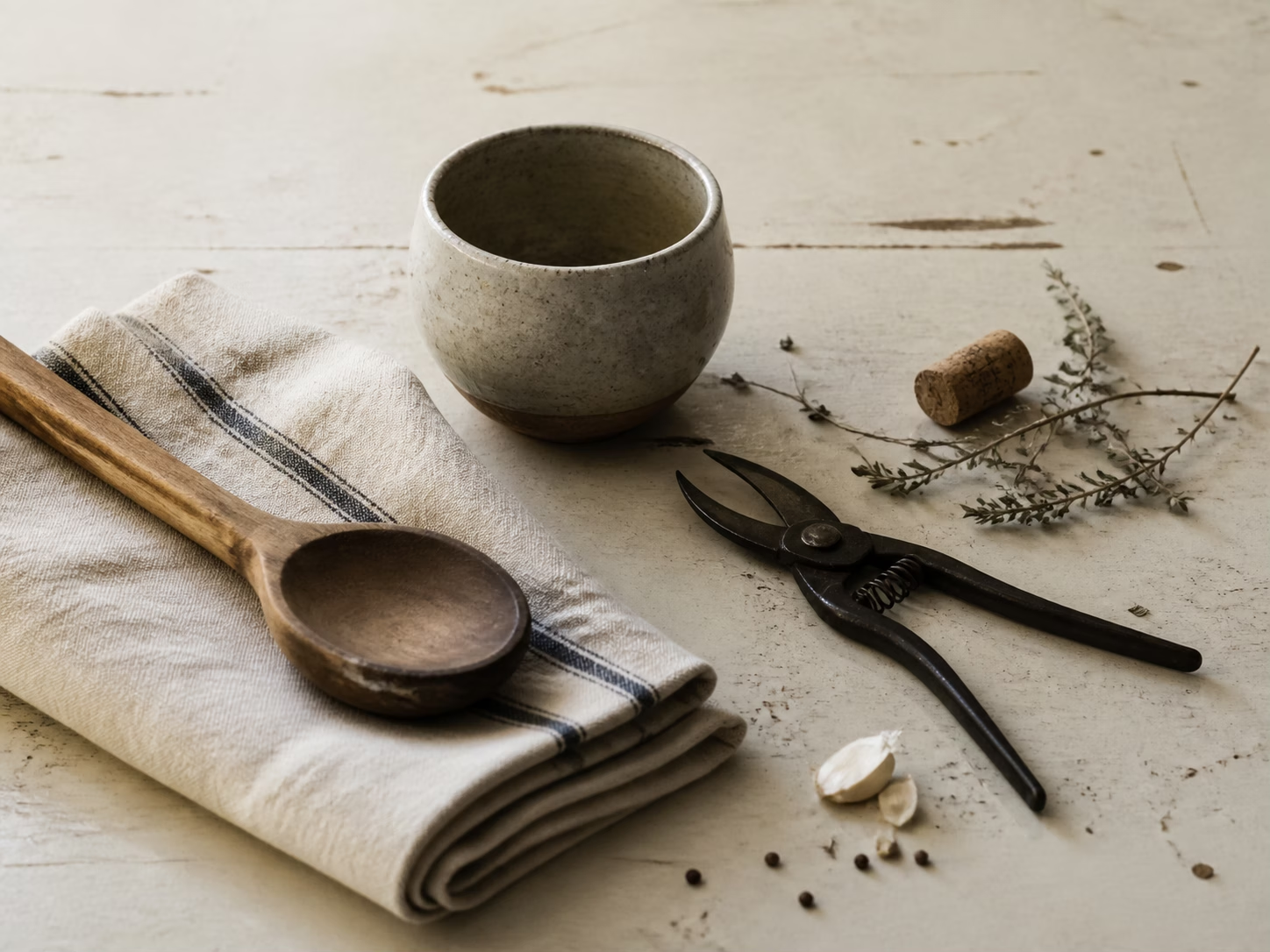
The tone is also part of the draw. The venue is characterized as quiet, rustic, and understated, which makes it feel more like a small producer to seek out deliberately than a high-profile stop built around luxury presentation. That matters because expectations shape the experience: this is not presented as a polished destination with a heavily packaged narrative, but as a winery whose appeal rests on its family-run character and its disciplined approach to Moscato. For travelers who enjoy less theatrical wine stops, that simplicity can be the main reason to pay attention.
What the land contributes to the glass
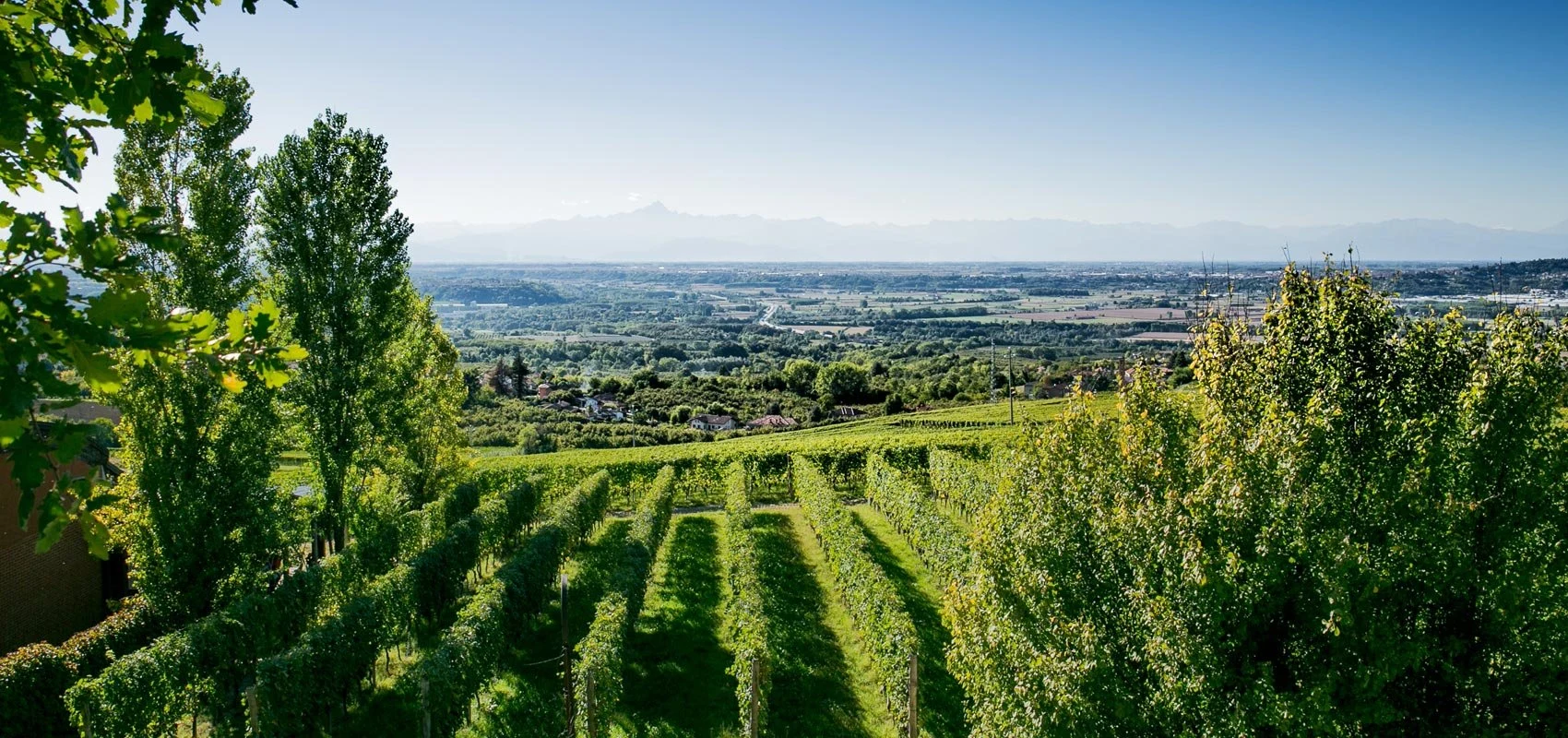
Santo Stefano Belbo is closely associated with Moscato, and Fabrizio Ferrero fits that context through its stated focus on high-quality Moscato wines. The description does not support detailed claims about soils, vineyard exposures, cellar vessels, or specific wine styles, so the most accurate lens is broader: this is a local winery whose identity is tied to Moscato and to a low-yield, quality-first philosophy. Rather than building a story around vineyard details, it is better to keep the emphasis on the connection between place, grape, and production intent.
That low-yield idea is important because it signals a way of thinking about wine quality without needing to make more specific claims than the information allows. In the context provided, it suggests attention to concentration, selection, and careful production choices, all framed by a technical cellar mindset. It does not, by itself, tell travelers exactly what they will taste or how a visit will unfold, but it does indicate that Fabrizio Ferrero should be understood as a producer concerned with quality over volume.
That restraint matters for planning. Visitors looking for a producer with a quiet, rustic character may find the description appealing, while those seeking a documented restaurant-style service, a large tasting room, or a confirmed lineup of multiple wines should not assume those details without checking directly. The available information supports a focused expectation: Moscato, family-run production, low yields, and a cellar approach described in technical, quality-minded terms.
The trustworthy hook is the basic one: Fabrizio Ferrero is a family-run Santo Stefano Belbo winery with a technical cellar mindset and a low-yield approach to Moscato. Keeping the frame that simple is not a weakness; it is the most accurate way to describe a venue where the confirmed appeal lies in focus rather than breadth.
How to place it in a Santo Stefano Belbo wine day
This is best framed as a quiet, small-scale winery stop in Santo Stefano Belbo. The mood suggested by the facts is rustic and understated, with interest centered on Moscato, quality-minded production, and the character of a family-run operation. It belongs in an itinerary for travelers who are comfortable with smaller producers and who value a clear wine identity more than a highly structured hospitality setting. The best expectation is a focused winery context, not a comprehensive visitor complex.
For wider context, compare Fabrizio Ferrero with other dining and wine options in Santo Stefano Belbo generically rather than treating it as part of a ranked circuit. Its role is easiest to understand as one quiet expression of the area’s Moscato culture: specific, modest, and rooted in a quality-first philosophy. Before going, confirm practical arrangements directly, because the available description does not establish the details of tastings, service, or scheduling. What it does establish is enough to make the venue legible: a rustic family-run winery in Santo Stefano Belbo, defined by Moscato and by an approach that favors control, low yields, and careful production over spectacle.
Questions
Frequently asked
Who works at Fabrizio Ferrero?
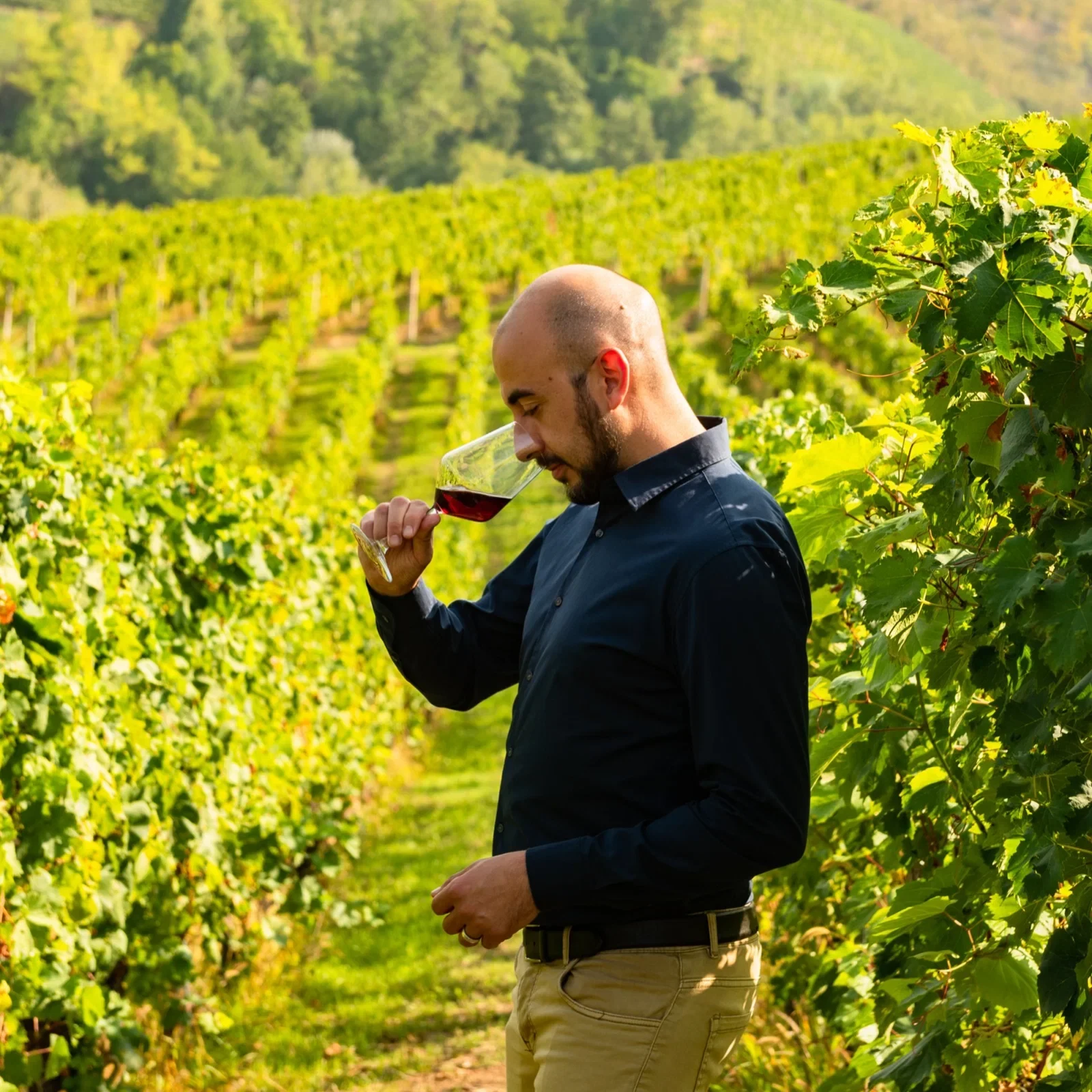
Made By profiles Fabrizio Ferrero (Winemaker) at Fabrizio Ferrero.
How expensive is Fabrizio Ferrero?
Fabrizio Ferrero is listed at a price level of $.
The field
How it compares
| Place | Notes |
|---|---|
| Fabrizio Ferrero | Santo Stefano Belbo, $ |
| Beppe Marino | Santo Stefano Belbo |
| Bosio Family Estates | Santo Stefano Belbo |
| Ca' D'Gal | Santo Stefano Belbo |
| I Vignaioli di Santo Stefano | Santo Stefano Belbo |
| Marcalberto | Santo Stefano Belbo |
| Tenuta il Falchetto | Santo Stefano Belbo |