Biodynamic Gavi from a mixed farm
- Falstaff Winery - Listed · 2026
Taste first, then press
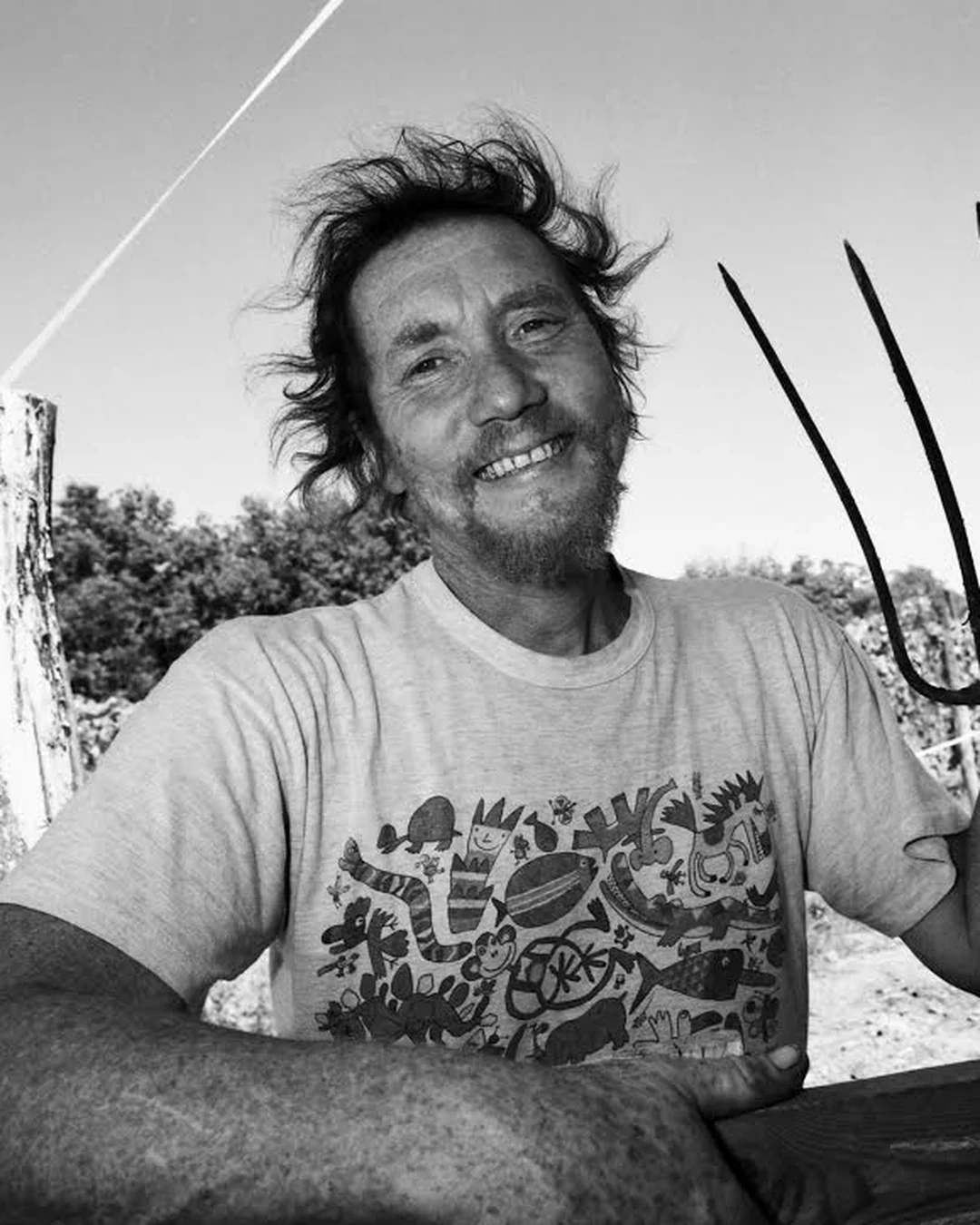
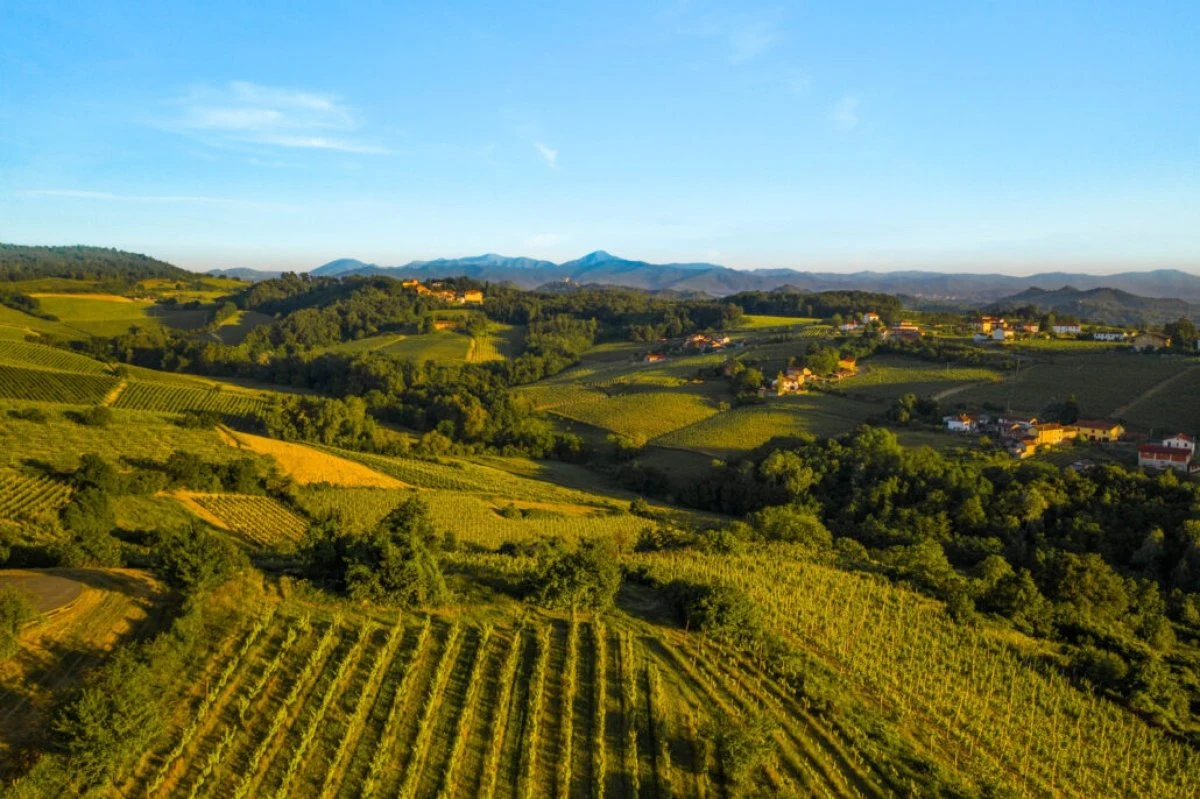
Before Stefano Bellotti direct-presses Riesling as winemaker at Cascina degli Ulivi in Novi Ligure, Italy, he tastes the wines made on that kind of terroir. The order is the point: comparison, reference, then the press. Bellotti began farming here in 1977, on the hills around Novi Ligure in the Gavi zone, and the estate’s language still begins with the same farmer’s premise, that vine, soil, animals, crops, and cellar belong to one working system.
The place is a farm estate before it is a label. Cortese sits at the center because this is Gavi country, but Bellotti works beyond a single regional grammar, with Barbera, Dolcetto, Sauvignon Blanc, Riesling, Verdea, Bosco, Timorassa, Moscatella, and Traminer also part of the holding. His signature bottles, Filagnotti, Montemarino, Mounbè, and A Demûa, give the clearest reading of the hand: texture held in check, variation without disguise, a cellar that does not hurry to impose polish. The apprenticeship named here is the long one, time on the land and in the cellar, with 1977 attached to the work as a marker of duration rather than a line in a résumé.
A farm estate worked biodynamically
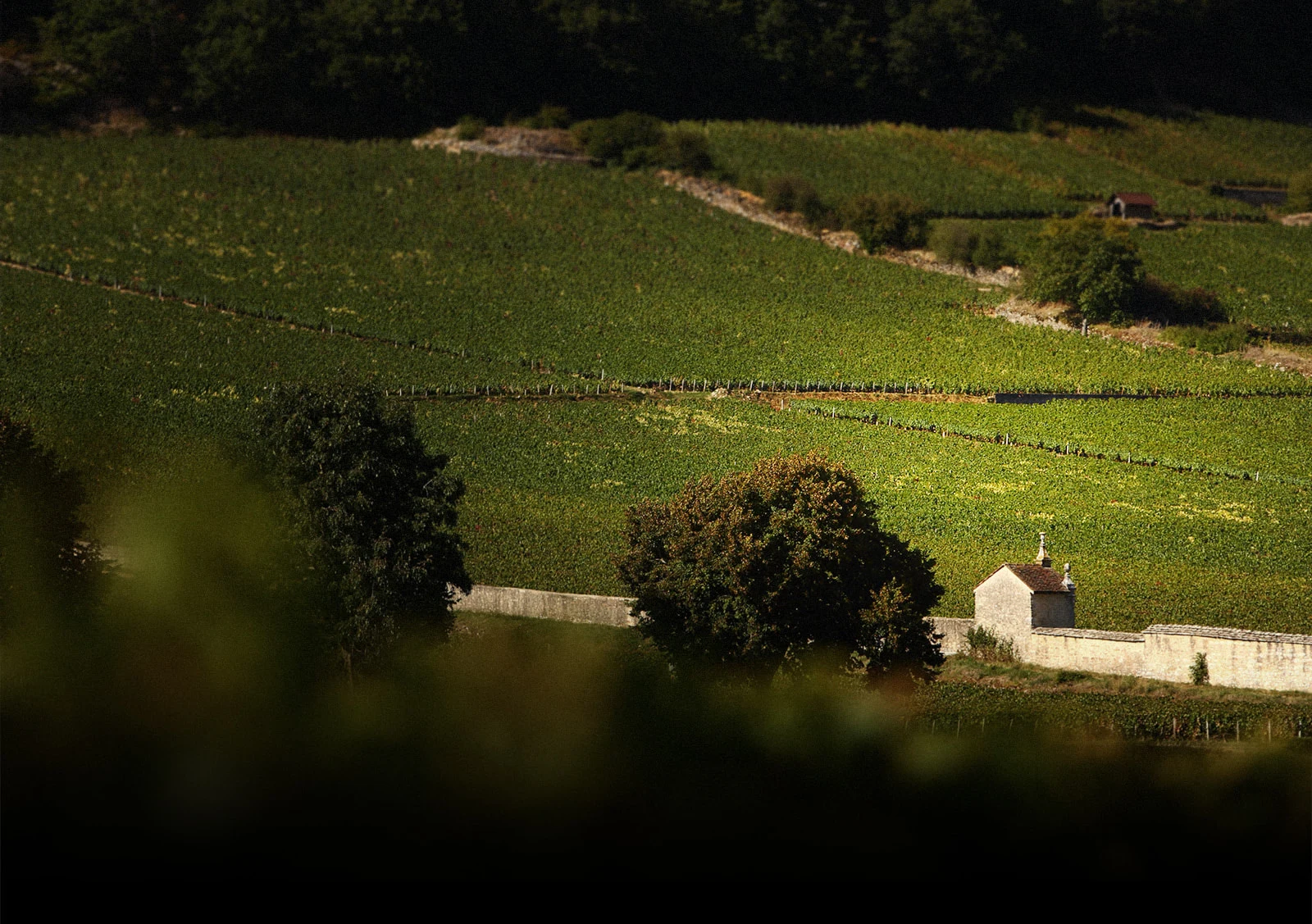
The method at Cascina degli Ulivi is biodynamic agriculture carried through a mixed farm. The estate works about 24 hectares, with 22 hectares of vineyard, 10 hectares of rotating crops, 1 hectare of vegetable garden, and about 1,000 fruit trees. Red clay and limestone give the vines their footing. The grapes come from the estate, not from purchased fruit, which keeps the cellar tied to the same fields that feed the agriturismo table.
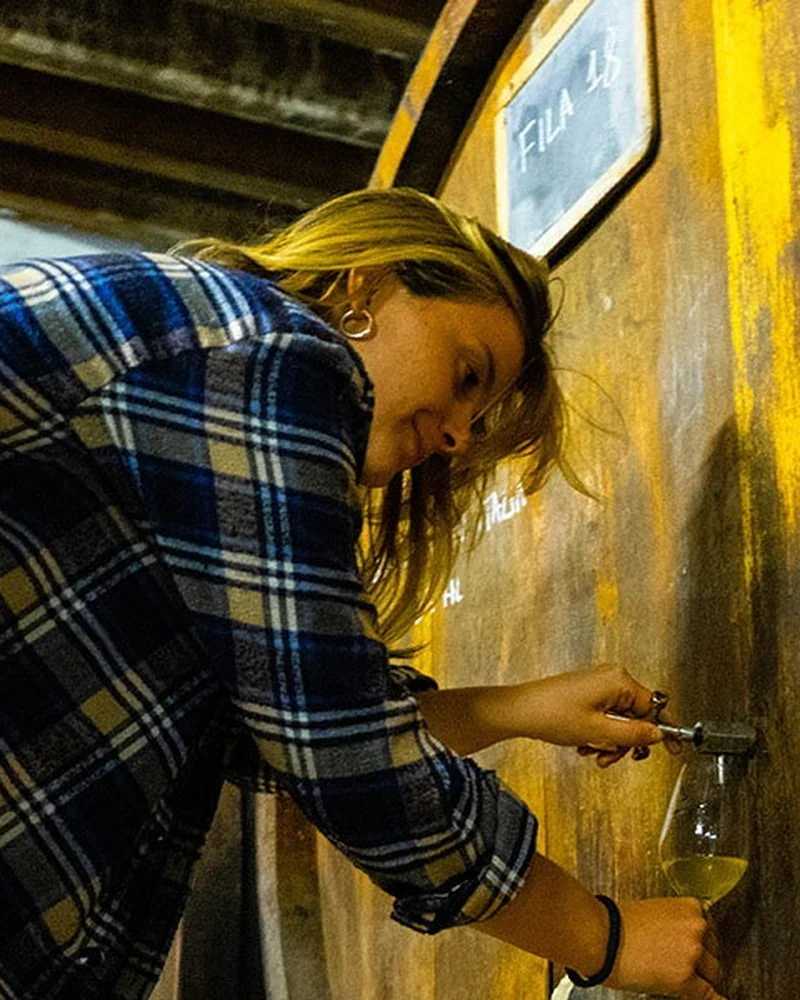
Fermentations rely on indigenous yeasts, and the cellar works without commercial yeasts or added sulfites. Some wines age in wood, including 500L and 700L fudres and barriques; certain whites spend up to 9 months on skins. Merla Bianca, built from 50% Traminer and 50% Sauvignon Blanc, carries that wood program into a wine of slight astringency, rosemary, and faint caramel. The technique reads as patience rather than ornament: direct pressing when the grape and place ask for it, skin contact when texture needs time, oxidation allowed to move slowly in the vessel.
The cellar beside the fields
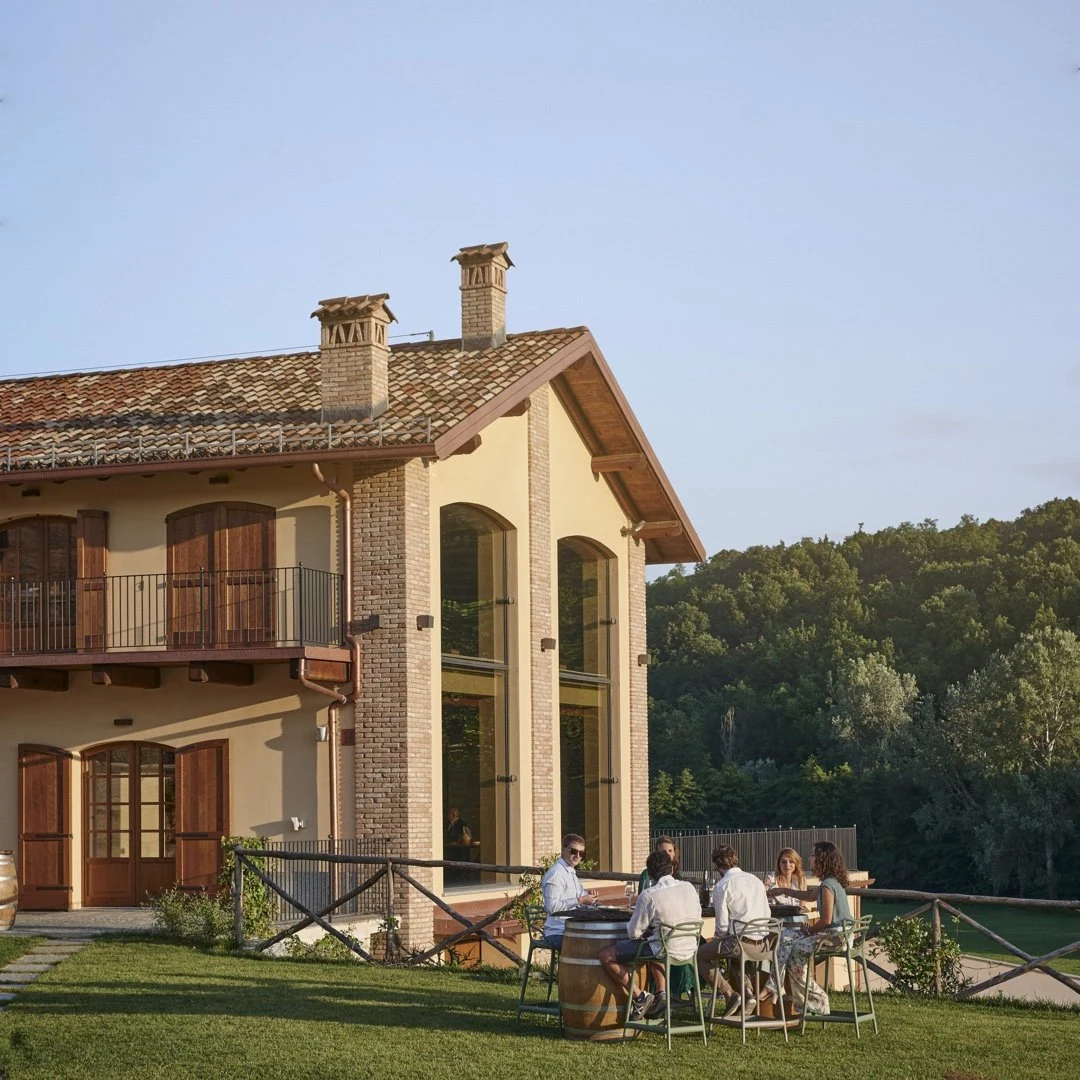
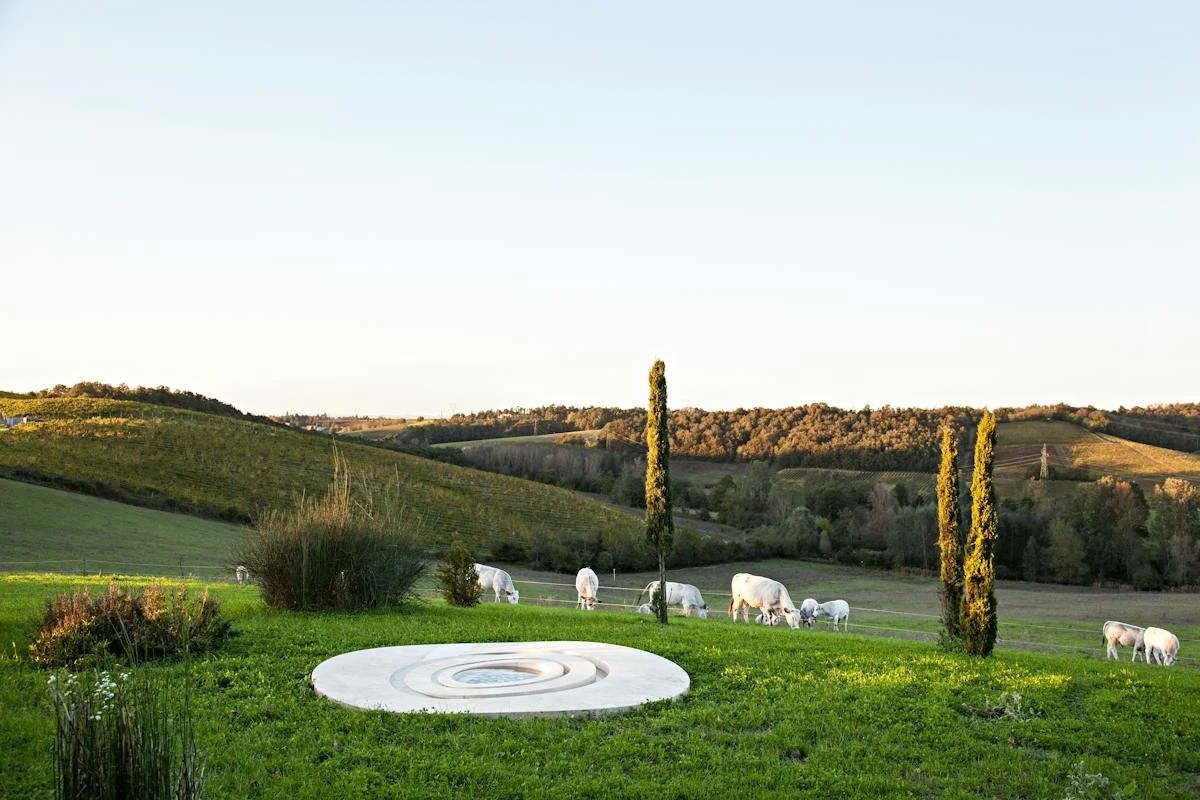
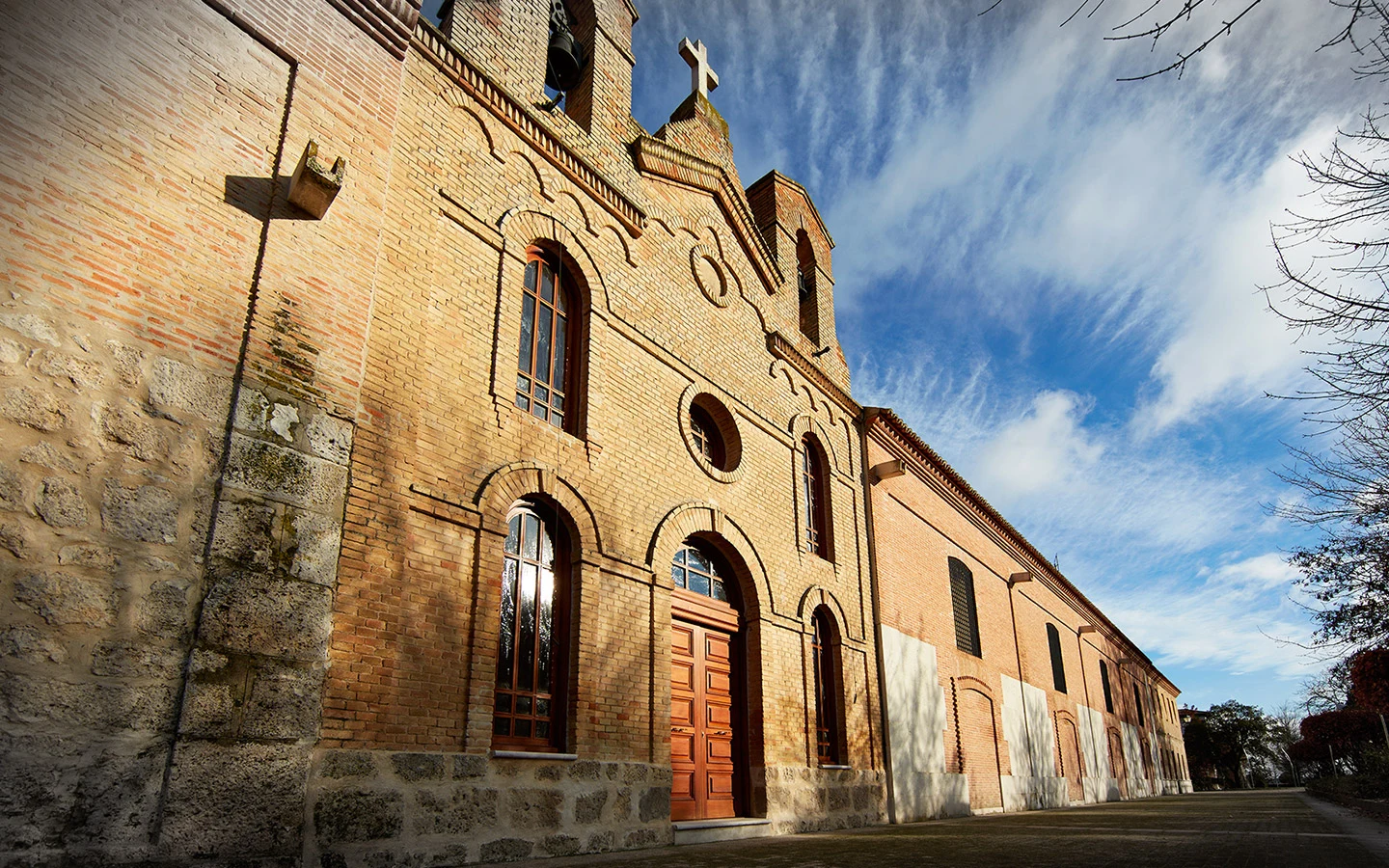
The cellar sits inside a working agricultural place, not apart from it. Around the winery are vineyards, orchards, fields, and the vegetable garden; inside, the wine program shares ground with bread, cheese, vegetables, and meats made or raised on the farm. The room keeps the tone of an agriturismo, quiet and informal, with large windows looking out over the countryside and a veranda used in the warm season.
That closeness matters while the craft is happening. A tasting here does not isolate the glass from the farm that made it. Cortese, Barbera, Dolcetto, and Sauvignon Blanc arrive with the same landscape in view: vines on the hills, mixed crops nearby, the cellar just behind the glass. The work itself is Filagnotti, with the next cue already in the bottle.
Questions
Frequently asked
Who makes the wine at Cascina degli Ulivi?
Stefano Bellotti makes the wine at Cascina degli Ulivi, where he has been farming since 1977.
What is Cascina degli Ulivi known for?
Cascina degli Ulivi is a biodynamic mixed farm estate in the Gavi zone, with Cortese at the center and other grapes including Barbera, Dolcetto, Sauvignon Blanc, Riesling, Verdea, Bosco, Timorassa, Moscatella, and Traminer.
How is the wine made here?
The estate works with biodynamic agriculture, indigenous yeasts, and no commercial yeasts or added sulfites, and some wines see wood, including 500L and 700L fudres and barriques.
What is the setting like for a visit?
The cellar sits inside a working agricultural estate in the Novi Ligure countryside, with vineyards, orchards, fields, a vegetable garden, and a quiet agriturismo room with large windows and a veranda in the warm season.
The field
How it compares
| Place | Notes | Awards |
|---|---|---|
| Cascina degli Ulivi | Novi Ligure countryside, $$ | · |
| Binè | Novi Ligure | · |
| Castello Banfi | Montalcino | World's 50 Best |
| Domaine Armand Rousseau | Gevrey-Chambertin | · |
| Jacques Selosse | Avize | · |
| Società Agricola La Raia | Novi Ligure | · |
| Vega Sicilia | Valbuena de Duero | · |