Cascina Terra Felice
- 01CityCastagnole Monferrato, Italy
- Falstaff Winery - Listed · 2026
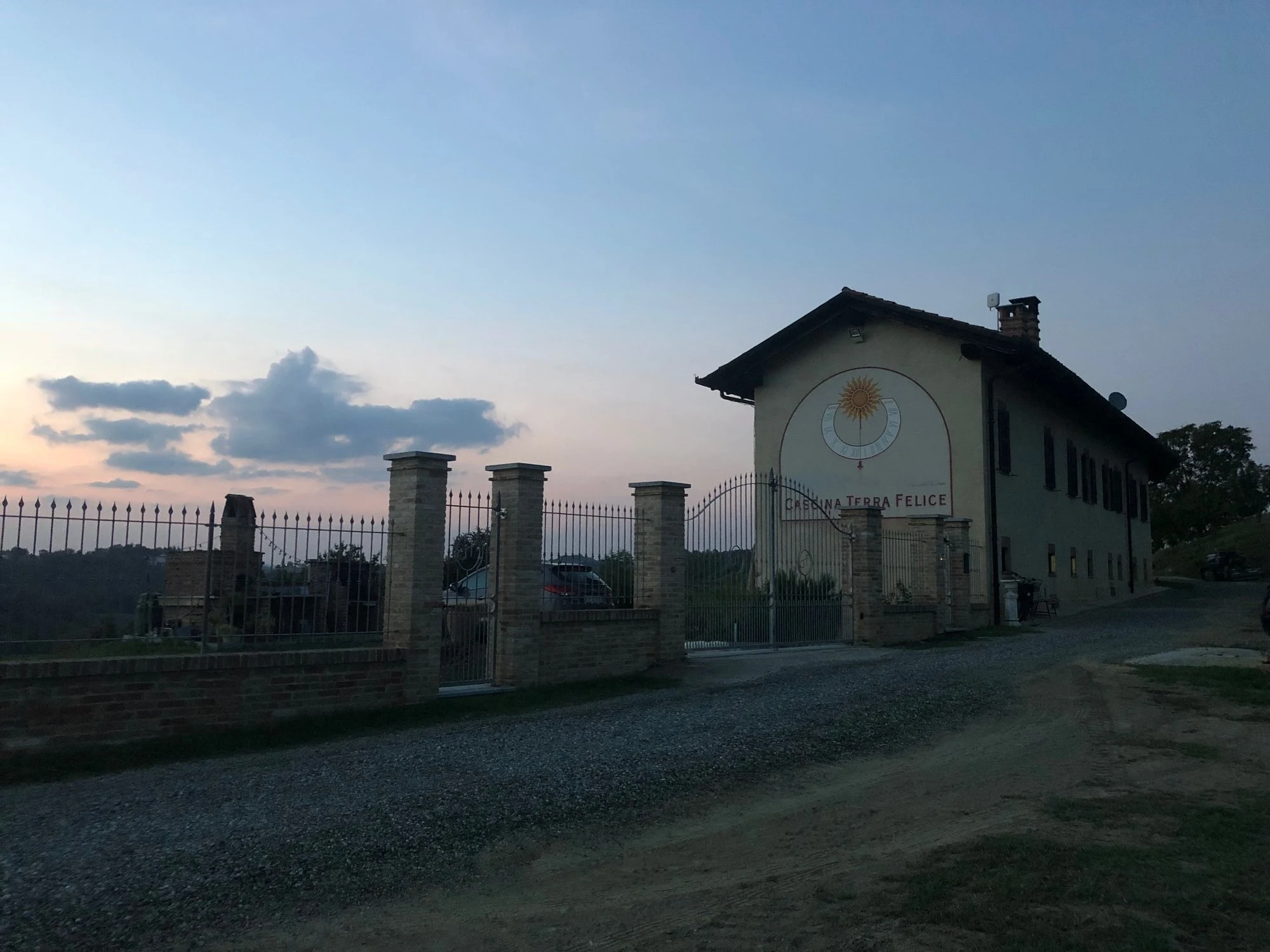
Approaching a small wine estate in Castagnole Monferrato, the first cue is scale. This is not the grand-avenue version of Piedmont, with gates, manicured arrival rituals, and cellar theatre. The mood is rural and low-volume: vineyard land, quiet estate grounds, and a working agricultural setting where the pleasure lies in reading the place slowly. Cascina Terra Felice belongs to the side of Piedmont that asks for attention rather than applause.
That matters because Monferrato has always had a different grammar from the better-known Langhe. Barolo and Barbaresco often dominate foreign attention, but Castagnole Monferrato has its own local argument in Ruche di Castagnole Monferrato DOCG, a red-wine appellation built around a grape with a narrow geographic identity. Here, terroir is not an abstract label. The estate covers 20 hectares, with 8 hectares planted to vines, a scale that keeps the conversation close to farming choices, site exposure, and the rhythm of the season.
Ruche gives Castagnole Monferrato its local accent
Ruche is the useful lens for understanding this corner of Piedmont. It is not Nebbiolo in miniature, and treating it that way misses the point. The grape is valued for aromatic lift, moderate structure, and a profile that can feel more immediate than the region’s long-cellar reds. In Castagnole Monferrato, that makes it a marker of local identity rather than a secondary curiosity.
Cascina Terra Felice works within that frame while keeping its portfolio focused on still red wine. Bricco della Rosa is the named Ruche di Castagnole Monferrato DOCG bottling, and Moschianina sits on the Merlot side of the range. The presence of Merlot and Syrah alongside Ruche is not unusual in modern Monferrato: the area has long mixed native grapes with international varieties, often in a more pragmatic register than the grander appellations nearby. The editorial question is not whether international grapes belong here, but whether they distract from the local signal. In this case, Ruche remains the clearest reason to pay attention.
The estate’s stated philosophy is ecological cultivation and respectful work in the vineyard. That claim carries more weight when attached to specific land: 8 hectares of vines within a broader 20-hectare property, rather than a label detached from its farming base. Avoiding heavy intervention in the vineyard is part of the estate’s identity, and the setting reinforces that view of wine as agriculture first, hospitality second.
A small-estate reading of Piedmont, not a trophy-cellar performance
Piedmont wine travel can tilt toward prestige collecting: famous villages, cellar doors with international waiting lists, and bottles that function as status markers. Castagnole Monferrato offers a quieter counterpoint. The reward is specificity. A visit here is about seeing how a small estate interprets a narrow appellation, how ecological language becomes vineyard practice, and how Ruche anchors a local red-wine culture that deserves more than a footnote.
The estate’s atmosphere suits that reading. The mood is sunny, rustic, and calm, with vineyard views and a quiet noise level. It is better matched to wine education or solo exploration than to group entertainment. There is no suggestion of a restaurant-style pairing program or polished resort infrastructure; the appeal is the estate setting itself and the chance to connect the bottle with the land behind it.
For visitors building a Castagnole Monferrato itinerary, the useful move is to treat Cascina Terra Felice as part of a broader regional study rather than a stand-alone trophy stop. For more local context, see Our full Castagnole Monferrato wineries guide, along with the area’s wider travel rails: Our full Castagnole Monferrato restaurants guide, Our full Castagnole Monferrato hotels guide, Our full Castagnole Monferrato bars guide, and Our full Castagnole Monferrato experiences guide.
How to place it in a wider wine itinerary
Because the visit format is small-scale and estate-led, it makes sense for travelers who care about appellation learning more than cellar spectacle. Castagnole Monferrato rewards comparison by grape, farming language, and producer scale; that is where the region becomes legible. In the same town, Luca Ferraris and Montalbera offer additional reference points for understanding how Ruche is presented in different estate contexts.
Travelers extending the study beyond Piedmont can use Italy’s smaller wineries as a comparative map rather than a checklist: 3GP SRL in Treviso, 47 Anno Domini in Trebaseleghe, A Mano Wine in Noci, a6mani in Fragagnano, Abbadia Ardenga in Torrenieri, and Abbazia di Crapolla in Neapel all point to different regional arguments about place, grape, and scale. For a cross-border lens on Central European wine culture, »der Steiner« Hans Steiner in Podersdorf am See and & Handwein in Mannheim widen the frame further.
The critical read is simple: Cascina Terra Felice is strongest when approached as a terroir visit. Its value lies in land, appellation, and ecological farming cues, not in a long list of awards or hospitality extras. For travelers who want Piedmont without the prestige choreography, Castagnole Monferrato offers a sharper, quieter lesson.
Questions
Frequently asked
How expensive is Cascina Terra Felice?
Cascina Terra Felice is listed at a price level of $$.
The field
How it compares
| Place | Notes | Awards |
|---|---|---|
| Cascina Terra Felice | Castagnole Monferrato, $$ | · |
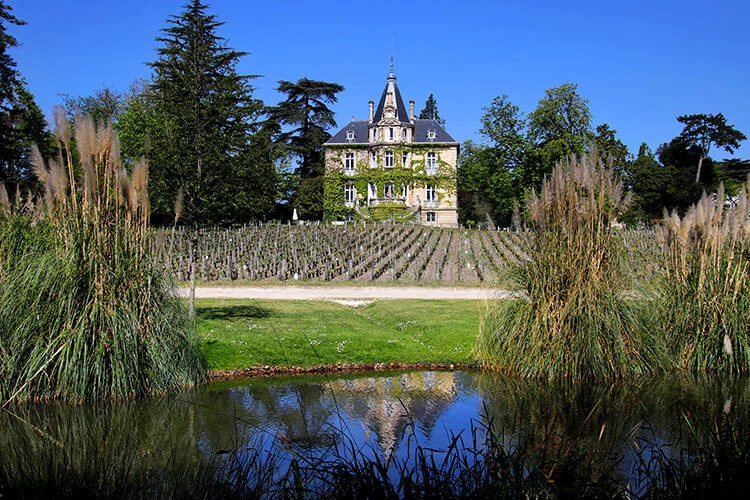
| Château Les Carmes Haut-Brion | Bordeaux | · |
| Luca Ferraris | Castagnole Monferrato | · |
| Montalbera | Castagnole Monferrato | · |
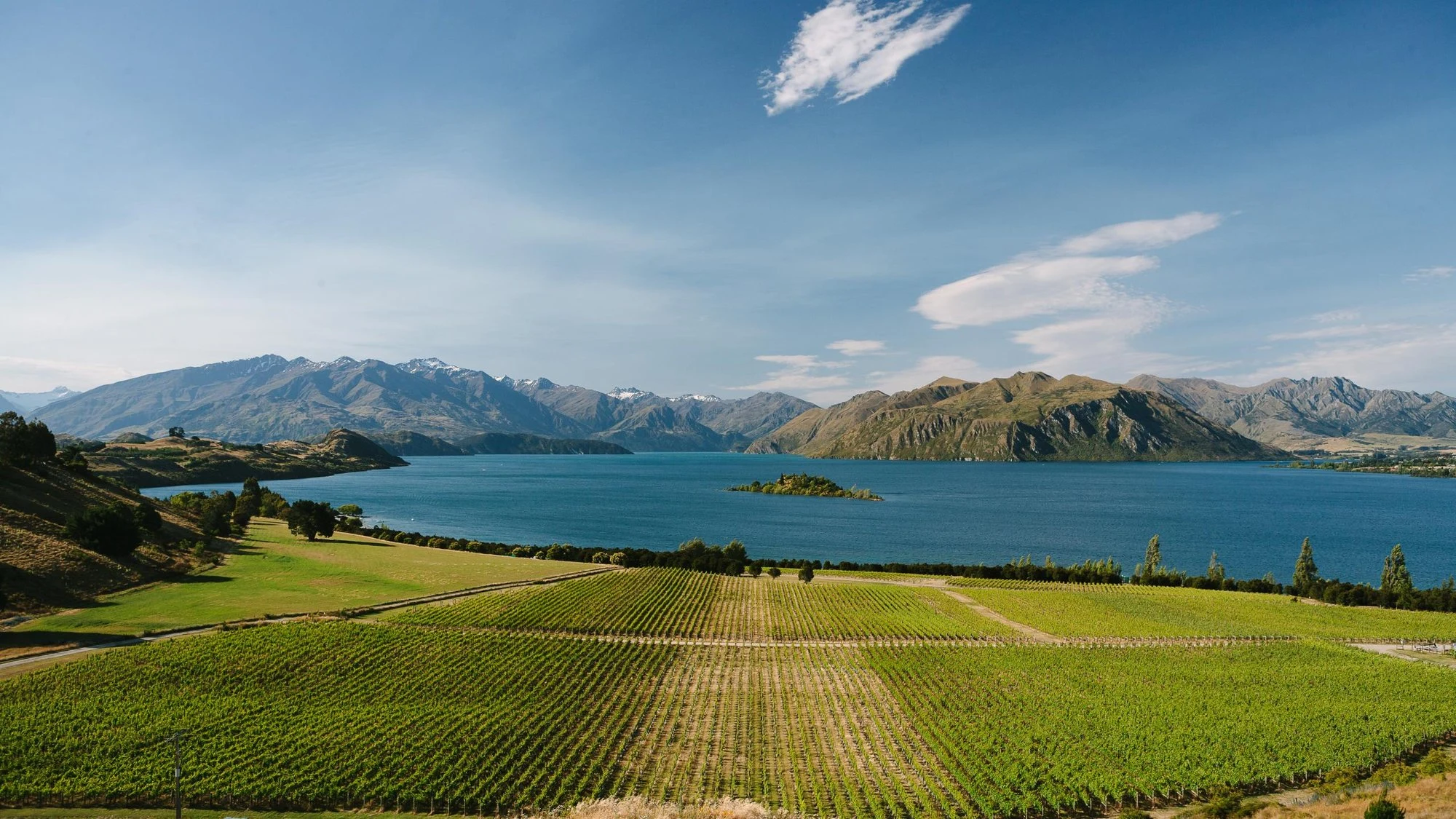
| Rippon Vineyard | Wānaka | World's 50 Best |
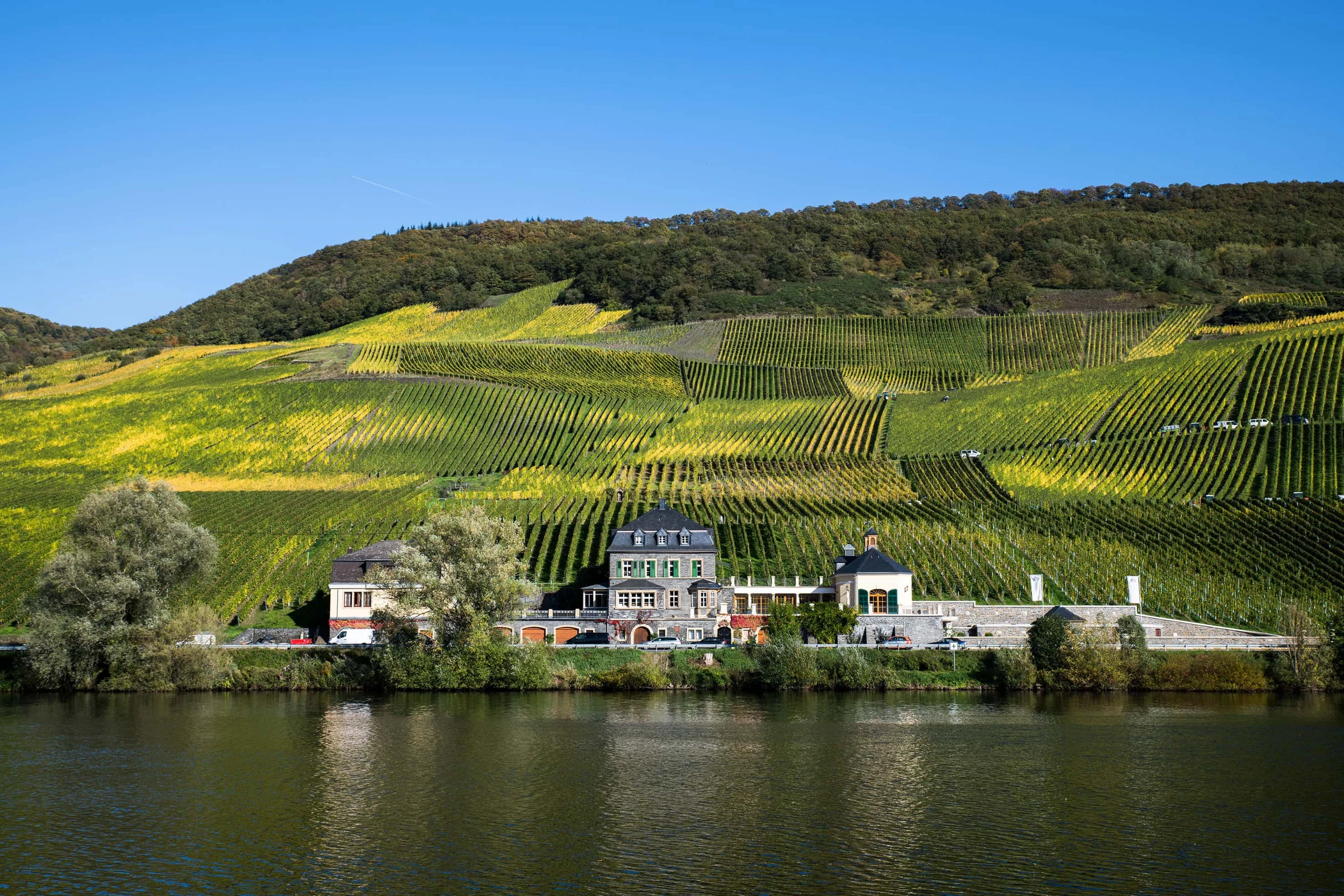
| Weingut Dr. Loosen | Bernkastel-Kues | World's 50 Best |
| Weingut Egon Müller | Wiltingen | · |