- Falstaff Winery - 3 Stars · 2026
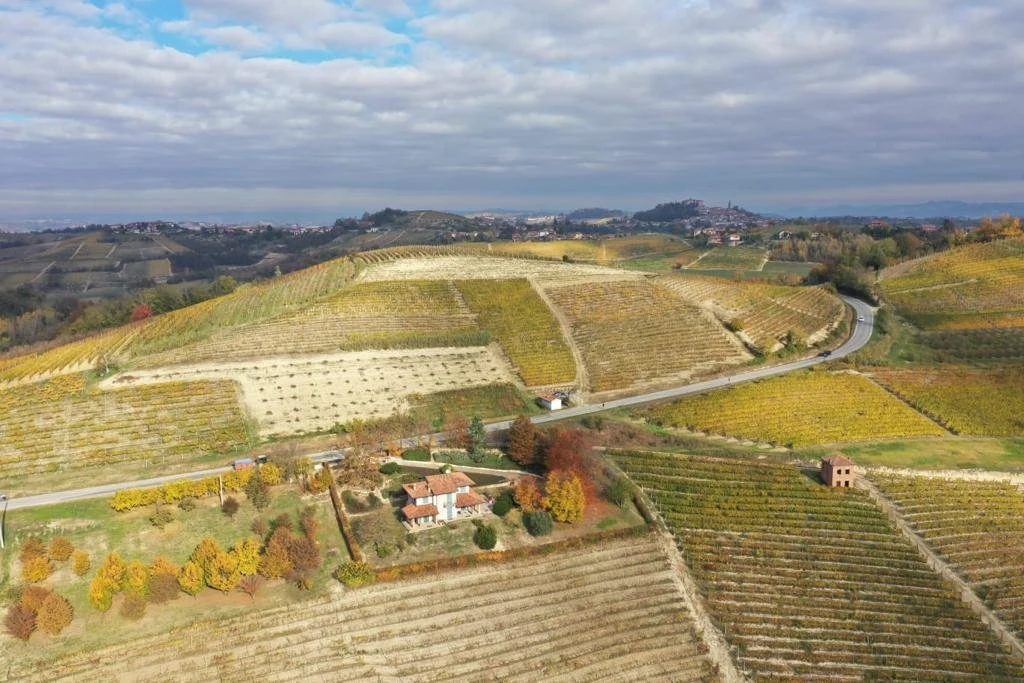
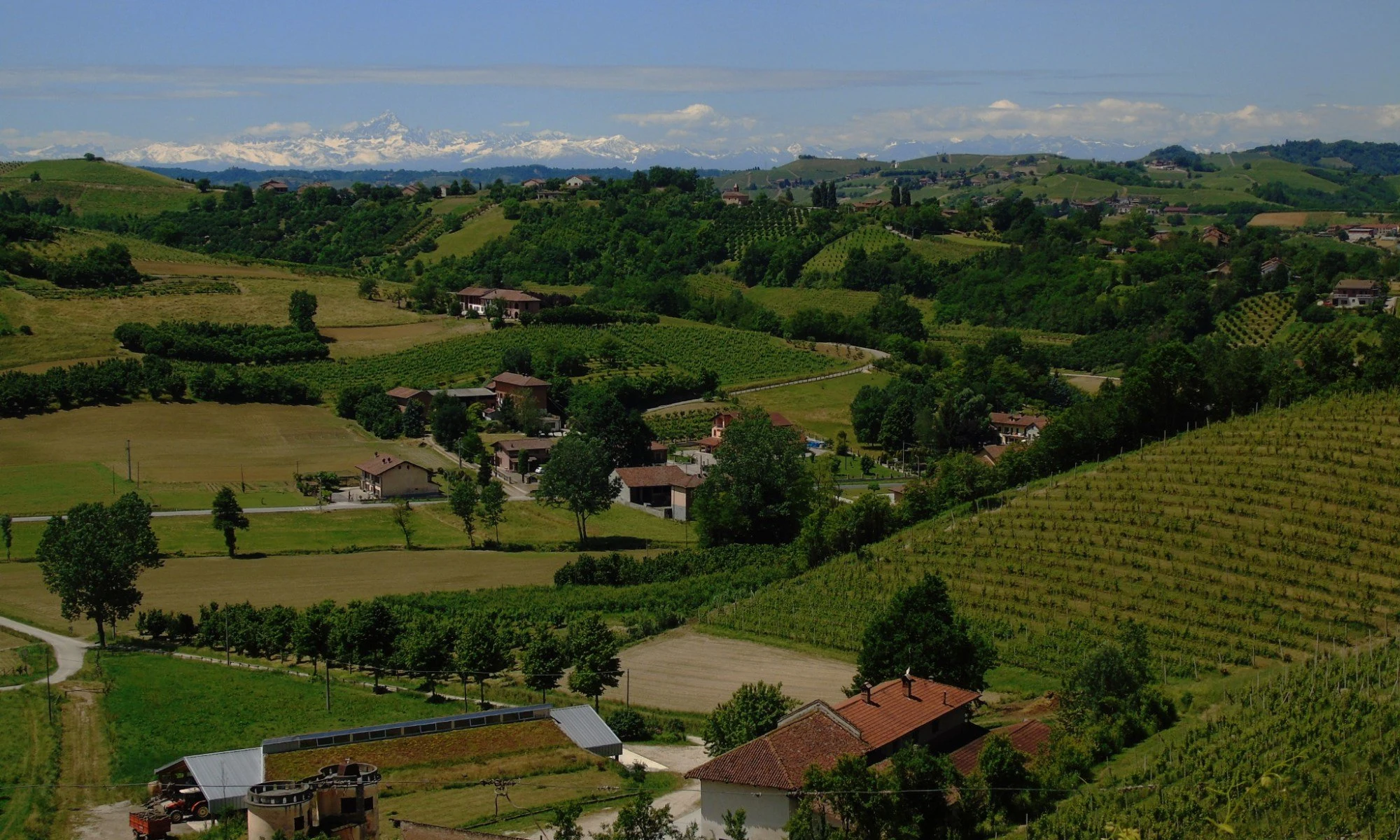
The approach to Roero wine country is gentler than the grander Piedmont postcards: lower hills, sandier soils, farm buildings folded into vineyard rows, and a tempo that rewards visitors who are interested in farming as much as labels. In Priocca, that context matters. This is not a region built only around cellar prestige; it is a place where Arneis, Barbera and Nebbiolo are read through lighter soils, mixed agricultural memory and a habit of family-scale production.
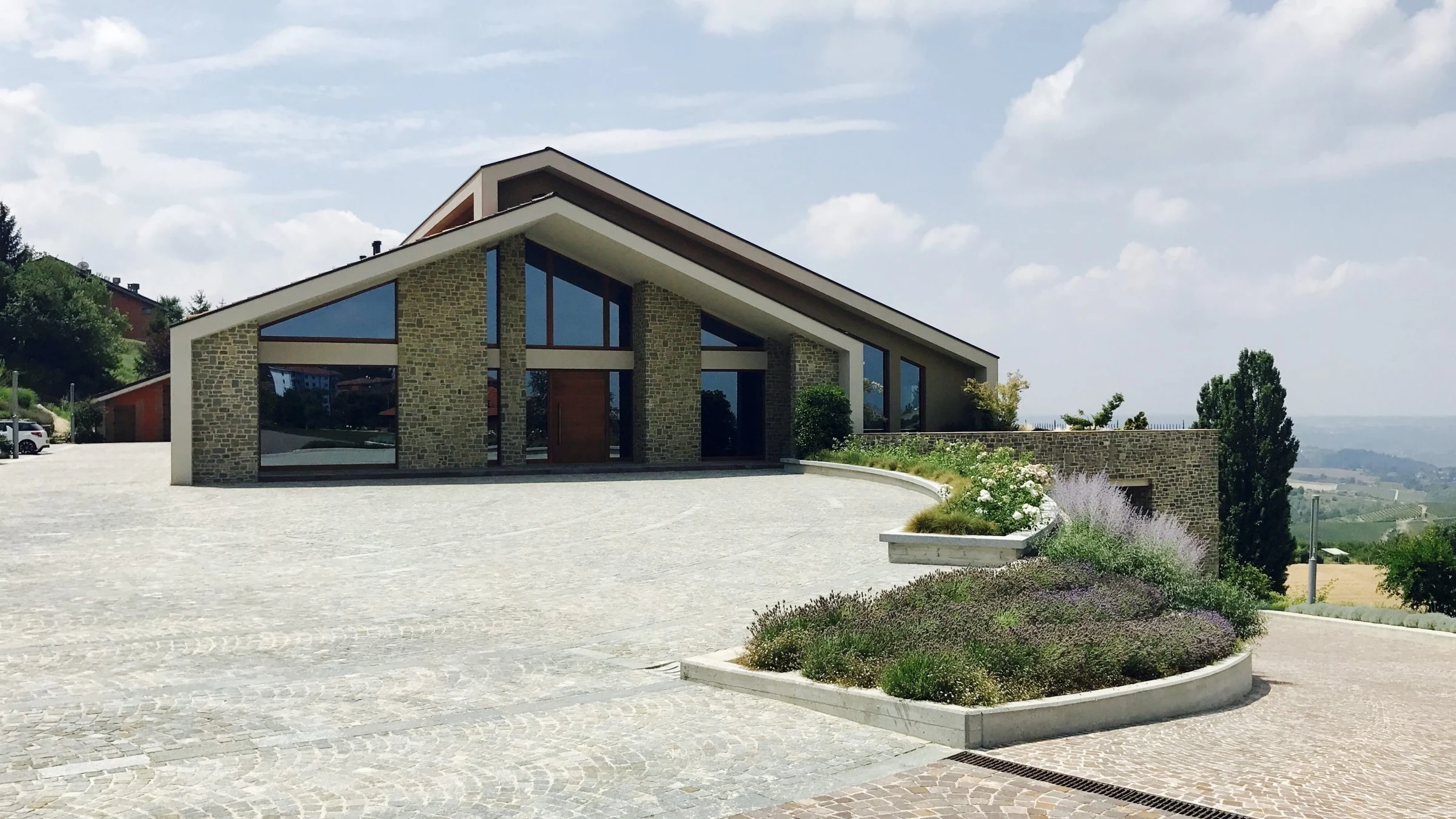
Cascina Val del Prete belongs to that quieter register. Its setting is a family estate in the Roero hills, with vineyards around the farmhouse and a cellar shaped around natural winemaking. The estate runs 10 hectares, certified organic and farmed biodynamically since 2013, which gives the visit a clear point of view before a glass is poured. The wines are not trying to imitate the longer-aged, more muscular image of Piedmont from elsewhere; they sit in Roero’s own lane, where sandy-calcareous soils can bring Nebbiolo into balance on a different timeline.
Roero's sandy soils, seen through Arneis, Barbera and Nebbiolo
Roero has always had to argue for itself beside Piedmont’s more heavily trafficked red-wine zones. Its answer is not volume or grandeur but soil character. The sandy layers around Priocca drain quickly and tend to give reds a different shape: less about sheer weight, more about lift, structure and earlier composure. That distinction is useful for travelers who already know Piedmont through cellar-heavy reds and want to understand why Roero DOCG deserves its own day rather than a passing stop.
The estate’s varietal map is concise: Arneis, Barbera and Nebbiolo. Arneis anchors the white-wine side of Roero identity, while Barbera and Nebbiolo show how the same hills handle acidity, tannin and ripeness. Production is small in scale, estate-focused and non-interventionist in method. Fermentations use indigenous yeasts, macerations can run 25 to 30 days depending on grape and vintage, and malolactic fermentation takes place in steel tanks on the lees before barrel aging. Roero Riserva may spend up to three years in barrel, a signal that the cellar is not afraid of structure, even when the broader house language remains grounded in restraint.
That technical outline matters because natural wine in travel writing is too often reduced to mood. Here, the farming and cellar choices are legible: organic certification, biodynamic vineyard work, indigenous varieties, native yeasts and a focus on still red and still white wines. The result is a producer tasting that teaches the grammar of Roero rather than simply presenting a lineup of bottles.
A family estate format, not a tasting-room production
The modern chapter began in 1977, when Bartolomeo Roagna purchased the property after working as a sharecropper for the de Grèsy family. The estate’s older name, tied to a “Valley of the Priest” story from around 1850, gives the place a historical thread, but the more relevant travel detail is agricultural continuity. Early plantings of Barbera and Nebbiolo sat alongside peaches and fodder, a reminder that this part of Piedmont was not built as a showroom for wine tourism. The shift toward focused wine production came later, and Giovanni Roagna now represents the third generation connected to the estate.
That lineage gives Cascina Val del Prete useful credibility without turning the visit into a family biography. The stronger editorial point is format. In an era when many winery visits have become polished retail experiences, Priocca’s appeal lies in producer-led scale: quiet atmosphere, vineyard context, cellar-door directness and a tasting structure suited to people who want to understand farming decisions. The estate is marked as good for groups and special occasions, but its energy is low-key rather than performative. Casual dress fits the setting; the tone is rustic, classic and focused on wine education.
The visit also sits well within a broader Priocca itinerary. Travelers building a local wine day can use Our full Priocca wineries guide to place the estate alongside other addresses in town, including Cantine di Priocca da MCG Spa, Enzo Bartoli and Hilberg-Pasquero. For a fuller day around the village, the practical companion pages are Our full Priocca restaurants guide, Our full Priocca hotels guide, Our full Priocca bars guide and Our full Priocca experiences guide.
Who should put this on a Piedmont wine route
This is a strong choice for visitors who care about terroir expression more than cellar theatre. The estate’s identity is specific enough to justify the detour: Roero DOCG, 10 hectares, biodynamic farming, indigenous grapes, small production and an appointment-only producer tasting. The absence of a food-pairing program keeps the emphasis on the wines and the land that shaped them. Expect a visit built around the estate rather than hospitality extras.
The price positioning is moderate, marked as $$, which places the experience in accessible premium territory rather than luxury performance. The better comparison is not to grand tasting salons but to serious agricultural estates where the main value is interpretive: understanding how Arneis, Barbera and Nebbiolo behave in Roero’s sandy hills, and why biodynamic farming has become part of the area’s contemporary language.
Travelers looking beyond Piedmont can compare how small and mid-scale producers express regional identity across Europe through 3GP SRL in Treviso, 47 Anno Domini in Trebaseleghe, A Mano Wine in Noci, a6mani in Fragagnano, Abbadia Ardenga in Torrenieri, »der Steiner« Hans Steiner in Podersdorf am See and & Handwein in Mannheim. The thread is not sameness; it is the way smaller estates use place, grape choice and farming method to make a visit feel anchored rather than generic.
Questions
Frequently asked
Who works at Cascina Val del Prete?
Made By profiles Giovanni Roagna (Winemaker) at Cascina Val del Prete.
How expensive is Cascina Val del Prete?
Cascina Val del Prete is listed at a price level of $$.
The field
How it compares
| Place | Notes |
|---|---|
| Cascina Val del Prete | Priocca, $$ |
| Cantine di Priocca da MCG Spa | Priocca |
| Domaine Armand Rousseau | Gevrey-Chambertin |
| Enzo Bartoli | Priocca |
| Giacomo Conterno | Monforte d'Alba |
| Hilberg-Pasquero | Priocca |
| Penfolds Magill Estate | Magill |