Enzo Bartoli
- 01CityPriocca, Italy

- Falstaff Winery - Listed · 2026
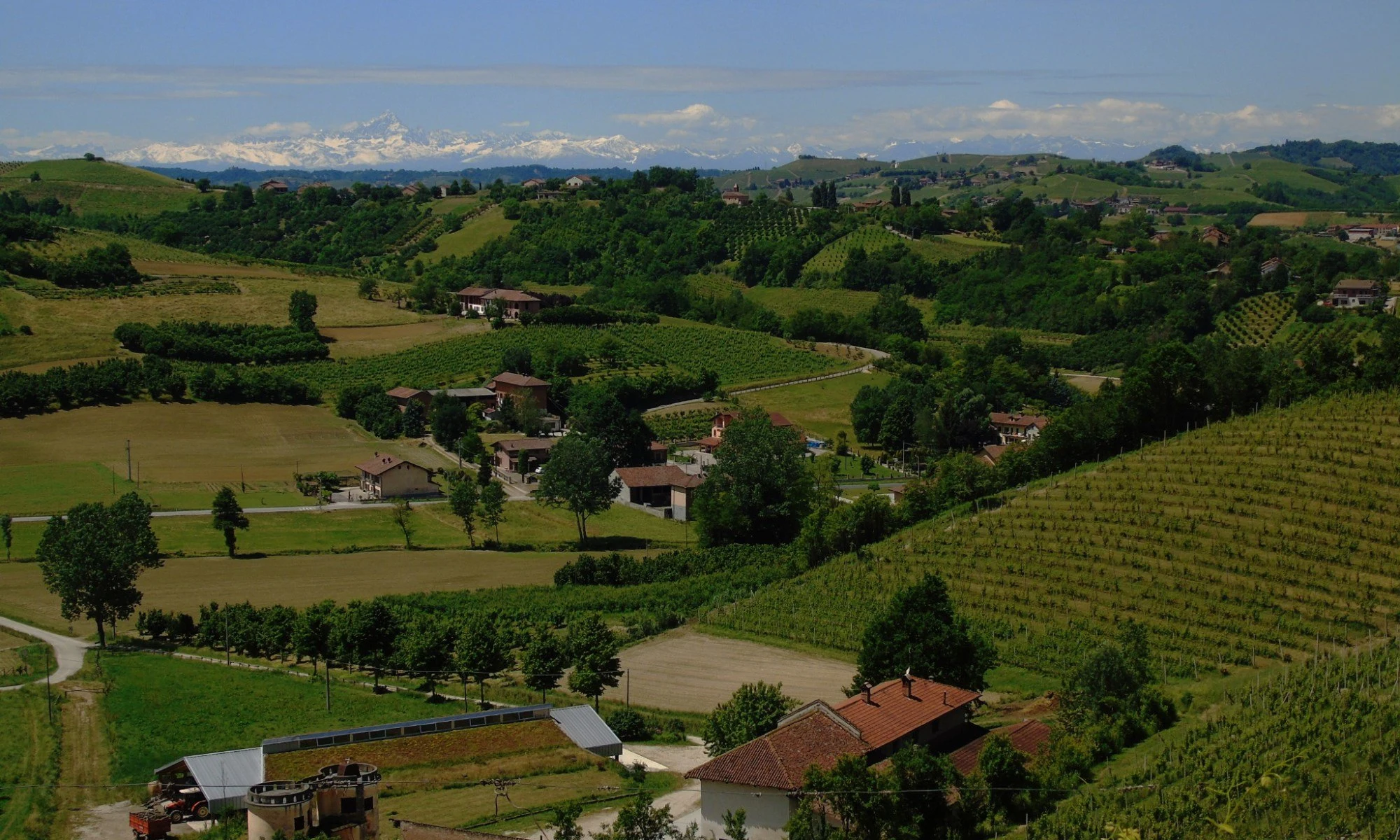
Enzo Bartoli in Priocca is best understood as a contemporary Piemonte wine project rather than a traditional visitor-facing estate. Its public identity is framed less around a specific physical cellar, scenic estate visit or inherited tasting-room narrative, and more around modern branding, stylistic precision and regional identity. In that sense, it sits in a slightly different category from wineries whose appeal is immediately tied to a place you tour, a cellar you enter or a landscape you are invited to experience in person.
That distinction matters for readers planning around wine in Priocca. Some Piemonte names are experienced primarily through places: a cellar, a landscape, a family property or a visitor route. Enzo Bartoli is presented differently, with an emphasis on how Piemonte can be communicated through a modern project and a polished regional story. The name works well editorially as part of the broader conversation about how the region is packaged, interpreted and made legible to contemporary drinkers.
Piemonte identity without a traditional estate frame
The safest way to approach Enzo Bartoli is not as a confirmed cellar-door destination, but as a brand-led expression of Piemonte. The project’s identity is contemporary and regional, with a modern presentation that does not depend on a single scenic estate experience. That is an important distinction because Piemonte wine culture is often described through deeply place-based cues, while this profile is more about regional identity expressed through a cleaner, more modern public frame.
For travelers, that means expectations should be set carefully. The profile supports a reading of Enzo Bartoli as a modern Piemonte wine project in Priocca, not as a documented visitor-facing winery with confirmed tour details, hospitality format, production scale, grape list or tasting schedule. The absence of those confirmed details does not make the project irrelevant, but it does change how it should be used when planning. It is better treated as a reference point for contemporary Piemonte positioning than as a stop with a clearly established visitor offer.
This makes the editorial value of the listing narrower but still useful. Enzo Bartoli helps illustrate a current Piemonte pattern: regional wine identity can be communicated through branding and style as well as through the more familiar language of estates, cellars and vineyard visits. For readers, that can be a useful reminder that not every wine name in a destination guide functions in the same way. Some are practical travel stops; others help explain the range of ways a wine region presents itself.
A modern Piedmont project with a contemporary public identity
Enzo Bartoli’s positioning is modern. Its narrative emphasizes stylistic precision and regional identity rather than a specific physical cellar or scenic estate experience. That makes it different from the classic image of a winery visit built around a named property, a family cellar or a rural hospitality setting. The public impression is more controlled and brand-conscious, placing the focus on the idea of Piemonte as a contemporary wine identity rather than on the romance of a single site.
Those elements are not confirmed here. What can be stated is that Enzo Bartoli belongs in the contemporary Piemonte wine conversation and is associated with Priocca. That is enough to include it in a Priocca context, but not enough to describe it as a conventional estate visit. The distinction is subtle, but it matters for accuracy: the available profile supports association and positioning, not a fuller hospitality narrative.
For readers comparing options, the practical takeaway is simple: treat Enzo Bartoli as a modern Piemonte wine project with a $$ price level, not as a guaranteed estate-tour stop. Anyone planning a visit should confirm current arrangements directly before building an itinerary around it. That extra step is especially important when the public identity of a wine project is more brand-led than place-led, because the visitor experience may not match the assumptions travelers bring to a traditional winery listing.
How to place it in a Priocca wine itinerary
Priocca can be approached through more than one kind of wine experience. Some stops may be rooted in traditional estate hospitality, while others are better understood through branding, regional positioning and production identity. Enzo Bartoli belongs more naturally to the second category as presented here. It can help round out an understanding of Priocca’s wine landscape, but it should not automatically be treated as a cellar-door anchor.
Readers planning around Priocca should keep the distinction clear. If the goal is a confirmed on-site visit, the details need to be checked in advance. If the goal is to understand how Piemonte is represented through contemporary wine projects, Enzo Bartoli has a clearer role. That makes it useful, but in a more interpretive way than a listing built around tours, tastings and estate hospitality.
For broader planning, consider Enzo Bartoli alongside other dining and wine-related options in Priocca in a general sense, while checking each venue’s current visitor details separately. This is the most balanced way to use the listing: as part of the local wine context, not as a substitute for confirmed practical information.
The editorial case for Enzo Bartoli is strongest when framed honestly: it is a contemporary Piemonte wine project in Priocca, with modern positioning and a $$ price level. It should not be presented as a traditional estate experience unless further information supports that claim. Read this way, the listing remains useful without overstating what is known, and it gives travelers a clearer sense of where Enzo Bartoli fits within the wider Priocca wine picture.
Questions
Frequently asked
How expensive is Enzo Bartoli?
Enzo Bartoli is listed at a price level of $$.
The field
How it compares
| Place | Notes | Awards |
|---|---|---|
| Enzo Bartoli | Priocca, $$ | · |
| Cantine di Priocca da MCG Spa | Priocca | · |
| Cascina Val del Prete | Priocca | · |
| Château d'Yquem | Sauternes | World's 50 Best |
| Château Lynch-Bages | Pauillac | · |
| Gaja | Barbaresco | World's 50 Best |
| Hilberg-Pasquero | Priocca | · |