Castel di Salve
- 01CityDepressa, Italy
- Falstaff Winery - Listed · 2026
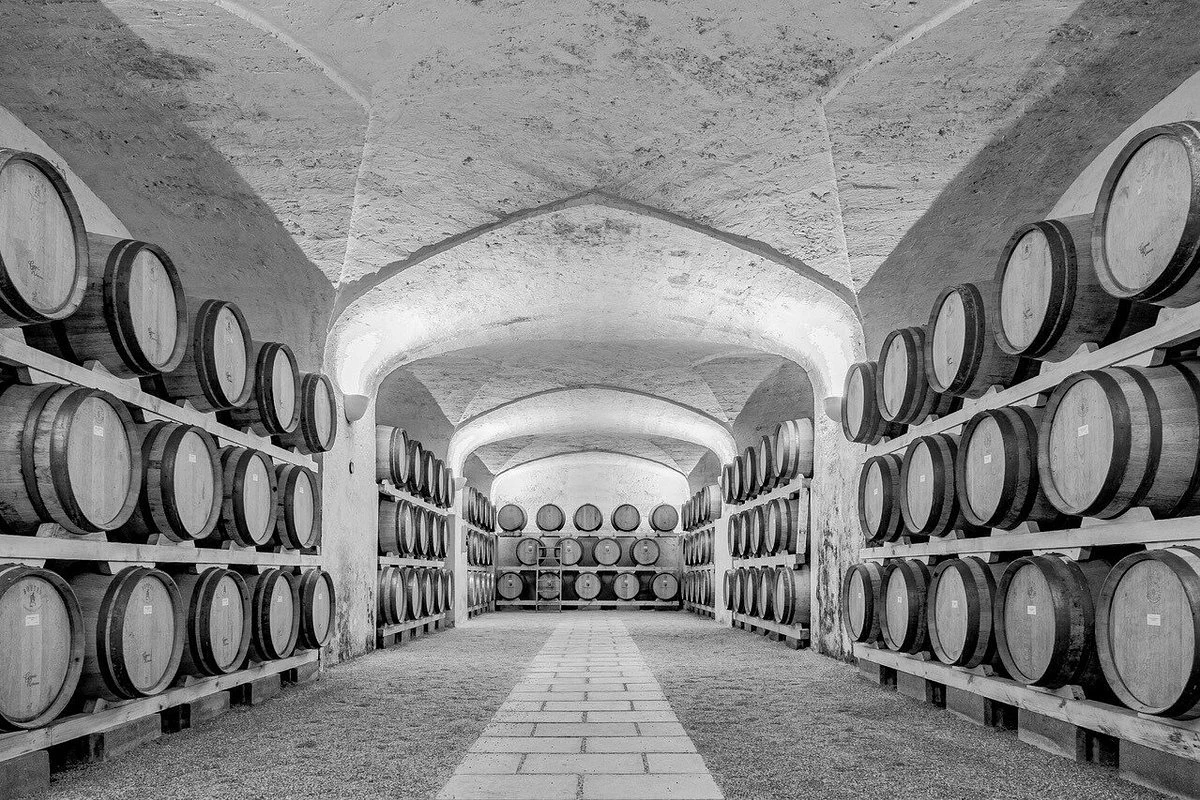
Castel di Salve in Depressa is best understood through its setting: a historic 19th-century industrial cellar built in local Lecce stone. The venue’s identity comes first from that fabric of the building, rather than from a decorative visitor concept layered on top of it. The atmosphere is relaxed, intimate, and educational, with the visit centered on the production spaces rather than spectacle or restaurant-style service.
The draw is the combination of heritage architecture and careful modernization. The cellar has been updated for cleanliness and temperature control, so the experience reads as both historic and practical: an old working environment maintained for contemporary production and small-group hospitality. That balance matters, because it lets the historic setting remain legible while also making clear that this is still a functional production environment, not simply a preserved backdrop.
Lecce-stone cellars set the tone
The defining feature is the 19th-century industrial cellar itself. Local Lecce stone gives the space its architectural identity, grounding the visit in the material character of the area, while the modernization for cleanliness and temperature control keeps the focus on how the venue functions today. The result is a cellar that feels rooted in history without feeling frozen in it.
For visitors, that means the appeal is less about ornate staging and more about seeing a working production setting with historical character. The strongest reason to choose Castel di Salve is the chance to spend time in a carefully maintained cellar environment in Depressa, where the building, the production spaces, and the hospitality format all point in the same direction. It is a setting for people who enjoy understanding how a place works from the inside, rather than simply passing through a polished tasting room.
Plan around a guided cellar experience rather than a full dining itinerary. The visit should be treated as a focused stop, with the cellar and its context as the main event, not as a substitute for a longer restaurant meal or an all-purpose hospitality program.
A guided format built for education, not cellar theatre
The hospitality style is small-group and conversational. Family members guide visitors through production, giving the experience a personal and educational feel without making it formal or showy. That kind of format is best appreciated when approached with curiosity: the value is in the explanations, the access to the production setting, and the slower pace of a guided exchange.
The price is $65 per person. Beyond that, specific tasting formats, languages, duration, payment methods, parking details, and reservation rules should be confirmed directly before planning a visit. Because the experience is framed around guided hospitality rather than an open-ended visitor complex, confirming the practical details in advance is the safest way to align expectations with what is being offered.
This makes Castel di Salve a good fit for travelers who value context, atmosphere, and a close look at production spaces. It is not a venue to choose on the basis of claims about menus, awards, seat counts, or a broader beverage program. The appeal is narrower and more precise: a historic cellar, carefully maintained, presented through a small-group visit that favors explanation over performance.
How to place it within a Depressa itinerary
Depressa is the location to use when planning around Castel di Salve. Build the stop around the cellar visit itself, then consider other dining or hospitality options in Depressa generically if you want to extend the day. In practical terms, the cellar should be the anchor of the plan, with any surrounding activities arranged around the confirmed visit details rather than assumed as part of the experience.
For the most relevant comparison, keep the focus on Castel di Salve itself and its historic cellar setting in Depressa. Its strength is not breadth of amenities, but the clarity of what it offers: an intimate, educational encounter with a 19th-century Lecce-stone production space that has been modernized for present-day use while retaining its essential character.
Questions
Frequently asked
How expensive is Castel di Salve?
Castel di Salve is listed at a price level of $$.
The field
How it compares
| Place | Notes | Awards |
|---|---|---|
| Castel di Salve | Depressa (hamlet of Tricase), $$ | · |
| Ata Rangi | Martinborough | World's 50 Best |
| Bodegas Muga | Haro | World's 50 Best |
| Château Rieussec | Fargues | · |
| Château Smith Haut Lafitte | Martillac | World's 50 Best |
| Edmond Vatan | Vatan | · |
| Screaming Eagle | Napa | · |