- 1 Michelin Key · Michelin Guide
- Mr & Mrs Smith Smith Seal of Approval · 2026
- Virtuoso Luxury Hotel Partner · 2026
- Michelin 1 Key · 2025
- Michelin 1 Key · 2024
Stone, Silence, and the Maremma Light
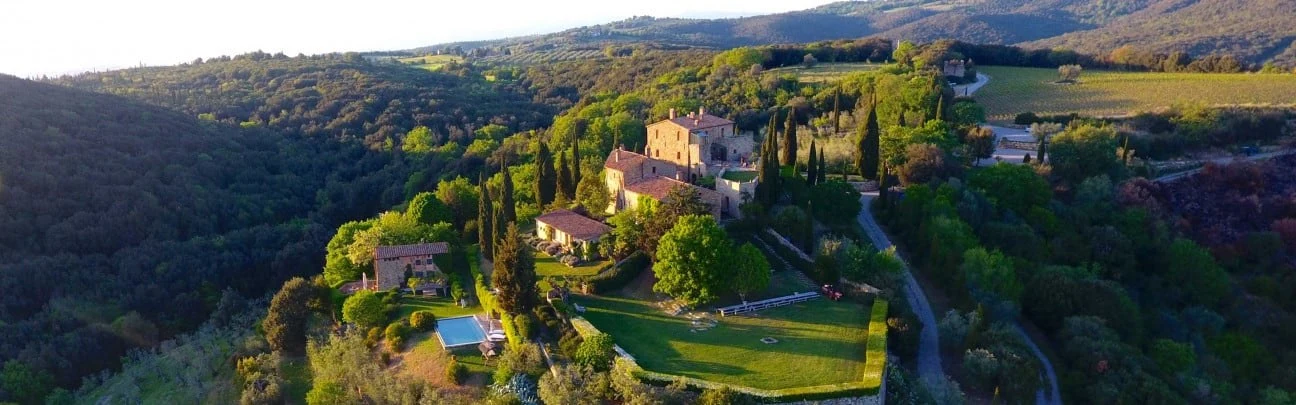
The approach to Castello di Vicarello sets the terms of the stay before you arrive at the gate. The road climbs through 40 hectares of vineyard and olive grove, the Tyrrhenian Sea visible as a silver line on the horizon in clear weather. The building itself predates most of what passes for history in the hotels competing at this price point: the structure dates to the 12th century, and the weight of that fact is present in every room, from the original stone walls to the proportions of the corridors. Positioned roughly halfway between Rome and Florence, the estate sits in the Maremma, a stretch of southern Tuscany that largely missed the tourism wave that transformed Chianti and the Val d'Orcia into circuits of coach parks and wine buses.
That geographical remove is a design choice as much as a geographical fact. The Maremma has always operated at a different register from the rest of Tuscany: wilder, less curated, slower to develop the infrastructure that makes a region legible to mass tourism. Castello di Vicarello works within that character rather than against it. There is no lobby in the conventional hotel sense, no check-in desk with branded stationery. The arrival feels residential, which is, of course, the point.
Ten Suites, No Standardisation
The property holds ten suites, nine rooms in the main database count, and the arithmetic matters. At this scale, the model shifts away from hotel operations and toward something closer to a private house running on hotel discipline. Condé Nast Traveller placed Castello di Vicarello on its 2019 Gold List, and in 2024 the property received a Michelin Key.
The design approach across the suites resists the glossy renovation instinct that has standardised so many castle hotels across the Italian countryside. Indonesian antiques sit against raw stone walls without the curatorial anxiety of a design hotel trying to signal its own taste. The materials are worn in the right places. The effect is of a space that has absorbed decades of occupation rather than been assembled for photography. Guests at properties like Castello di Reschio in Lisciano Niccone or Castelfalfi in Montaione will recognise the Tuscan estate format, but Vicarello's refusal of design-magazine polish is a distinguishing position within that category.
Rates from $742 per night place the property in the premium tier of Tuscan rural accommodation, above the agriturismo market and below the branded luxury resorts of the Rosewood Castiglion Del Bosco type in Montalcino. For ten suites with Michelin Key recognition and Condé Nast Gold List credentials, that pricing sits at the conservative end of comparable Italian castle properties.
Two Pools, One Olive Grove, One Hillside
The two pools are not a luxury duplicate, they occupy entirely different relationships with the landscape. One sits within the olive grove, shaded, horizontal, belonging to the agricultural logic of the estate. The other is positioned on the mountain side, open to the sky and the view of the Tuscan hills rolling toward the sea. The choice between them at any given hour depends on light and temperature and preference, which is the kind of decision a good property gives you.
The terraces and outdoor spaces across the estate reinforce the same principle: that the 40 hectares of vineyards and olive groves are not decorative backdrop but the actual substance of the stay. Massage treatments are available outdoors, set within the property grounds rather than in a dedicated spa facility, which reflects the broader philosophy of dissolving the boundary between the hotel and its landscape rather than containing amenities within branded interiors. This positions Vicarello in a different conceptual bracket from large-footprint luxury properties like the Four Seasons Hotel Firenze, where the grounds are extensive but the experience is organised around a hotel's operational logic.
Kitchen Gardens and the Table
Food program at Castello di Vicarello runs through two organic kitchen gardens and a network of local farmers, with the kitchen drawing on generations-old Italian recipes. The property holds a Michelin Key in part because the dining experience is integral to the stay rather than ancillary to it. This is not a hotel restaurant in the sense of a room with a menu attached to a property with a different primary identity. The kitchen is the castle's kitchen, and the produce is largely the estate's produce.
Cooking lessons are available for guests who want a more structured engagement with the food. Wine tastings can be arranged. Neither is positioned as a formal program, the tone is closer to a host sharing something they know well than to a curated hospitality product. The absence of a conventional restaurant format, in this context, is a feature of the design rather than a gap in the offer. Guests at properties like Casa Maria Luigia in Modena, where the dining experience is similarly embedded in the property's identity, will understand the distinction.
The Maremma Positioning
Understanding where Vicarello sits geographically resolves several questions about what kind of stay it offers. The Maremma is not a transit region between better-known destinations. It is a destination with its own character: coastal wetlands, wild boar country, Etruscan ruins, a wine scene (Morellino di Scansano is the region's primary denomination) that has developed without the commercial saturation of Chianti Classico. The castle's position in Poggi del Sasso, a hamlet within the Cinigiano municipality, puts it inside this slower, less visited Tuscany rather than in the curated corridors most northern European visitors follow.
The drive time is a useful planning anchor: approximately 90 minutes from Florence Airport, two hours from Rome Fiumicino. Both airports serve international routes, which makes the property genuinely accessible despite its remoteness from any urban centre. A car is essential for the duration of the stay. There is no public transport logic to the Maremma at this level of rural specificity, and the property's appeal is inseparable from the space that the drive creates around it. For those exploring the broader Italian luxury accommodation map, Borgo San Felice Resort in Castelnuovo Berardenga and Il Pellicano in Porto Ercole offer points of comparison within the Tuscan and southern Maremma coastal registers respectively.
The policy is consistent with the property's positioning as a retreat oriented toward quiet and concentration rather than family programming. It also reflects the physical character of a 12th-century castle, which has its own logic of space that does not accommodate children's amenities easily.
Where It Sits in the Italian Hotel Picture
Italian castle hotels now occupy a wide spectrum, from UNESCO-adjacent heritage products to full-service branded resorts that happen to occupy historic buildings. Castello di Vicarello operates in the narrower band of family-run, small-scale properties where the personal character of management is the differentiator. The fashion background of the family who converted the castle and relocated from Milan is legible in the lightness of the design decisions, the choice of what not to do is as present as the choice of what to install.
At nine to ten rooms with Michelin Key recognition, Condé Nast Gold List history, and a price point of $742 and above, the property competes on density of experience per guest rather than breadth of amenity. Against the backdrop of what large Italian luxury properties offer, the Bulgari Hotel Roma, the Aman Venice, Vicarello represents the opposite pole: fewer guests, deeper immersion, no lobby culture, no bar scene. Properties in adjacent formats, from Passalacqua in Moltrasio on Lake Como to Borgo Egnazia in Savelletri di Fasano in Puglia, demonstrate how differently Italian estate hospitality can be configured. Vicarello is among the most self-contained iterations of the format. See our full Cinigiano guide for broader context on what the area offers beyond the estate itself.
Planning Your Stay
Given the property's size, booking well in advance is standard practice, particularly for the summer months when demand from both European and international travellers peaks. Direct contact via the property's website is the conventional route for enquiries and reservations. Given the no-children-under-10 policy and the absence of a conventional hotel lobby, it is worth confirming suite configuration and any specific requirements before arrival. The rating on Google at 4.7 from 200 guests is a reliable indicator of consistency, but the stay's character depends significantly on the rhythm of the week and who else is in residence, at ten suites, the dynamic of the property can shift noticeably. For those building a wider Italian itinerary, connecting stays might include Corte della Maestà in Civita di Bagnoregio for a different scale of medieval Italian atmosphere, or Castel Fragsburg in Merano for a northern Italian castle counterpoint.
Questions
Frequently asked
What recognition does Castello di Vicarello hold?
Castello di Vicarello holds 1 Michelin key.
Who works at Castello di Vicarello?
Made By profiles Aurora Baccheschi Berti (Winemaker) at Castello di Vicarello.
How expensive is Castello di Vicarello?
Castello di Vicarello is listed at a price level of $$$$.
The field
How it compares
| Place | Awards | Notes |
|---|---|---|
| Castello di Vicarello | Michelin 1 Key | Cinigiano, $$$$ |
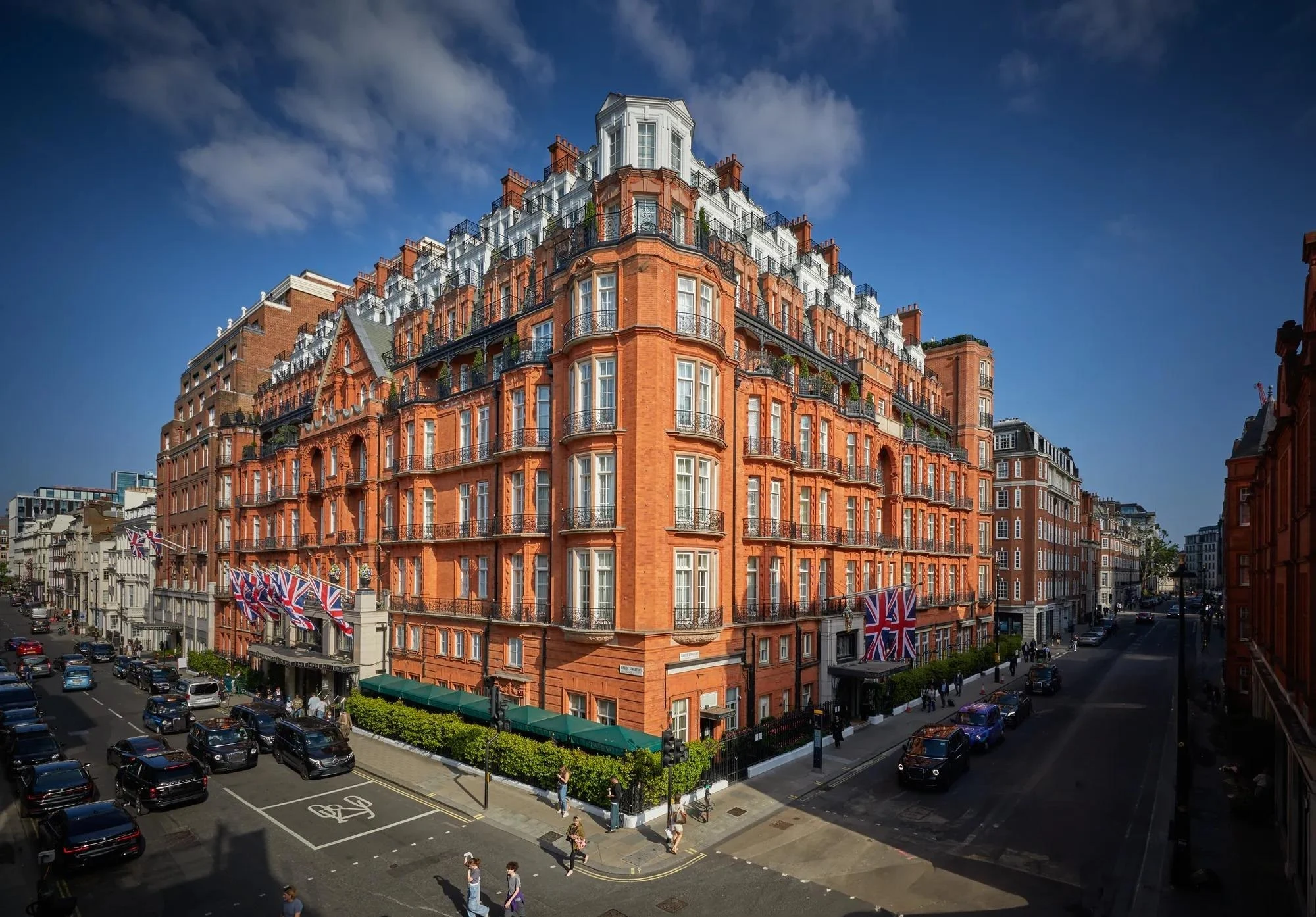
| Claridge’s | Michelin 3 Keys, World's 50 Best | London |
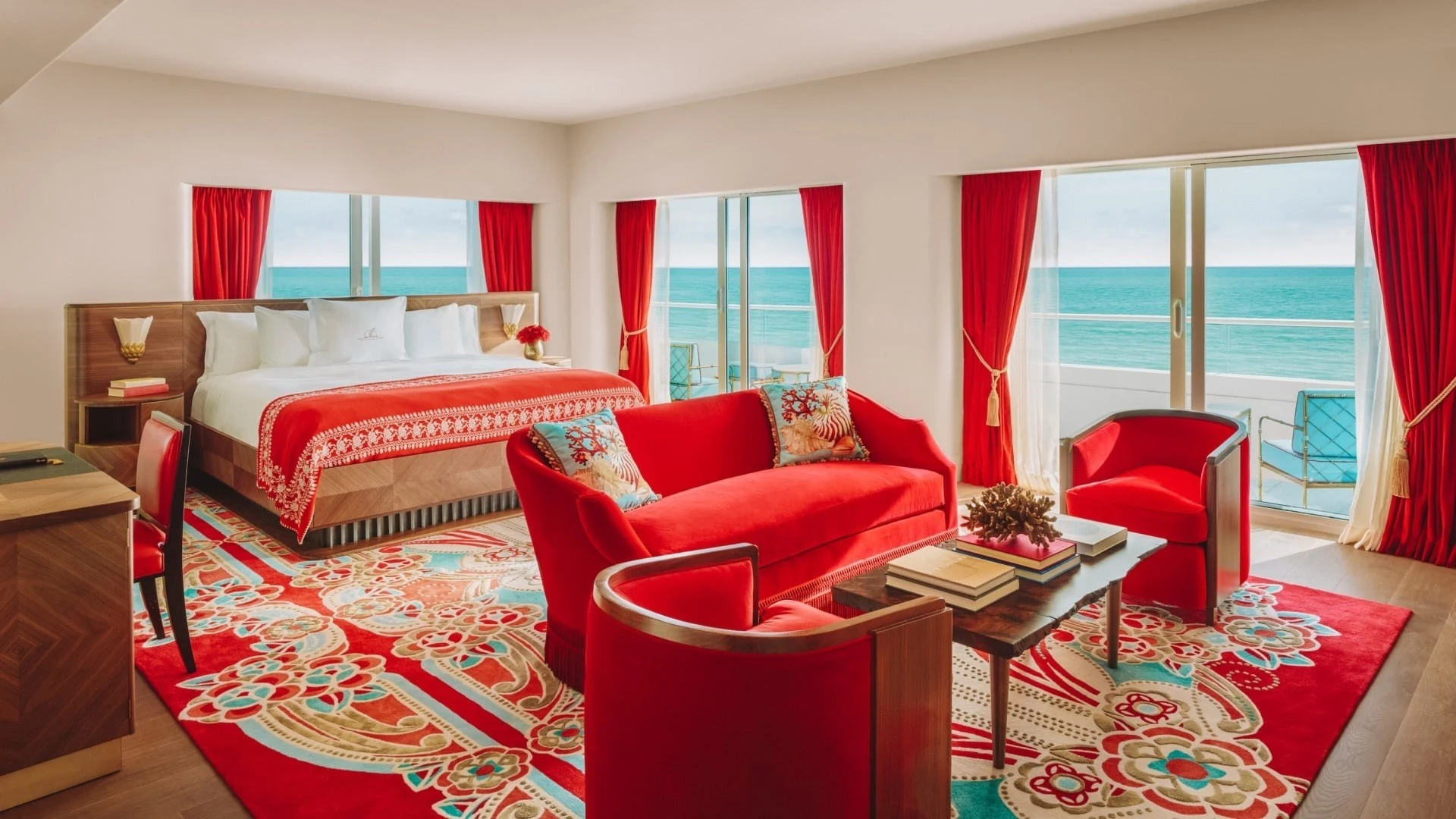
| Faena Hotel Miami Beach | Michelin 2 Keys | Miami |
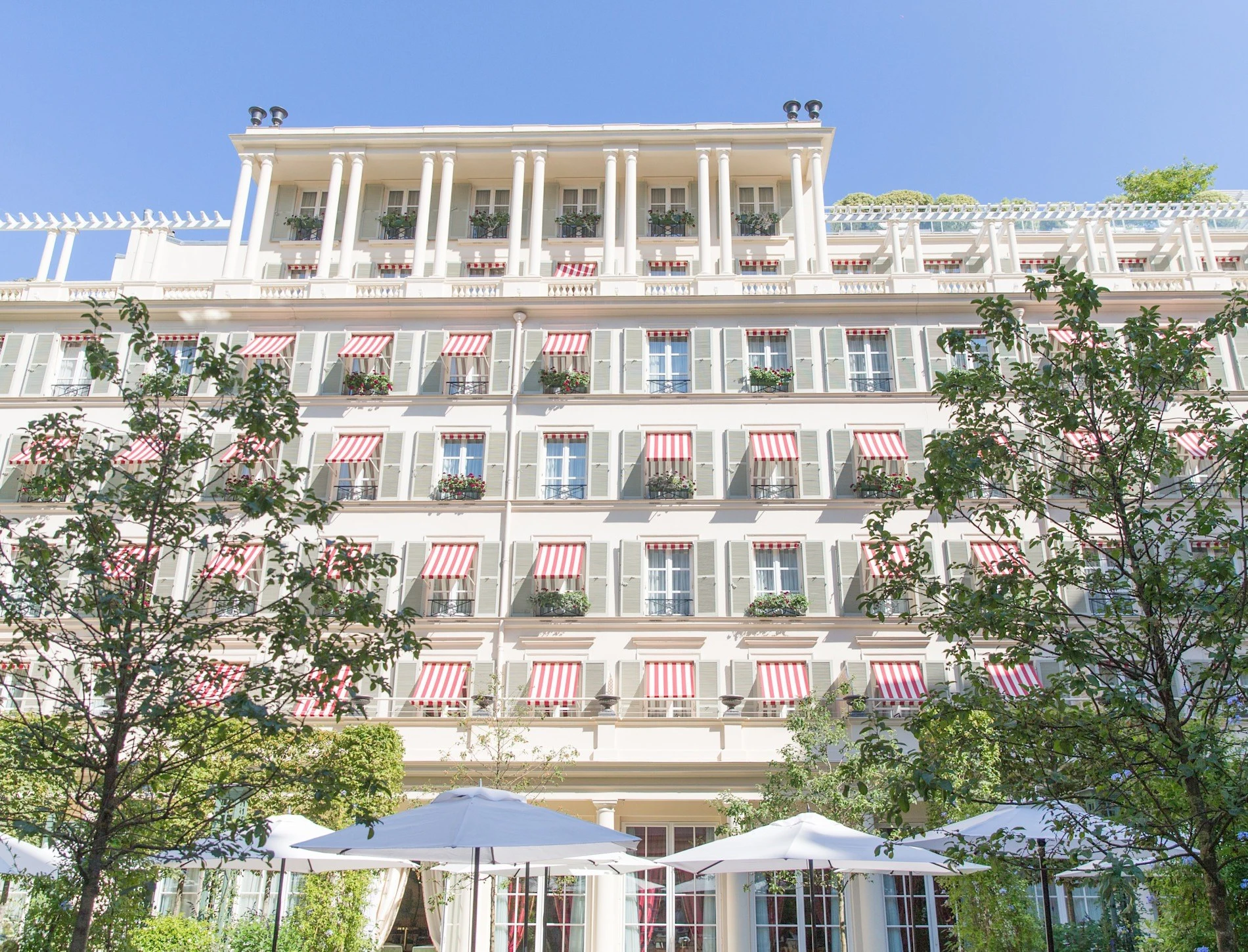
| Le Bristol Paris | Michelin 3 Keys, World's 50 Best | Paris |
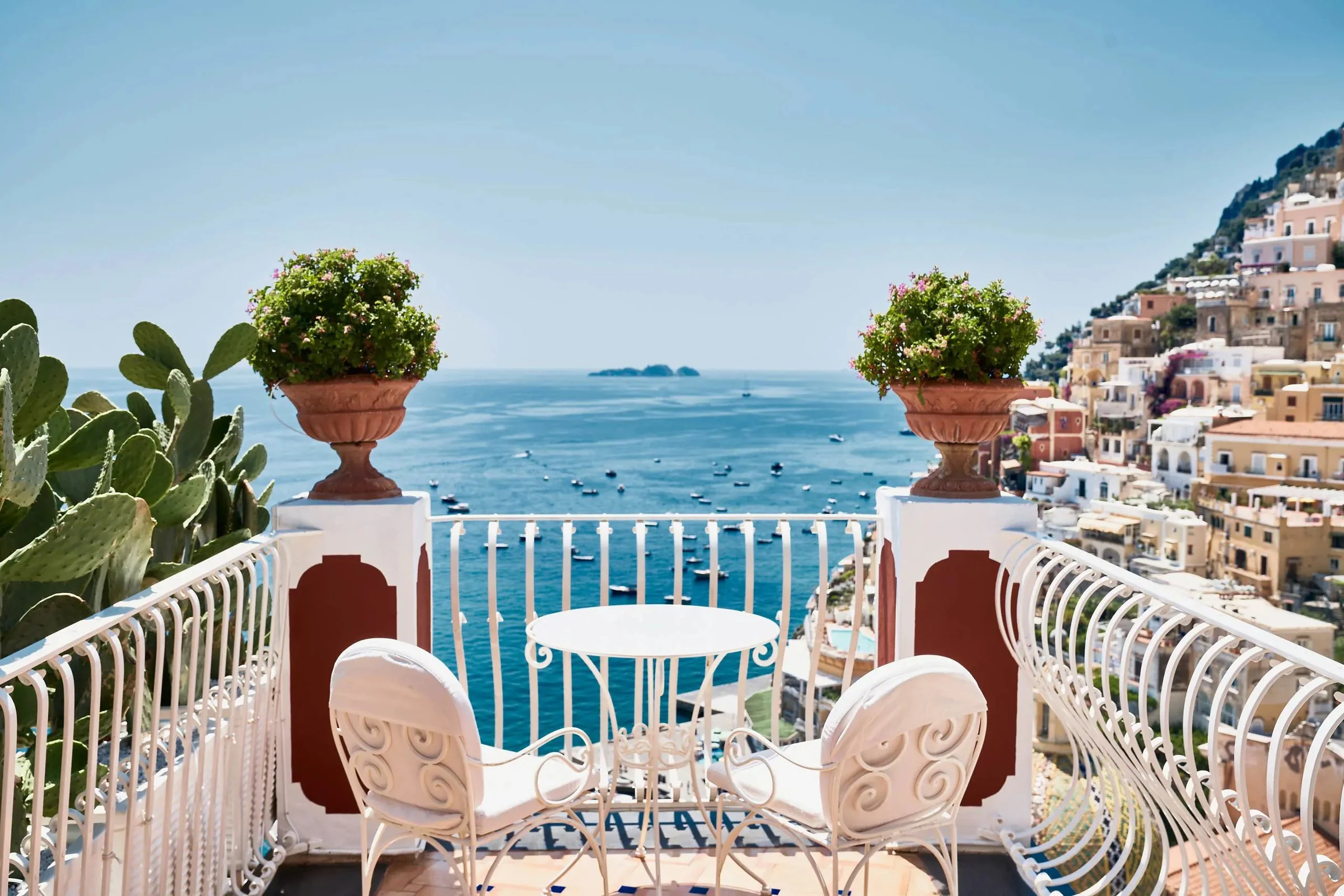
| Le Sirenuse | Michelin 1 Key, World's 50 Best | Positano |
| The Brando | World's 50 Best | Tahiti |
| Triple Creek Ranch | Michelin 2 Keys | Darby |