Cavallino
- 01CuisineModern Emilian Italian by Massimo Bottura
- 02CityMaranello, Italy
- 03RecognitionOne Michelin Star
Tortellini at the Ferrari pass.
- 1 Michelin Star · Michelin Guide
- Michelin 1 Star · 2026
- Opinionated About Dining Top Restaurants in Europe Recommended · 2026
- Opinionated About Dining Top Restaurants in Europe Ranked #299 · 2025
- Michelin Plate · 2025
- Opinionated About Dining Casual in Europe Ranked #209 · 2024
Two cooks at the Ferrari pass
Time and texture govern the kitchen at Cavallino in Maranello, a room built around Emilian memory rather than speed. Co-chefs Riccardo Forapani and Virginia Cattaneo lead it, under Massimo Bottura's oversight since 2021. Forapani is Modenese and spent thirteen years at Bottura's Osteria Francescana, joining young and working through the years in which that restaurant collected its Italian and international awards. The restaurant asks a cook to work inside a house with more inheritance than most rooms can bear, a former company canteen from 1950, reopened in 2021 as a modern Emilian restaurant. The task here is not to cover that history with flourish. It is to cook with enough control that tortellini, tagliatelle, cotechino, Parmesan, wood oven pasta, and the local table keep their weight.
The Emilian method under a modern hand
The menu gives the kitchen a clear grammar: a la carte, tasting menu, and set menu, with modern Emilian Italian cooking as the frame. Cavallino’s named dishes tell the useful part of the story. Tortellini del Tortellante brings pasta into the room through a Modena social project where young people with autism learn pasta making from local grandmothers. Tagliatelle with ragu stays closer to the long table. Crème caramel of Parmesan turns a regional ingredient into a dessert gesture without sending it out of Emilia. The craft here is not novelty for its own sake. It is adjustment, proportion, and restraint, the difference between serving a familiar plate and making it hold attention in a room where Ferrari memorabilia and fine dining share the same walls. The kitchen also works with wood oven-baked Roses Pasta, gnocco fritto with cured meats, beef tartare, cod with potatoes, and Nocino-glazed snails with rabbit kidneys and Salanova lettuce. Those dishes carry two pressures at once: the comfort of the trattoria and the precision expected of a restaurant with 1 Michelin star.
The room with engines in sight
The room keeps the Ferrari story close to the table. Engines, photographs, and Prancing Horse details sit inside a polished setting redesigned in 2021, with a modern-traditional atmosphere rather than a museum hush. The restaurant stands opposite the Ferrari factory on Via Abetone Inferiore 1, and that proximity matters. It is not scenery added after the fact. It is the original condition of the place. The dining room feels elegant but conversational, with the ease of a canteen remembered and the finish of a restaurant rebuilt for a different generation of service. Burano lace curtains, glass mosaics, perforated metal, and wood panelling give the house its surface; the pass has to supply the rest. When the kitchen sends out tortellini or tagliatelle, the plate has to survive the room’s visual noise and still read as food first.
What stays at the table
Cavallino matters because it keeps a local table inside a global symbol without turning the meal into merchandise. The restaurant can point to 5 total awards, including 2 current-year awards and 3 previous-year awards, but the better evidence is quieter: pasta from Il Tortellante, local sourcing, a curated wine program with an Emilian focus, and a kitchen willing to let familiar dishes carry the argument. The plate to hold in mind is Tortellini del Tortellante at Cavallino, Maranello.
Questions
Frequently asked
Who is behind the kitchen at Cavallino?
Co-chefs Riccardo Forapani and Virginia Cattaneo lead the kitchen under Massimo Bottura’s oversight since 2021. Forapani is Modenese and spent thirteen years at Osteria Francescana before joining Cavallino.
What kind of food does Cavallino serve?
Cavallino serves modern Emilian Italian cooking, with a menu that includes à la carte, tasting menu, and set menu options.
What dishes is Cavallino known for?
Named dishes include Tortellini del Tortellante, tagliatelle with ragu, and crème caramel of Parmesan. The kitchen also works with wood oven-baked Roses Pasta, gnocco fritto with cured meats, beef tartare, cod with potatoes, and Nocino-glazed snails with rabbit kidneys and Salanova lettuce.
What should a visitor know before booking?
Reservations are recommended, the dress code is smart casual, and the restaurant has on-site parking. Cavallino is open for lunch and dinner Monday to Saturday, and for lunch only on Sunday.
What recognition does Cavallino hold?
Cavallino holds 1 Michelin star.
The field
How it compares
| Place | Awards | Cuisine | Notes |
|---|---|---|---|
| Cavallino | Michelin 1 Star | Modern Emilian Italian by Massimo Bottura | Maranello, $$$ |
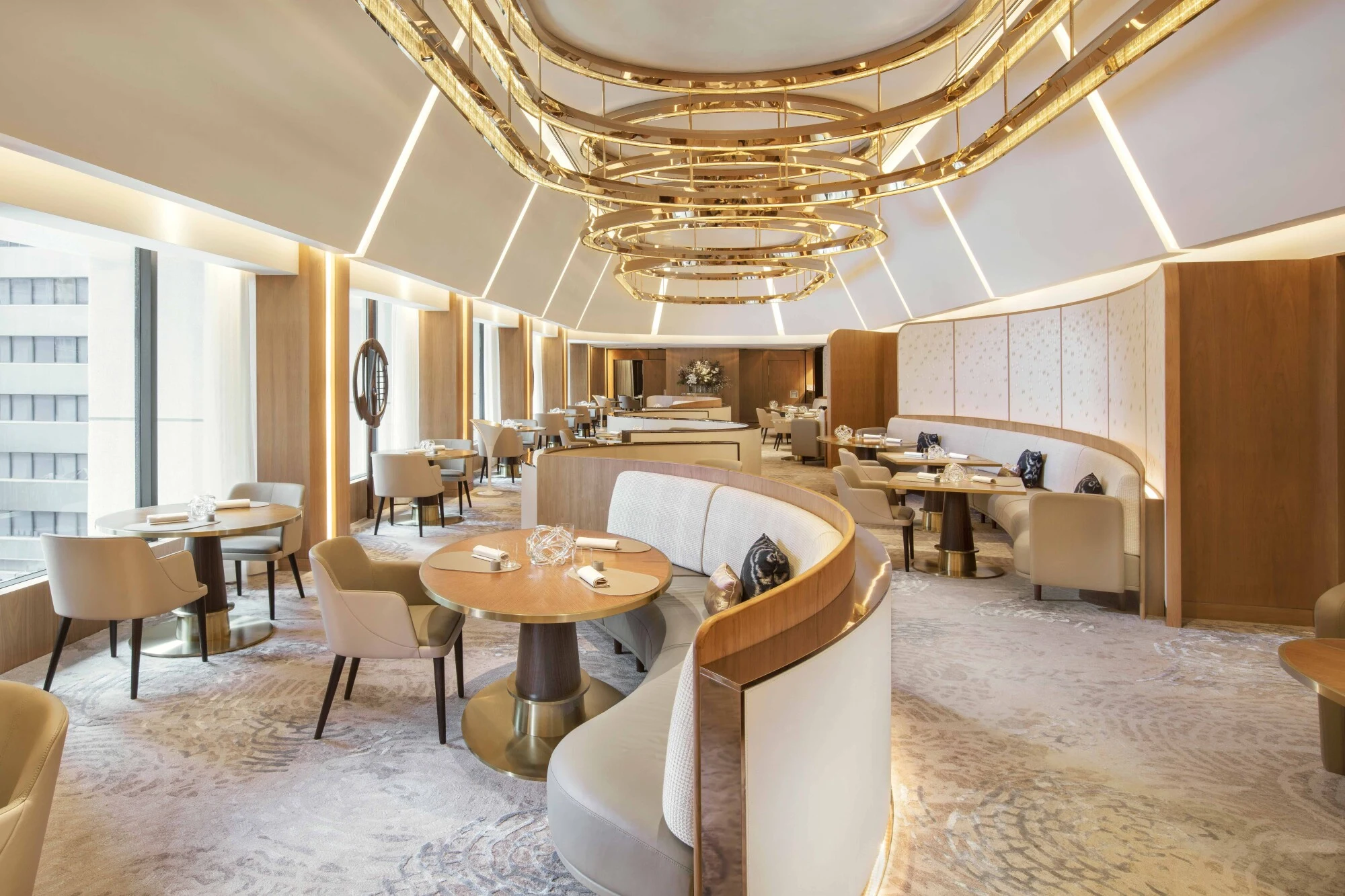
| Amber | Michelin 3 Stars, World's 50 Best | Contemporary French Fine Dining | Hong Kong |
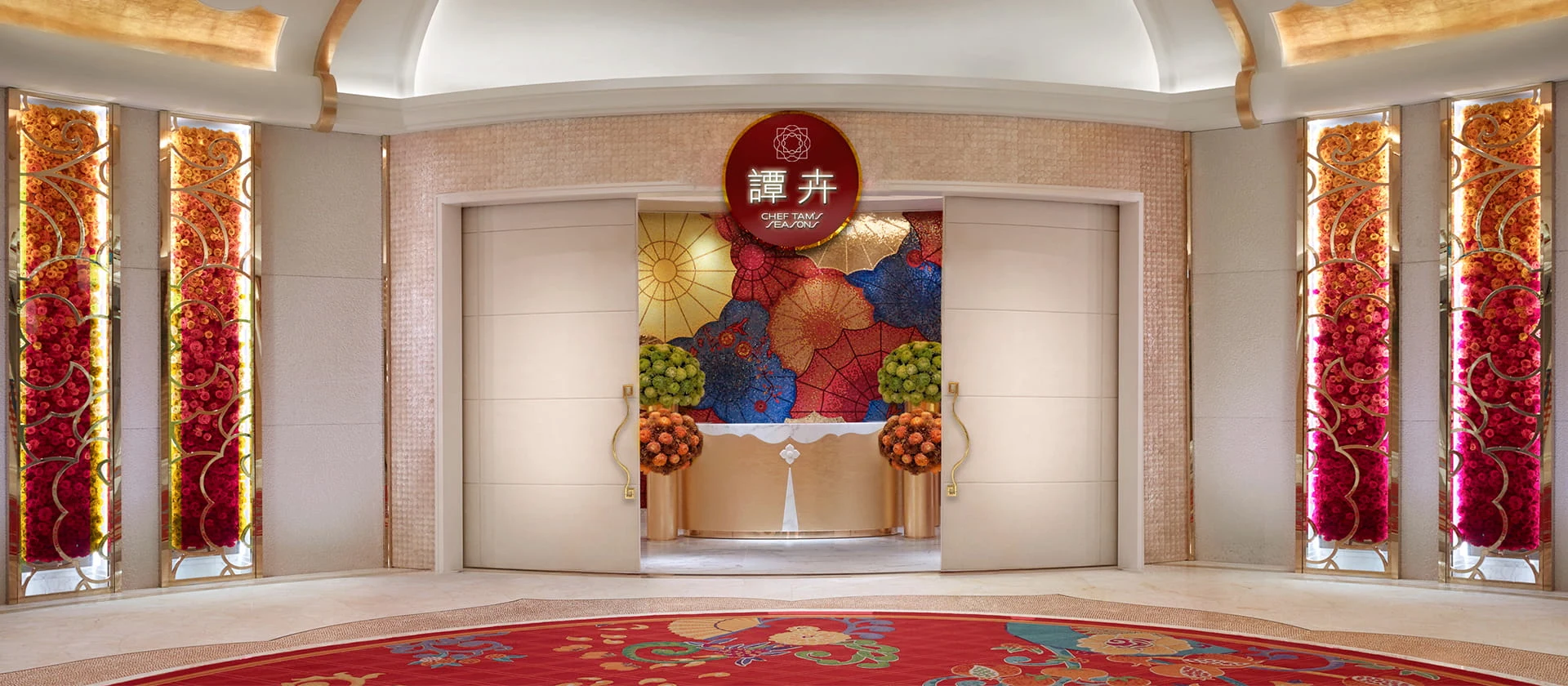
| Chef Tam's Seasons | Michelin 2 Stars, World's 50 Best | Modern Cantonese Fine Dining | Macau |
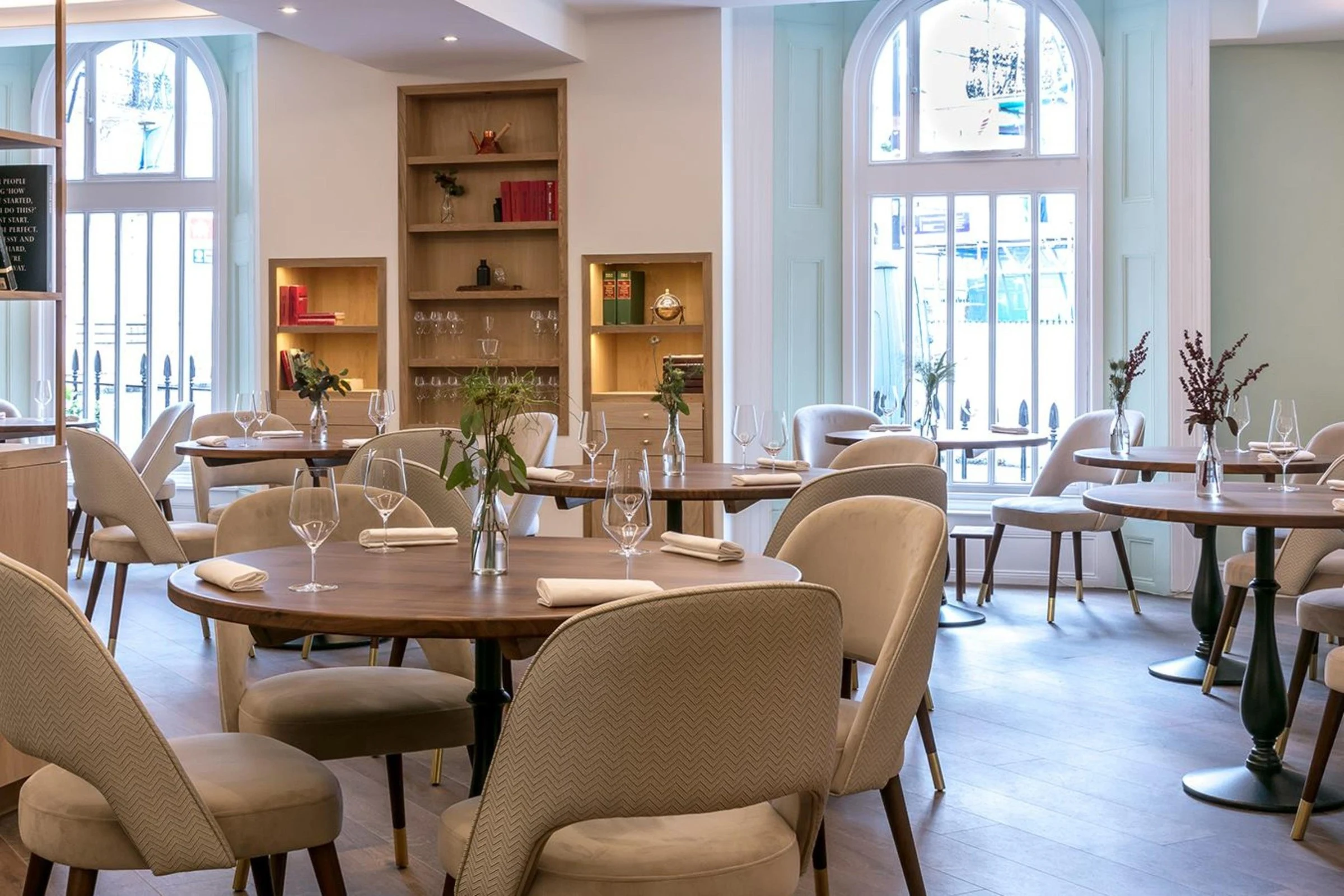
| CORE by Clare Smyth | Michelin 3 Stars, World's 50 Best | Modern British Fine Dining | London |
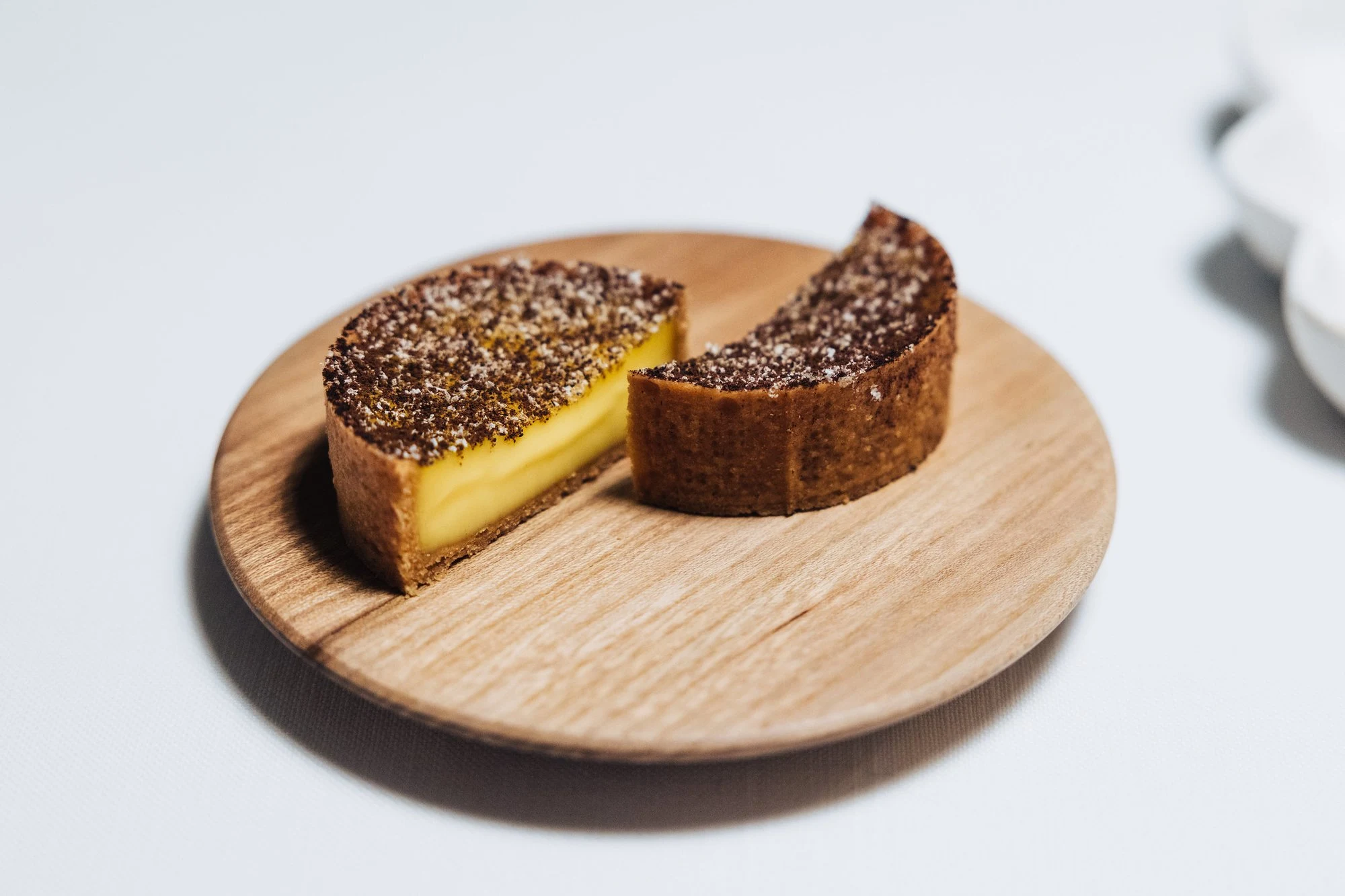
| Jordnær | Michelin 3 Stars, World's 50 Best | Modern Nordic Seafood Fine Dining | Gentofte |
| Piazza Duomo | Michelin 3 Stars, World's 50 Best | Modern Piedmontese Fine Dining | Alba |
| Vea | Michelin 1 Star, World's 50 Best | Modern Chinese-French Fusion | Hong Kong |
Similar places
Contemporary French Fine Dining
Amber
Hong Kong, Hong Kong
★★★ · 50 Best
Modern Cantonese Fine Dining
Chef Tam's Seasons
Macau, Macau
★★ · 50 Best
Modern British Fine Dining
CORE by Clare Smyth
London, United Kingdom
★★★ · 50 Best
Modern Nordic Seafood Fine Dining
Jordnær
Gentofte, Denmark
★★★ · 50 Best
Modern Piedmontese Fine Dining
Piazza Duomo
Alba, Italy
★★★ · 50 Best
Modern Chinese-French Fusion
Vea
Hong Kong, Hong Kong
★ · 50 Best