- Falstaff Winery - Listed · 2026
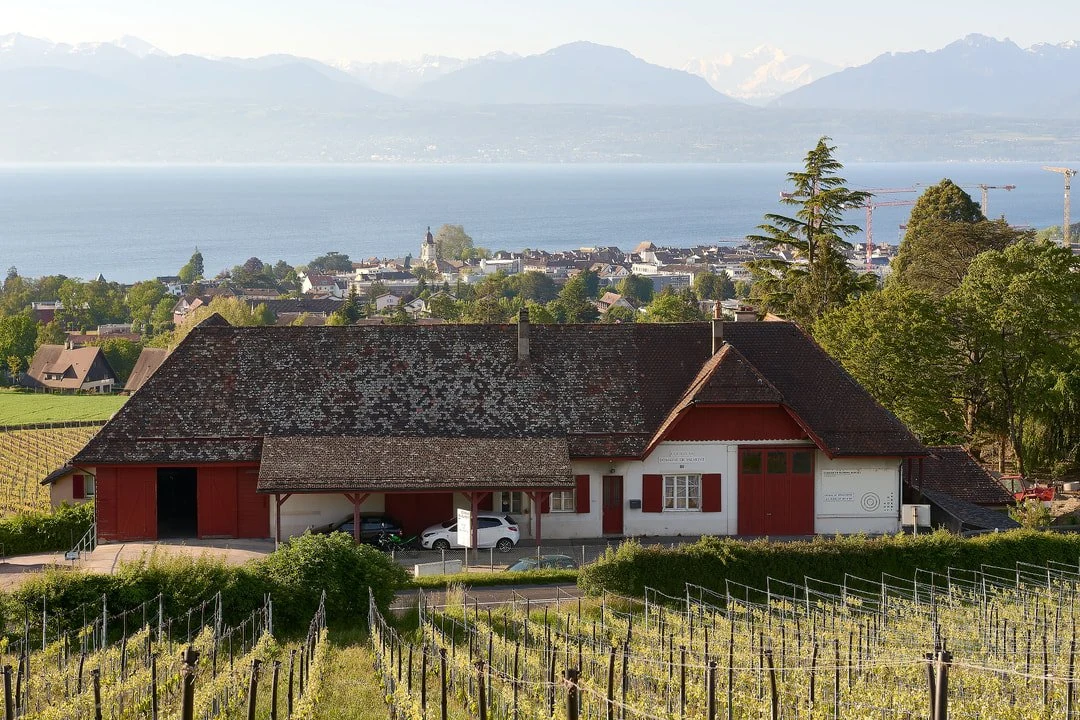
Approaching Cave Cidis in Tolochenaz, the signal is practical before it is theatrical: a cooperative cellar environment focused on regional Vaud and La Côte wines. The appeal is not elaborate design or leisure spectacle, but a direct, professional setting for visitors who want a clearer sense of the local wine context. It reads as a place where the cellar itself sets the tone, with the visit shaped by usefulness, orientation, and an interest in understanding what the surrounding region represents in the glass. For travellers who prefer wine experiences with a clear educational purpose, that straightforwardness is part of the value.
La Côte seen through a cooperative lens
Cave Cidis is best understood as a cooperative cellar in Tolochenaz, oriented toward showcasing wines from Vaud and La Côte. Rather than framing the visit around a single highly personalized story, the useful lens here is regional: a place where the broader La Côte wine identity can be approached through tasting and explanation. The cooperative context matters because it shifts attention away from the drama of one estate narrative and toward a wider view of place, production, and shared regional identity.
The picture is deliberately simple. Cave Cidis is associated with a classic, rustic cellar atmosphere and a professional approach. For visitors, that means the value lies in learning, tasting, and getting oriented to the region rather than expecting a restaurant-style experience or a design-led destination. The atmosphere supports concentration: the cellar setting keeps attention on the wines and on the explanations around them, rather than asking the visit to function as a polished lifestyle scene.
Its strength is the cooperative setting and its role in presenting Vaud and La Côte wines in an accessible, educational context. That accessibility should not be read as superficial; it is more about clarity of purpose. Cave Cidis gives visitors a grounded way to approach the region, especially when they are trying to understand La Côte as more than a name on a label. The experience is therefore less about performance and more about orientation, with the cooperative structure providing a practical entry point into the local wine landscape.
What the tasting format teaches
The atmosphere is professional and cellar-led, closer to a regional wine classroom than a decorative tasting lounge. Tastings and wine education are the natural fit, especially for visitors who want to understand La Côte through explanation rather than through a purely scenic stop. In that sense, the format rewards attention: the point is not simply to pass through, but to use the tasting as a way of building a clearer mental map of Vaud and La Côte wines.
That format suits a destination where the main promise is context. Cave Cidis gives visitors a structured way to think about regional Vaud wine, with the cooperative cellar setting providing a practical frame for learning about La Côte without relying on claims about specific bottles, scores, or accolades. The emphasis remains on the category, the place, and the act of guided tasting. This makes the visit especially useful for those who want a baseline understanding before comparing other wine experiences more broadly.
The experience is best understood as focused and direct. It is not presented here as a full dining venue, a luxury lounge, or a leisure attraction built around elaborate extras. The draw is the professional cellar environment and its emphasis on tasting and wine education in Tolochenaz. That focus gives the stop a certain discipline: visitors should expect the cellar and the wine context to do the work, rather than a broader hospitality package. For the right audience, that restraint is appealing, because it keeps the encounter anchored in what Cave Cidis is positioned to provide.
How to place it in a Tolochenaz wine itinerary
For Tolochenaz, Cave Cidis gives the local wine map a useful anchor: a cooperative cellar with a clear focus on regional Vaud and La Côte wines. Travellers building a day around local wine can treat it as a practical educational stop and then consider other dining or experience options in Tolochenaz more generally. It works well when placed in an itinerary as a point of orientation, helping visitors understand the local wine context before or alongside broader explorations of the area.
Readers mapping wider wine references should keep Cave Cidis in focus as the comparison point here. Other wine and dining options can be considered generically, but this guide does not rely on named peers or unsupported comparisons. The most accurate way to place Cave Cidis is therefore as a professional cooperative cellar experience: useful, regional, and direct, with its identity tied to Vaud and La Côte rather than to added spectacle. For visitors seeking a grounded Tolochenaz wine stop, that clarity is the main reason to include it.
Questions
Frequently asked
Who works at Cave Cidis?
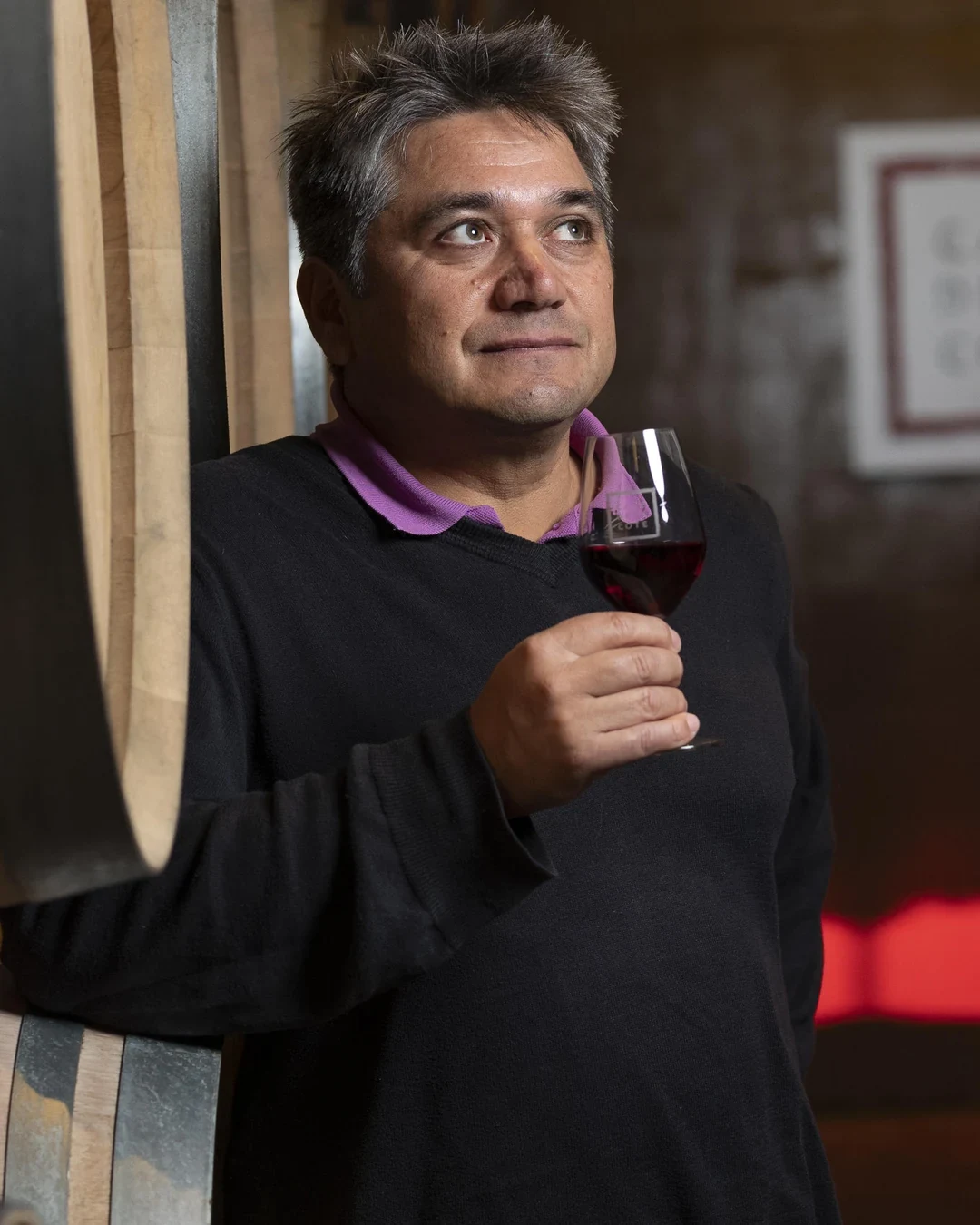
Made By profiles Rodrigo Banto (Winemaker) at Cave Cidis.
How expensive is Cave Cidis?
Cave Cidis is listed at a price level of $$.
The field
How it compares
| Place | Notes | Awards |
|---|---|---|
| Cave Cidis | Tolochenaz, $$ | · |
| Cave de la Côte | Tolochenaz | · |
| Domaine du Clos de Tart | Morey-Saint-Denis | · |
| Herdade do Esporão | Reguengos de Monsaraz | World's 50 Best |
| Masi | Sant'Ambrogio di Valpolicella | · |
| Michter's | Louisville | · |
| Vega Sicilia | Valbuena de Duero | · |