- Falstaff Winery - Listed · 2026
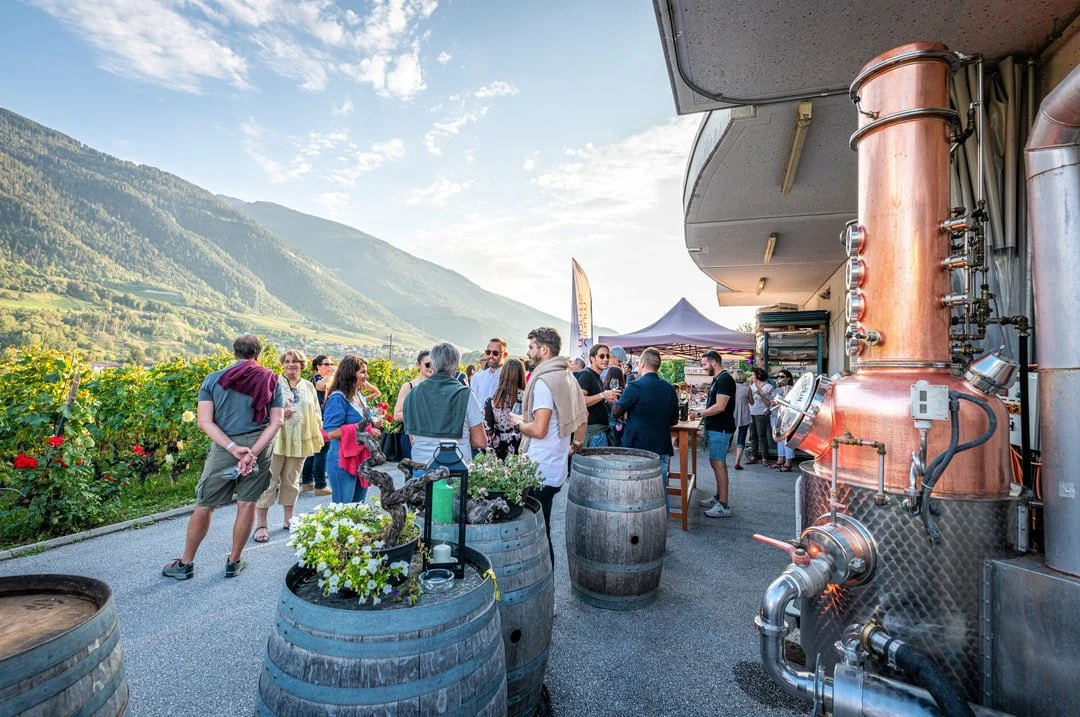
The approach to Valais wine is rarely about grand architecture or a sense of arrival engineered for visitors. Around Corin De La Crete, the stronger argument is made by slope, light and a cellar culture that has more in common with family-run production than polished visitor circuits. Cave de Bretton belongs to that quieter category, where the tasting is a way to read the hillside rather than a staged luxury performance. Its appeal comes from the feeling that the place is close to the work of wine itself: the scale is small, the setting is local, and the experience is framed by the surrounding Coteaux de Sierre rather than by a large hospitality apparatus.
For broader trip planning in Corin De La Crete, use local resources to understand how this small cellar fits into the area. That is especially important here because the value of the visit depends less on spectacle and more on context: the local landscape, the rhythm of appointment-based tastings, and the expectation of a modest, direct encounter with Valais wine.
Valais terroir through a small cellar lens
Cave de Bretton is described as a small family-run cellar on the sunny Coteaux de Sierre slopes. The picture is intentionally focused: an intimate, appointment-based tasting setting shaped by authentic Valais terroir and classic still wines rather than a polished tourism complex. In this kind of setting, terroir is not an abstract marketing phrase so much as the point of the visit. The slopes, the sunlight and the small-cellar format all work together to make the tasting feel tied to its immediate surroundings.
That makes the cellar useful for travellers who want a rustic and scenic wine stop without assuming a large visitor operation. The appeal is not built around a long list of public-facing amenities or a heavily choreographed format; it is grounded in a hidden, family-scale cellar experience in Corin De La Crete. Visitors who are most likely to appreciate it are those who are comfortable with simplicity, who understand that a smaller cellar may communicate through setting, conversation and restraint rather than through elaborate infrastructure.
The price positioning is listed as $$, which supports the idea of a moderate stop for visitors seeking a direct, place-focused tasting rather than a polished visitor complex. That moderate framing also fits the overall tone of the address: approachable, local and centred on the wines and hillside rather than on luxury signals.
A small-cellar format rather than wine-tourism theatre
The experience is better understood as an intimate cellar visit than a hospitality production. Cave de Bretton is presented as small, family-run and appointment-based, with the emphasis on Valais terroir and classic still wines. This matters because it sets the right rhythm before arrival. The visit should be approached as a chance to encounter a working small-cellar identity, not as a programme designed to fill an afternoon with multiple layers of service.
Because the public details are limited, travellers should avoid assuming walk-in availability, expanded services or restaurant-style extras. The safest expectation is a quiet, rustic visit arranged in advance, focused on the cellar and its sense of place. Planning ahead is part of respecting the format: an appointment-based cellar asks visitors to treat the tasting as a specific encounter rather than as an interchangeable stop between larger attractions.
This restraint is part of the appeal. Cave de Bretton reads as a scenic, hidden address for people who value direct contact with a small wine cellar over the scale and polish of a major tourism complex. The absence of a heavily staged visitor narrative leaves more room for the essentials already present in the description: family scale, hillside setting, classic still wines and a grounded Valais character. For the right traveller, that modesty is not a limitation but the reason to go.
How it fits into a wider Swiss wine itinerary
Wine travel rewards regional comparison because vineyards and cellar cultures can be highly local. A Valais stop such as Cave de Bretton gives one small-cellar reading of the Coteaux de Sierre slopes and the wine culture around Corin De La Crete. It can work as a counterpoint to broader or more polished wine experiences because it narrows the focus to a specific place and a family-run cellar format.
For visitors planning beyond this cellar, the comparison should stay general: other wine regions and other dining or lodging options can provide contrast, but Cave de Bretton’s identity is specific and modest. It is best framed as an intimate, appointment-based family cellar rather than as a broad hospitality venue. In a wider itinerary, its role is strongest when expectations are kept precise: not a showpiece, not a full-service destination, but a quiet Valais wine stop where the hillside, the small scale and the direct tasting context do most of the work.
Questions
Frequently asked
Who works at Cave de Bretton?
Made By profiles Alain Rey Buschor (Winemaker) at Cave de Bretton.
How expensive is Cave de Bretton?
Cave de Bretton is listed at a price level of $$.
The field
How it compares
| Place | Notes | Awards |
|---|---|---|
| Cave de Bretton | Corin-de-la-Crête, $$ | · |
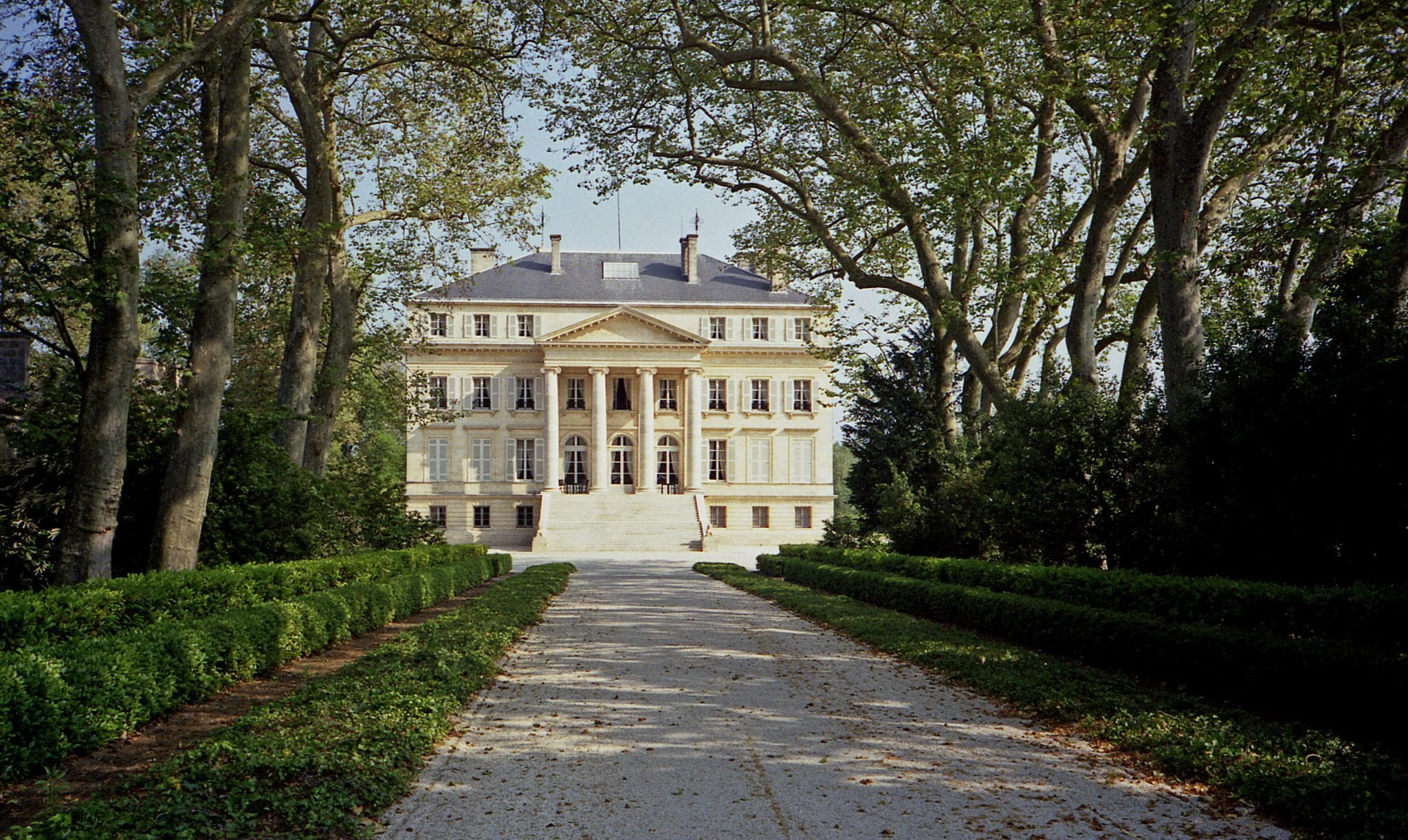
| Château Margaux | Margaux | World's 50 Best |
| Chateau Petrus | Pomerol | · |
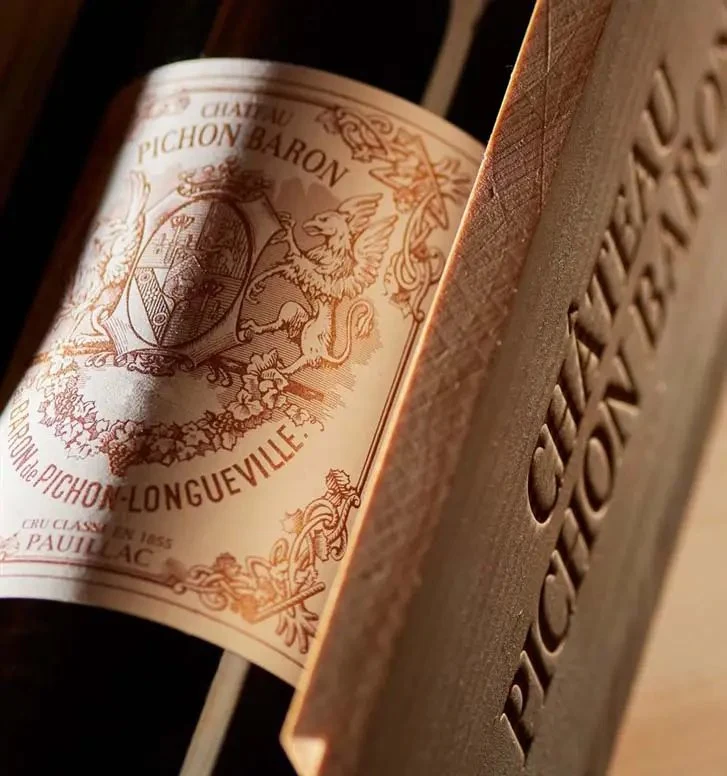
| Château Pichon Longueville Baron | Pauillac | World's 50 Best |
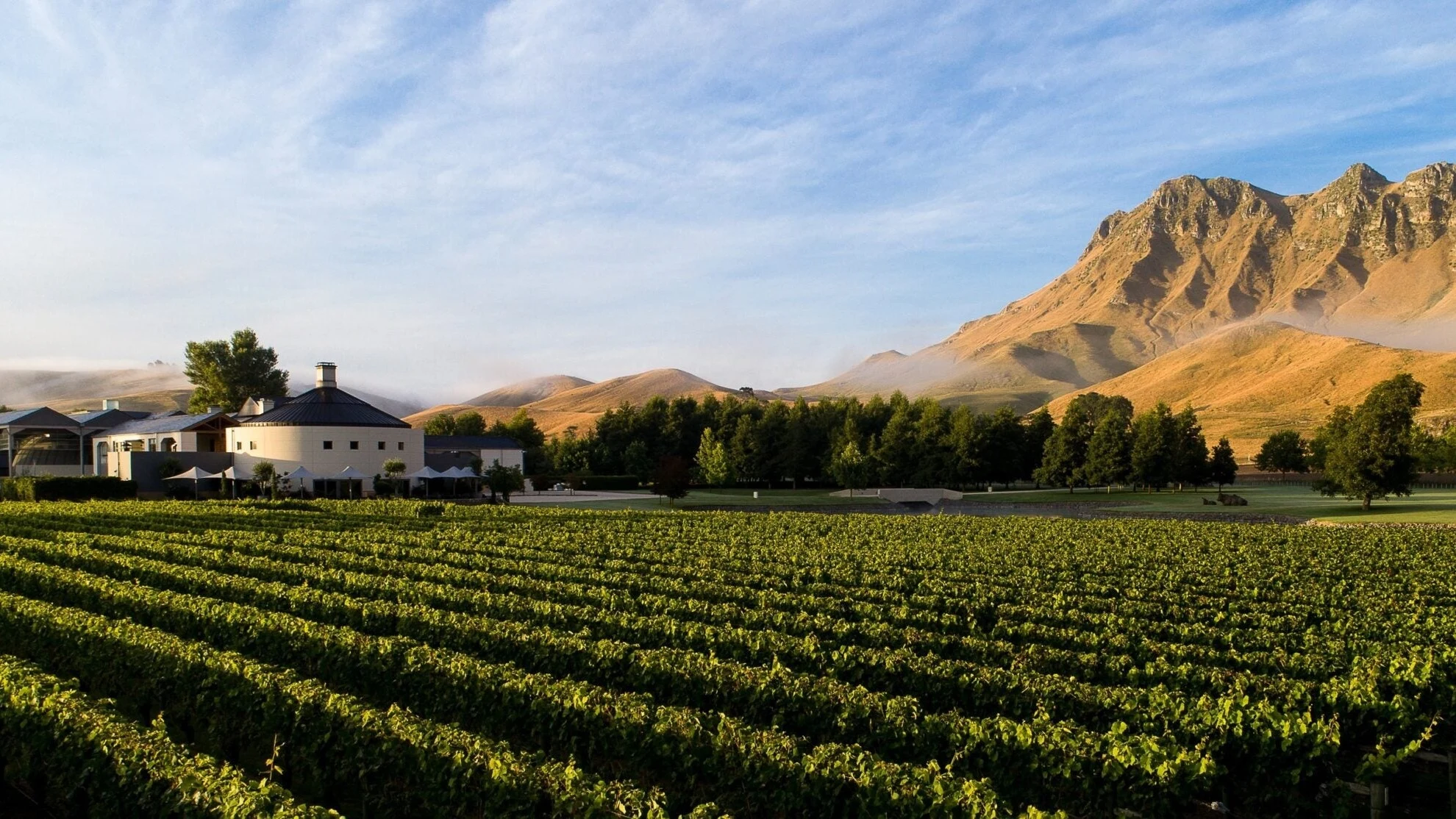
| Craggy Range | Hastings | World's 50 Best |
| Herdade do Esporão | Reguengos de Monsaraz | World's 50 Best |
| Tenuta San Guido | Bolgheri | · |